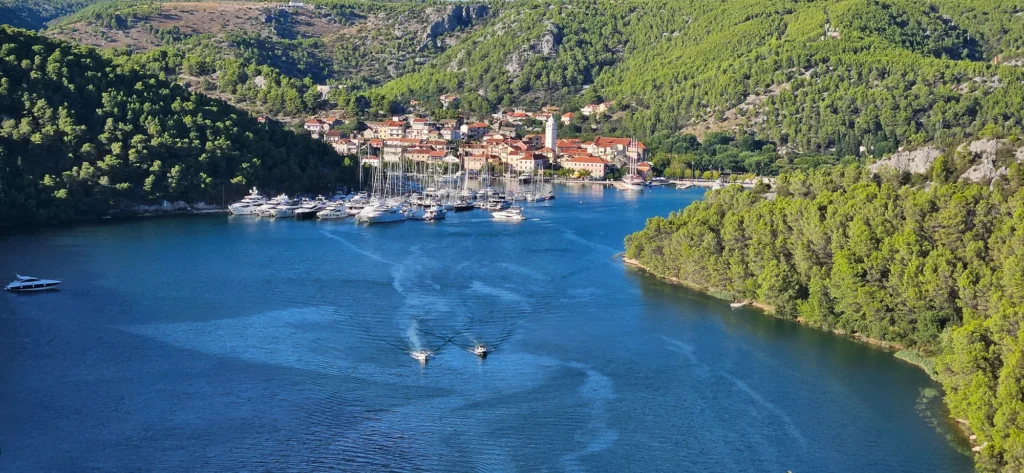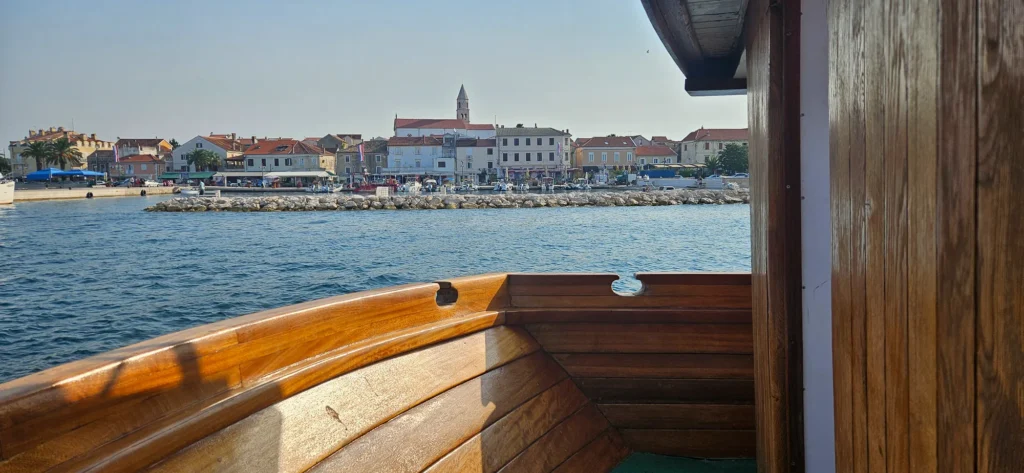
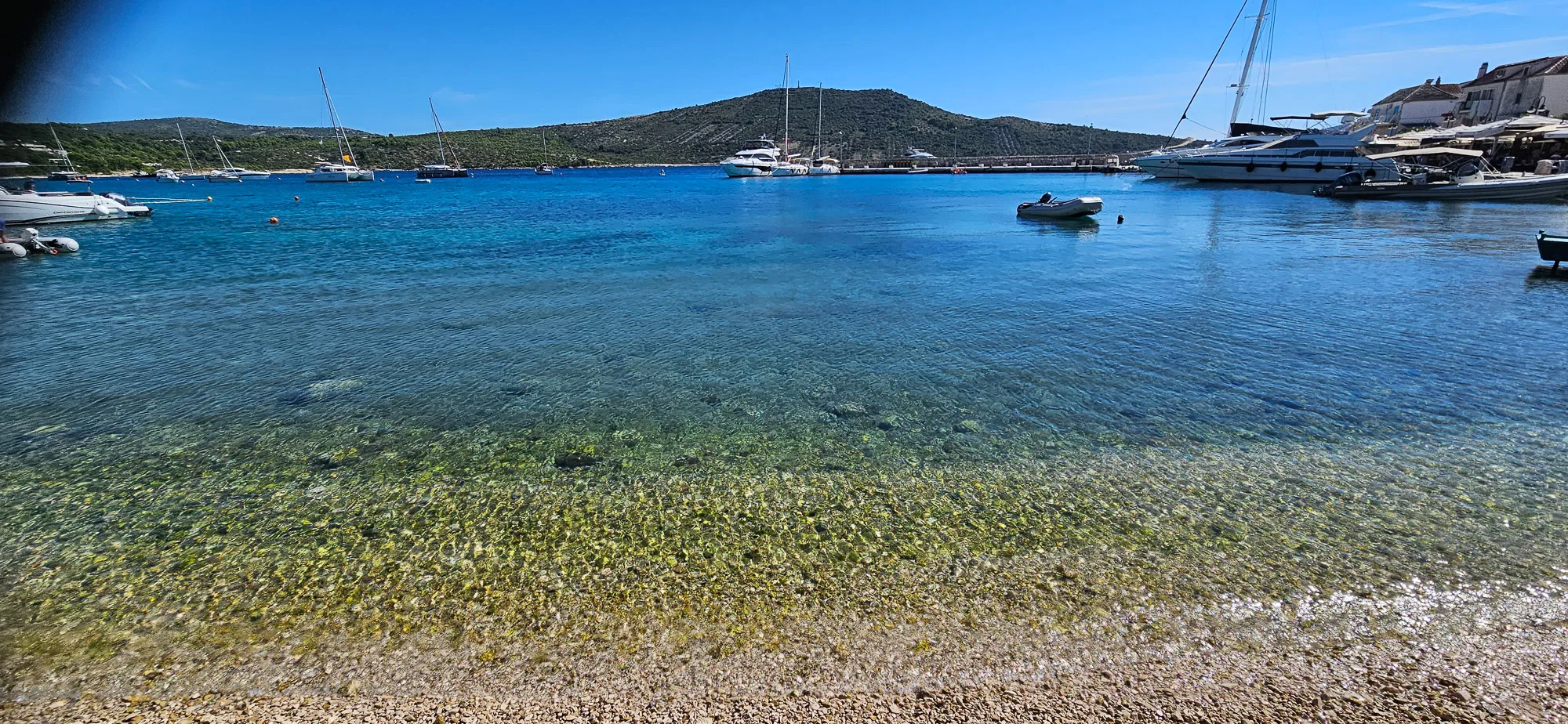
Primošten is one of the most photogenic small towns on Croatia’s Adriatic coast. Its historic stone centre occupies a former islet linked to the mainland, with the sea almost wrapping around the old streets. Across a short distance you will find pebble beaches, waterfront paths, vineyard-covered hills and panoramic viewpoints.
Set on the coast south of Šibenik, Primošten works beautifully as a relaxed seaside holiday base or as a day trip between Šibenik and Split. The most rewarding visit mixes a walk through the old town with time by the water and a taste of the local Babić wine tradition. This guide focuses on planning the complete Primošten experience, from choosing where to stay to making the most of one, two or several days.
Is Primošten worth visiting?
Absolutely, especially if you enjoy compact historic towns, sea views, beaches and unhurried evenings. You can explore the old-town peninsula without committing to a lengthy sightseeing route, then swim or eat overlooking the bay. Unlike a large city, Primošten’s appeal is mostly outdoors: attractive lanes, an easy holiday rhythm and scenery that feels different in every direction.
The limitation is scale. Travellers looking for extensive museums, major shopping streets or a packed programme of indoor attractions will find more choice in nearby Šibenik or Split. Primošten is at its best when you slow down and let the setting do much of the work.
Top things to do in Primošten
Explore the old-town peninsula
Start at the point where the historic core meets the mainland and walk into the old stone streets. Look for weathered doorways, small courtyards, passages between houses and glimpses of the water beyond the buildings. The old town is most enjoyable early in the morning or toward evening, when light softens on the stone and the most popular pedestrian streets feel calmer.
Follow the lanes uphill toward the church of St George, which occupies a prominent position above the old centre. The ascent is part of the experience; expect stone surfaces and steps rather than a flat, fully accessible promenade. Take your time and allow stops for views.
Walk the waterfront at sunset
The coastal setting is one of Primošten’s greatest strengths. A relaxed evening circuit gives you changing views of the peninsula, nearby swimming areas and boats offshore. Bring a camera, but do not feel compelled to chase a single viewpoint: the harbour-facing lanes and seafront both have appealing perspectives.
Swim at Mala Raduča or Velika Raduča
The Raduča beaches are among the town’s main attractions. Mala Raduča is especially convenient for a swim close to the historic centre, while Velika Raduča provides another substantial stretch of pebble shore around the peninsula’s adjoining beach area. Both can be popular in high summer, so plan your beach time around the heat and the atmosphere you want.
Water shoes are useful for visitors sensitive to pebbles. During July and August, arrive earlier if you want the most convenient space. Facilities and beach equipment can vary by season; inspect the exact spot where you intend to enter the water rather than treating the whole coastline as a single beach.
See the Lady of Loreto viewpoint on Gaj Hill
Above Primošten, Gaj Hill provides a sweeping panorama of the coast, old-town peninsula, nearby islands and inland landscape. The viewpoint is associated with the large statue of Our Lady of Loreto. It is worth including if you have a car or another reliable way to reach the hill.
Do not assume the hill is a short, flat detour from the beach: the climb is exposed and can feel demanding in hot weather. Road access exists, but check current local access and parking arrangements before driving. The regional tourism service offers a helpful overview of the viewpoint and monument.
Discover the Bucavac vineyards and Babić wine
The rocky vineyard terraces around Primošten are part of the destination’s identity. Bucavac is particularly notable for its tiny vineyard plots divided by dry-stone walls. The landscape is often compared to stone lace, a striking example of farming in thin, difficult soil. The local Babić grape is closely associated with this demanding terrain.
You do not need a formal wine tour to appreciate the story; seeing the dry-stone vineyard landscape helps explain how closely local agriculture and the coastline are connected. If you want a tasting, contact a reputable winery or tourism provider in advance. Winery visits, guided access and opening times are not uniform, and the most scenic vineyard areas should not be treated as public picnic grounds or open walking trails through private property.
For background on the landscape and grape tradition, see the regional Bucavac vineyards guide.
Where to swim and enjoy the coast
Primošten has a mix of prominent town beaches and smaller coastal stretches outside the busiest centre. For a first visit, the Raduča areas are the most logical starting point because you can combine a swim with old-town sightseeing. If you stay farther from the historic peninsula, your nearest swimming place may offer a quieter routine but require a longer walk to central restaurants.
Before choosing accommodation, decide whether daily beach convenience, old-town atmosphere or easy parking matters most. A property with a sea view is not automatically next to an easy swimming entrance, and rocky shoreline access can be very different from a developed pebble beach.
Where to stay in Primošten
Old town: atmosphere and evenings on foot
Choose the old-town area if stone lanes, harbour restaurants and short evening walks are your priorities. You may need to manage luggage through pedestrian-friendly but uneven streets, and vehicle access can be more restricted than in modern neighbourhoods. Ask the host where guests can actually stop a car and unload.
Near the Raduča beaches: swimming first
This is often the most convenient choice for a classic seaside break. You can plan days around swimming, walks and relaxed meals without moving the car. In peak summer, expect a livelier atmosphere and check how much shade the chosen accommodation or nearest beach provides.
Residential areas outside the centre: space and quieter evenings
A little farther from the peninsula, apartments and holiday homes can provide more space, easier parking or calmer surroundings. The trade-off is distance. Check both walking time and elevation: a short-looking route on a map may be steep or exposed in midday sun.
Nearby coastal villages: a base for exploring
If you will have a car throughout the holiday, nearby coastal settlements can work as an alternative to staying in the centre. This may be appealing for travellers who want to explore several beaches and towns, but it is less convenient if you expect to walk into Primošten every evening.
Where and what to eat
Primošten is a place to enjoy simple Dalmatian cooking at a relaxed pace. Look for fresh fish when available, grilled seafood, seasonal vegetables, olive oil and dishes that reflect the coast and nearby countryside. A traditional konoba may offer a different atmosphere from a waterfront terrace; compare the menu, opening days and recent feedback rather than assuming one format is always better.
Ask about local Babić wine if you enjoy robust reds, and consider sampling it alongside food rather than making a long drive after a tasting. For a scenic meal, reserve ahead in summer if a specific table or sunset view matters to you.
How to get to Primošten
From Šibenik: Primošten lies to the south along the coastal route and is a straightforward day-trip possibility by car. Bus services may be available, but you should check the precise stop, date and return service with the operator.
From Split or Trogir: arriving by road is practical as part of a broader Dalmatian trip. Allow additional time during summer traffic and avoid building a tightly timed itinerary around a single expected drive duration.
By plane: Split Airport is a logical option for many travellers, while Zadar Airport can also be relevant depending on flight availability and onward travel plans. Compare the total journey, not just the flight price.
By public transport: coastal buses can make a visit possible without a car, but schedules may not align with your preferred sunset or evening meal. Confirm your return before you set off and check whether the bus stop is close to the historic centre.
Getting around Primošten
Once in the centre, walking is the best way to explore the old-town peninsula and adjoining beaches. Expect steps, slopes and polished stone surfaces. Comfortable footwear makes sightseeing more pleasant, especially when moving between shore-level promenades and higher old-town viewpoints.
A car helps with Gaj Hill, Bucavac-area landscapes and regional day trips. Do not attempt to drive through narrow old-town lanes; use designated parking and follow local restrictions. If your accommodation promises parking, confirm whether it is on-site, nearby or subject to an additional fee.
Suggested Primošten itinerary
One day: the essentials
Arrive in the morning, explore the harbour and walk the old-town lanes toward St George’s church. Take a late-morning break for coffee and views. After lunch, swim at a Raduča beach or stroll the adjacent shore. Finish with an early-evening waterfront walk and dinner if your transport allows.
Two days: add the landscape
Keep the first day relaxed, then use the second for a different perspective: Gaj Hill, nearby vineyard scenery and an additional beach or leisurely coastal meal. If wine tasting is part of the plan, arrange suitable transport rather than combining drinking with driving.
Three or more days: use Primošten as a base
Alternate unhurried beach days with selective outings. Šibenik offers a historic city experience; the wider region provides nature, villages and other coastal towns. There is no need to travel far every day. The strongest Primošten holidays usually include enough time to enjoy the peninsula itself.
Best time to visit Primošten
Summer is the peak period for swimming, seasonal facilities and animated evenings, with more visitors at the main beaches. Late spring and early autumn are attractive for old-town walks, photography and exploring the vineyard landscape in more comfortable temperatures. Outside the main season, check which restaurants, tours and beach services operate on your travel dates.
Travelling with children or reduced mobility
Families may appreciate accommodation close to a developed swimming area, where returning for lunch or a rest is simple. Pebble entries, sun exposure and crowds differ among beaches, so assess conditions at your specific chosen section.
The old town includes slopes and steps and is not fully step-free. Travellers with limited mobility should focus on accessible waterfront sections and ask local providers about particular routes and parking. Gaj Hill can be experienced from road-access viewpoints, but facilities and surface conditions should be confirmed before visiting.
Practical tips
- Walk the historic core early or late to avoid the hottest hours and enjoy softer light.
- Choose your base according to whether you prioritise the old town, beach access or quiet evenings.
- Bring footwear suitable for pebbly swimming entries and uneven stone streets.
- Respect vineyard boundaries, dry-stone walls and private agricultural land.
- Verify local parking rules and accommodation vehicle access in advance.
- Book any winery tasting and check summer restaurant availability before building a tightly timed day.
- For day trips by bus, check the last practical return rather than relying on an assumed evening departure.
Frequently asked questions
Is Primošten better as a day trip or overnight stay?
Both work. One day gives you time for the old town, a swim and a waterfront meal. Staying overnight is more rewarding if you enjoy quiet early mornings, sunset walks and occasional outings to nearby viewpoints and vineyards.
Does Primošten have sandy beaches?
The town’s best-known beach areas are mainly pebbly, with conditions varying by section. If a sandy shoreline is essential, research your exact swimming location rather than assuming that every Croatian seaside town offers sand.
Do you need a car in Primošten?
Not for the core old-town-and-beach experience if you choose a well-located stay. A car is useful for reaching Gaj Hill, seeing more of the vineyards and organising flexible regional excursions.
What is Primošten known for?
Its distinctive old-town peninsula, Adriatic beaches, coastal panoramas and Babić wine tradition are the main reasons travellers remember the town.
The bottom line: Primošten is best approached as a place to enjoy, not a checklist to finish. Explore the stone streets, choose a swimming spot, appreciate the dramatic vineyard landscape and leave room for the relaxed pace of the Dalmatian coast.
Plan your trip
Planning a trip to Primošten?
Discover beaches, things to do, parking, food and practical travel information.