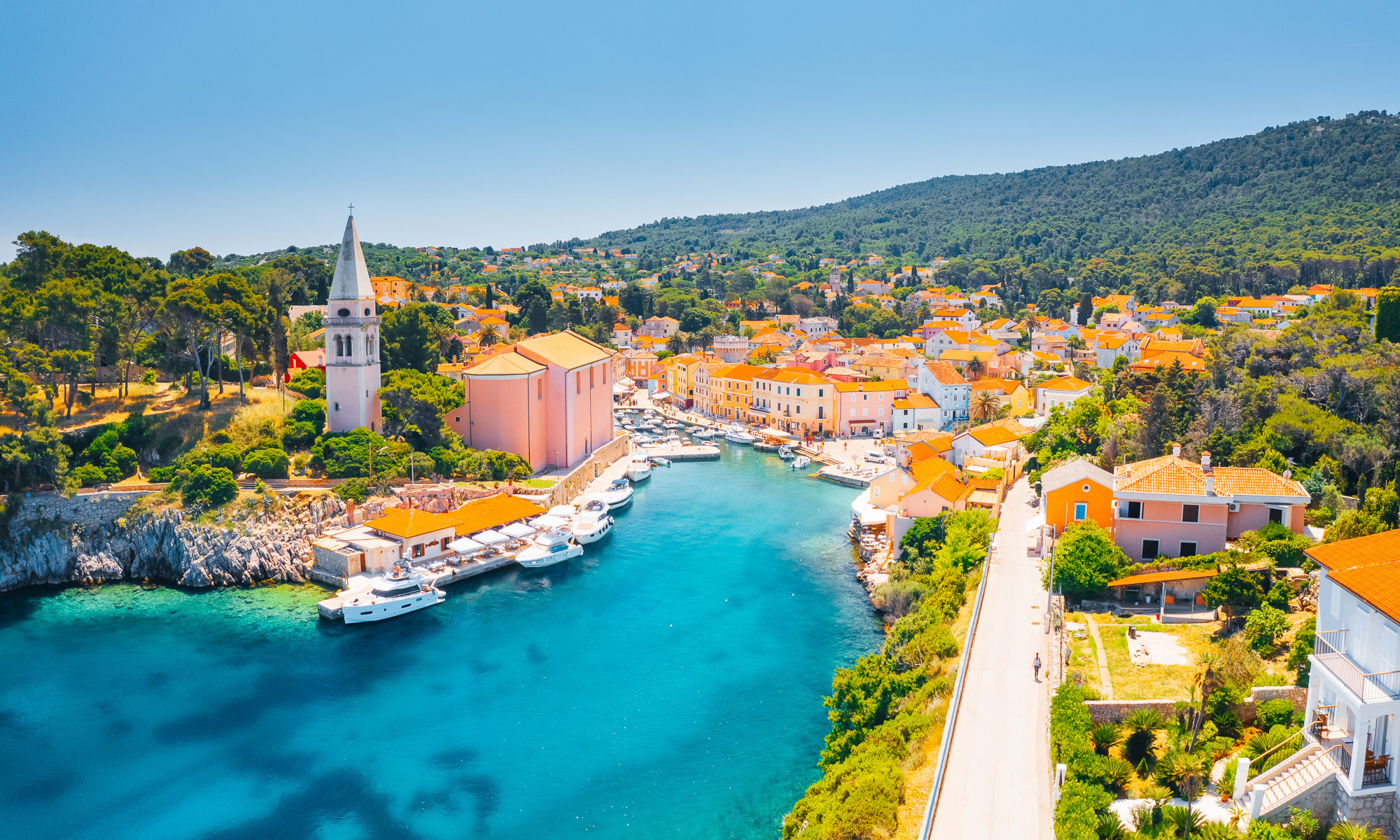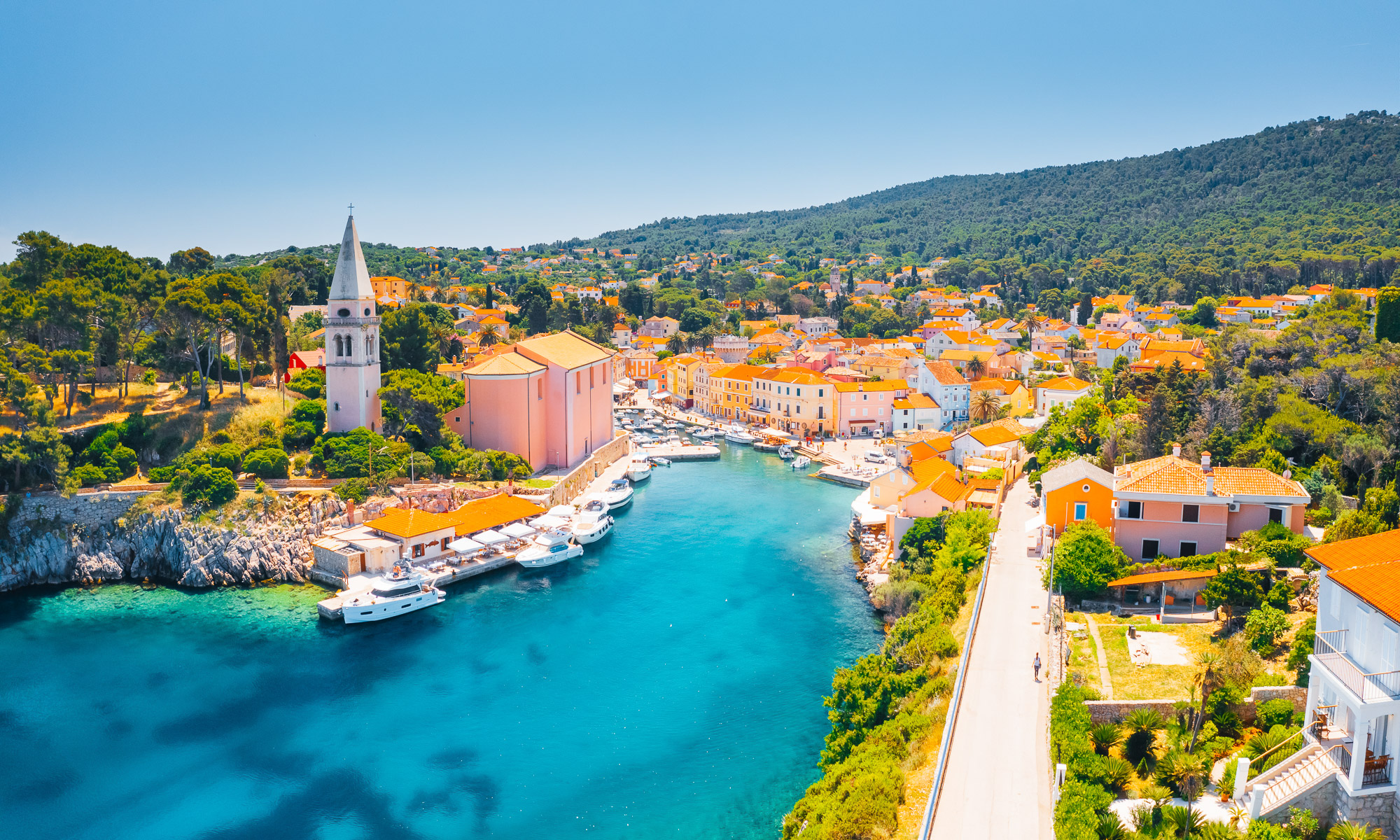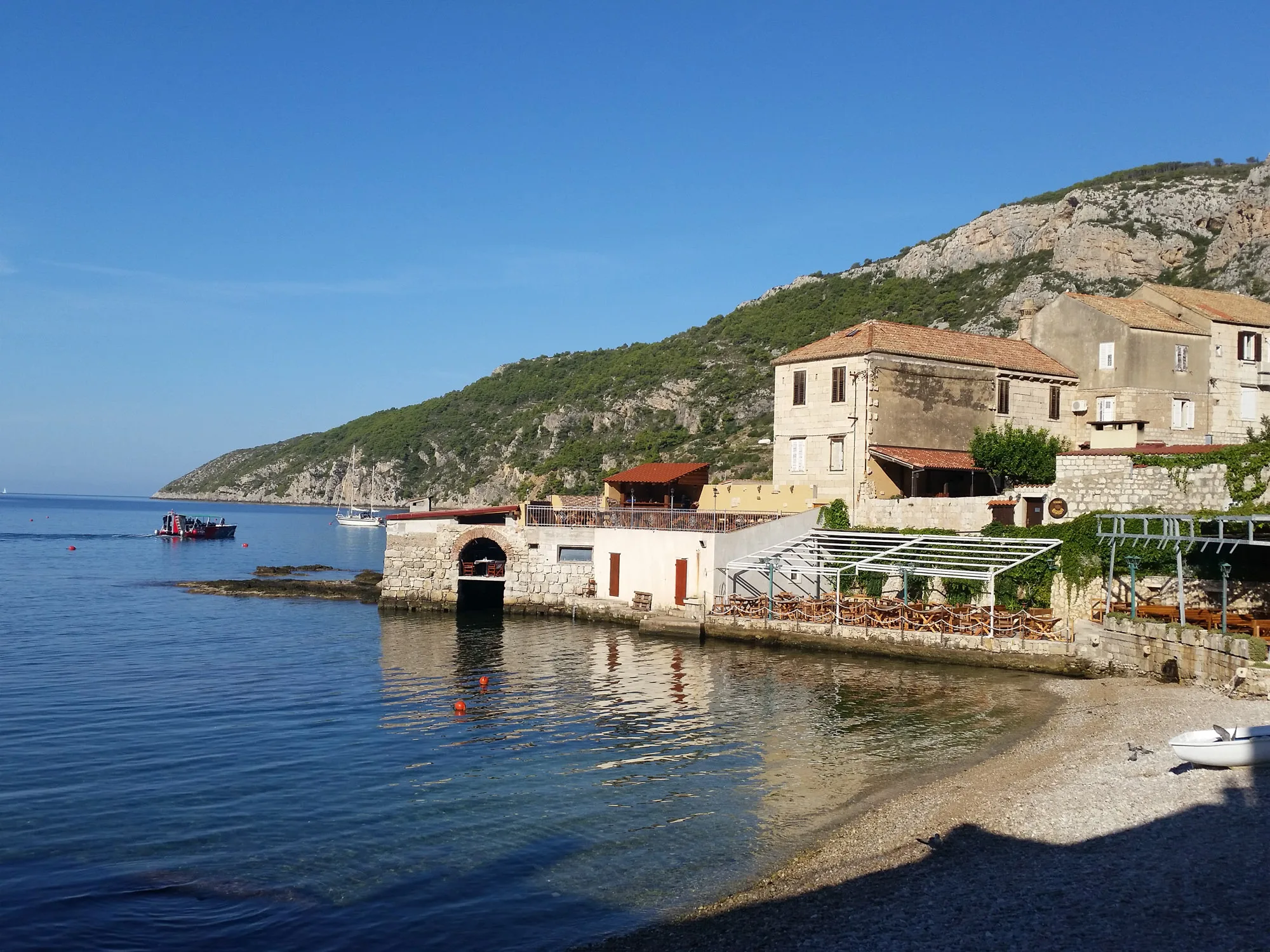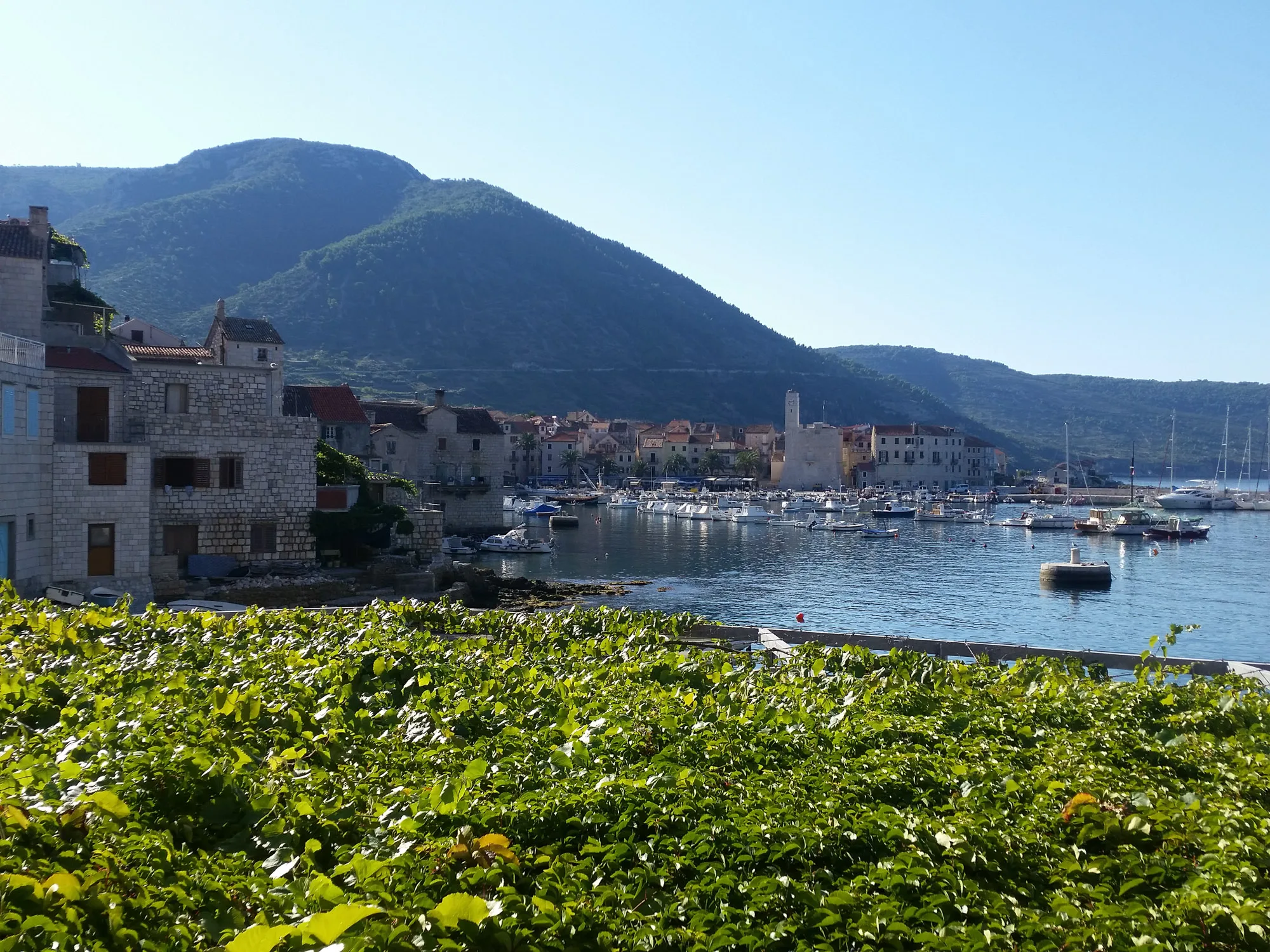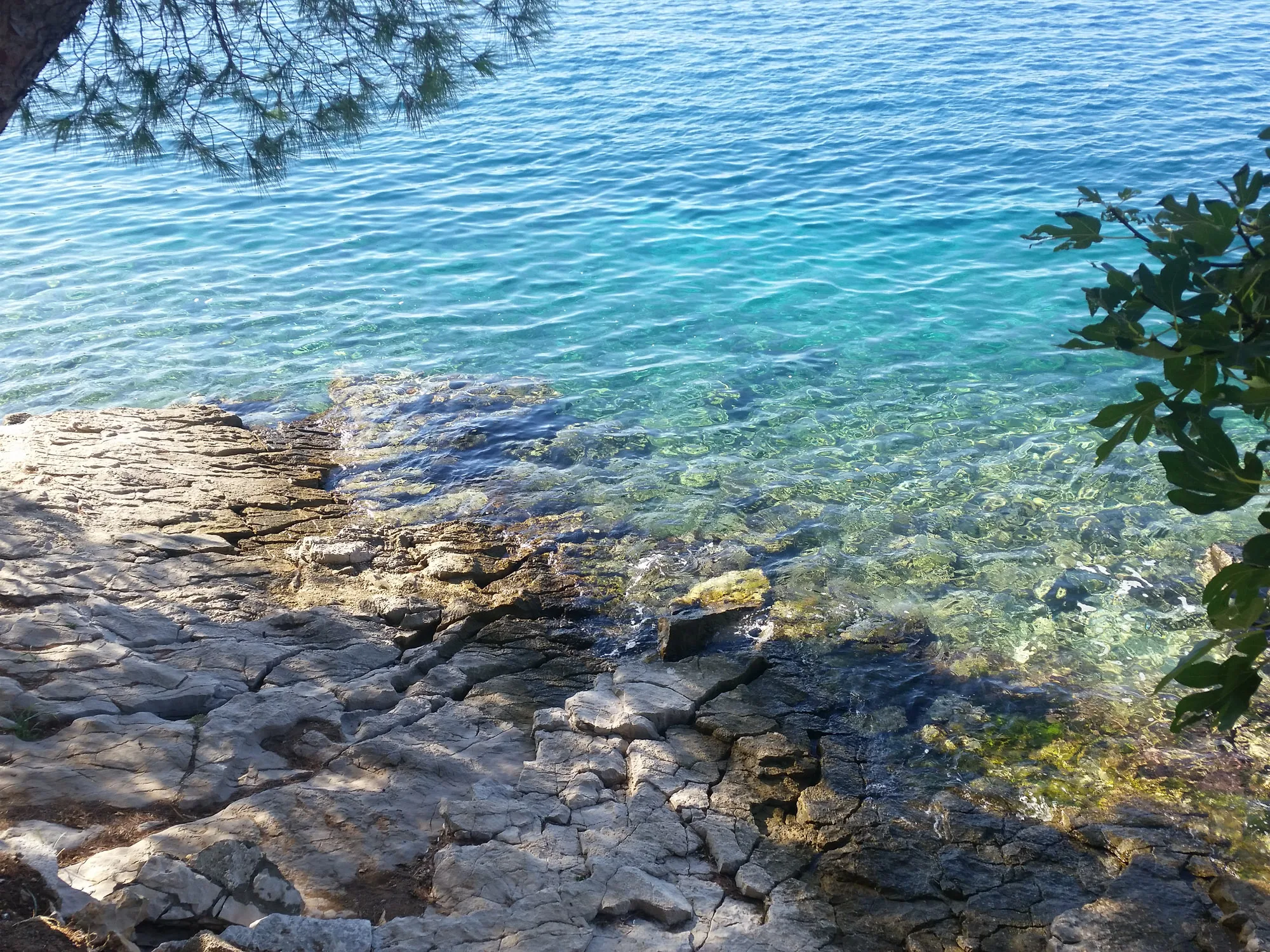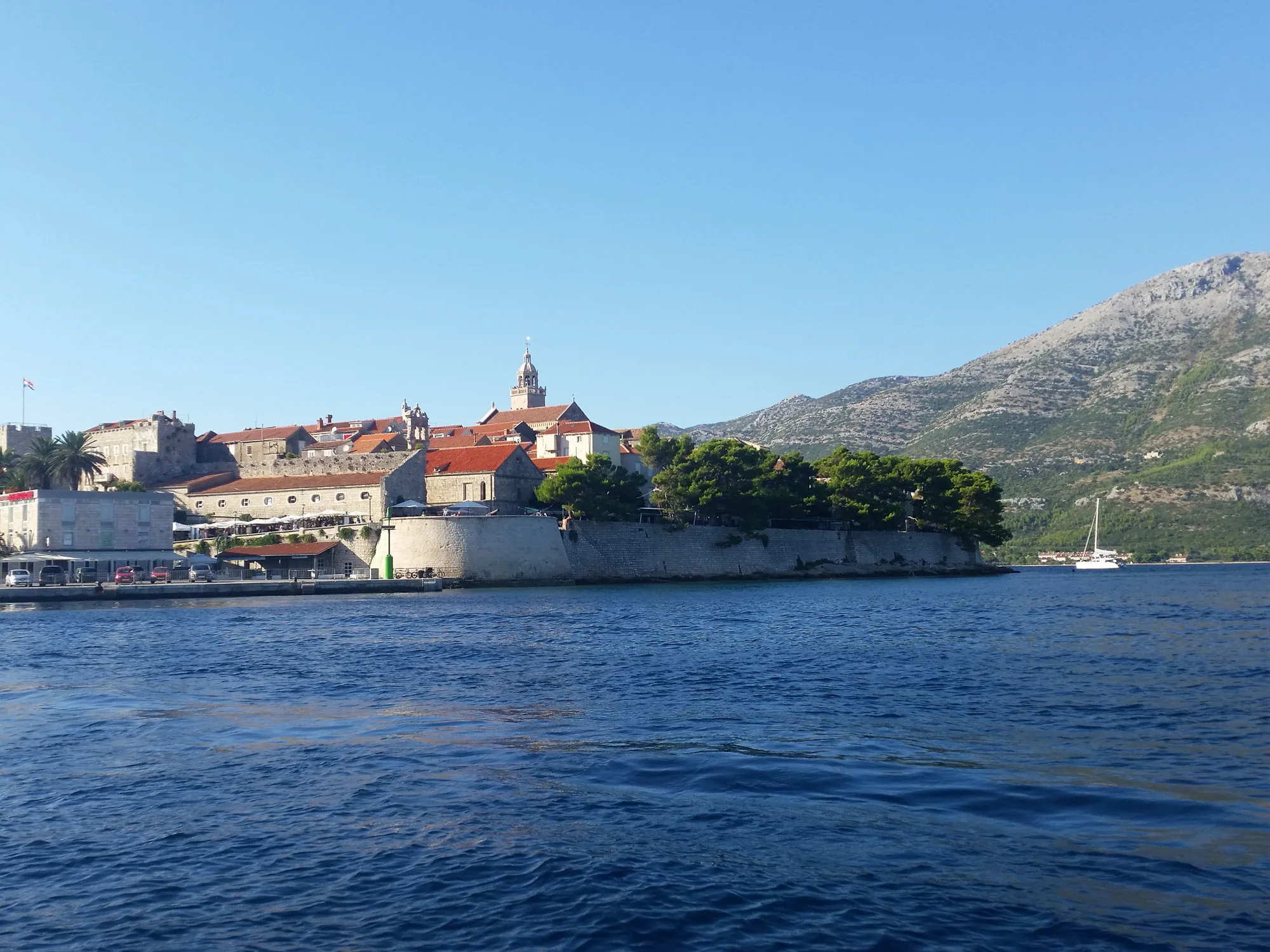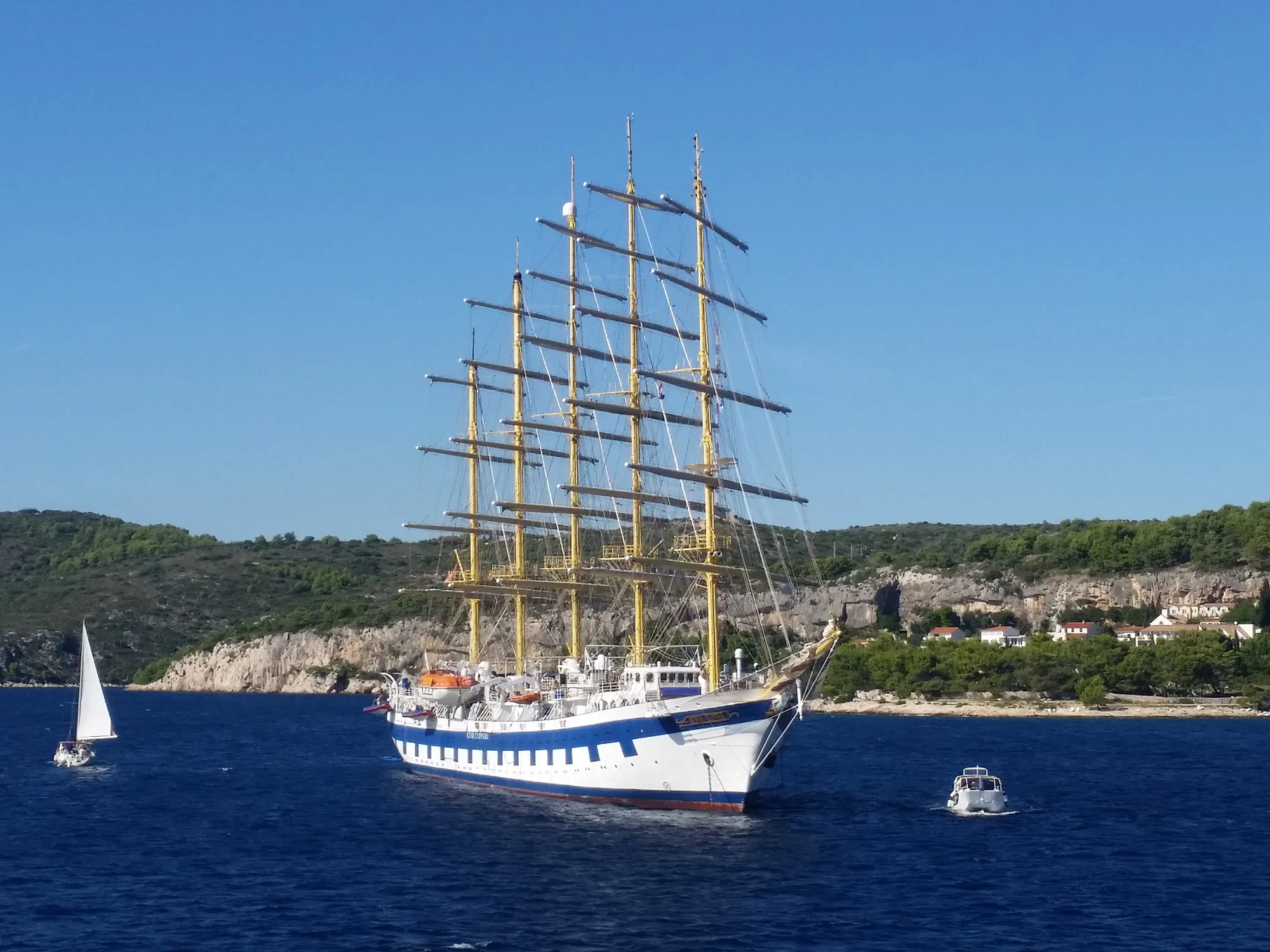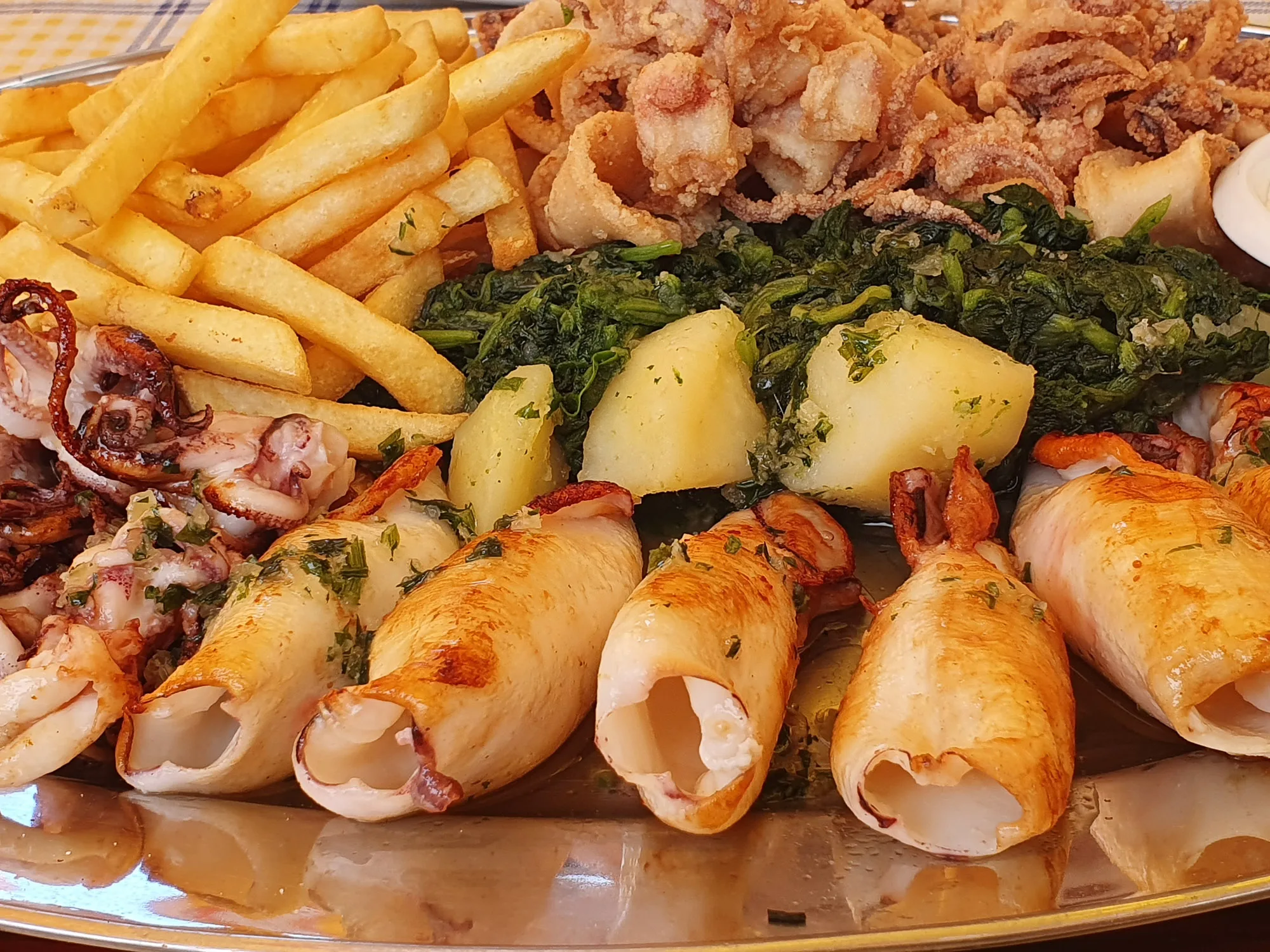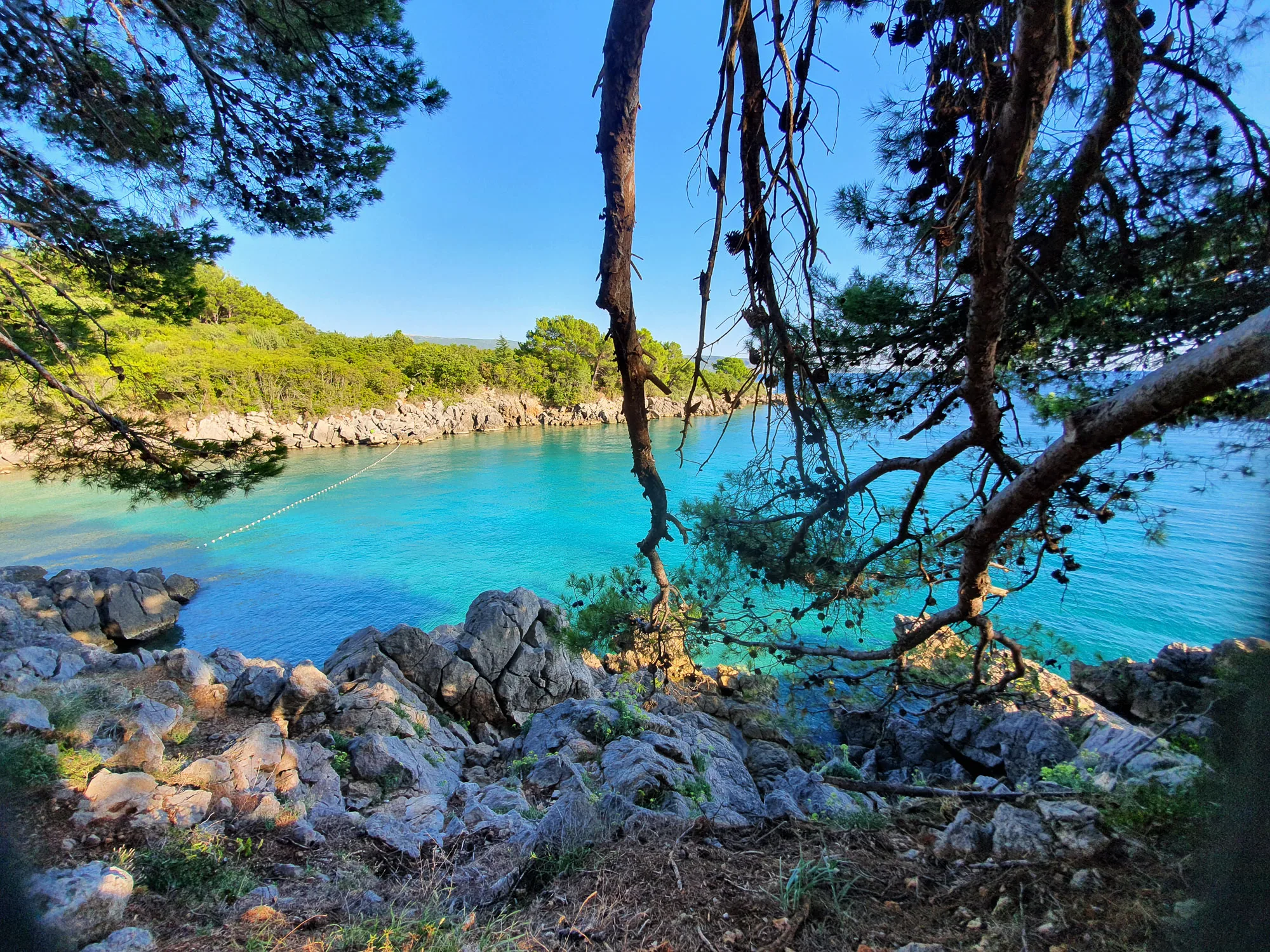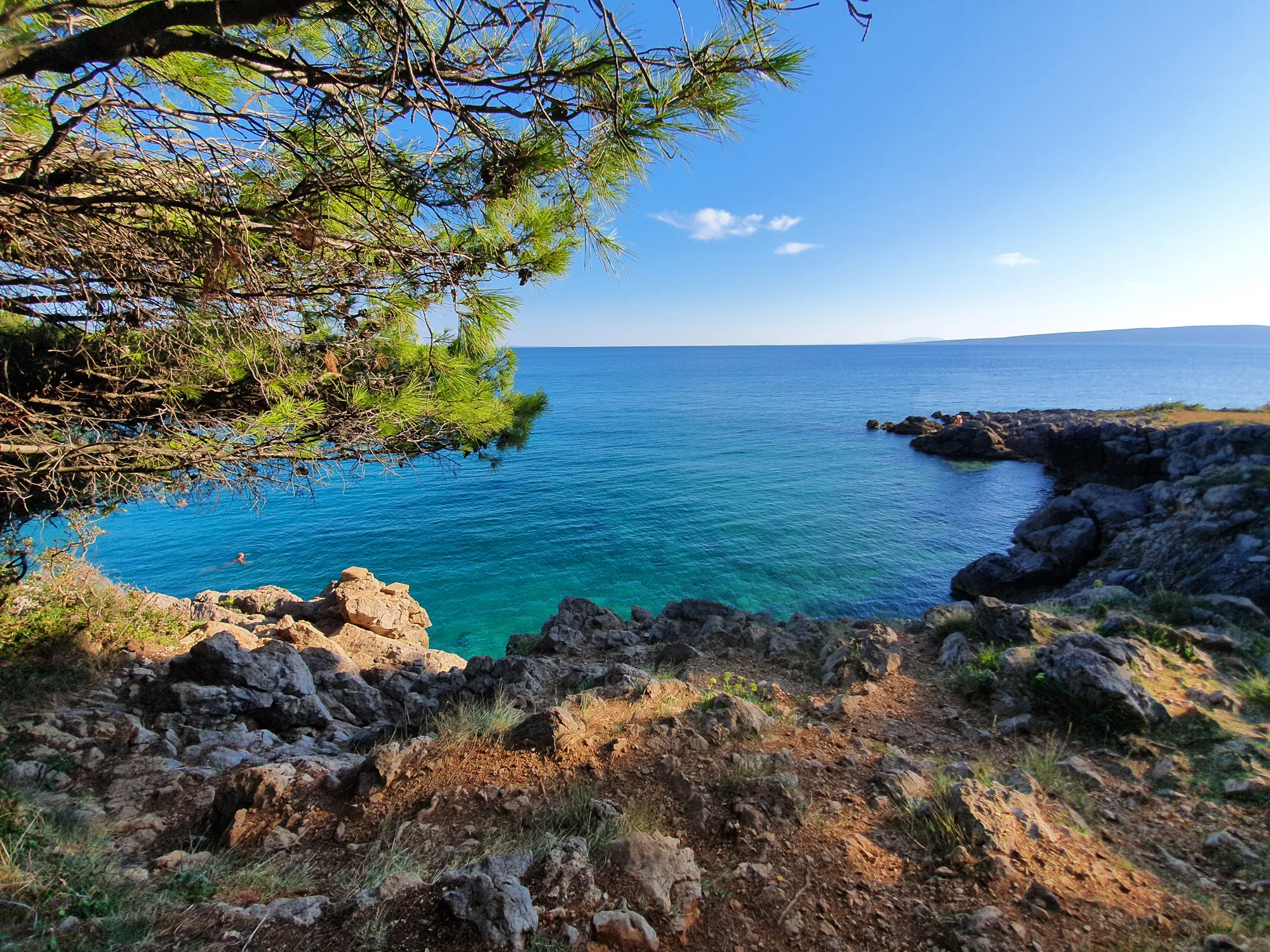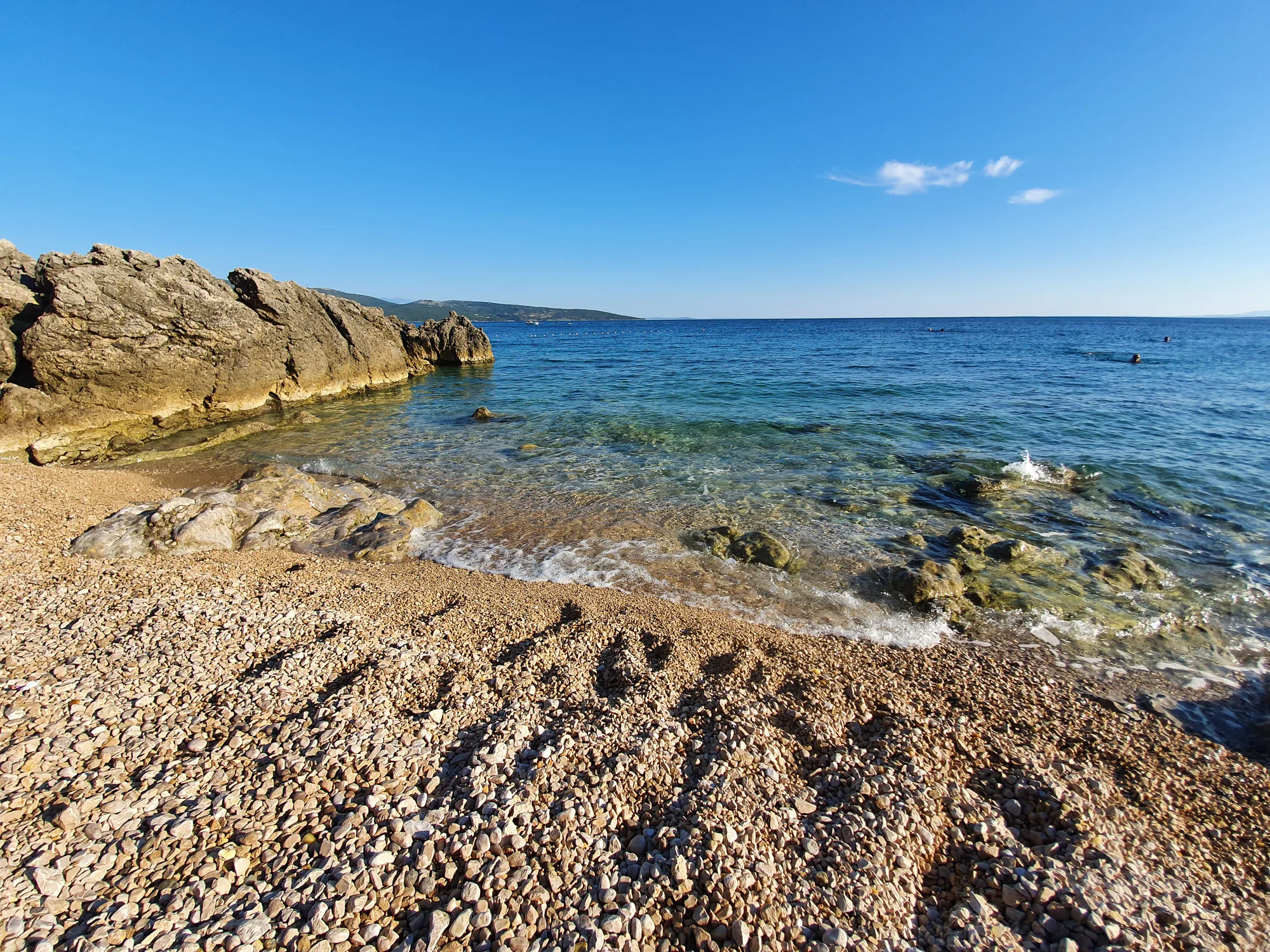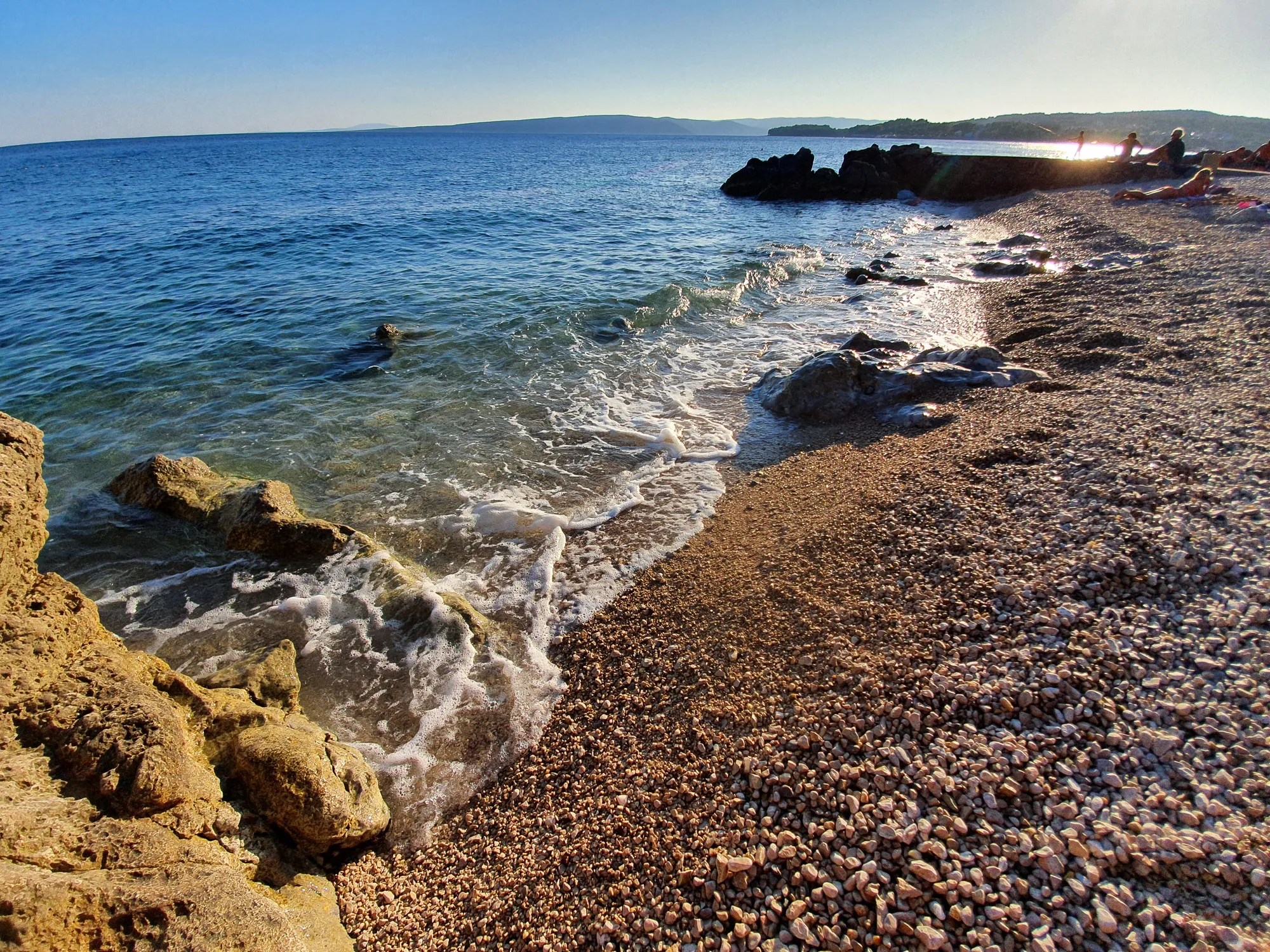
Croatia’s islands are not interchangeable. Hvar is not Vis, Krk is not Mljet, and Brač is not Dugi Otok. Some islands are easy to reach and full of towns, beaches and restaurants; others are better for hiking, sailing, quiet villages or a slower trip built around one or two places.
The smartest way to plan an island holiday is to choose by travel style first, then check the ferry connections that make sense for your route.
Which Croatian island is best for you?
- Hvar: best for historic towns, nightlife, restaurants and easy island-hopping
- Brač: best for beaches, active travel and straightforward access from Split
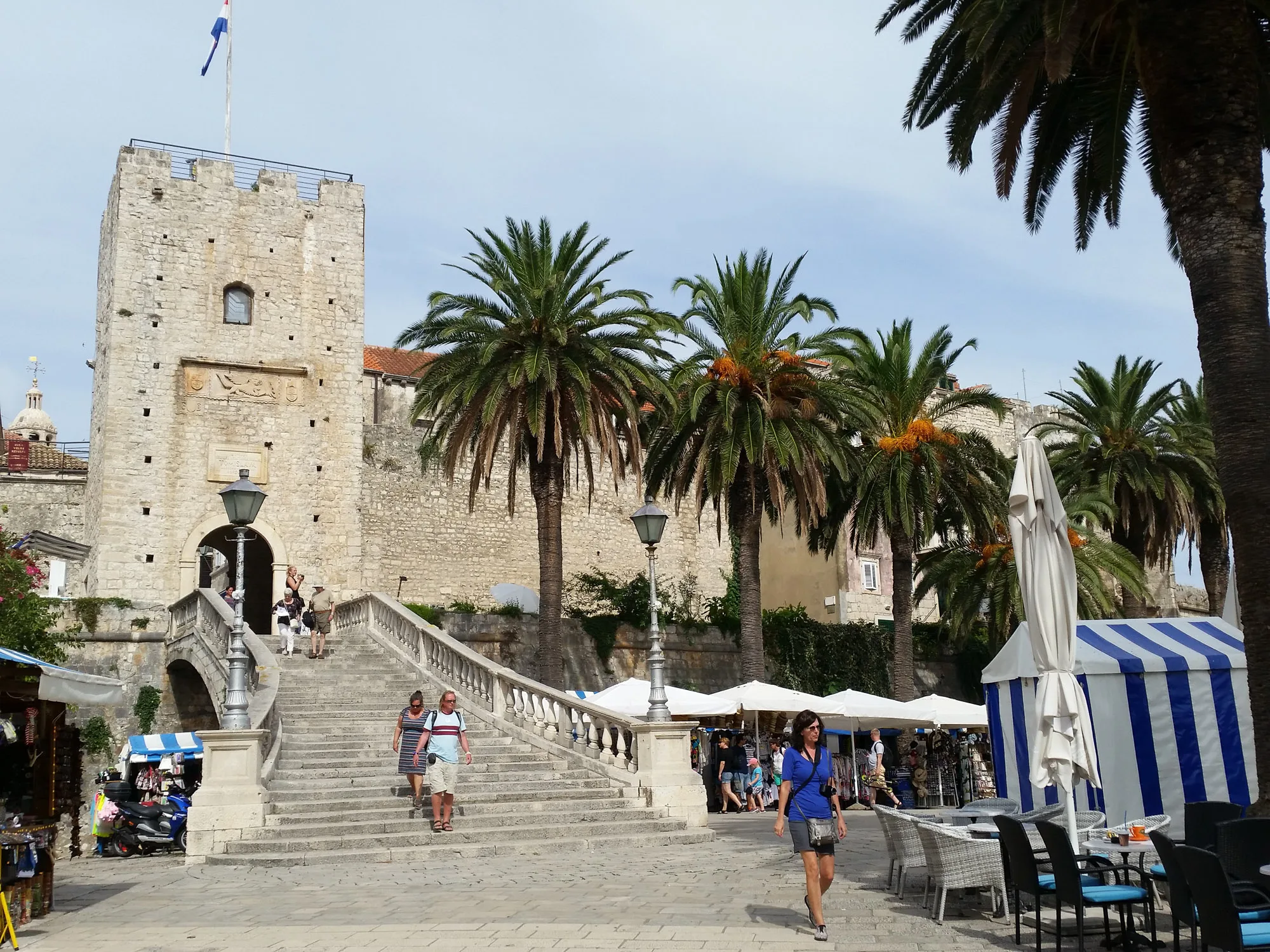
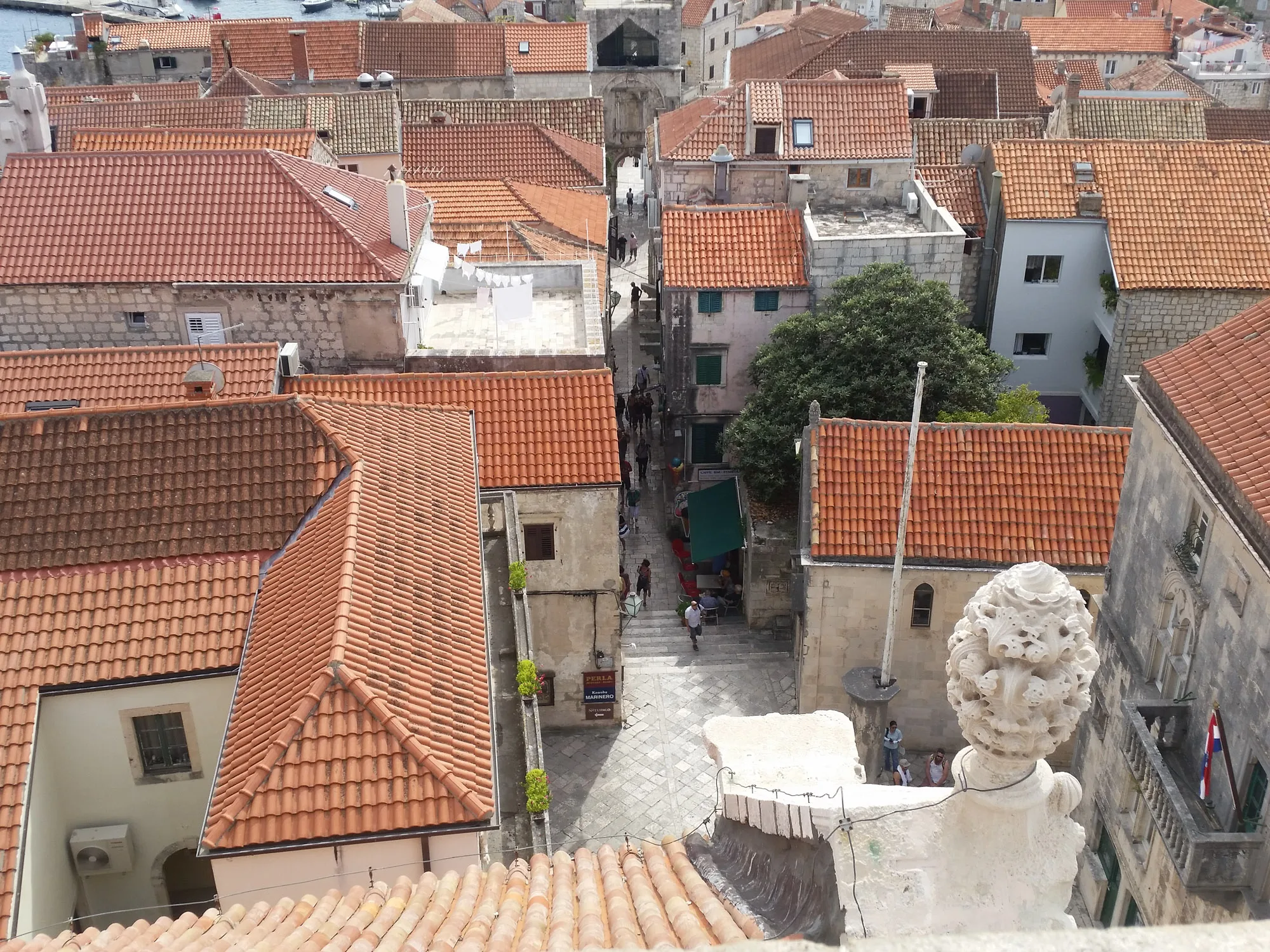
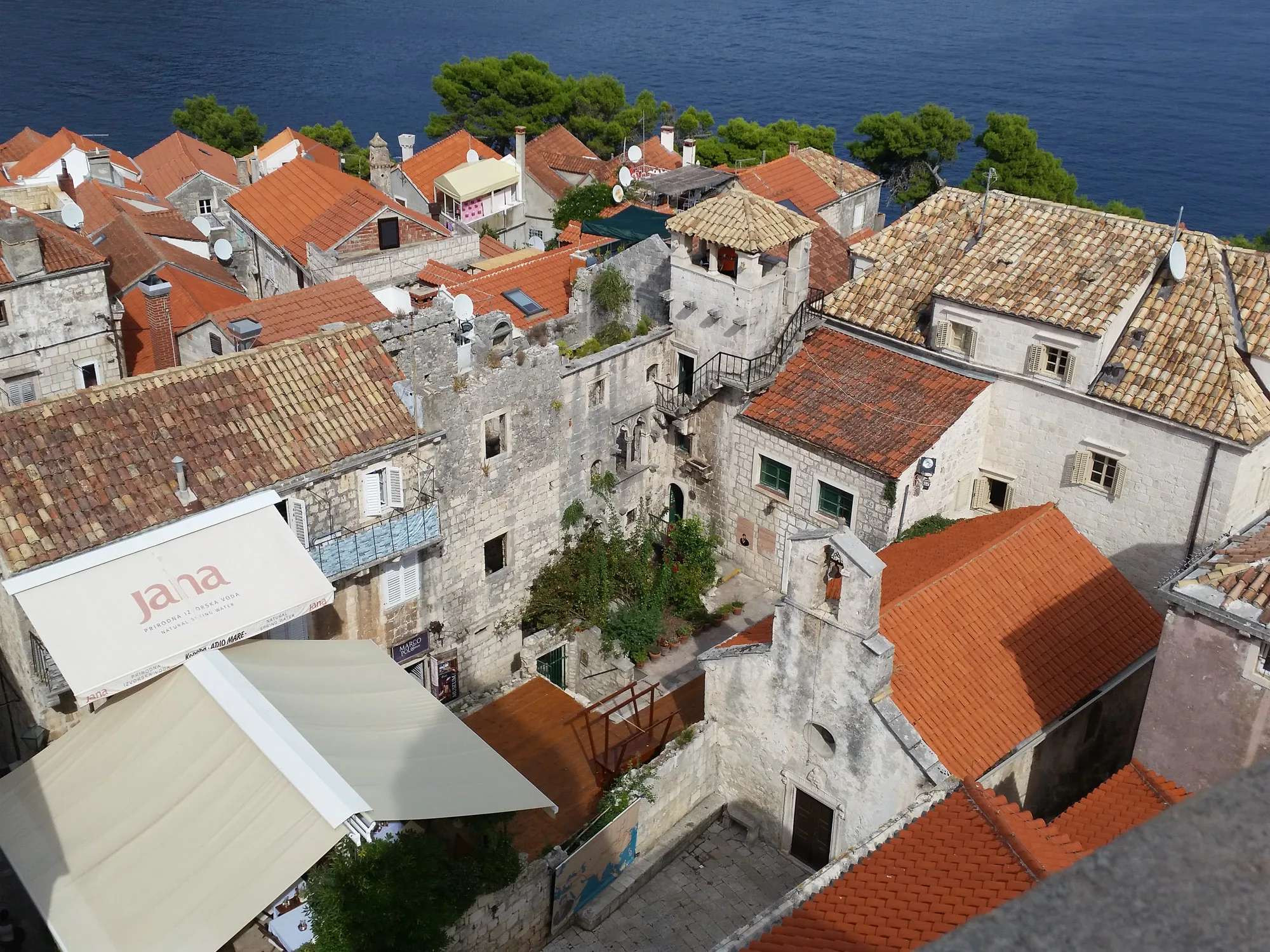
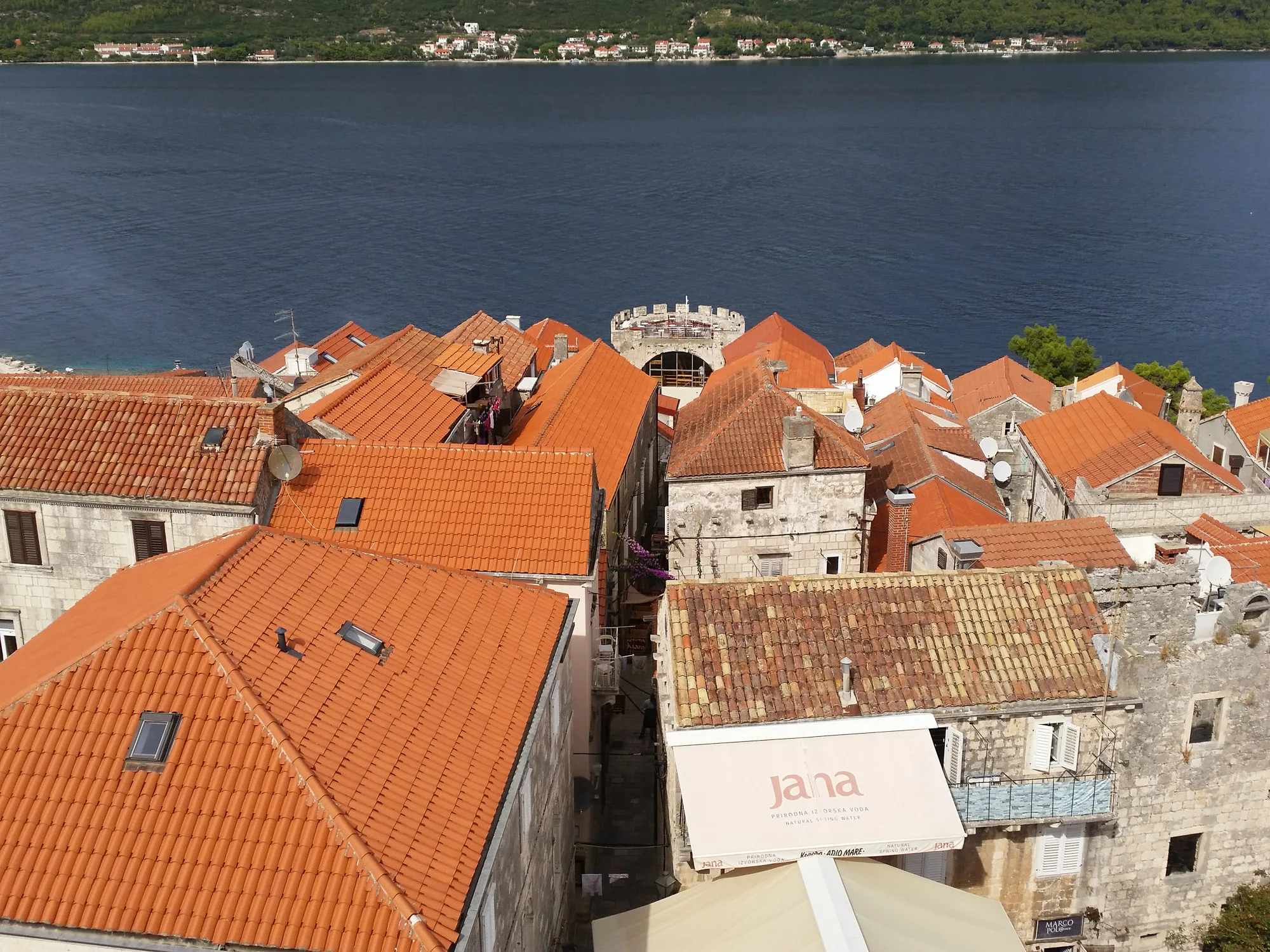
- Korčula: best for old-town atmosphere, wine, villages and a balanced island stay
- Vis: best for a slower, more remote island feel
- Mljet: best for nature, walking and a quieter southern-Dalmatian trip
- Krk: best for easy road access and first-time island visitors
- Rab: best for sandy beaches and families
- Pag: best for dramatic landscapes, food and nightlife contrasts
- Dugi Otok: best for wild scenery and northern-Dalmatian nature
- Cres: best for road trips, villages and a rugged Kvarner atmosphere
- Lošinj: best for a polished island holiday with walking and wellness
- Lastovo: best for travelers who value remoteness and dark skies
Hvar: the most versatile island for first-time visitors
Hvar works well because it offers several very different experiences on one island. Hvar Town is lively and historic, Stari Grad is calmer and older in character, Jelsa has a relaxed harbor atmosphere, and the island’s interior is filled with villages, fields and quieter roads.
Choose Hvar if you want restaurants, nightlife, boat trips and attractive towns without giving up access to coves and rural landscapes. It is also one of the easiest islands to combine with Split, Brač, Korčula or Dubrovnik on a coastal itinerary.
Brač: beaches, mountains and easy access from Split
Brač is a strong choice for travelers who want both an island holiday and practical transport. Supetar is the main arrival point from Split, while Bol on the south side is home to Zlatni Rat and sits beneath Vidova Gora, the highest point on the Adriatic islands.
The island is larger and more varied than many first-time visitors expect. A car is useful if you want to explore villages, viewpoints and multiple beaches, but a short stay focused on one base can work without one.
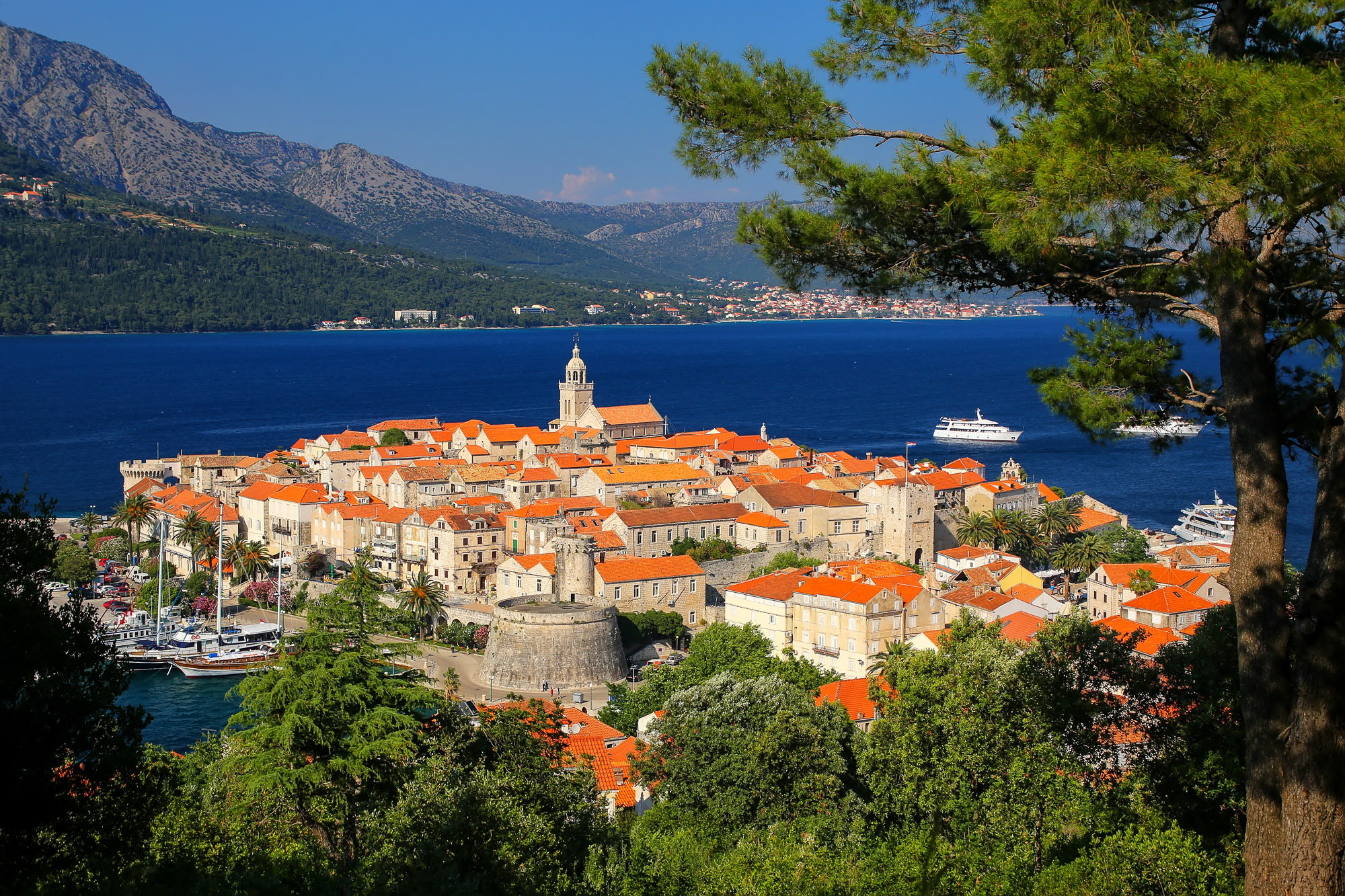
Korčula: old towns, wine and villages
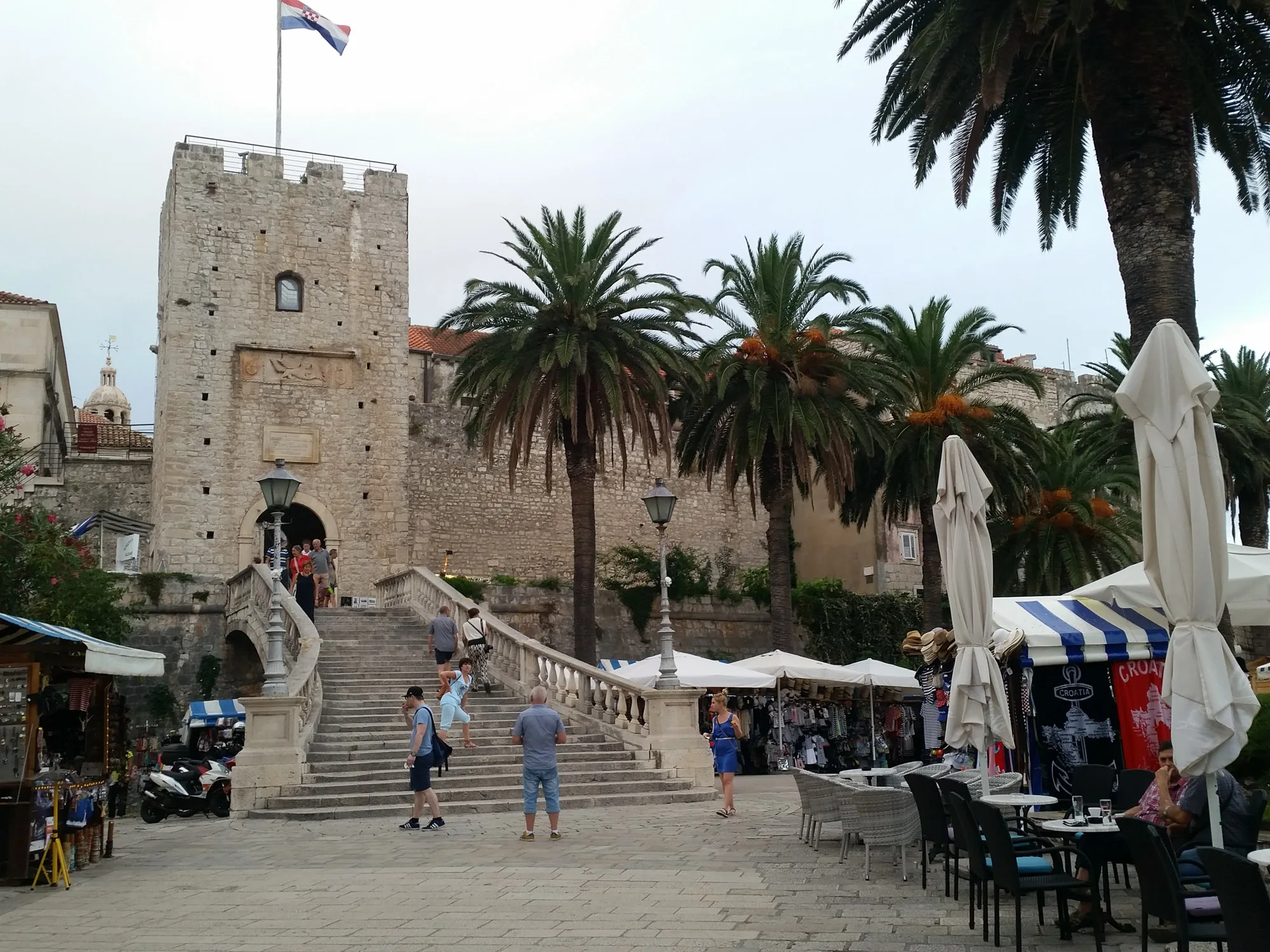
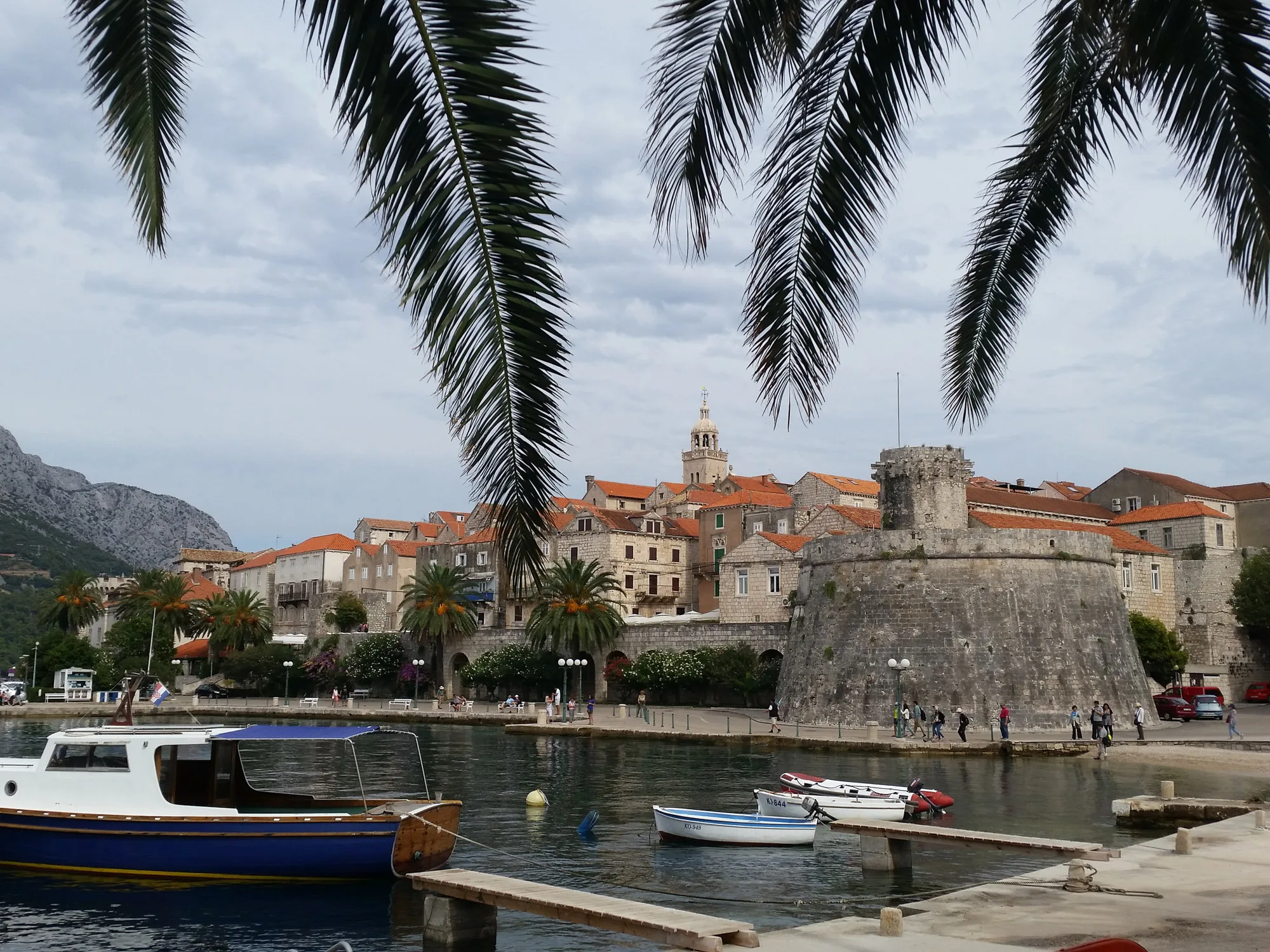
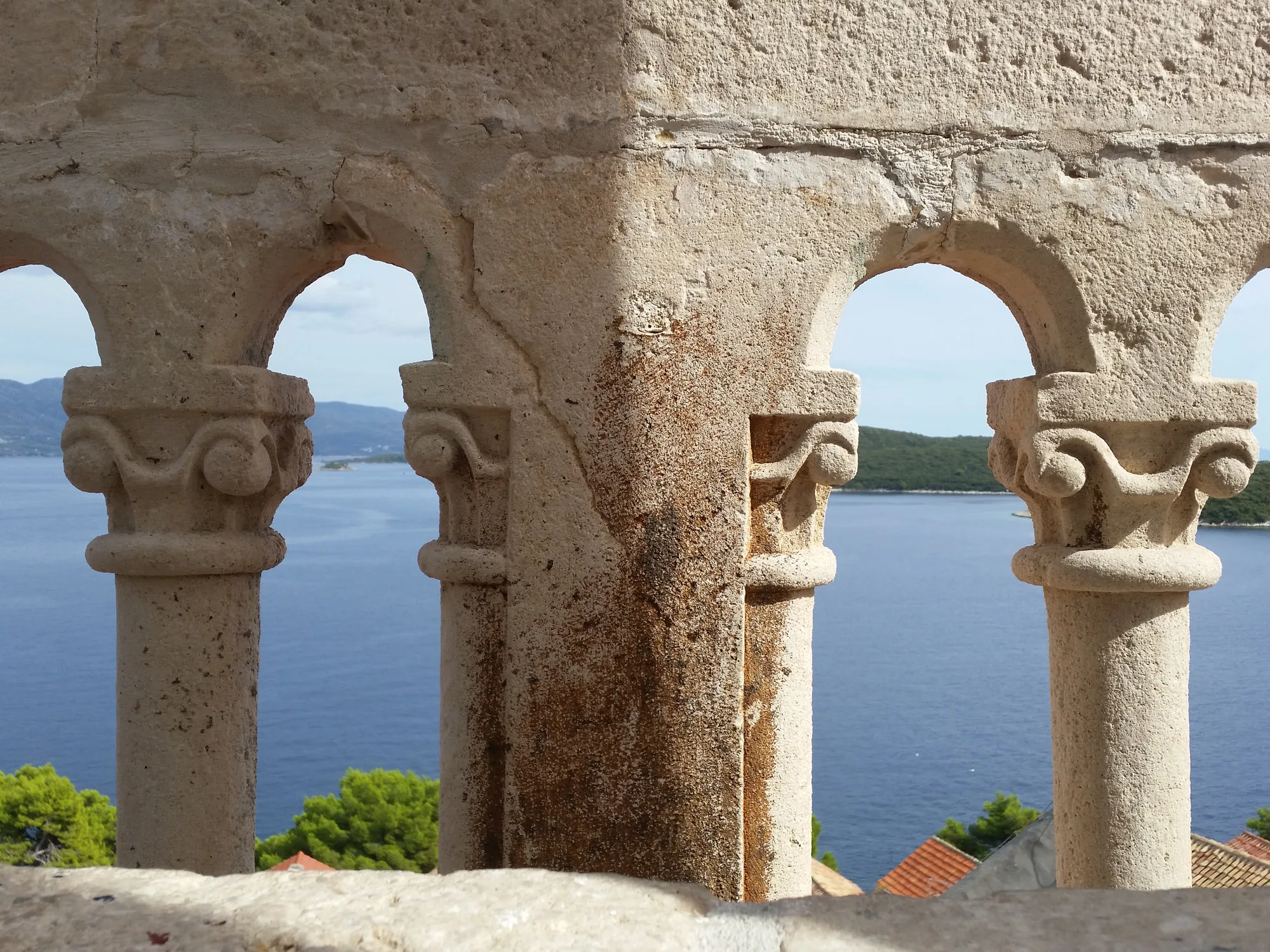
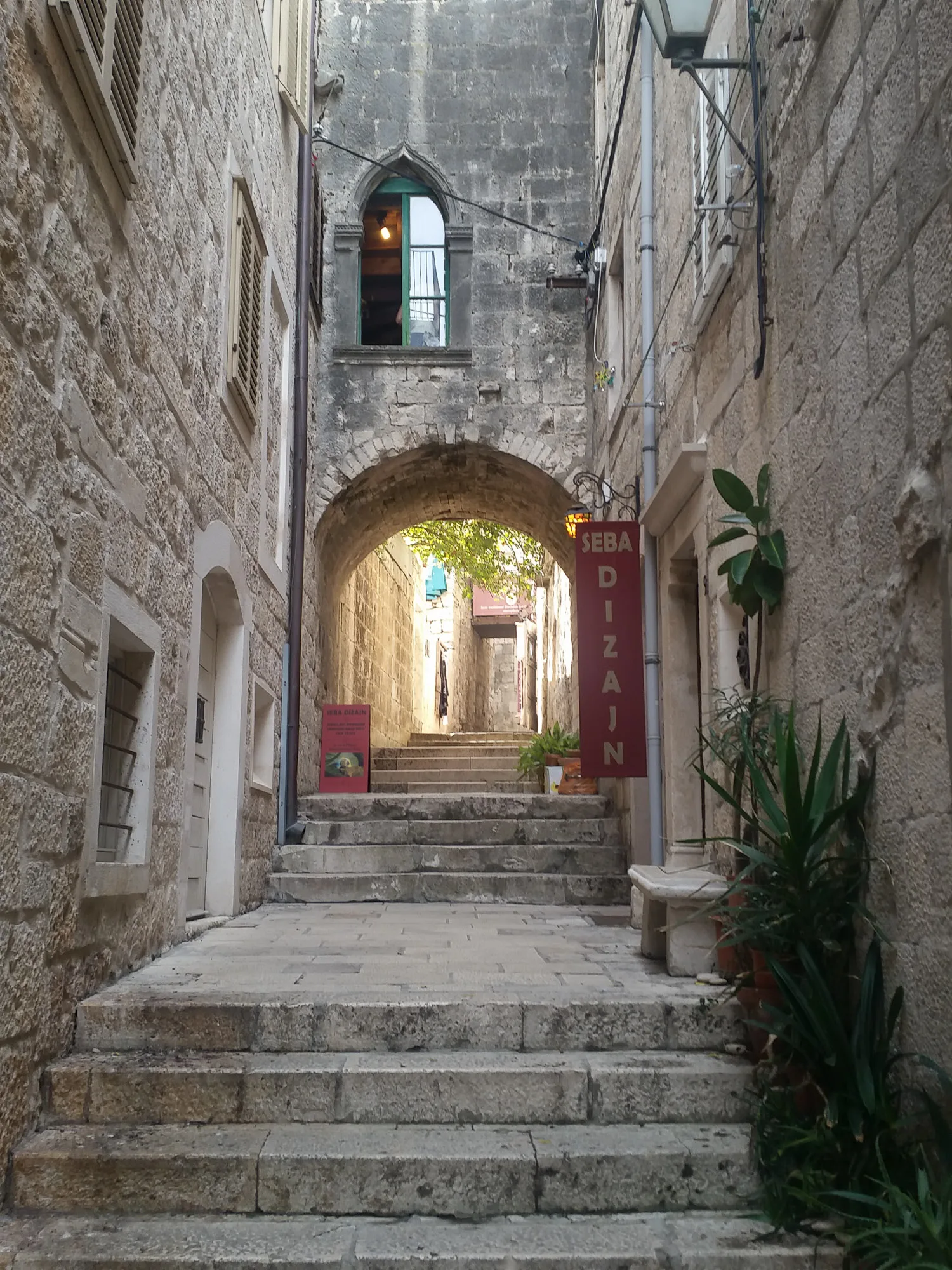
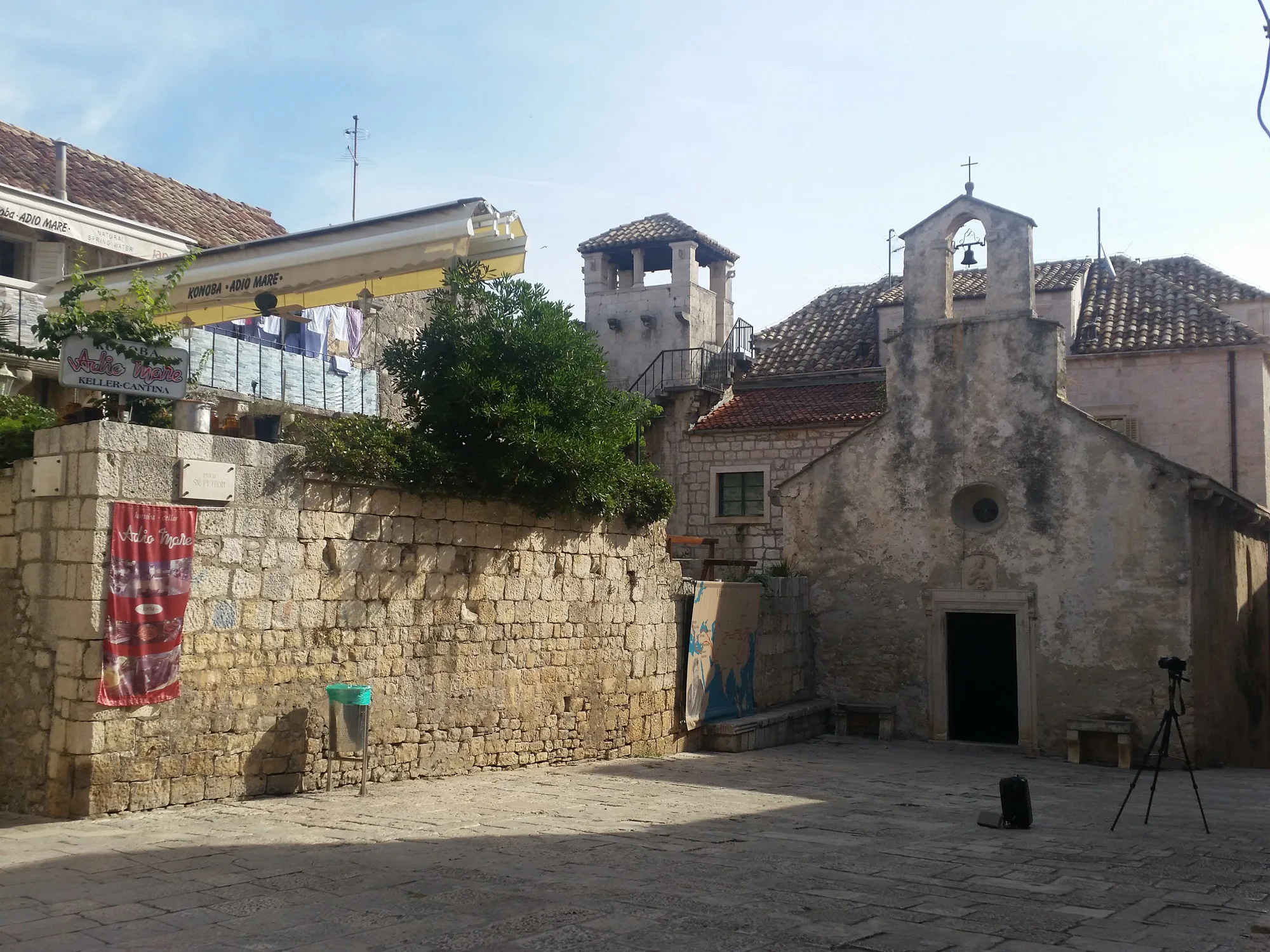
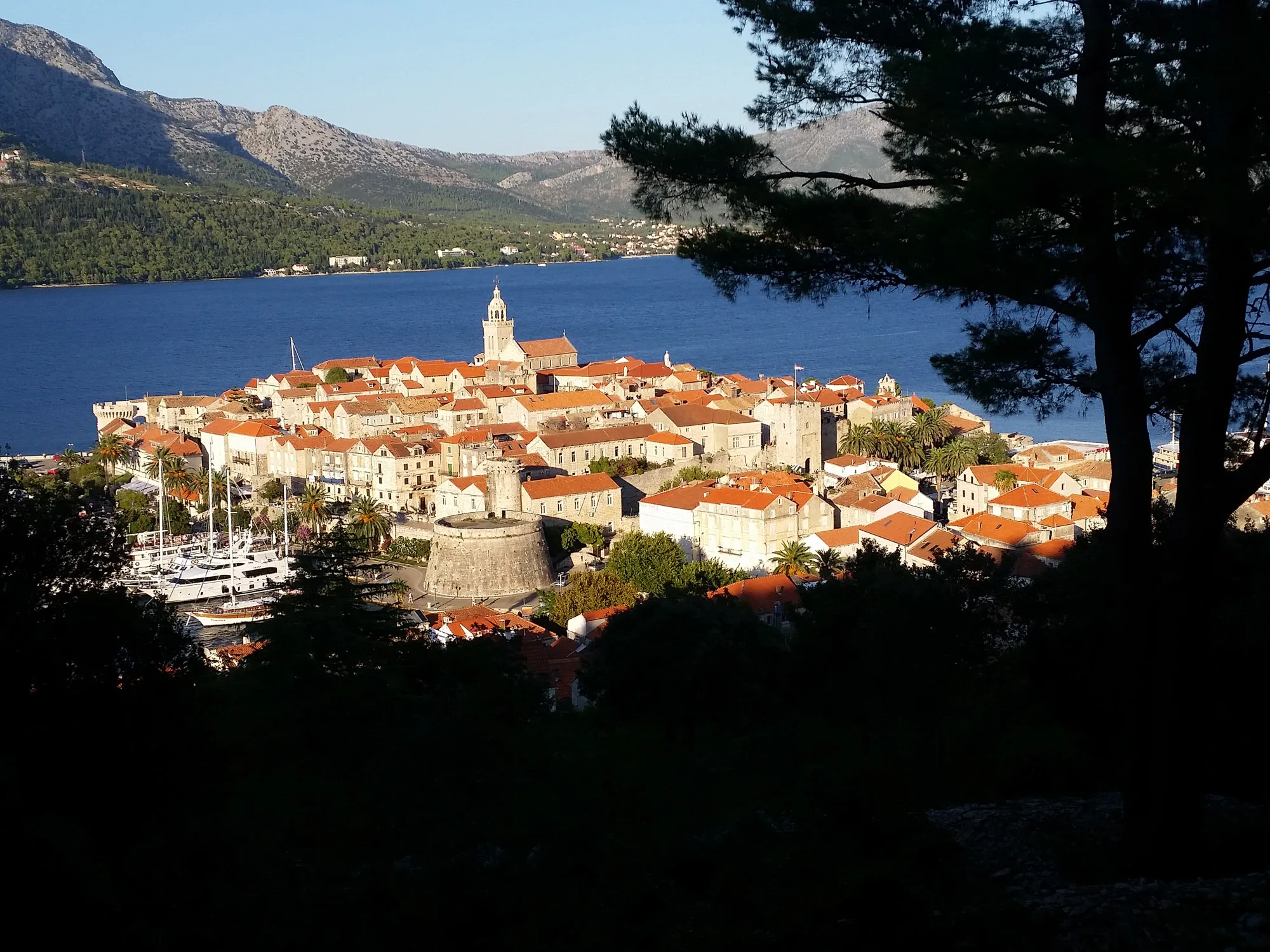
Korčula offers one of the best balances of culture, beaches, food and landscapes. Korčula Town has a compact fortified historic center, while Lumbarda is known for beaches and vineyards. Farther west, Vela Luka gives you a different, more spacious side of the island.
This is a particularly good island for travelers who want more than a beach holiday but do not need a major nightlife scene.
Vis: for a slower island trip
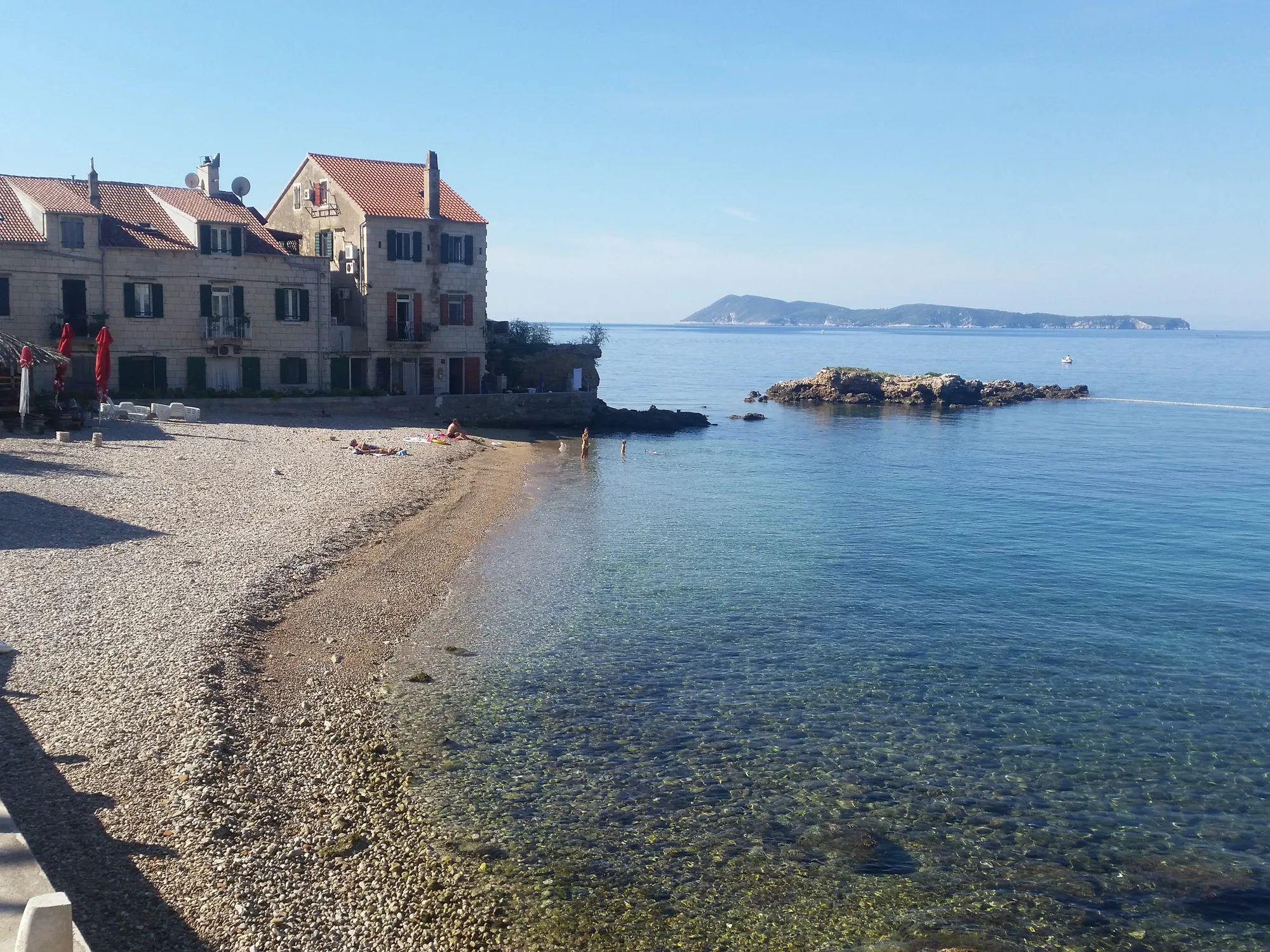
Vis lies farther offshore than many of Croatia’s most visited islands. Its relative distance helped preserve a distinctive atmosphere, and the island still feels more removed from the mainland than Hvar or Brač.
Vis Town and Komiža make good bases, while coves, viewpoints and boat trips are the main reasons to explore beyond them. Stiniva is the island’s most famous beach, but the best Vis trips are not built around a single attraction.
Mljet: nature first
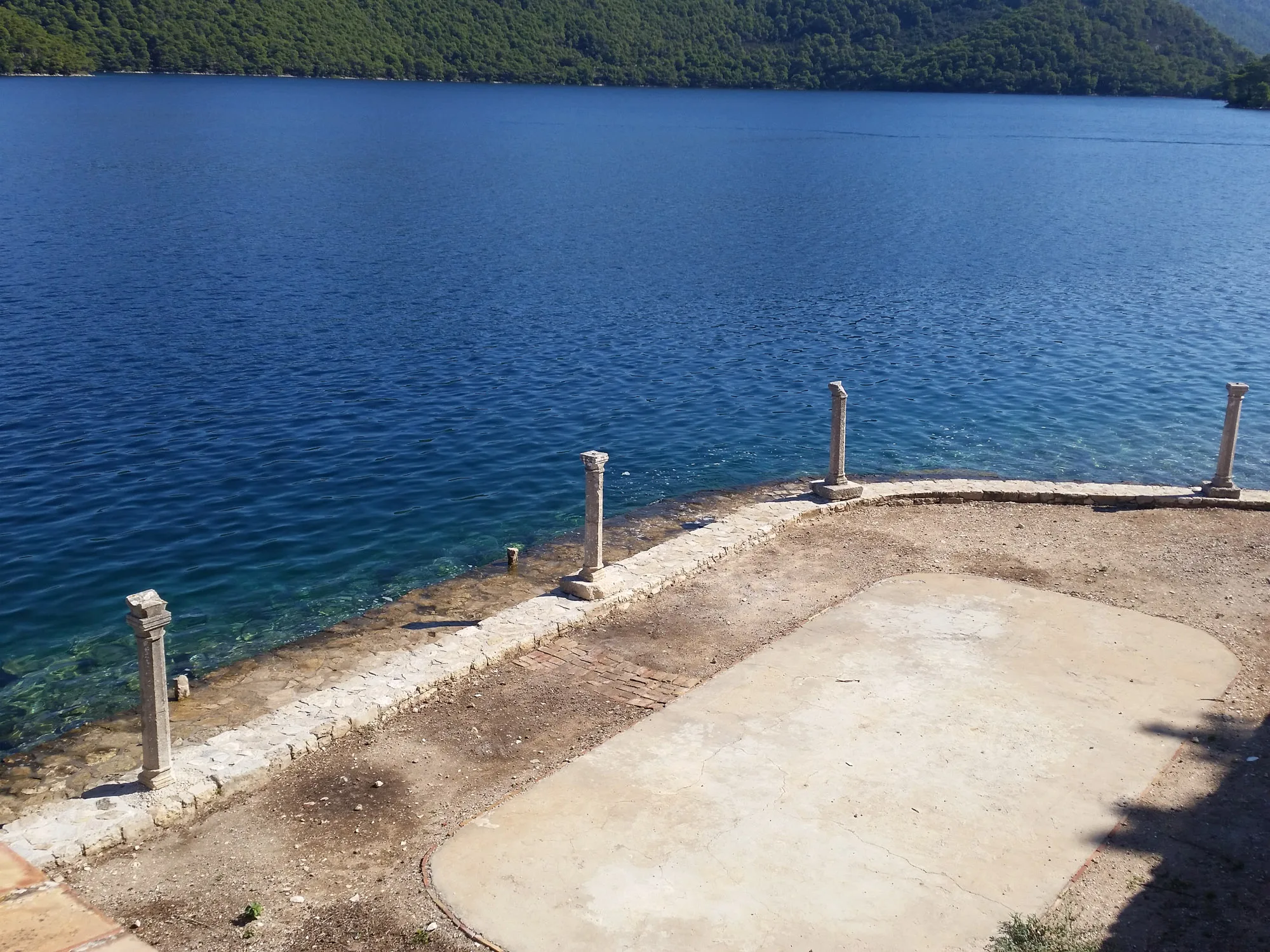
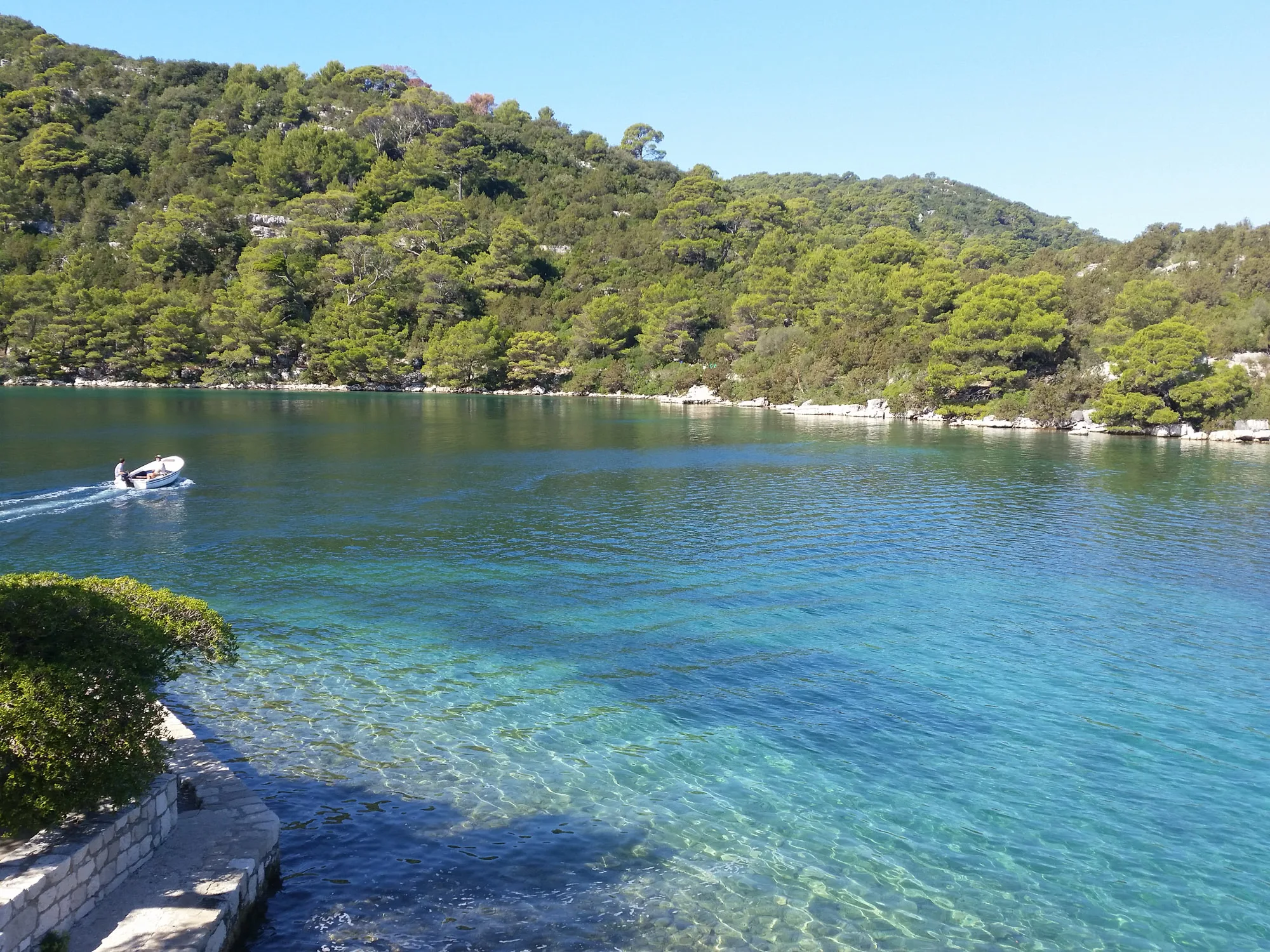
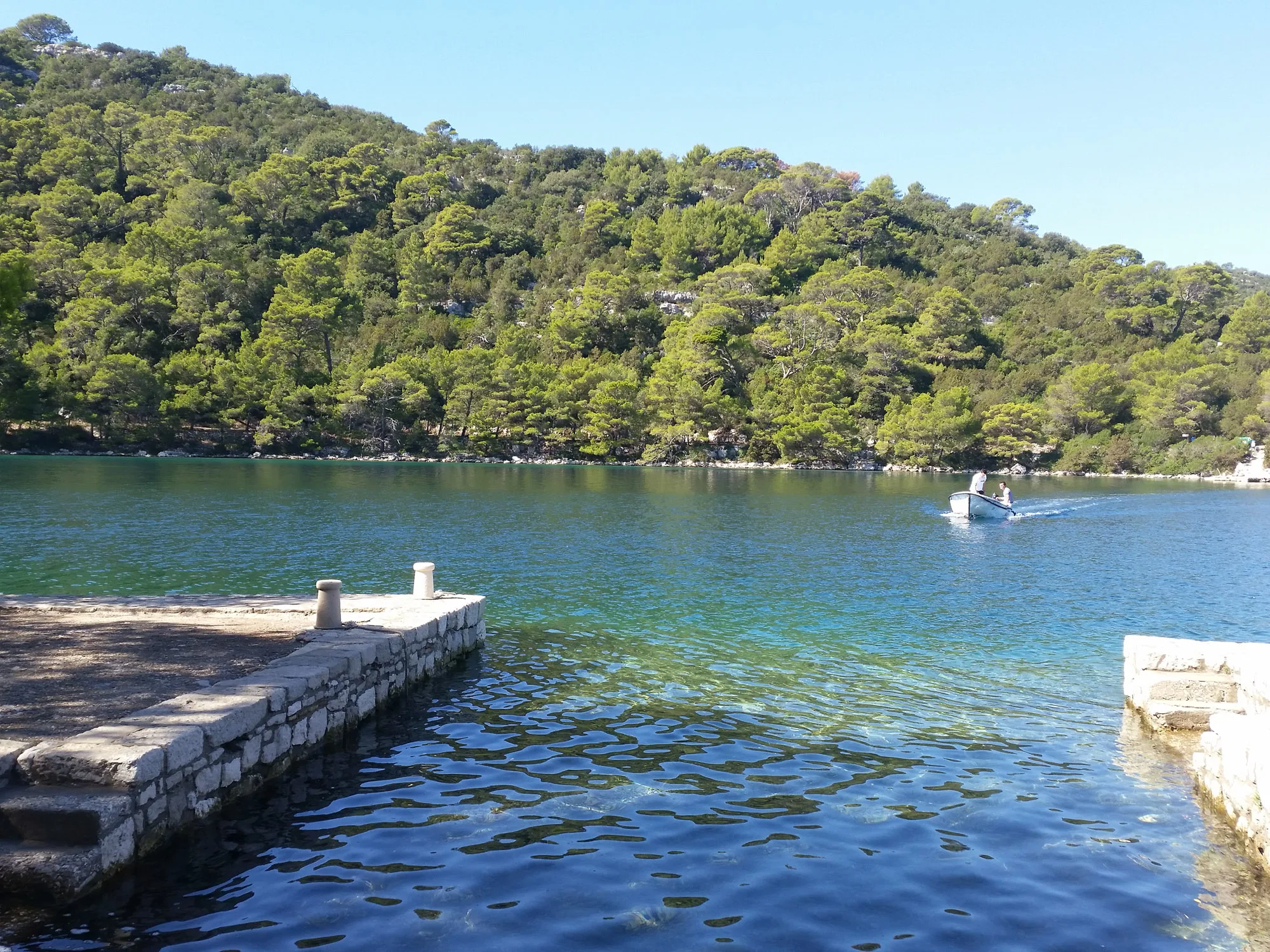
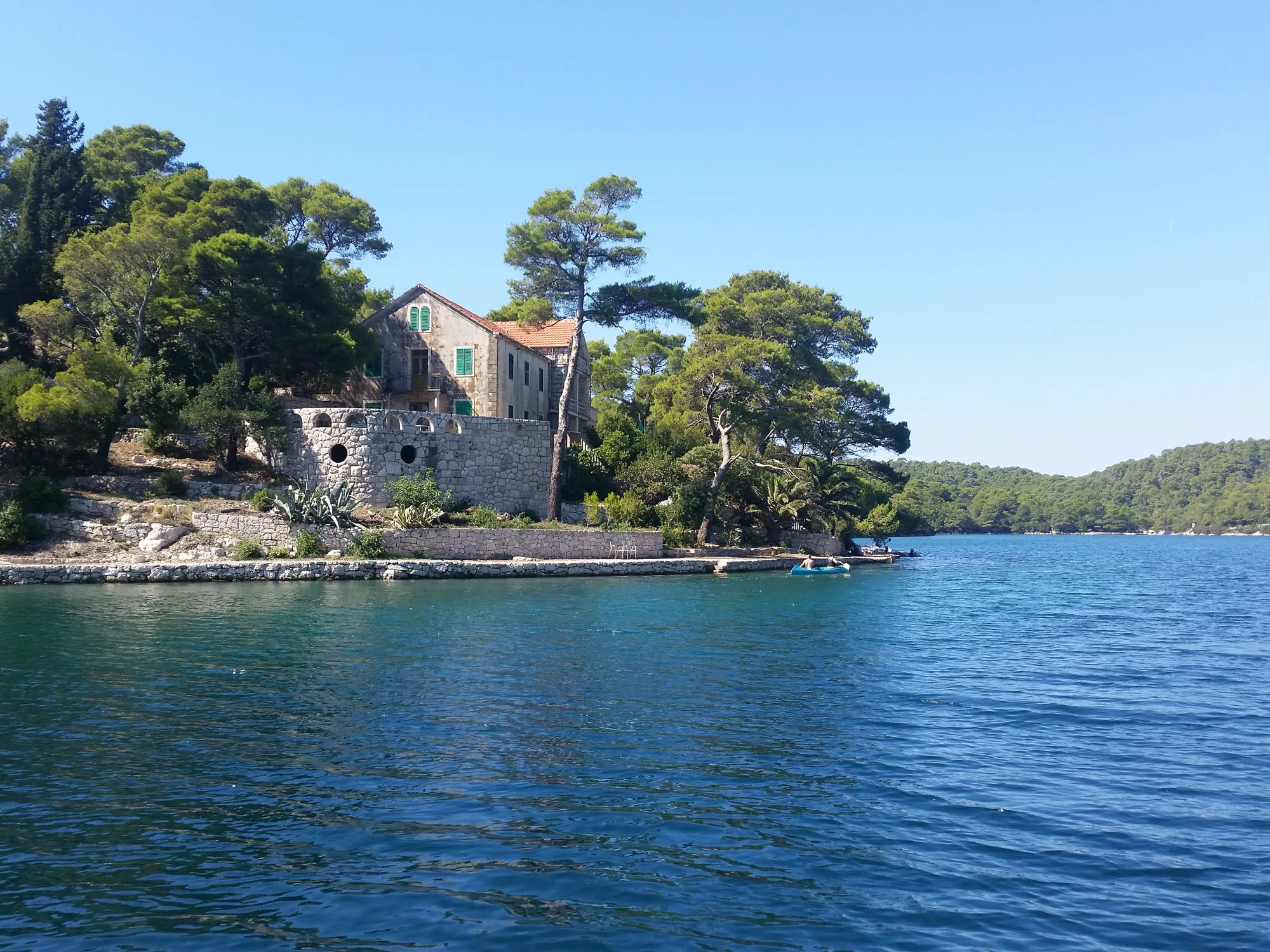
Mljet is the right choice if forest, walking, swimming and a slower pace matter more than shopping or nightlife. The western part of the island contains Mljet National Park and its saltwater lakes, while villages and beaches are spread along the rest of the island.
It works best with at least a couple of nights. Trying to reduce Mljet to a rushed day trip misses much of what makes the island special.
Krk: one of the easiest islands to reach
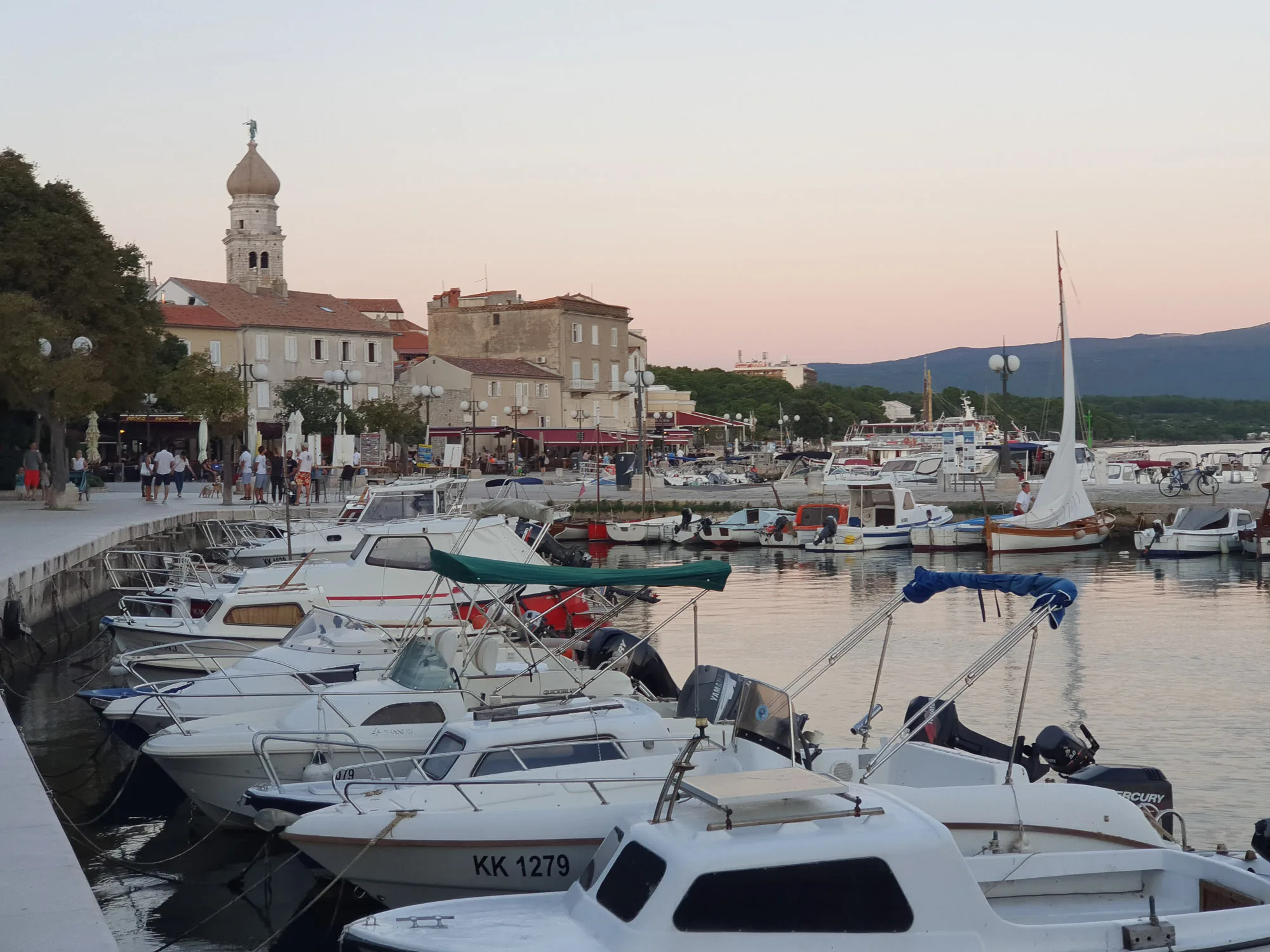
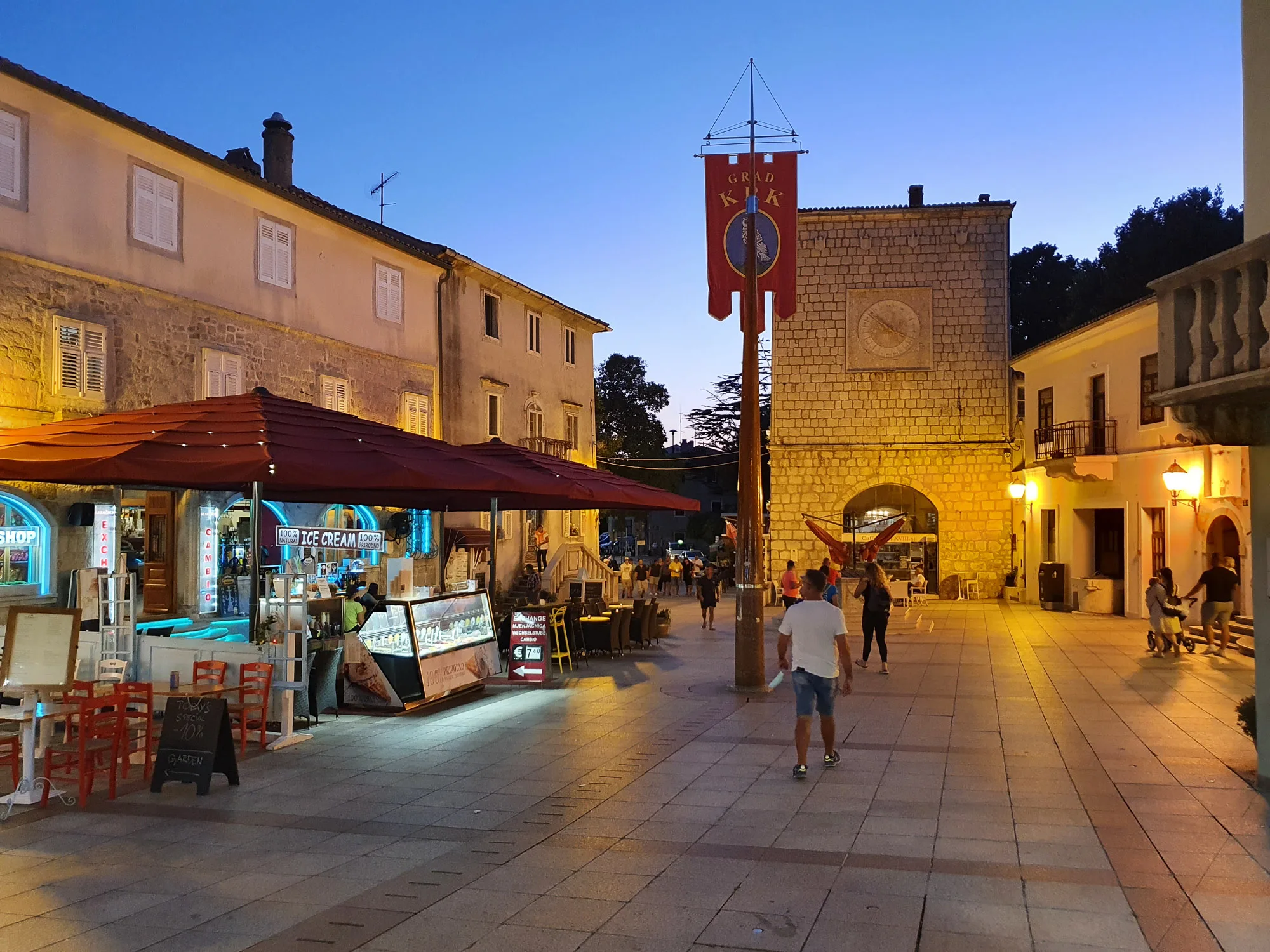
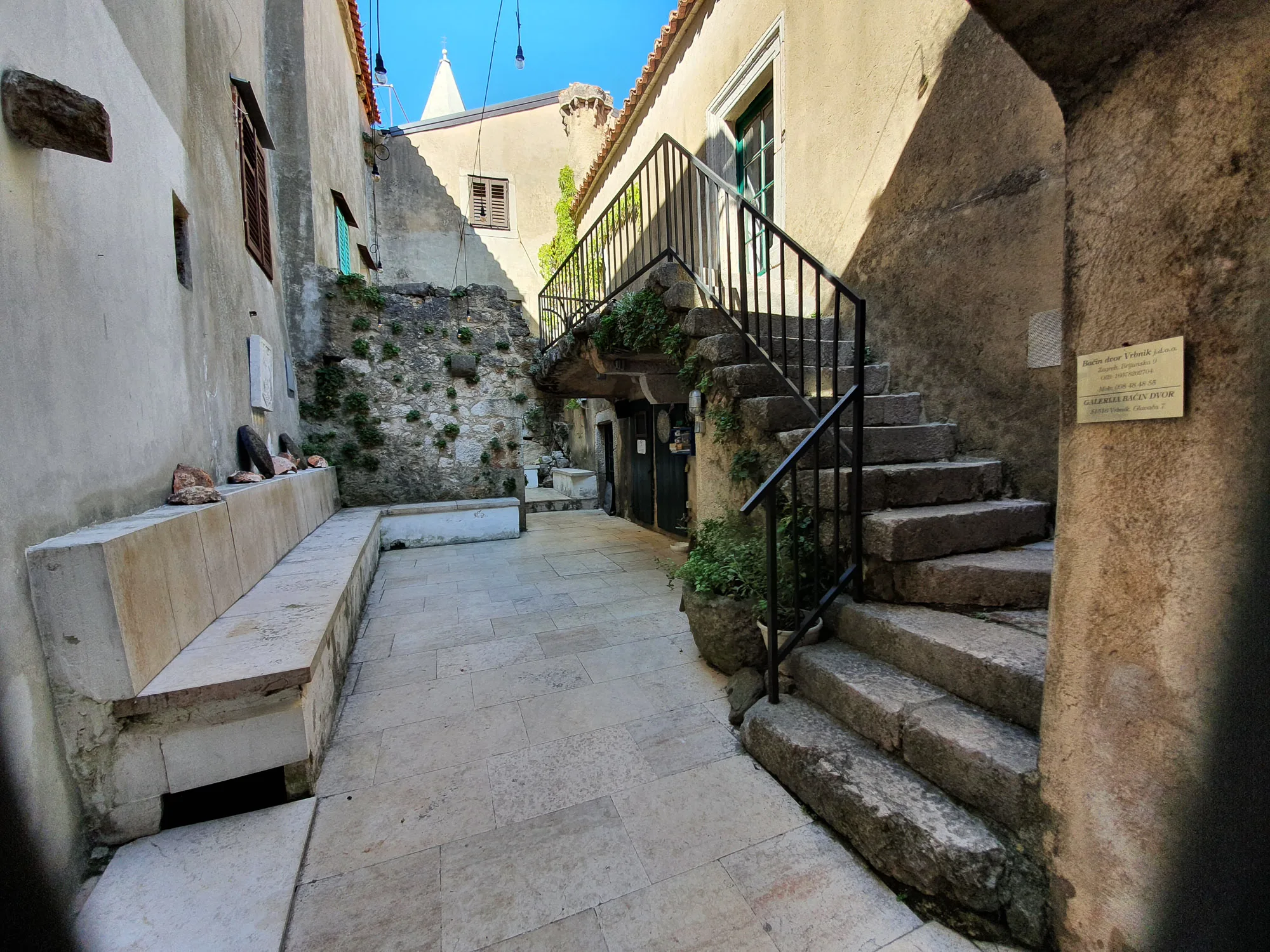
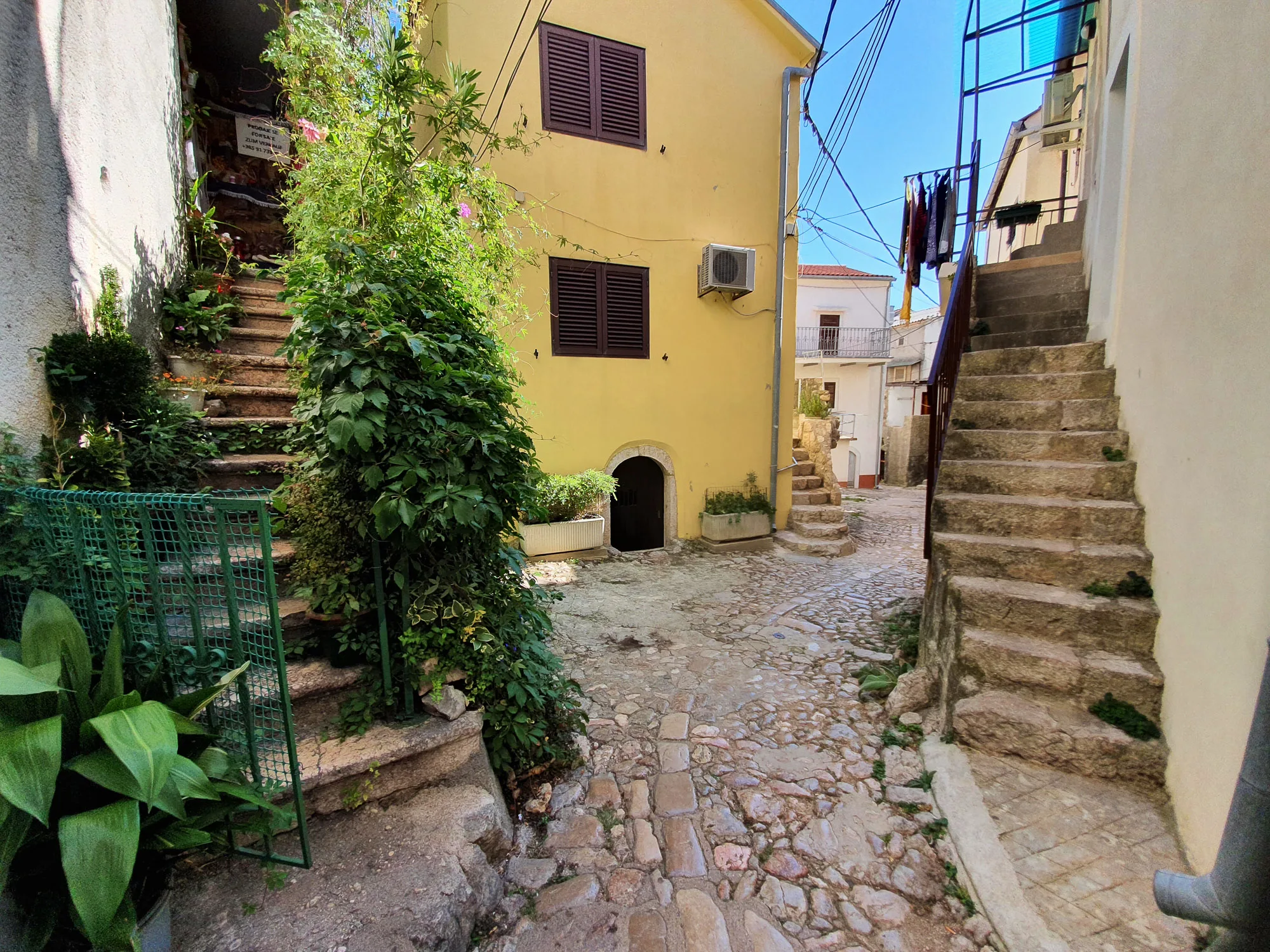
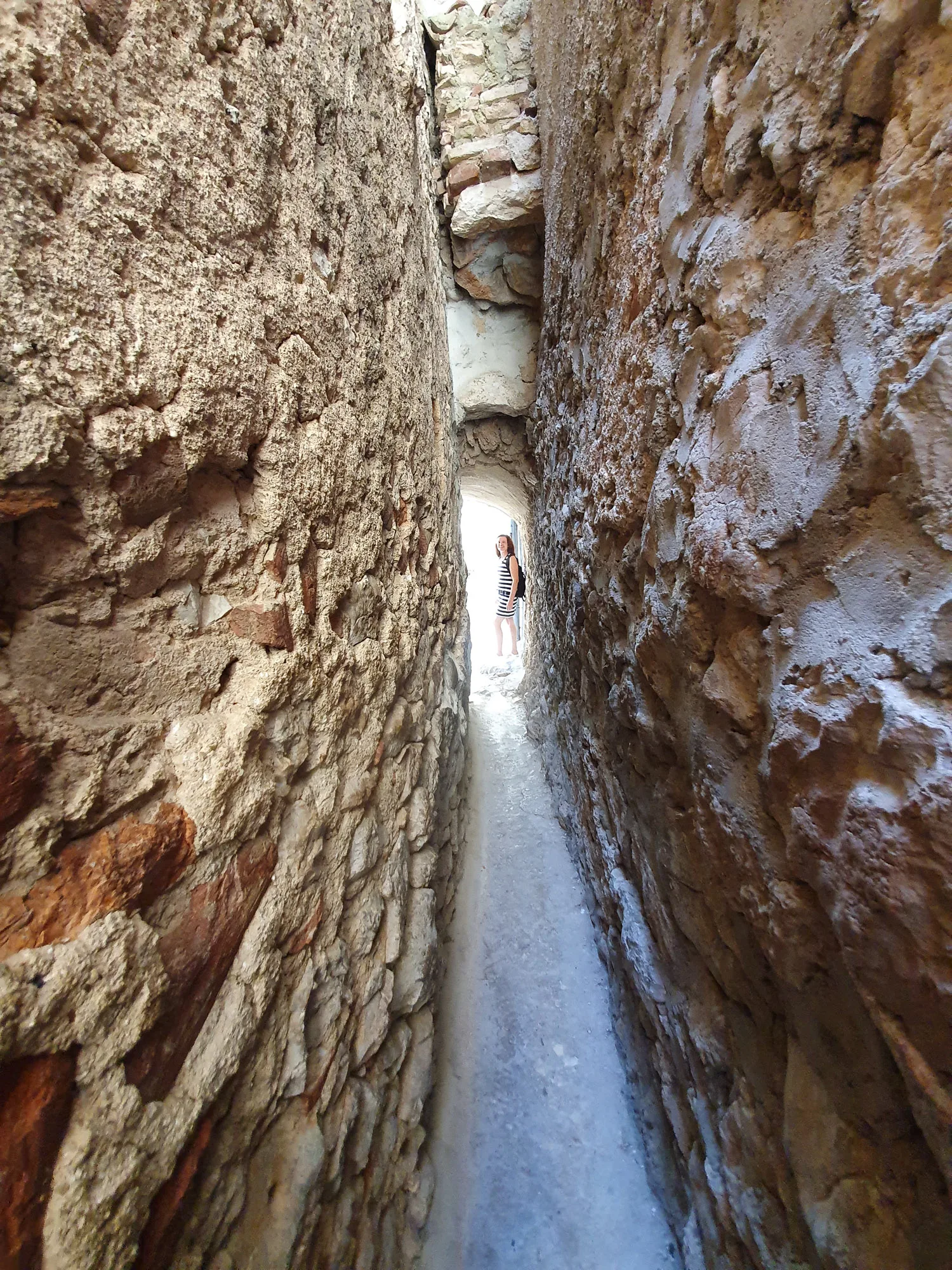
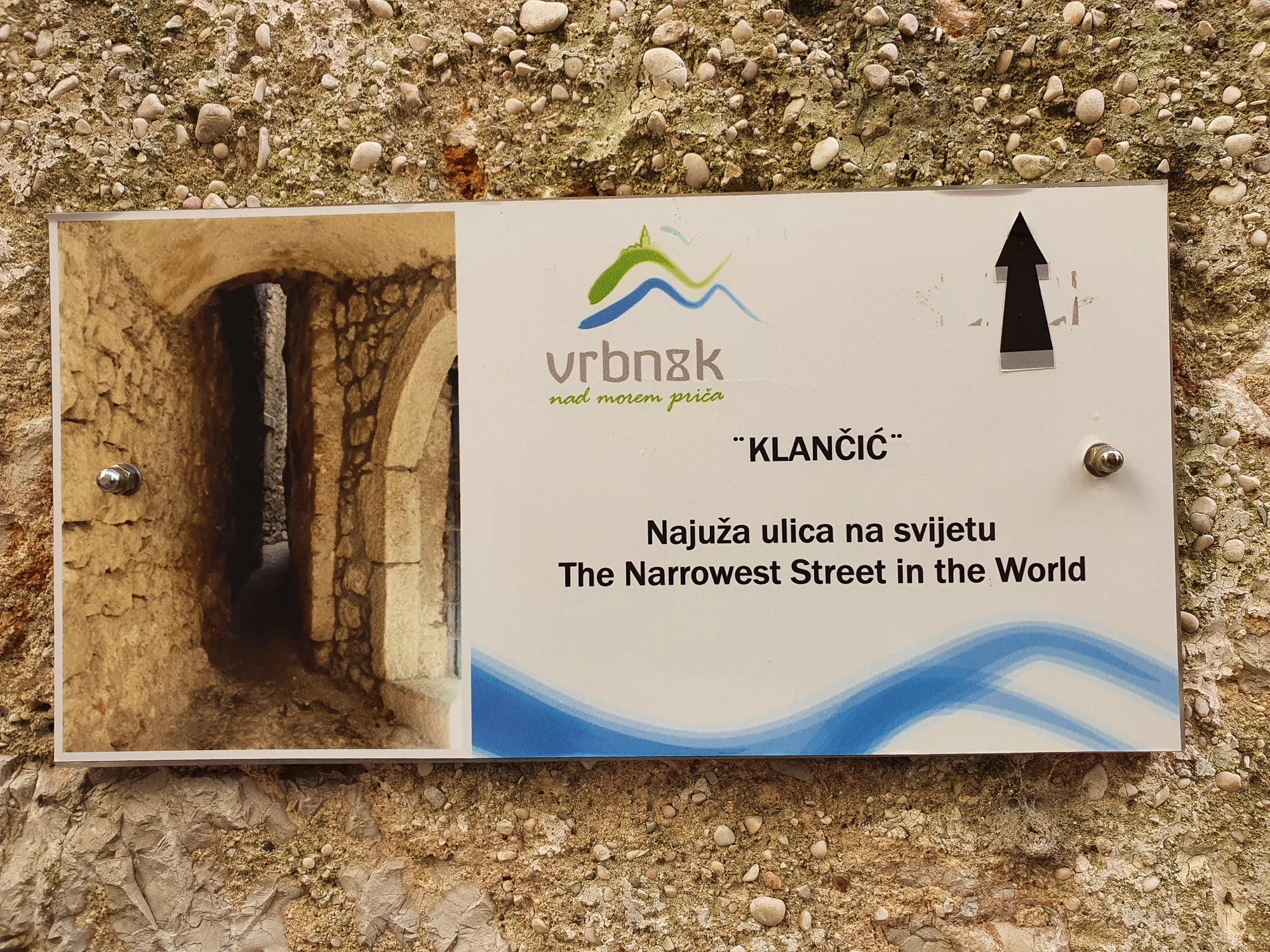
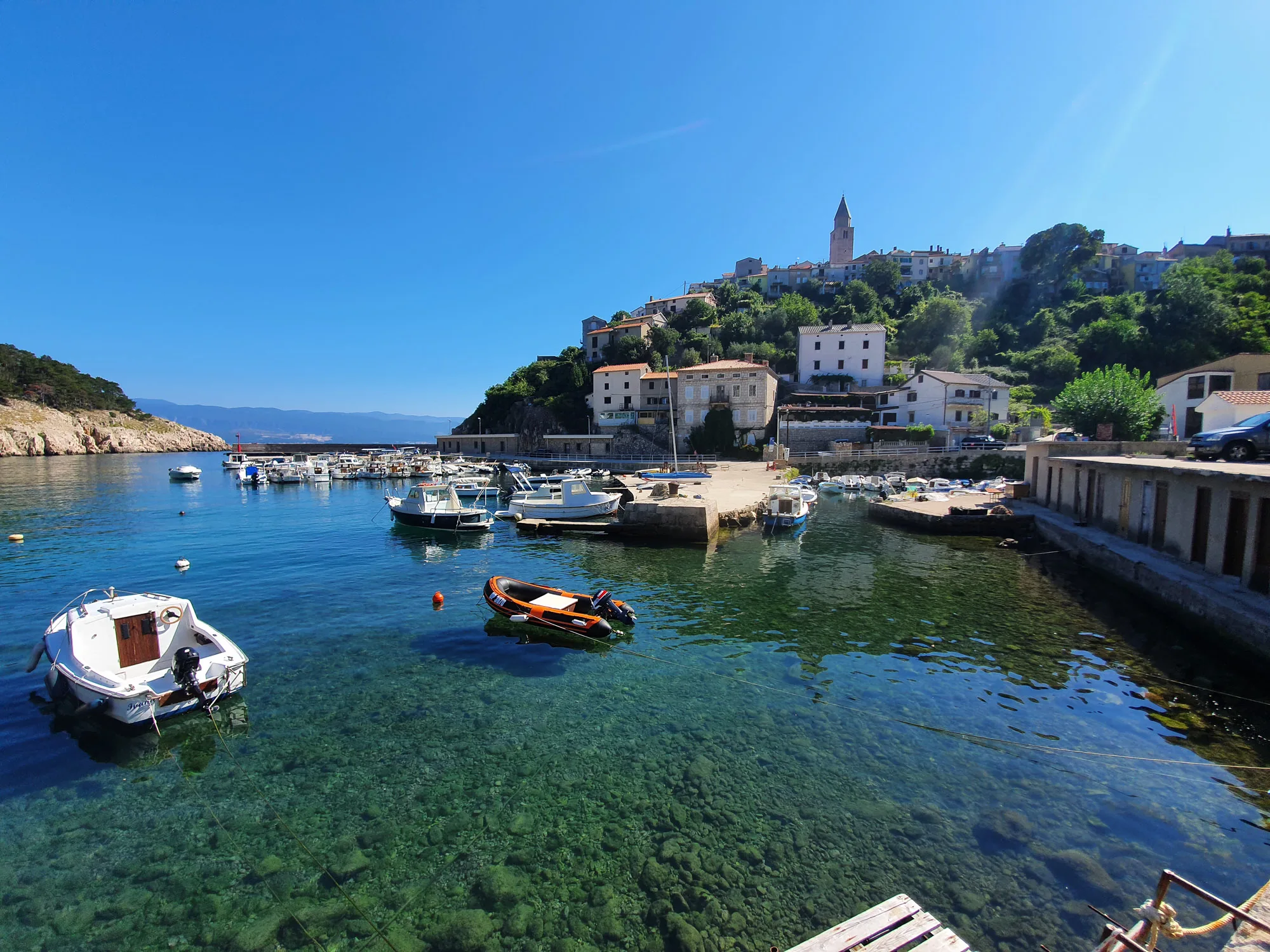
Krk is connected to the mainland by bridge, making it one of Croatia’s most practical islands for a road trip. The island combines historic Krk Town, resort areas, smaller villages, beaches and wine country around Vrbnik.
It is a useful first island for travelers who want the atmosphere of the Adriatic islands without organizing a ferry for the car.
Rab: sandy beaches and historic character
Rab stands out because sandy and shallow beaches are more common here than on much of the Croatian coast. Lopar is especially popular with families, while Rab Town gives the island a strong historic and architectural identity.
Choose Rab if you want a family beach holiday but still value an attractive old town and day-trip possibilities.
Pag: moonlike landscapes, cheese and nightlife
Pag is one of Croatia’s most visually distinctive islands. Dry stone walls and pale rocky terrain create a stark landscape, while the island is also famous for Pag cheese and lace traditions. Novalja and Zrće bring an entirely different nightlife-focused audience.
The island is connected to the mainland by bridge in the south, while a ferry also serves the northern side. That makes Pag flexible for road-trip planning.
Dugi Otok: northern Dalmatia at its wildest
Dugi Otok is long, sparsely developed and ideal for travelers who want natural scenery over urban attractions. Sakarun is the best-known beach, while Telašćica Nature Park anchors the island’s southern landscape.
A car or scooter gives you much more freedom here because sights are spread out. Base yourself for several nights rather than treating every day as a commute back to Zadar.
Cres: villages, cliffs and a road-trip feel
Cres is large, rugged and rewarding for travelers who like driving between villages and viewpoints. Cres Town is the main hub, while Lubenice is one of the island’s most dramatic historic settlements.
It pairs naturally with neighboring Lošinj because the two islands are linked by a short bridge connection.
Lošinj: walking, wellness and an easygoing resort atmosphere
Lošinj has a greener, more polished feel than some of the drier Adriatic islands. Mali Lošinj is the main town, while coastal paths and sheltered bays make the island especially good for walking and relaxed swimming.
It suits couples, families and travelers who want an island base with plenty of services.
Lastovo: remote, quiet and rewarding
Lastovo is for travelers who actively want to be farther away. It has a low-key village atmosphere, a protected natural environment and far less day-trip traffic than Hvar or Brač.
Getting there takes more planning, so it makes most sense as a destination in its own right rather than a quick add-on.
Other Croatian islands worth knowing
Ugljan and Pašman
These islands sit directly opposite Zadar and are excellent for cycling, village stays and simple beach days. They are easier to reach than more remote islands and can work well for travelers who want island life without a long transfer.
Šolta
Close to Split but much quieter than Hvar or Brač, Šolta is a good option for short island stays, small harbors and a relaxed pace.
Murter
Murter is connected to the mainland by bridge and is one of the key gateways for boat trips into the Kornati archipelago. It is practical for travelers combining beaches with sailing or northern-Dalmatian road travel.
The Elaphiti Islands
Koločep, Lopud and Šipan lie near Dubrovnik and are among the easiest islands to add to a city break. Lopud is especially attractive for a car-free day or overnight stay.
Brijuni
The Brijuni archipelago off Istria is a national park rather than a typical beach-holiday island base. It works best as a day trip from the Pula area. If you are planning time in southern Istria, use the Pula travel guide as a starting point.
Should you visit one island or go island-hopping?
One island is usually better for a short trip. With three or four nights, changing islands can consume too much time in packing, port transfers and ferry coordination. For a week or more, combining two islands can work very well.
A logical island-hopping route matters more than collecting famous names. Split, Brač, Hvar, Korčula and Dubrovnik form a natural central-and-southern Dalmatian chain, while Zadar, Ugljan, Pašman and Dugi Otok make more sense as a northern-Dalmatian cluster.
Car or no car on Croatian islands?
You do not automatically need a car. Hvar Town, Korčula Town, Rab Town and many smaller island bases can be enjoyed on foot, with local buses, taxis or boat excursions. A car becomes more valuable on larger islands such as Brač, Krk, Cres, Pag and Dugi Otok, where beaches and villages are widely spread.
If you plan to take a vehicle onto an island, check whether your chosen sailing is a car ferry rather than a passenger-only catamaran.
Ferries and catamarans: what to check
Island transport changes by season. Some routes operate all year, while others become much more frequent in summer. Operators can also issue temporary timetable changes because of operational or weather conditions.
Before travel, check the current sailing directly with Jadrolinija and, where relevant, passenger catamaran operators such as Krilo. Do not build a tight same-day connection around an old timetable copied from a blog or forum.
Best time to visit the Croatian islands
June and September are excellent for most island trips because the sea is generally suitable for swimming, restaurants and seasonal services are open, and crowds are usually lighter than in peak summer. July and August offer the widest transport choice and busiest atmosphere. May and October can be very rewarding for walking, cycling and quiet stays, but some seasonal businesses and boat services may be reduced.
How many days do you need?
- 2–3 days: choose one compact base and do not over-plan.
- 4–5 days: explore one island properly, including several towns or beaches.
- 7 days: stay on one large island or combine two well-connected islands.
- 10–14 days: a multi-island route becomes practical without rushing.
Final thoughts
The best Croatian island is the one that fits your route and travel style. Hvar is excellent for variety, Vis for a slower escape, Korčula for culture and wine, Brač for active travel, Mljet for nature, Krk for easy access, Rab for sandy family beaches and Dugi Otok for wild scenery. Choose fewer islands, stay longer and let the ferry network support the trip rather than dictate it.
Travel guides
Featured articles about Croatian Islands
 Destinations
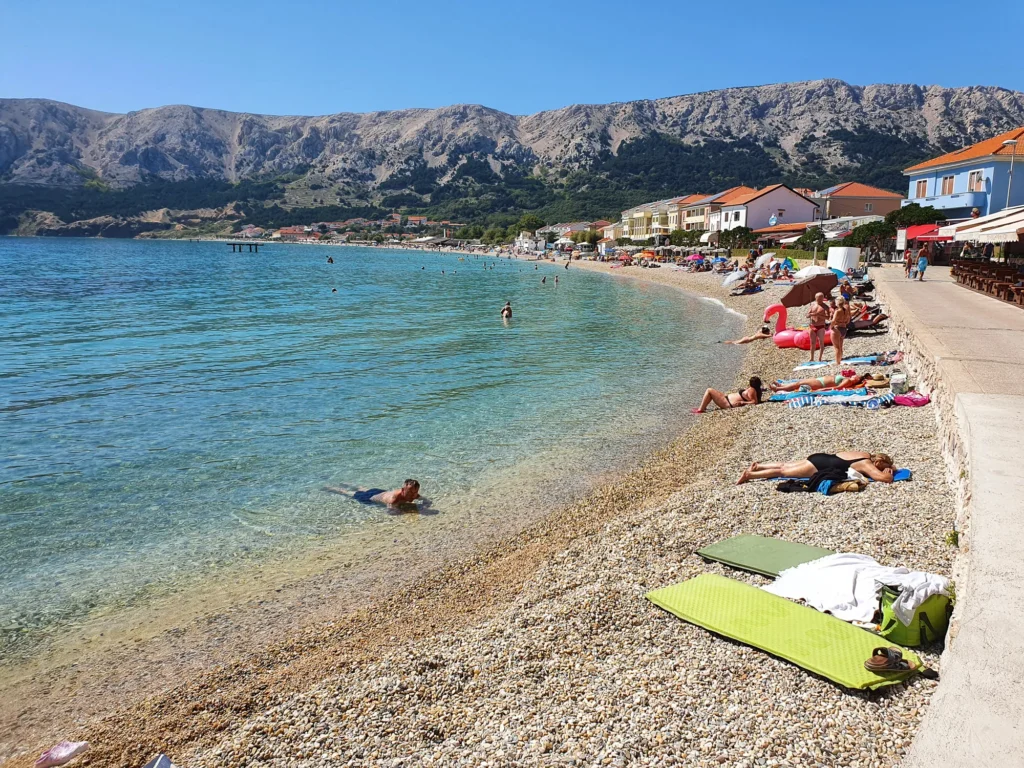
Krk Island, Croatia: Complete Travel Guide to Krk Town, Baška, Vrbnik and Beaches
Krk Island guide: Krk Town, Baška beach, Vrbnik wine, Košljun, the best beaches, local food, getting there by…