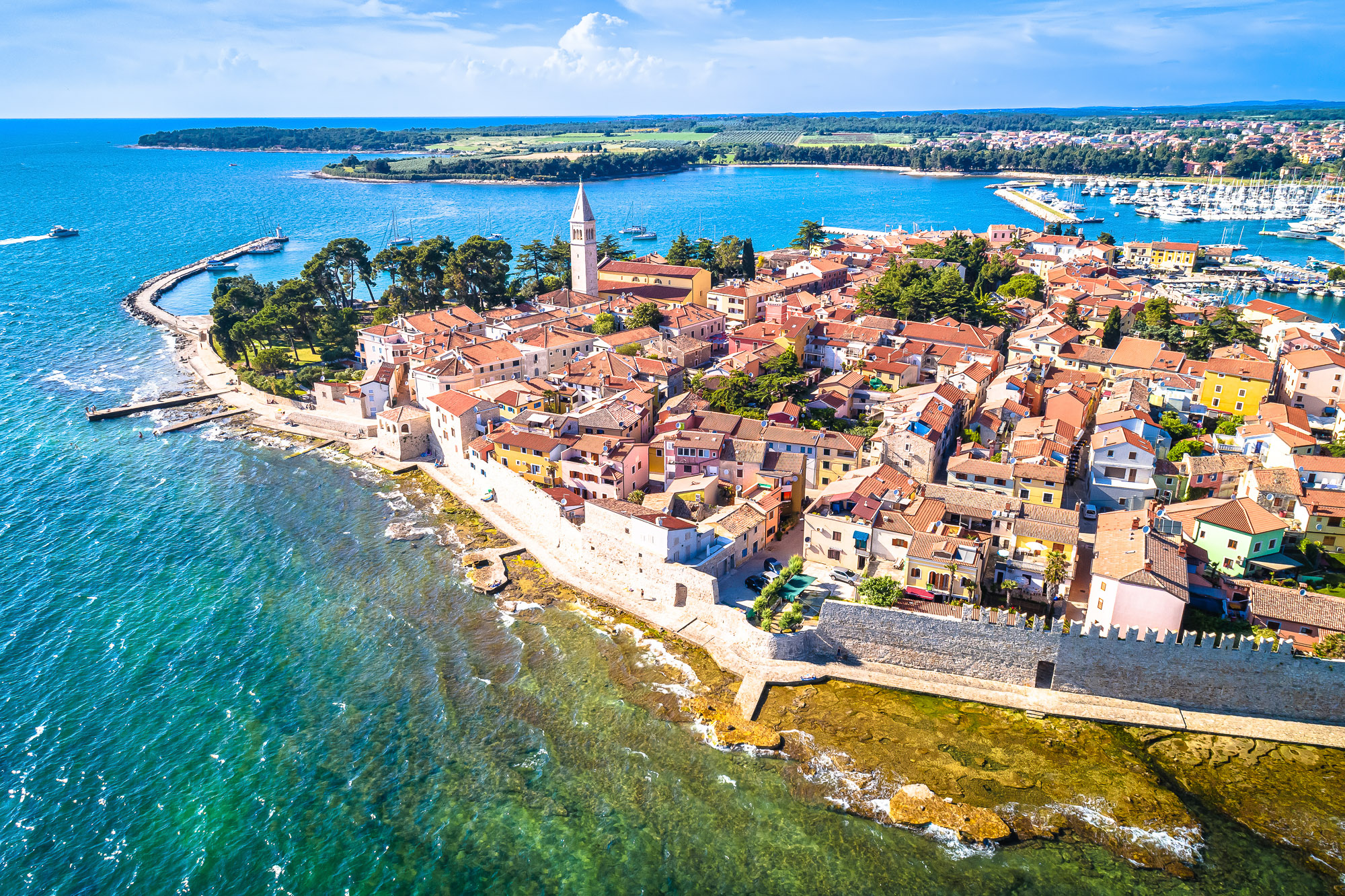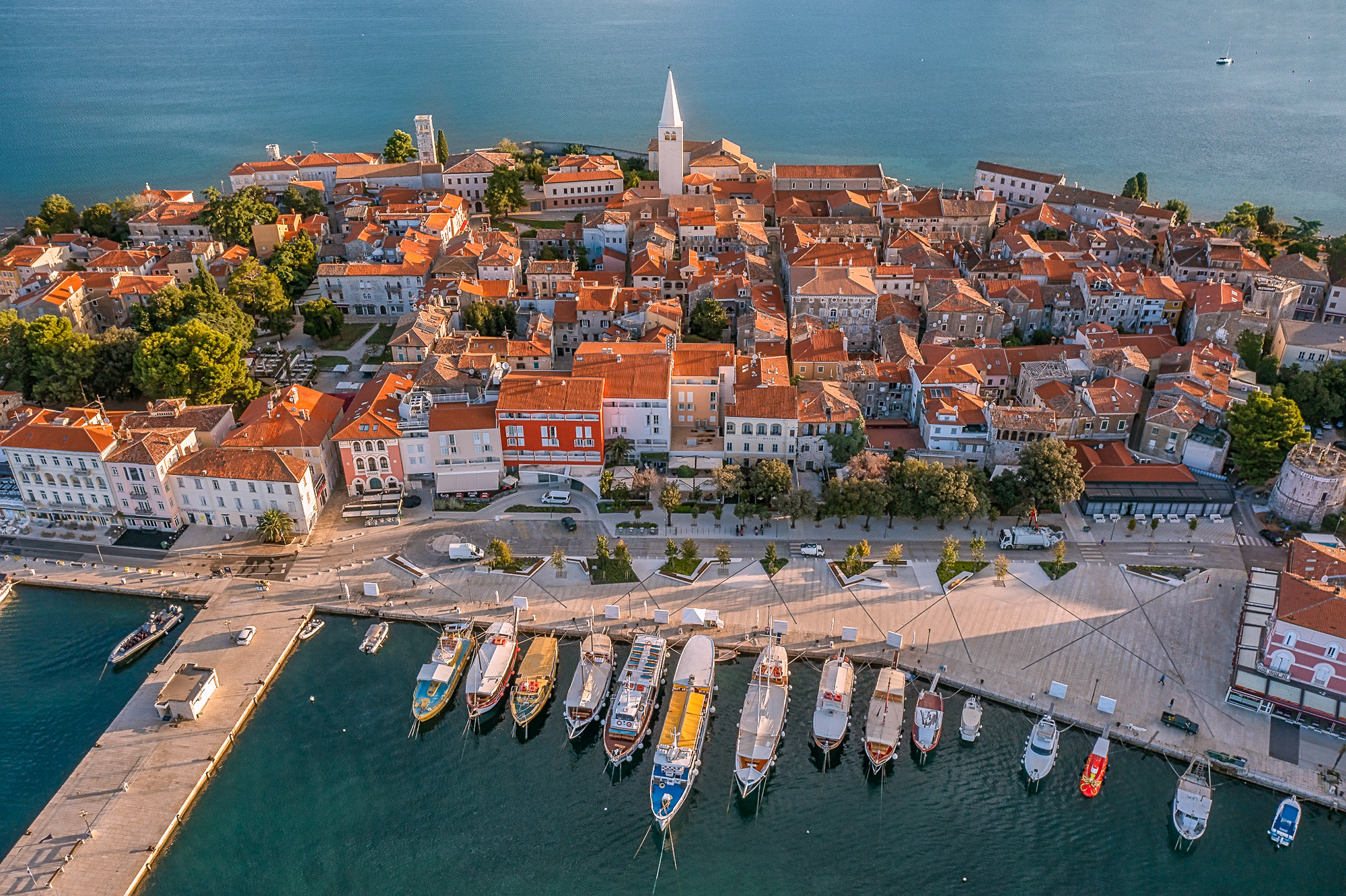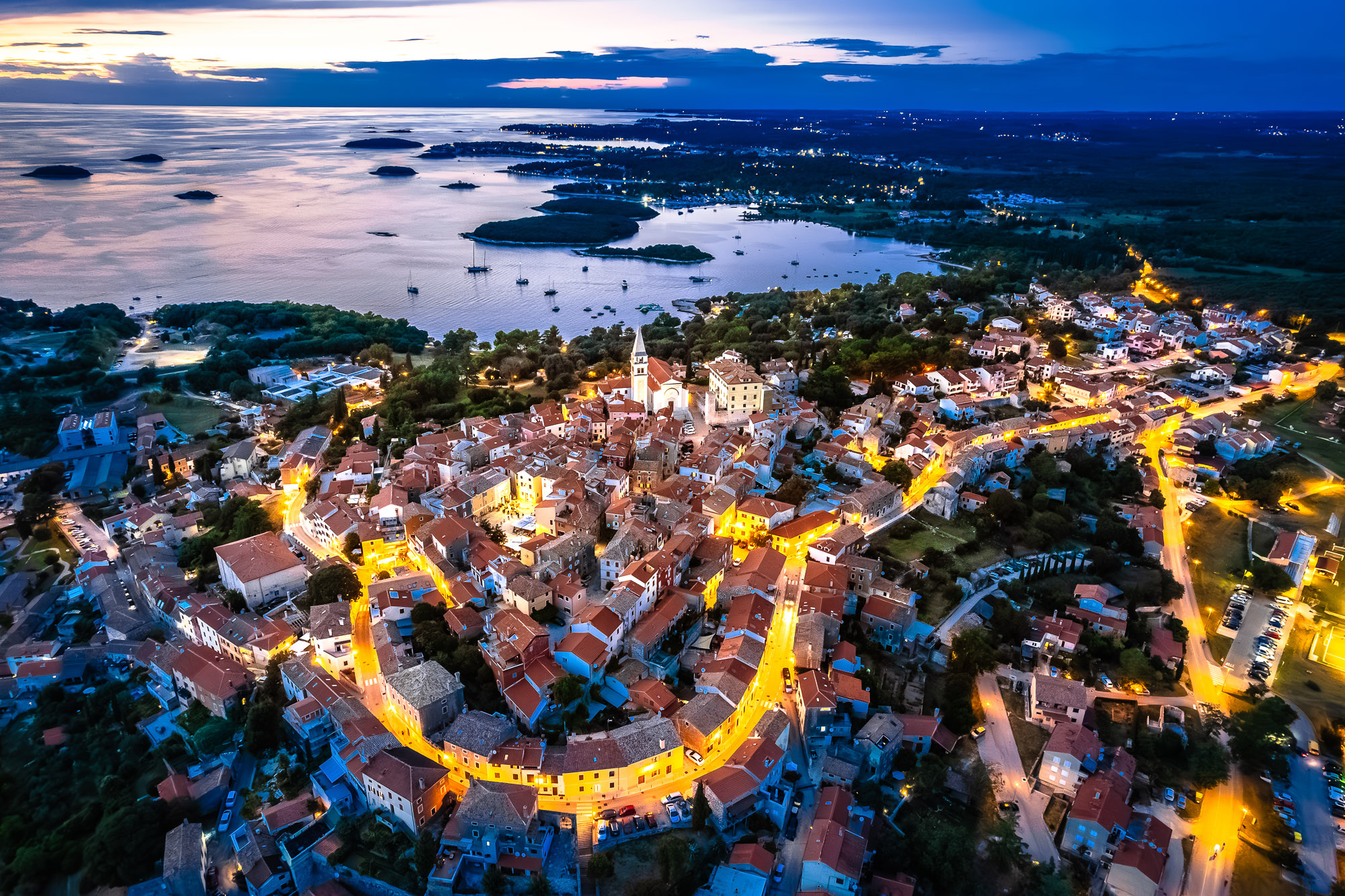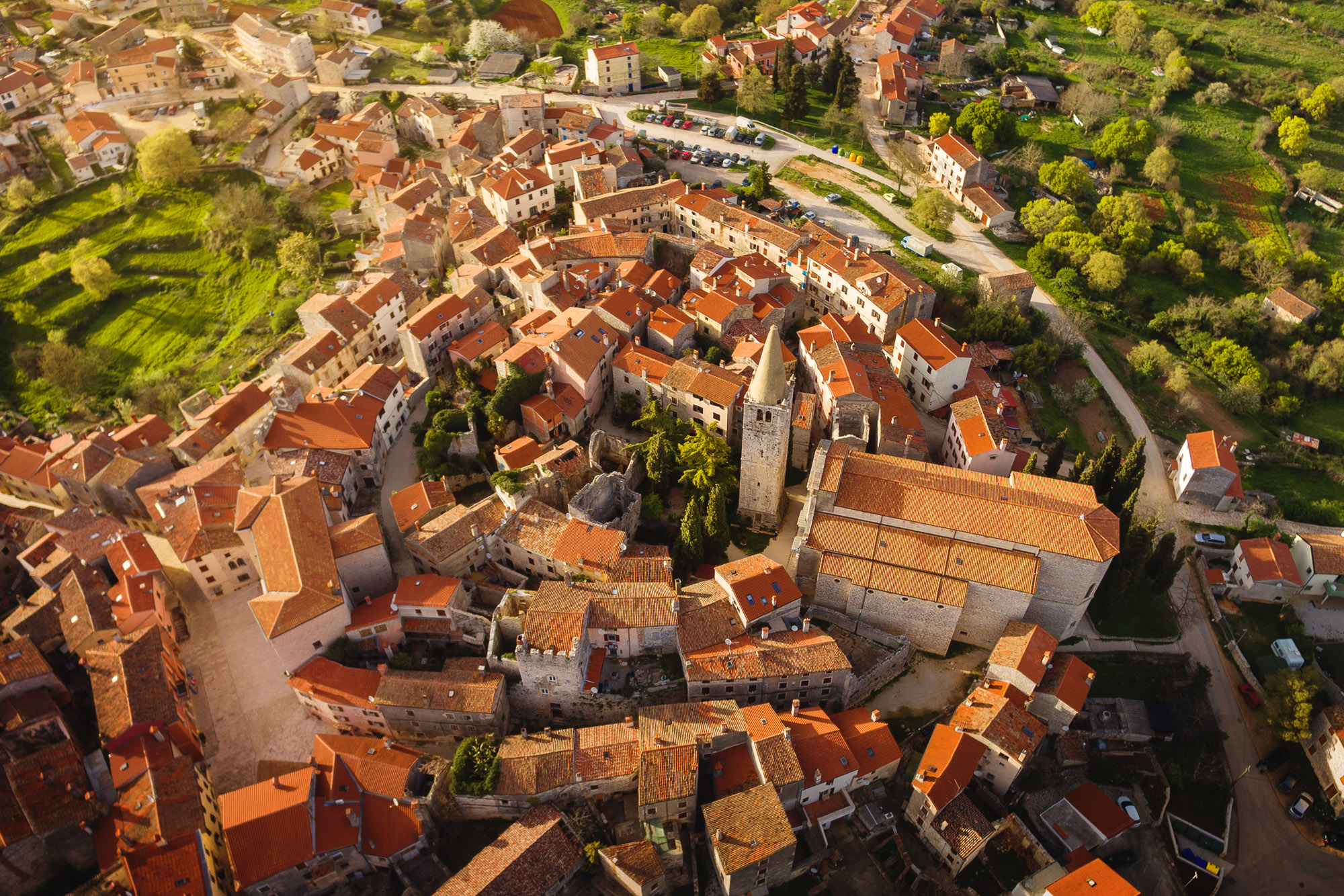
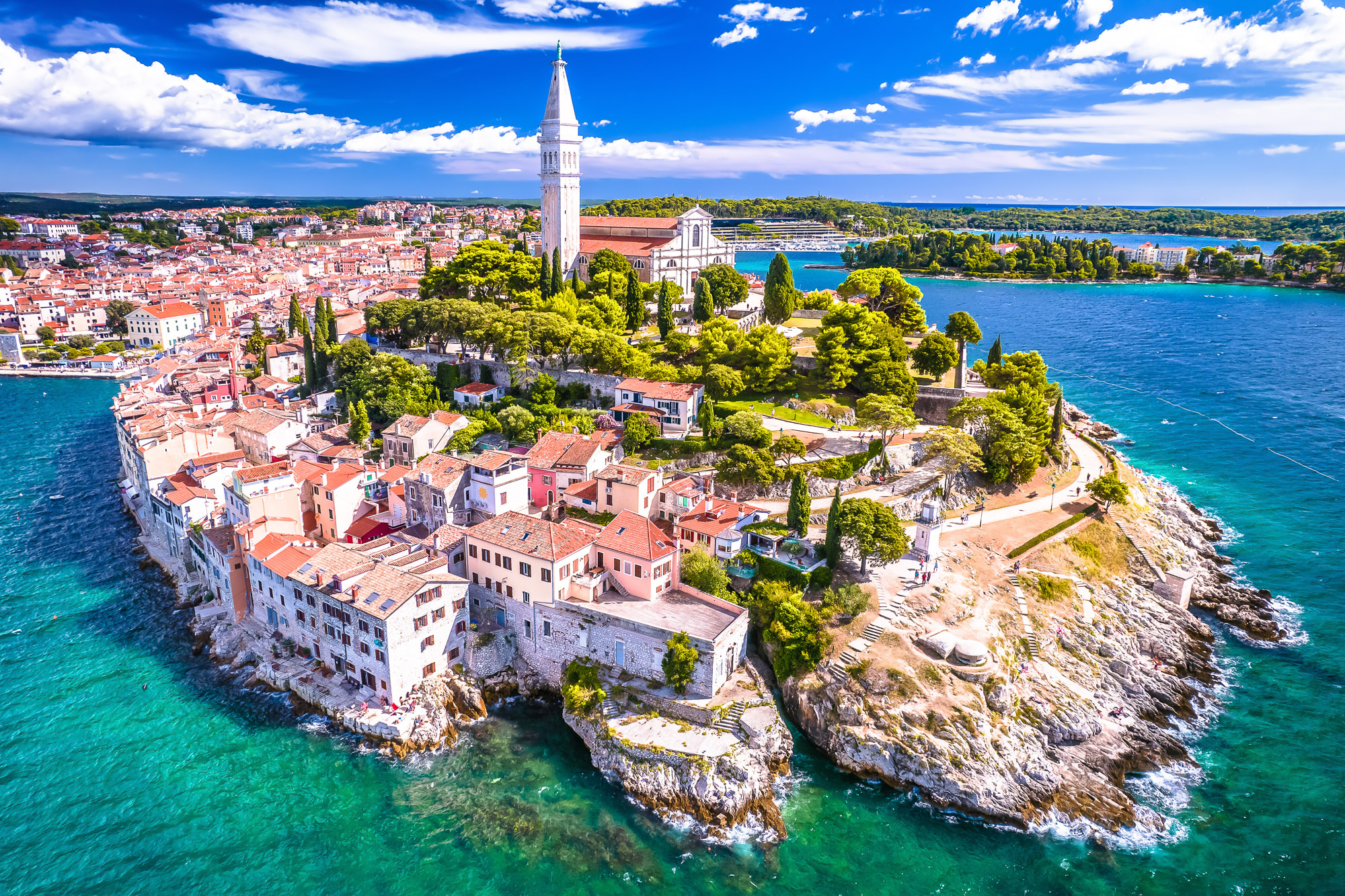
Istria is Croatia’s northwestern peninsula: a compact region where Venetian-influenced coastal towns, Roman heritage, hilltop villages, vineyards, olive groves and a deeply indented Adriatic shoreline fit into surprisingly short driving distances. It is one of the easiest parts of Croatia to explore independently, whether you want a beach holiday, a food-focused road trip or a base for combining coast and countryside.
Why visit Istria?
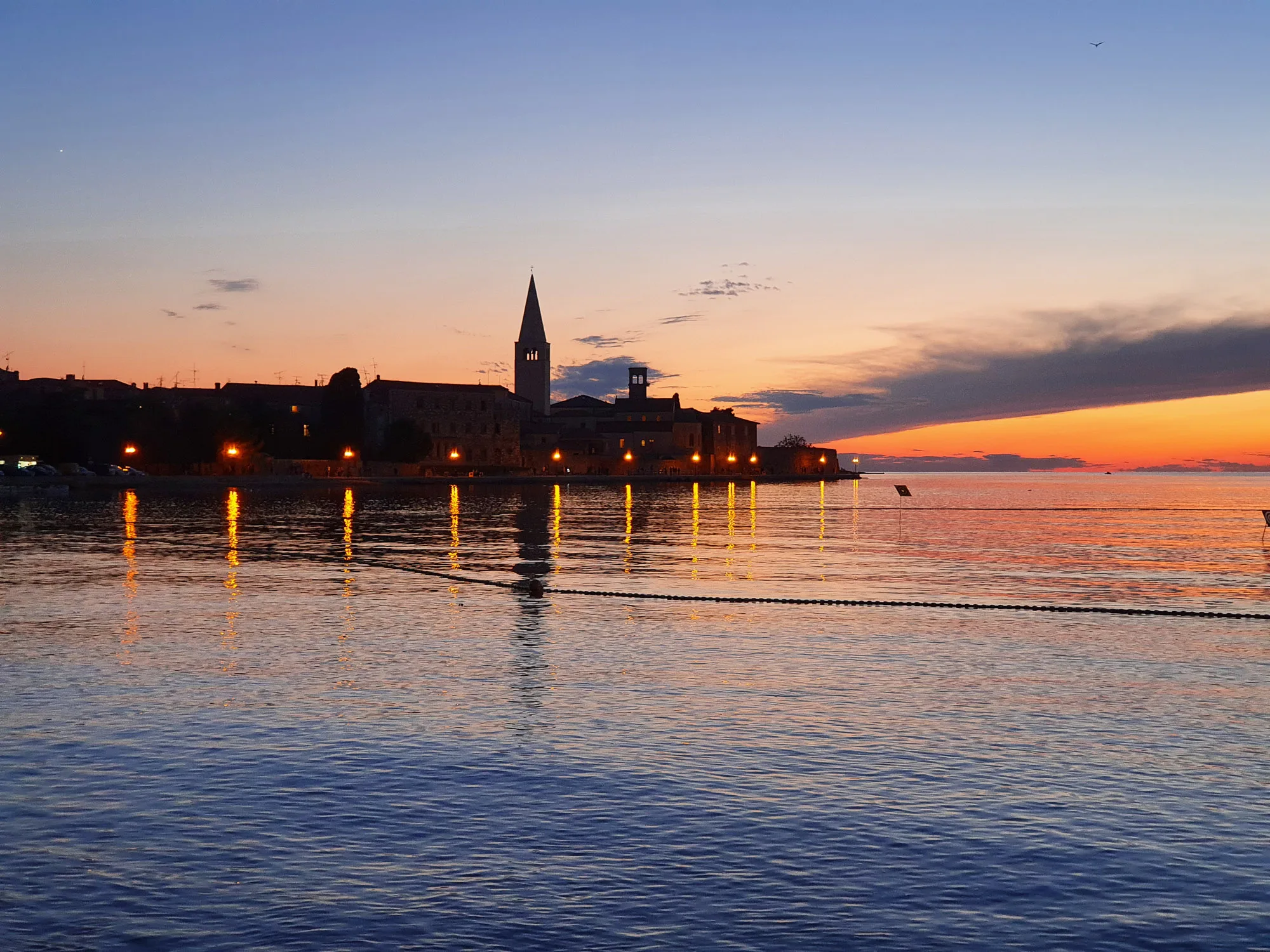
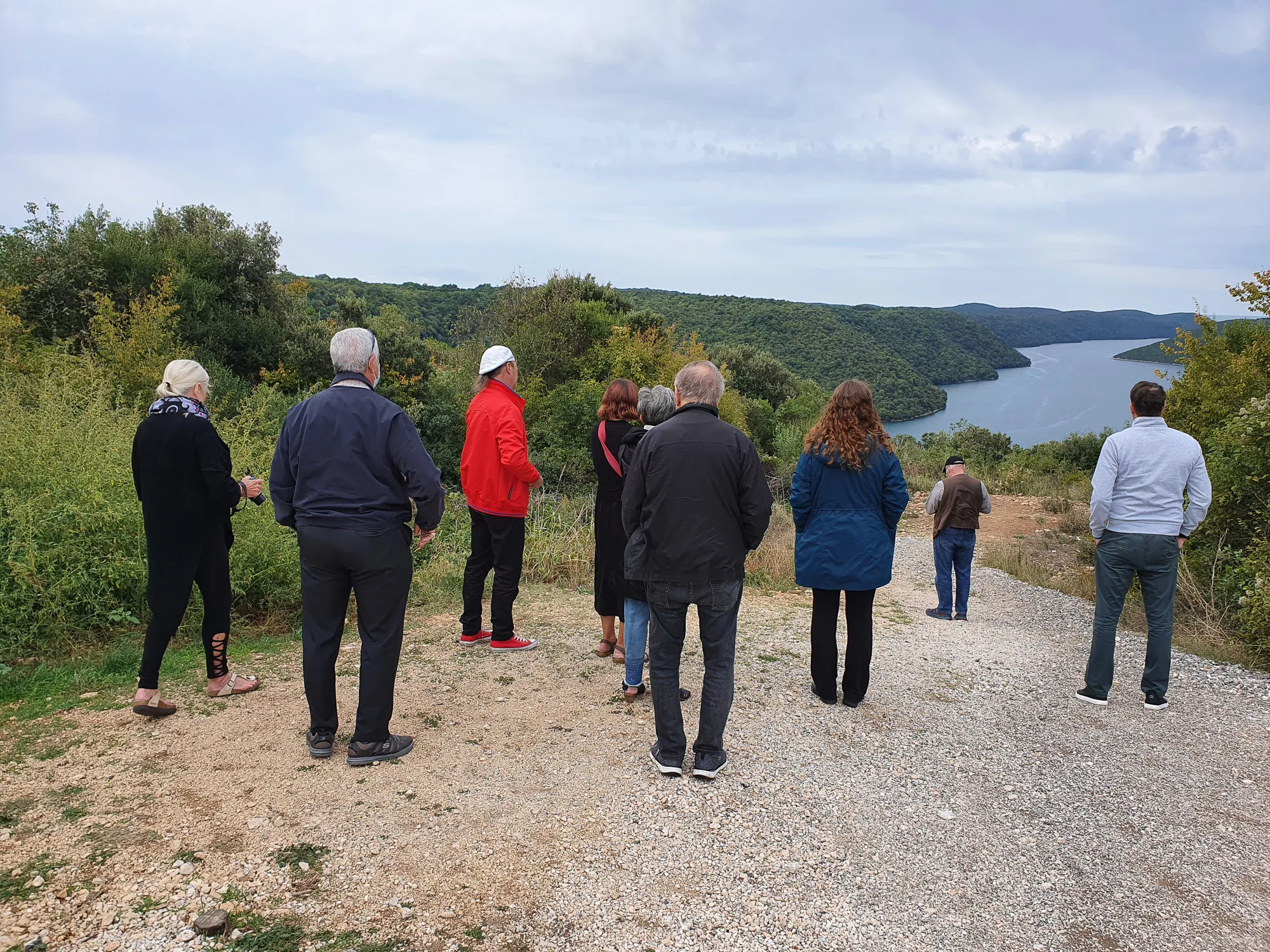
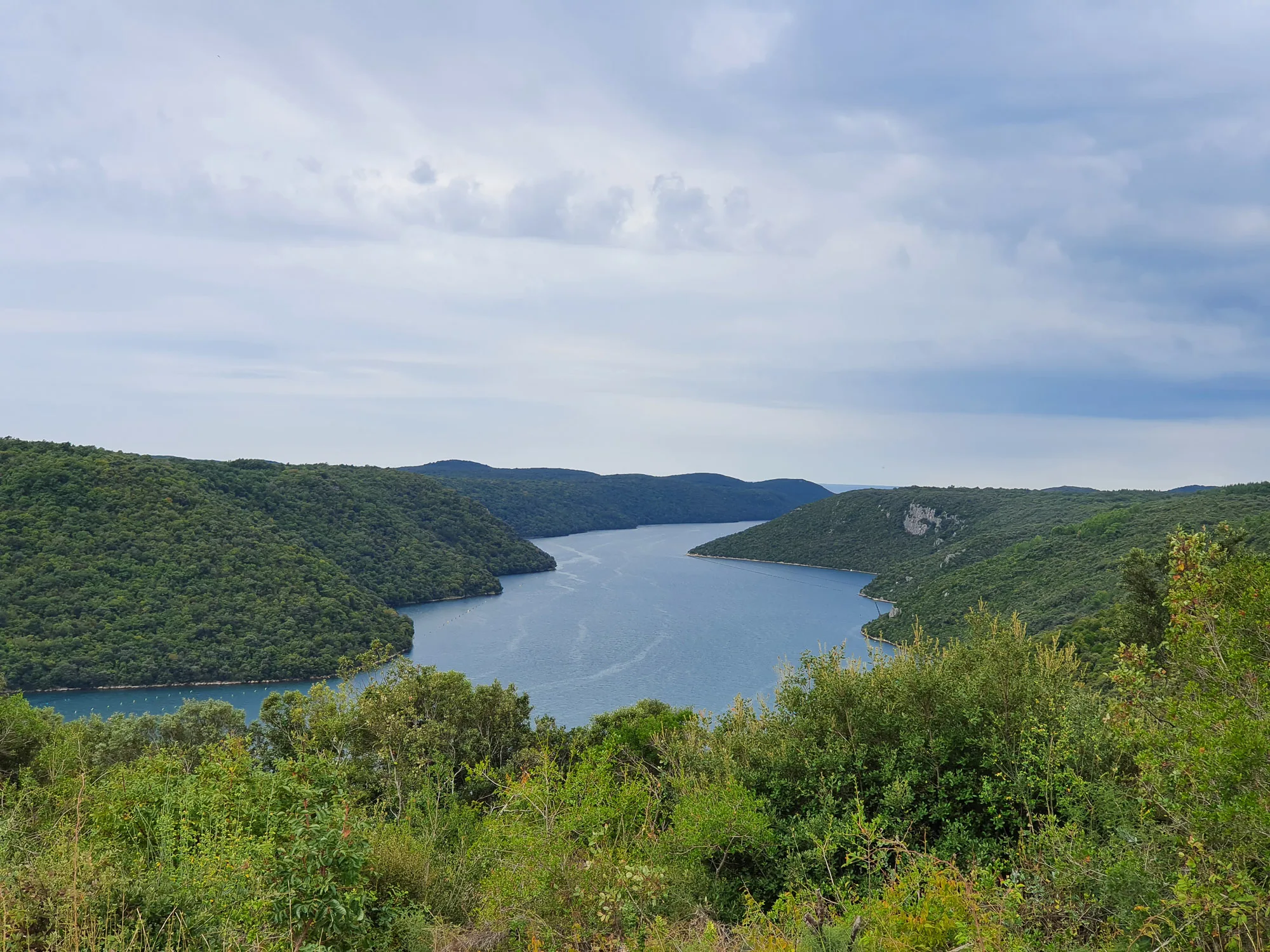
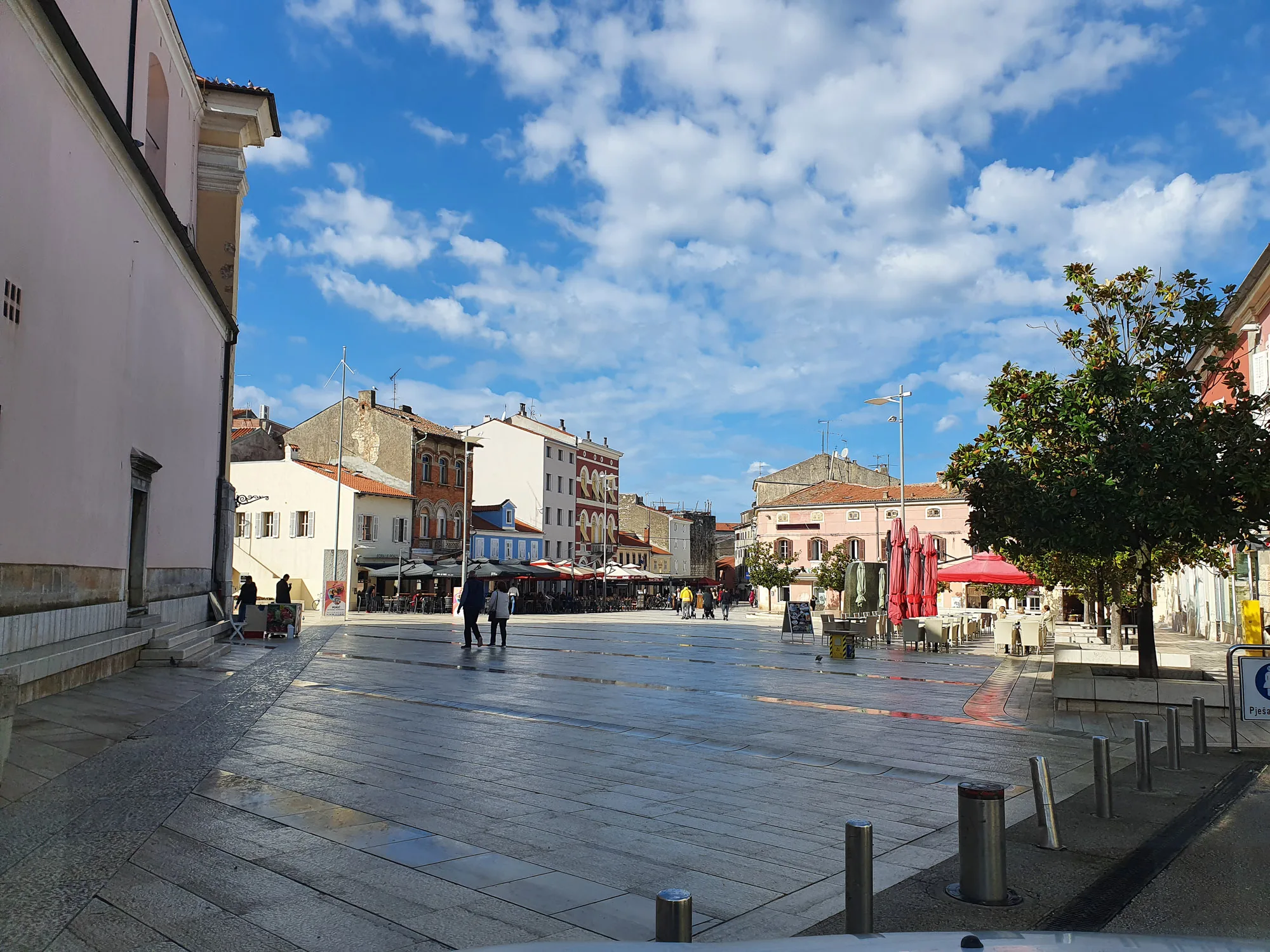
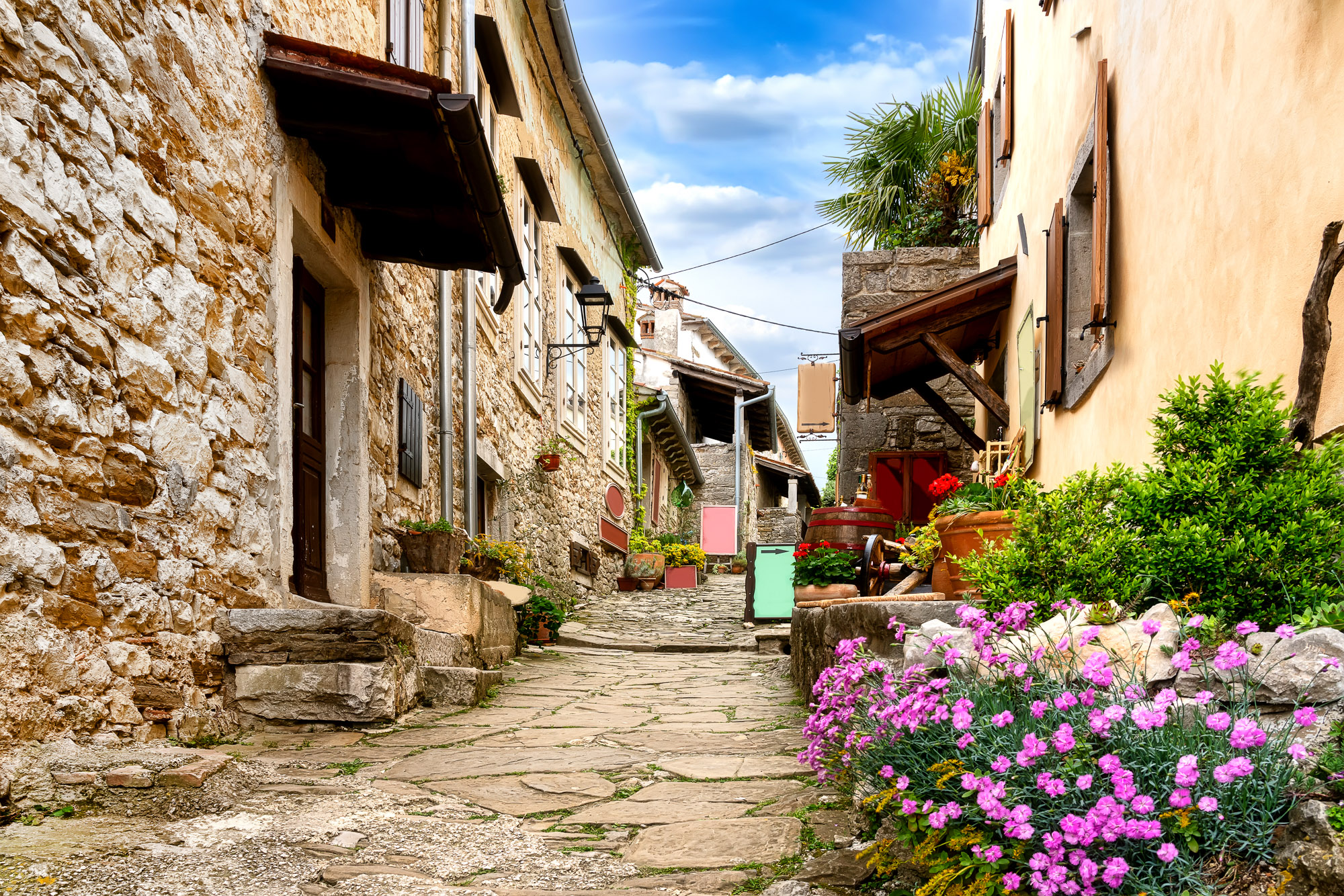
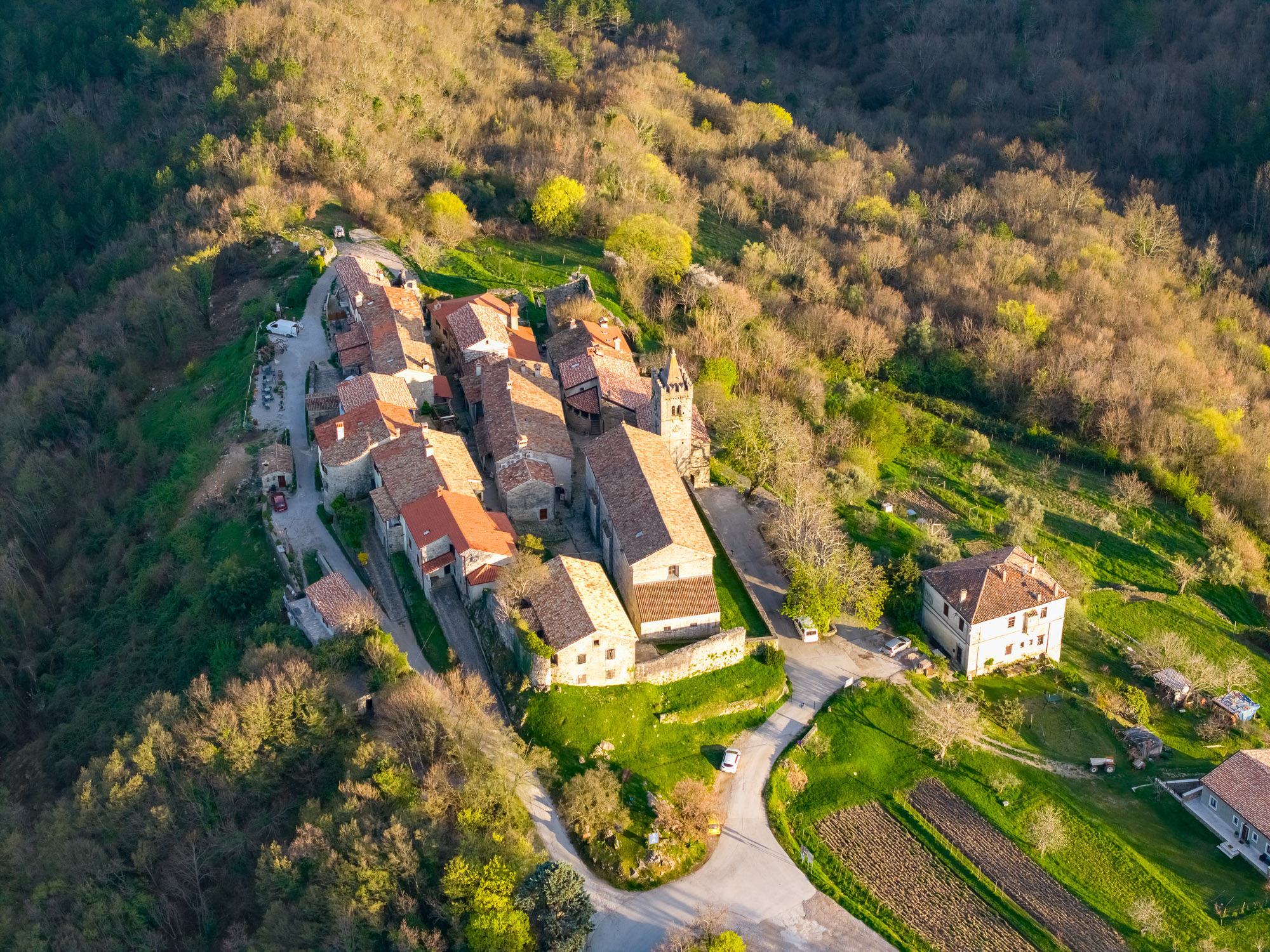
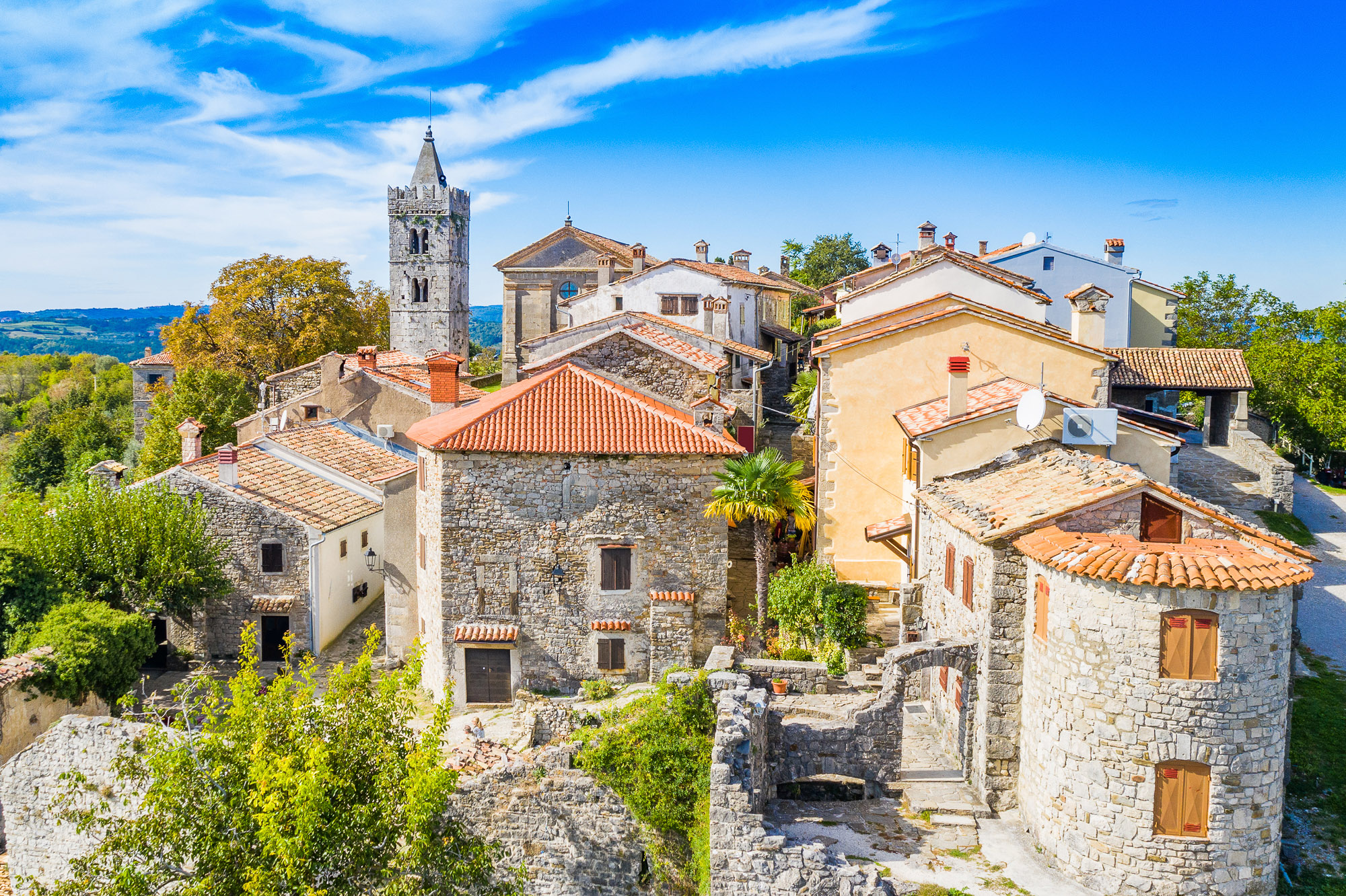
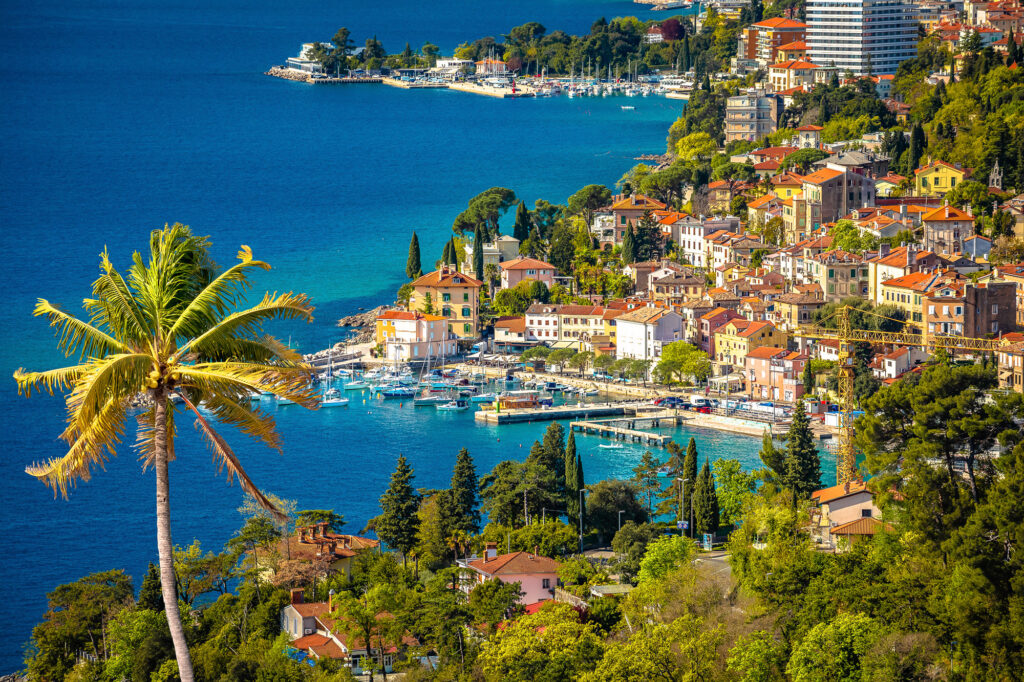
Istria works especially well for travellers who want variety without changing accommodation every night. On the west coast, Rovinj, Poreč, Novigrad and Umag offer historic centres, waterfront walks and easy access to beaches. In the south, Pula adds major Roman heritage and a more urban atmosphere. Inland, towns such as Motovun and Pazin reveal a quieter landscape of forests, vineyards and small stone settlements.
The result is a destination that can suit a first visit to Croatia, a relaxed family holiday, a couples’ trip or a self-drive itinerary. If you are still deciding how Istria fits into a wider holiday, see the Croatia itineraries guide and the Croatia road trip guide.
Best places to visit in Istria
Rovinj
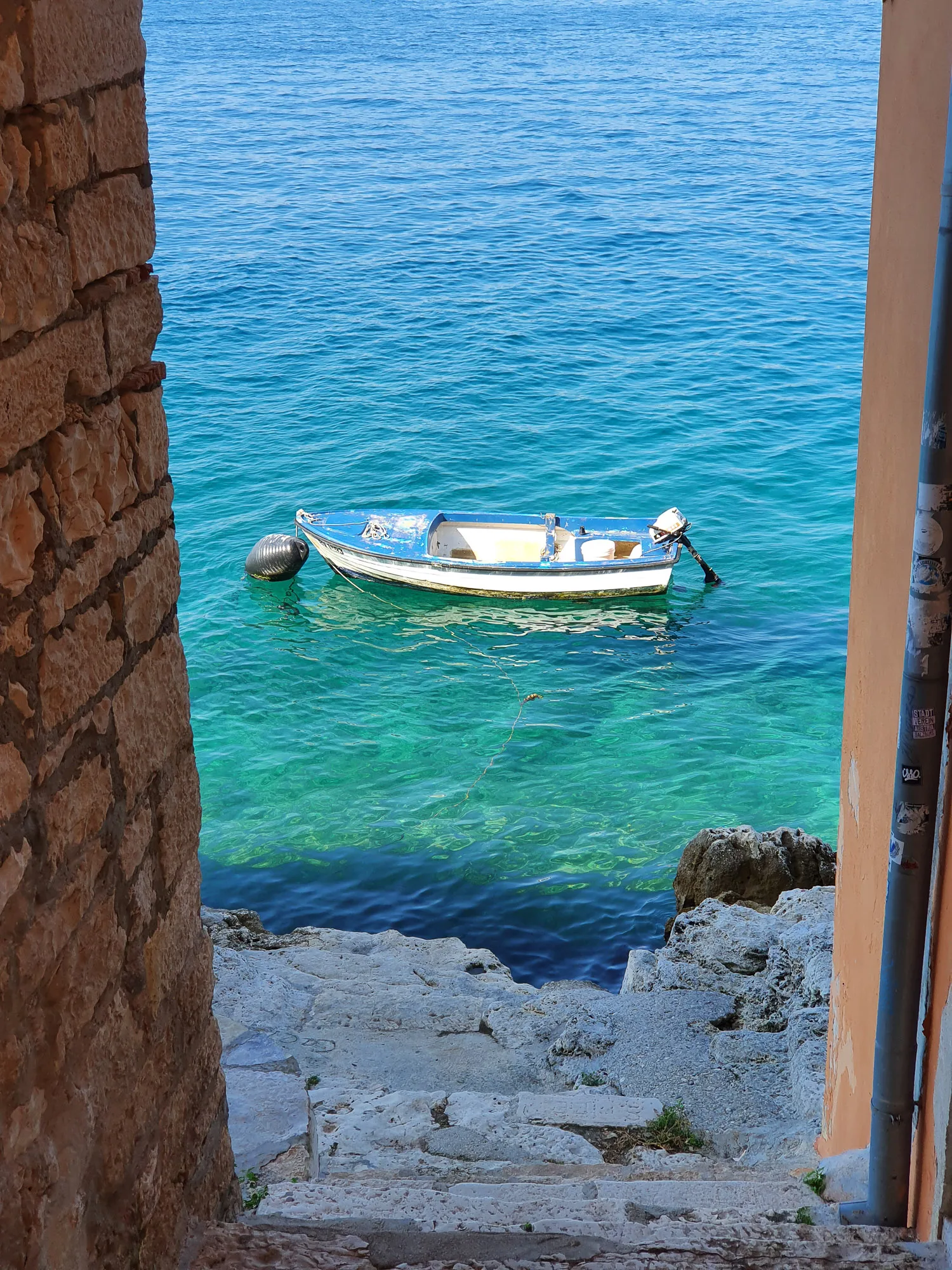
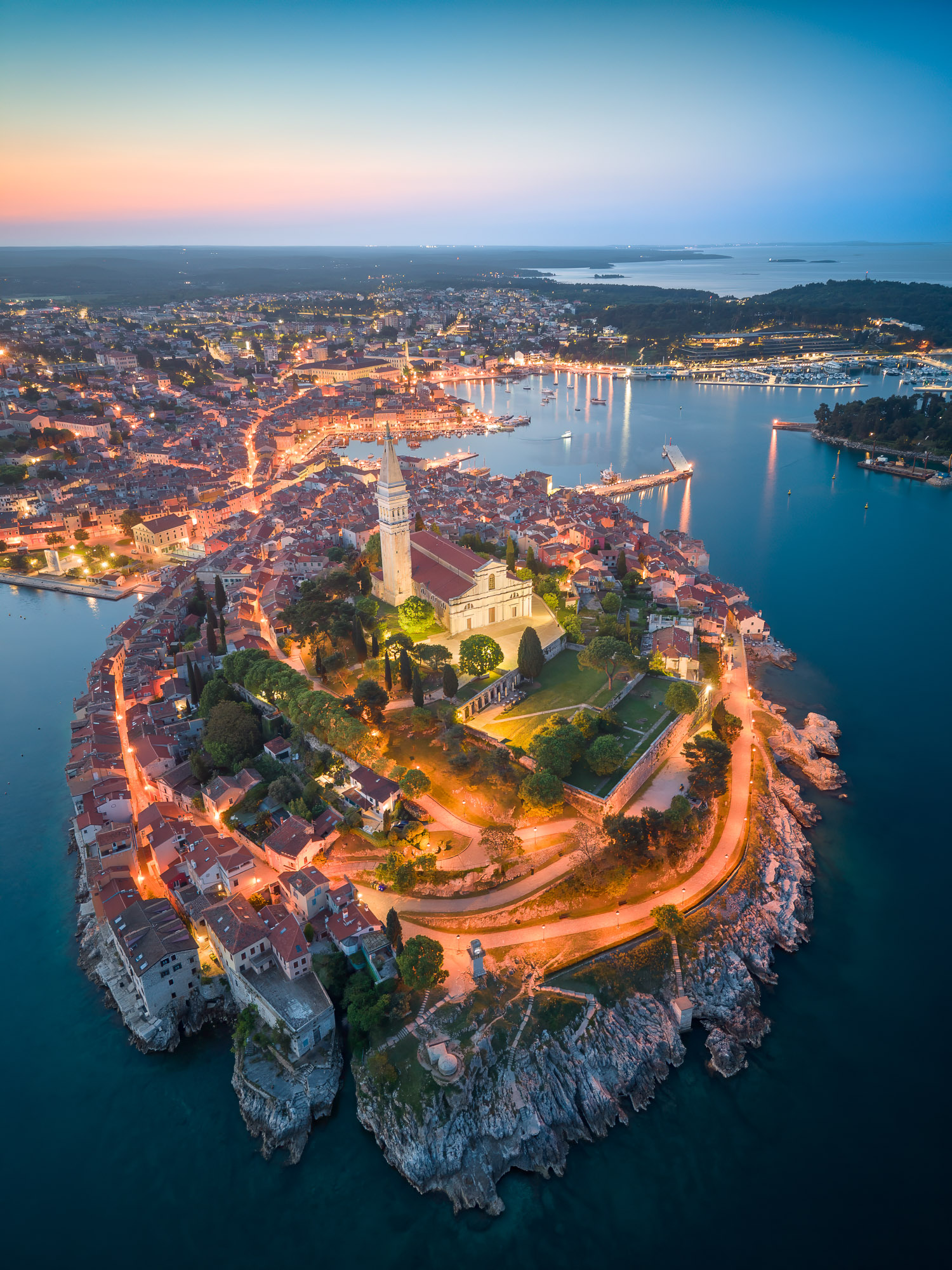
Rovinj is the peninsula’s most atmospheric coastal town, built around a compact old town rising above the sea beneath the Church of St. Euphemia. The maze of lanes, waterfront, harbour and nearby forested coast make it an easy choice for couples and first-time visitors. Read the Rovinj travel guide for a more detailed plan.
Pula
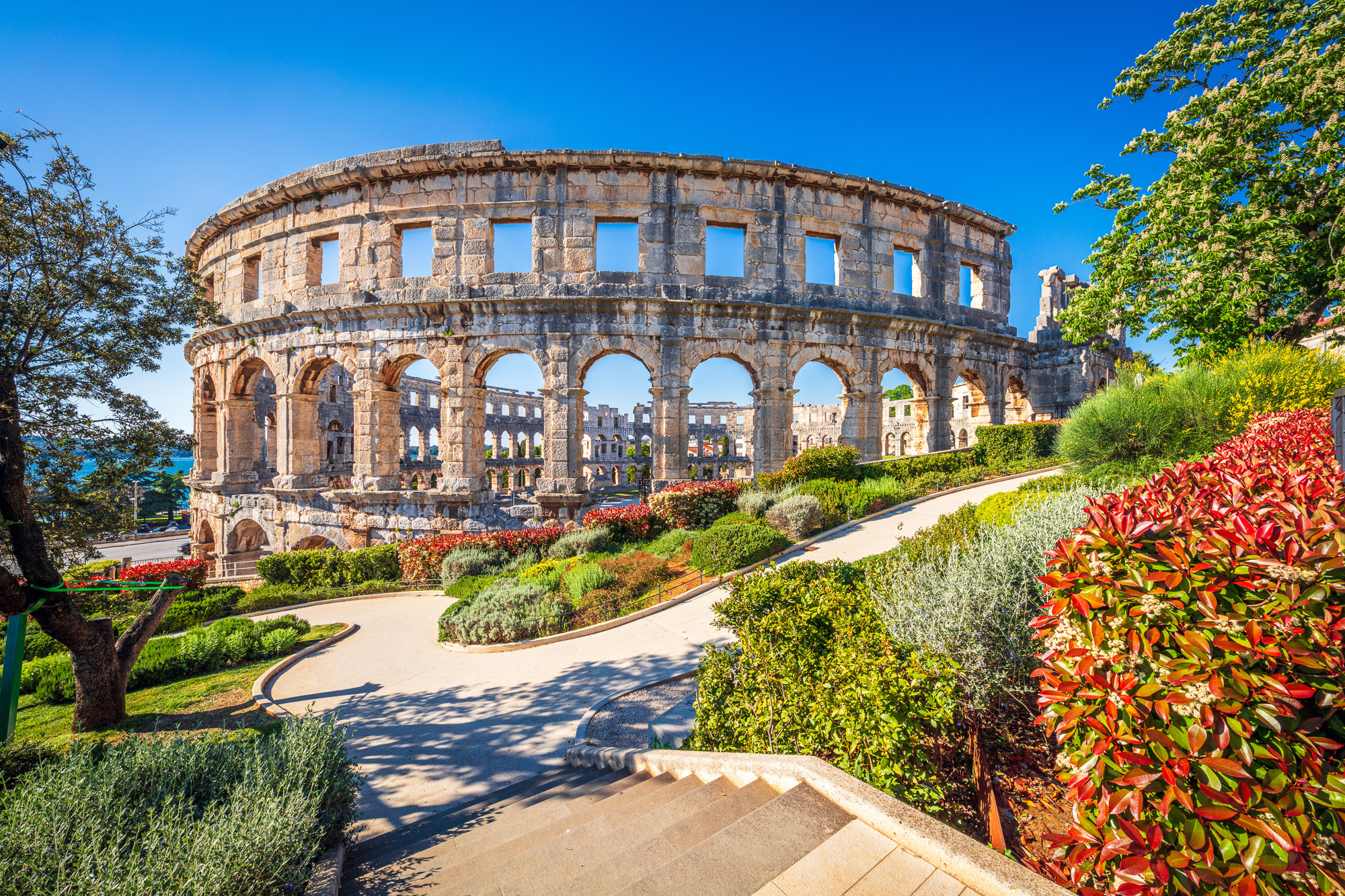
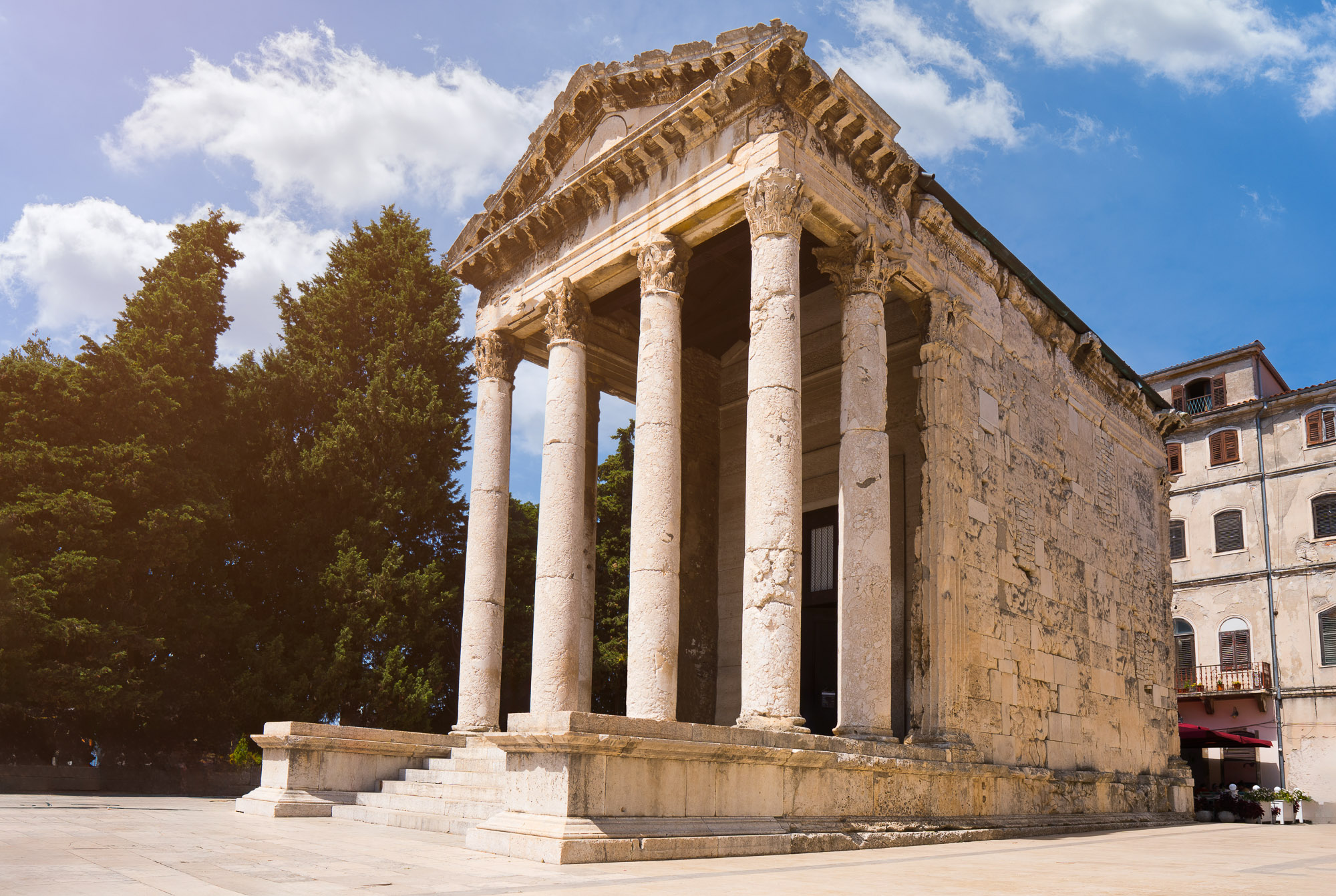
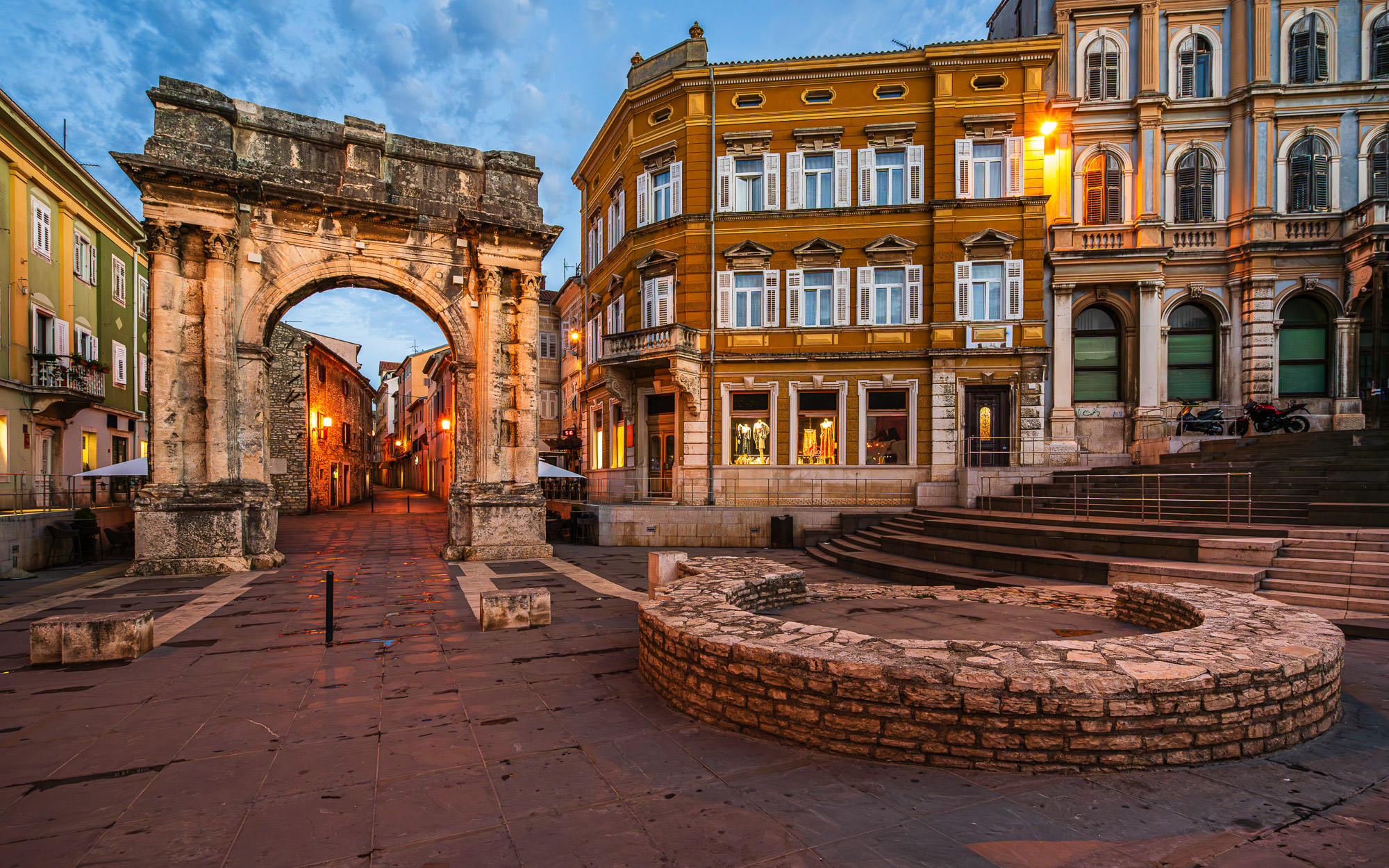
Pula is Istria’s largest city and its strongest Roman-history destination. The amphitheatre is the headline sight, but the historic centre also contains Roman gates, temples and layers of later architecture. It is a practical base for south Istria and for travellers arriving through Pula Airport. See the Pula travel guide.
Novigrad
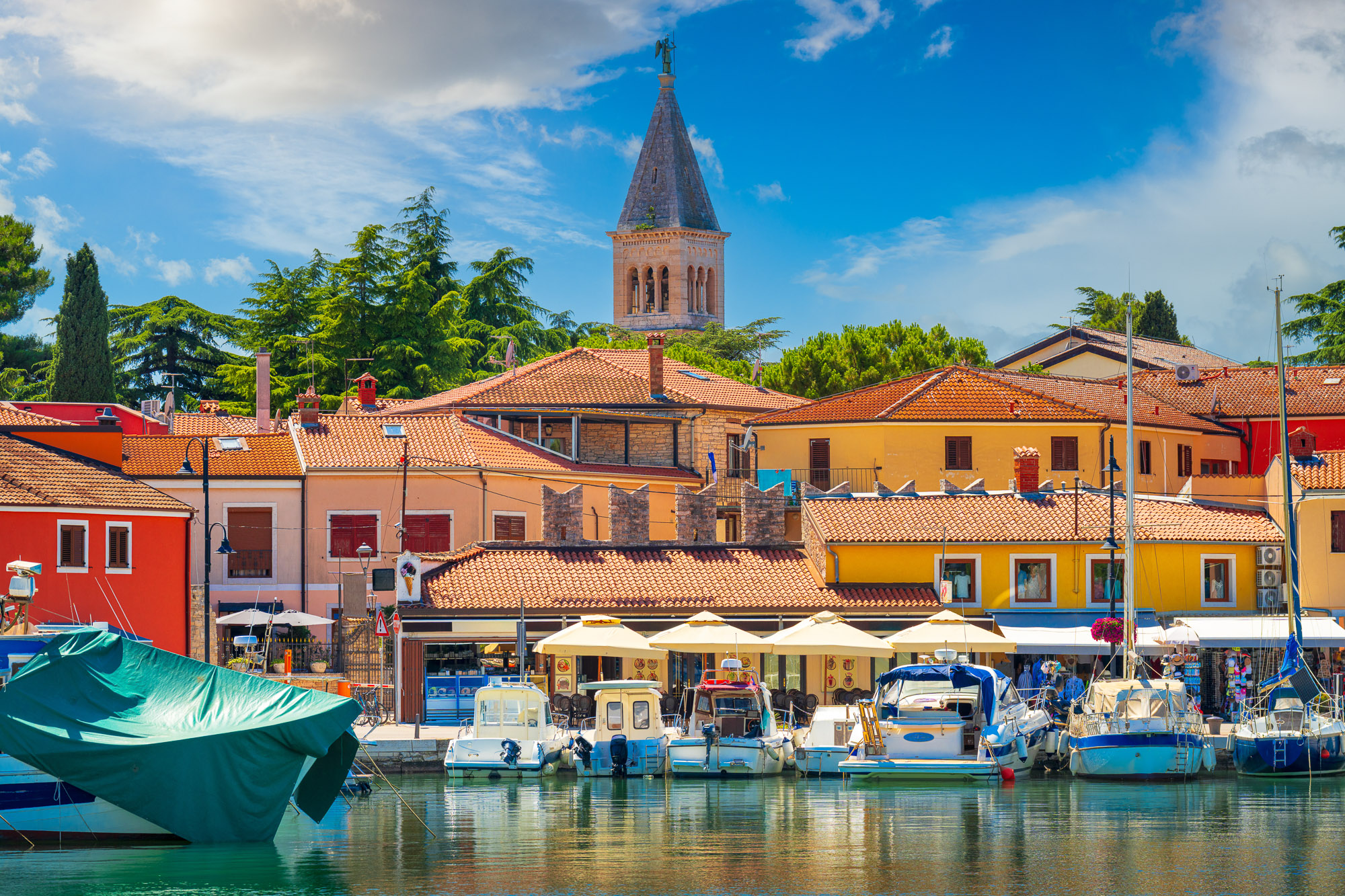
Novigrad is smaller and more relaxed than the best-known west-coast towns. Its old town, harbour, seafront and nearby beaches make it a good base for travellers who want a walkable coastal stay without Rovinj’s peak-season intensity. See the Novigrad travel guide.
Motovun
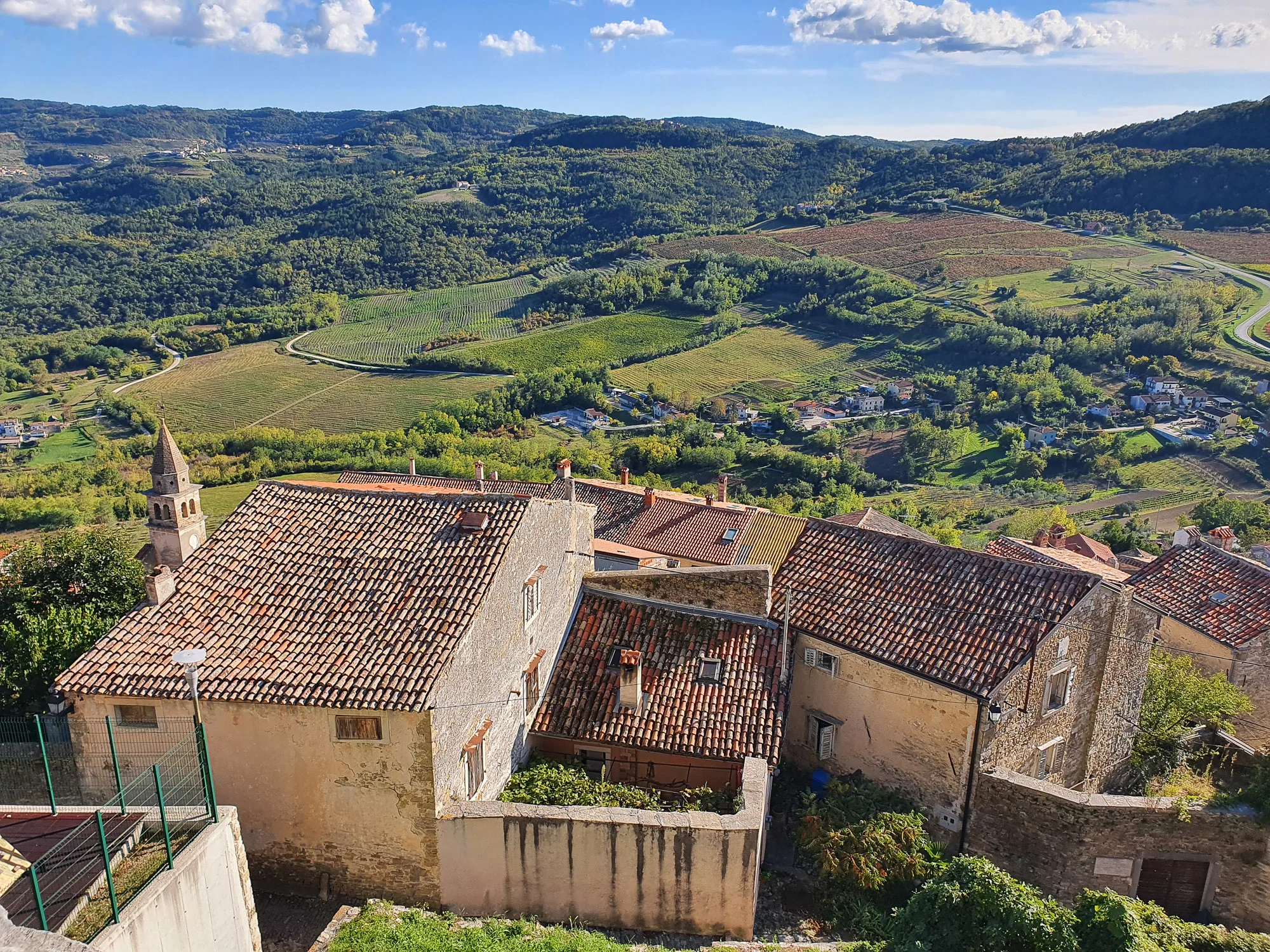
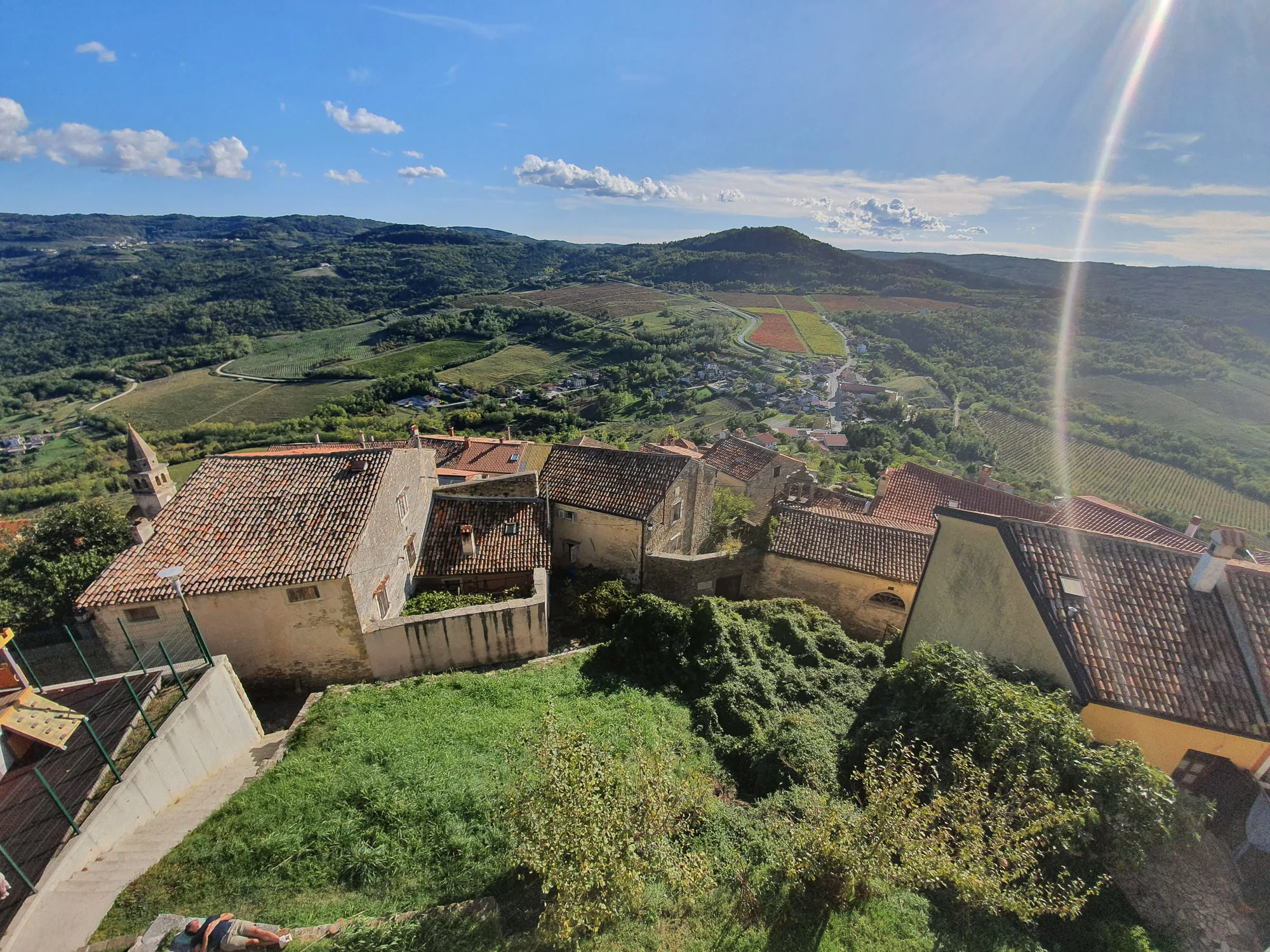
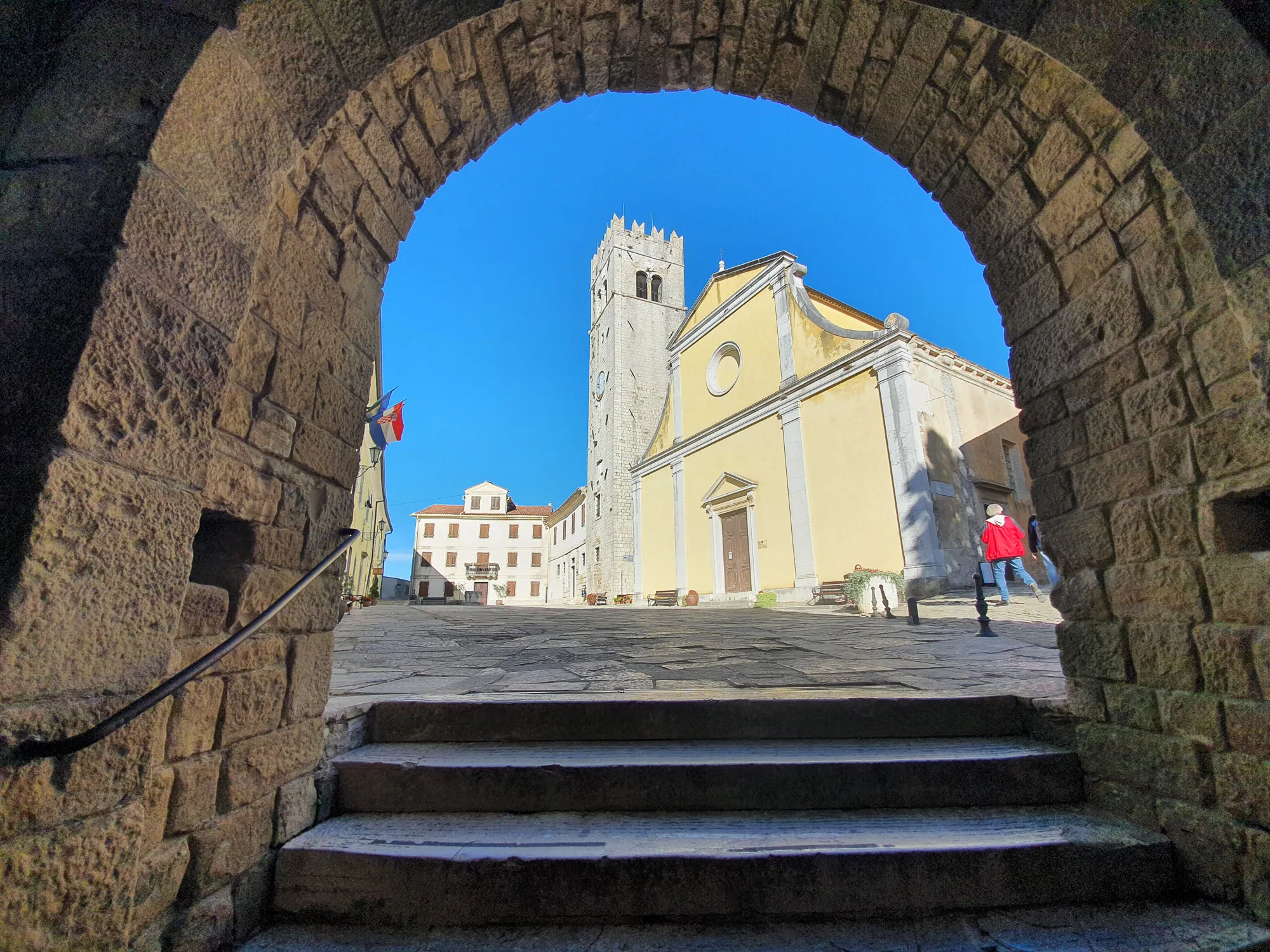
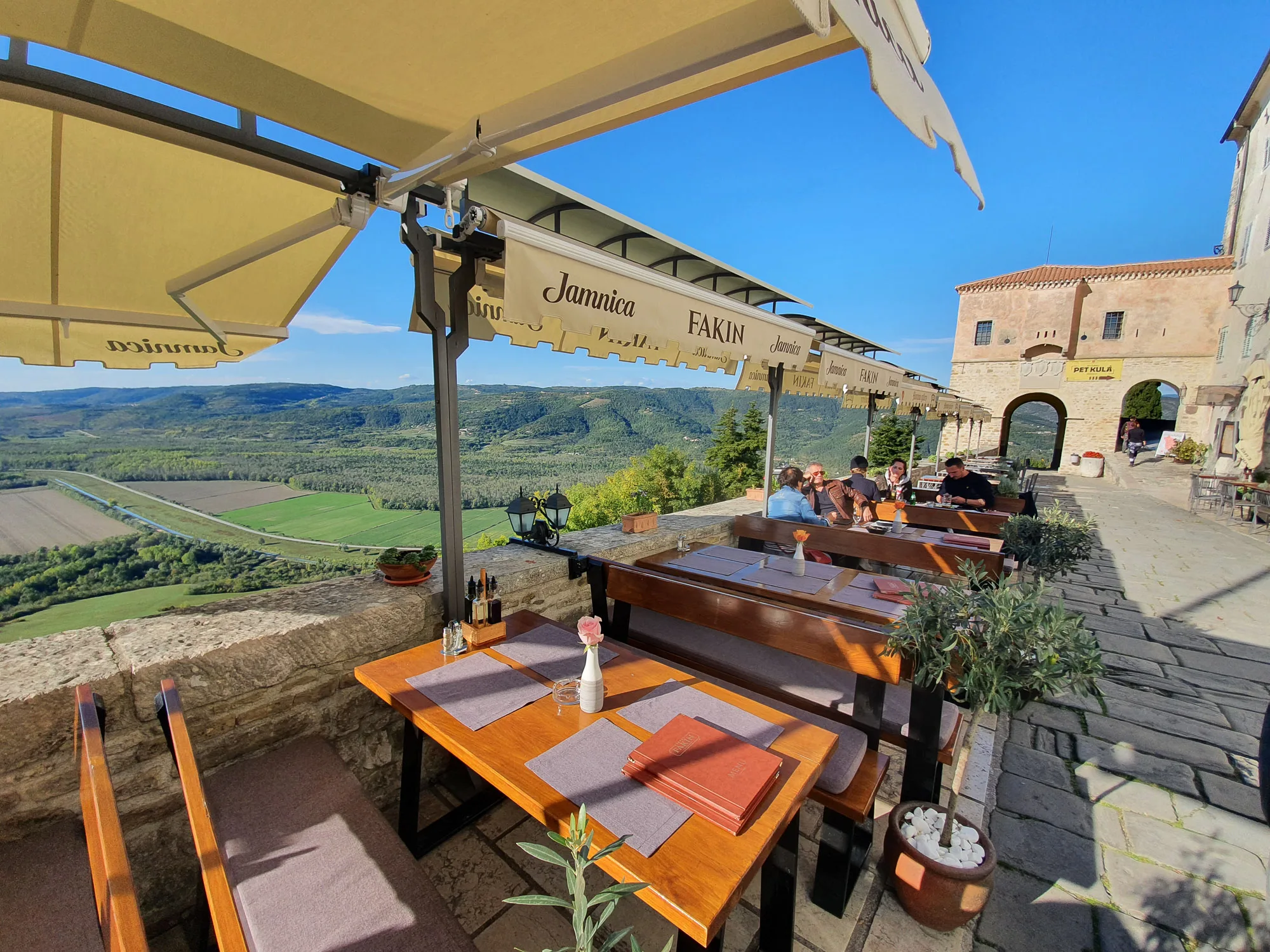
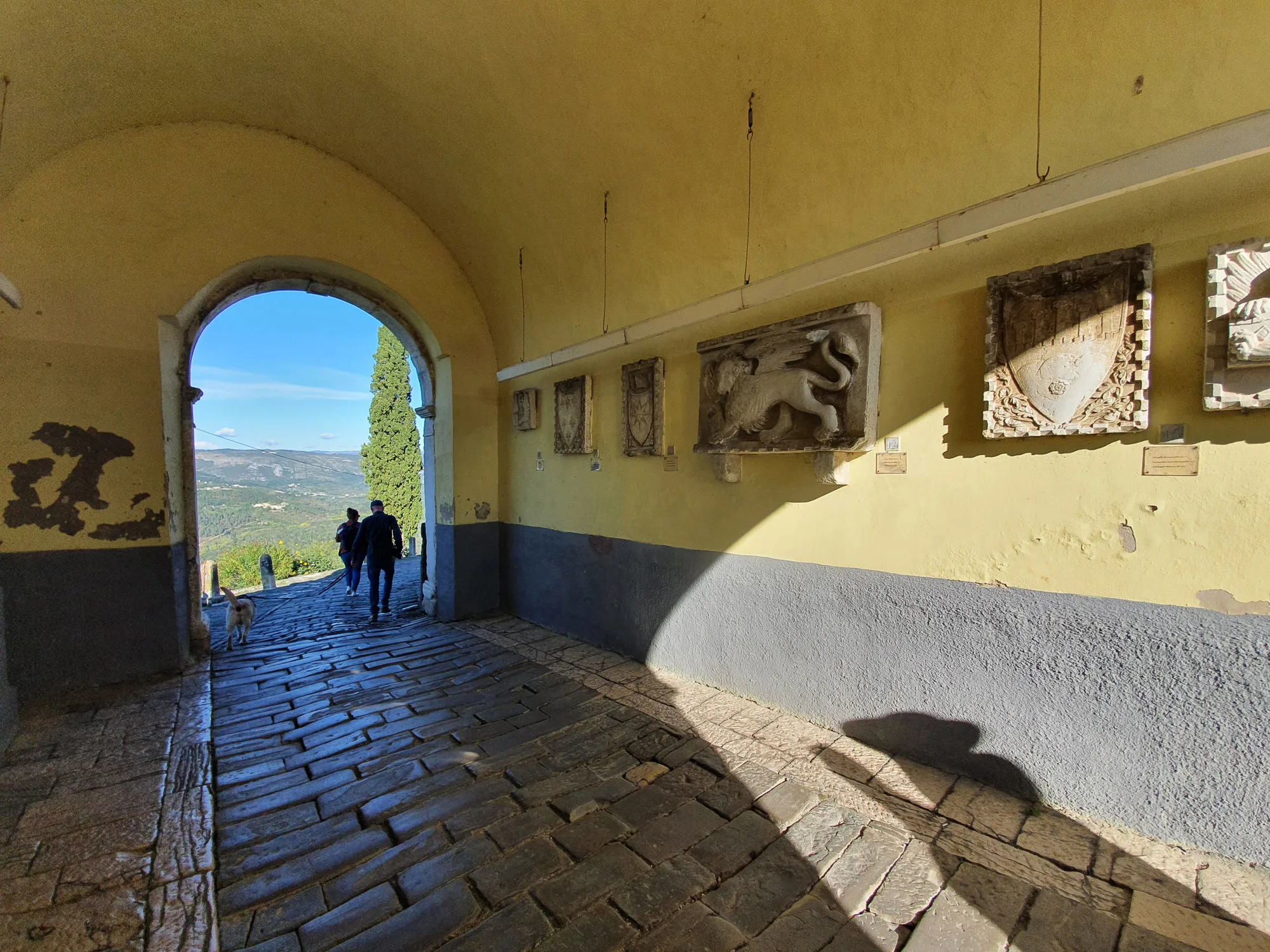
Motovun is one of inland Istria’s defining sights: a hilltop town overlooking the Mirna valley. It is a natural stop on a food-and-wine route through central and northern Istria and pairs well with nearby villages and truffle-producing areas. See the Motovun travel guide.
Pazin
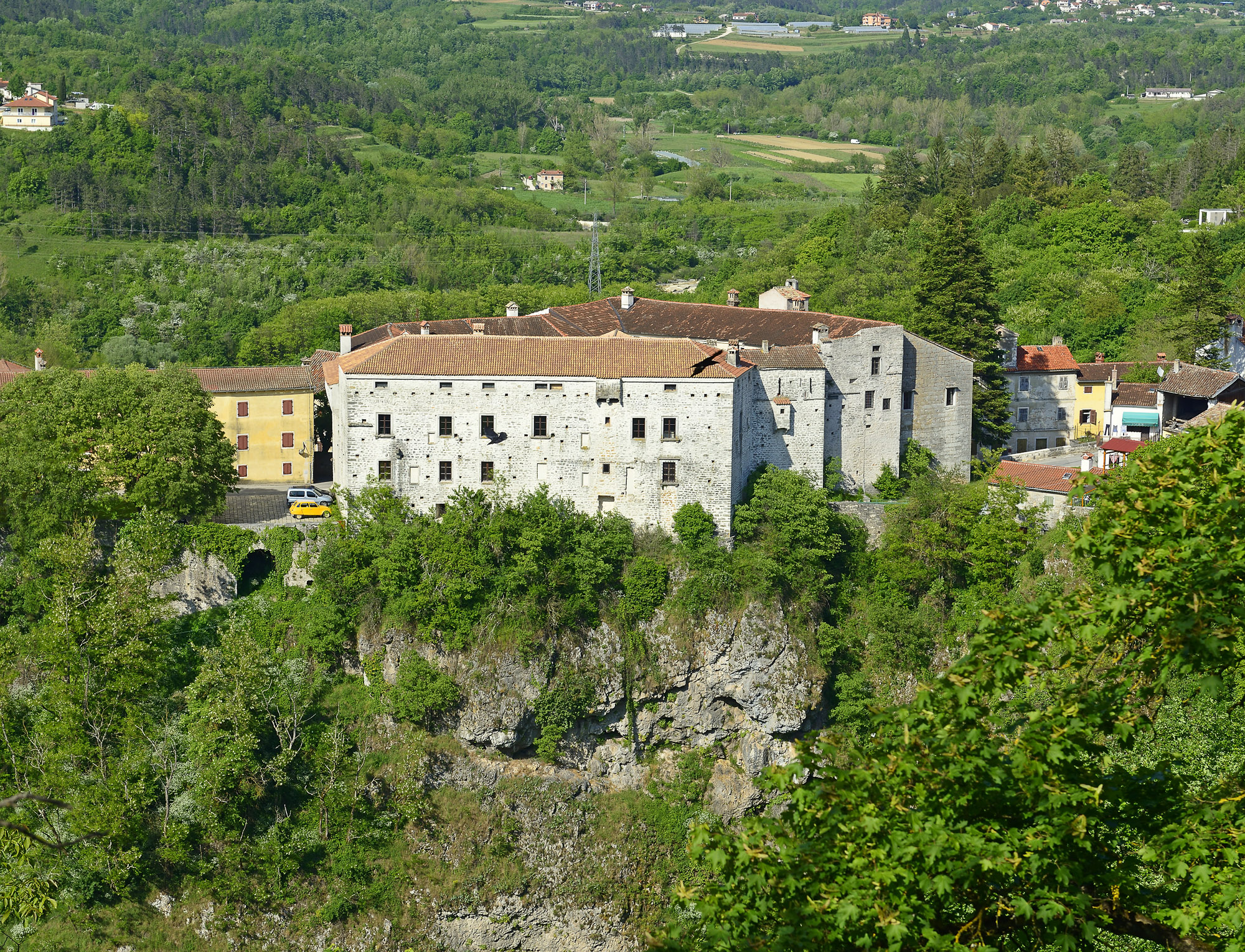
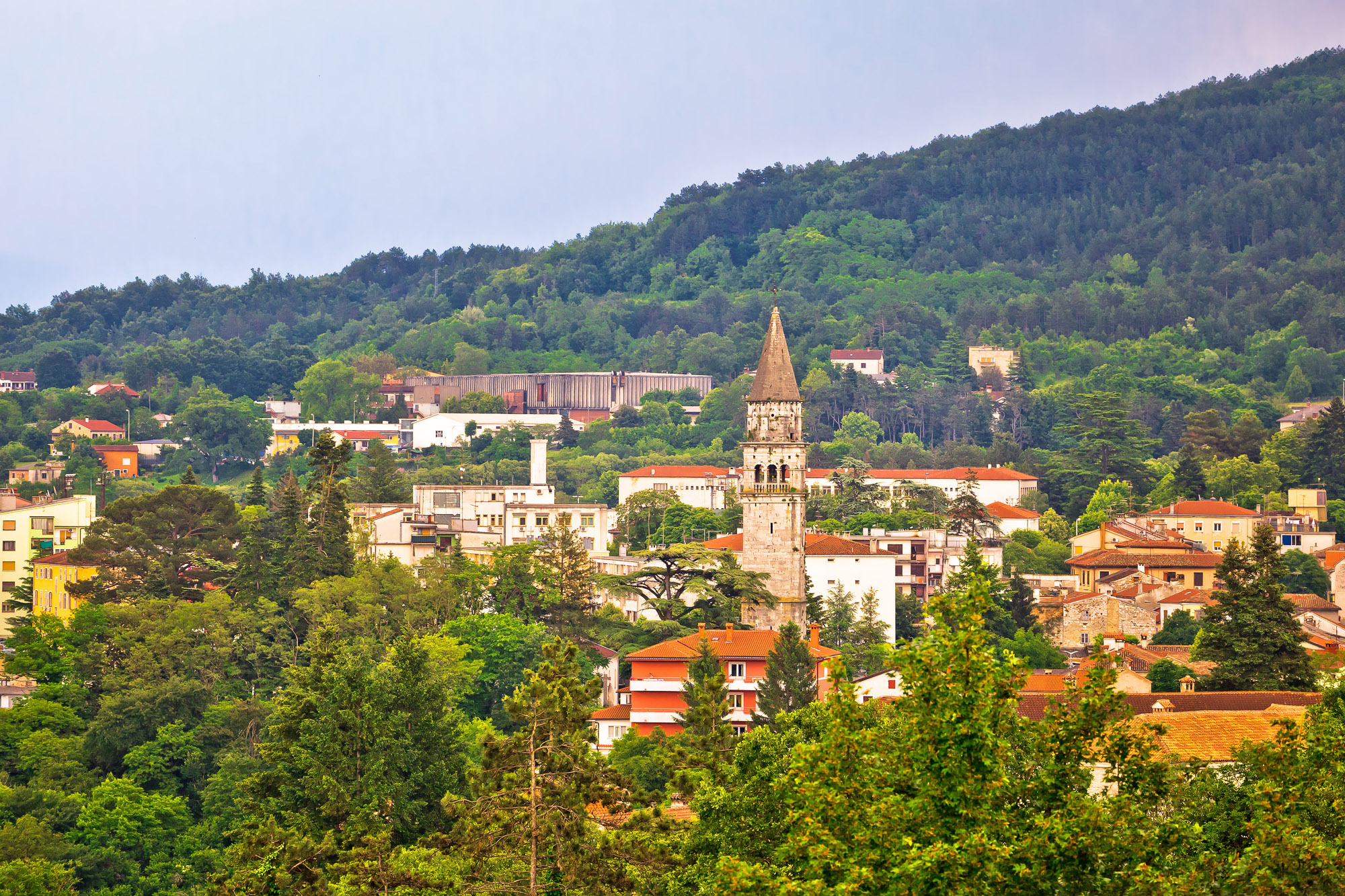
Pazin sits close to the geographical heart of the peninsula and offers a very different experience from the coast. Its castle and dramatic karst gorge make it a useful inland stop, especially on a cross-Istria drive. See the Pazin travel guide.
Coast or inland Istria?
For a first trip, the best approach is usually to combine both. Coastal Istria gives you old towns, sunsets, swimming and boat trips; inland Istria adds a slower rhythm, rural restaurants, wineries, olive-oil producers and medieval hill towns.
- Choose the west coast for postcard towns, easy evening walks and broad accommodation choice.
- Choose south Istria for Pula’s history, a more local urban feel and access to the southern coastline.
- Choose inland Istria for food, wine, countryside and a quieter stay.
- Split your stay if you have five nights or more and want to experience both sides properly.
Beaches in Istria
Istrian beaches are usually pebble, rock, stone platform or small-cove beaches rather than long natural sand beaches. That is part of the region’s character: pine-backed rocky coves, clear water and swimming spots built into the coastline are common.
Beach choice depends heavily on where you stay. Rovinj has attractive swimming around the forest parks and resort zones; Pula and the southern peninsula offer many coves; the Poreč, Vrsar, Novigrad and Umag areas combine public beaches with resort facilities. For broader inspiration, see Best Beaches in Croatia.
Food and wine
Istria is one of Croatia’s strongest food regions. The local table mixes Adriatic seafood with inland dishes, pasta, seasonal mushrooms, game, olive oil and wine. Truffles from the Mirna valley are especially associated with northern and central Istria, while coastal restaurants focus more strongly on fish and shellfish.
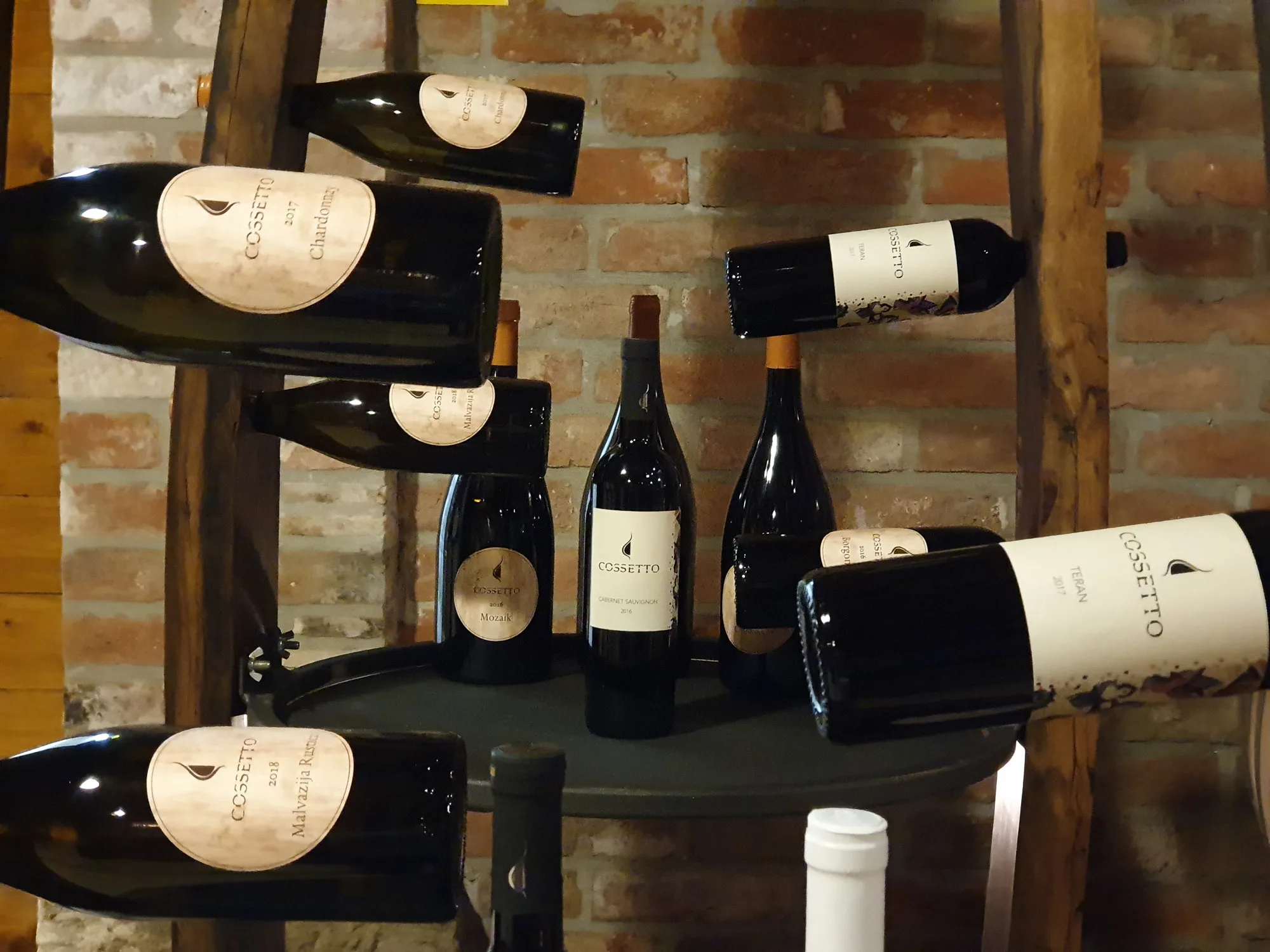
Look for local olive oils, Malvazija Istarska white wine and Teran red wine. Food-focused travellers should allow time for rural konobas, wineries and olive-oil tastings rather than treating every day as a sightseeing race.
Nature and outdoor experiences
Istria is not only an old-town destination. Walking and cycling routes cross the peninsula, including converted railway sections and rural trails. Coastal parks, the Cape Kamenjak area in the far south and the Brijuni archipelago add a strong nature element to a trip.
Outdoor conditions are most comfortable in spring and autumn, while summer is better for swimming and boat-based days. In hot weather, schedule inland sightseeing for the morning or late afternoon.
How many days do you need in Istria?
- 2–3 days: one coastal base with a day trip inland.
- 4–5 days: enough for Rovinj, Pula and several inland or west-coast stops.
- 7 days: ideal for a slower peninsula road trip with beaches, food and countryside.
- 10+ days: suitable for a relaxed holiday that mixes sightseeing with beach days and short excursions.
If Istria is one part of a longer Croatian trip, the How Many Days in Croatia? guide can help you balance it with other regions.
Getting to Istria
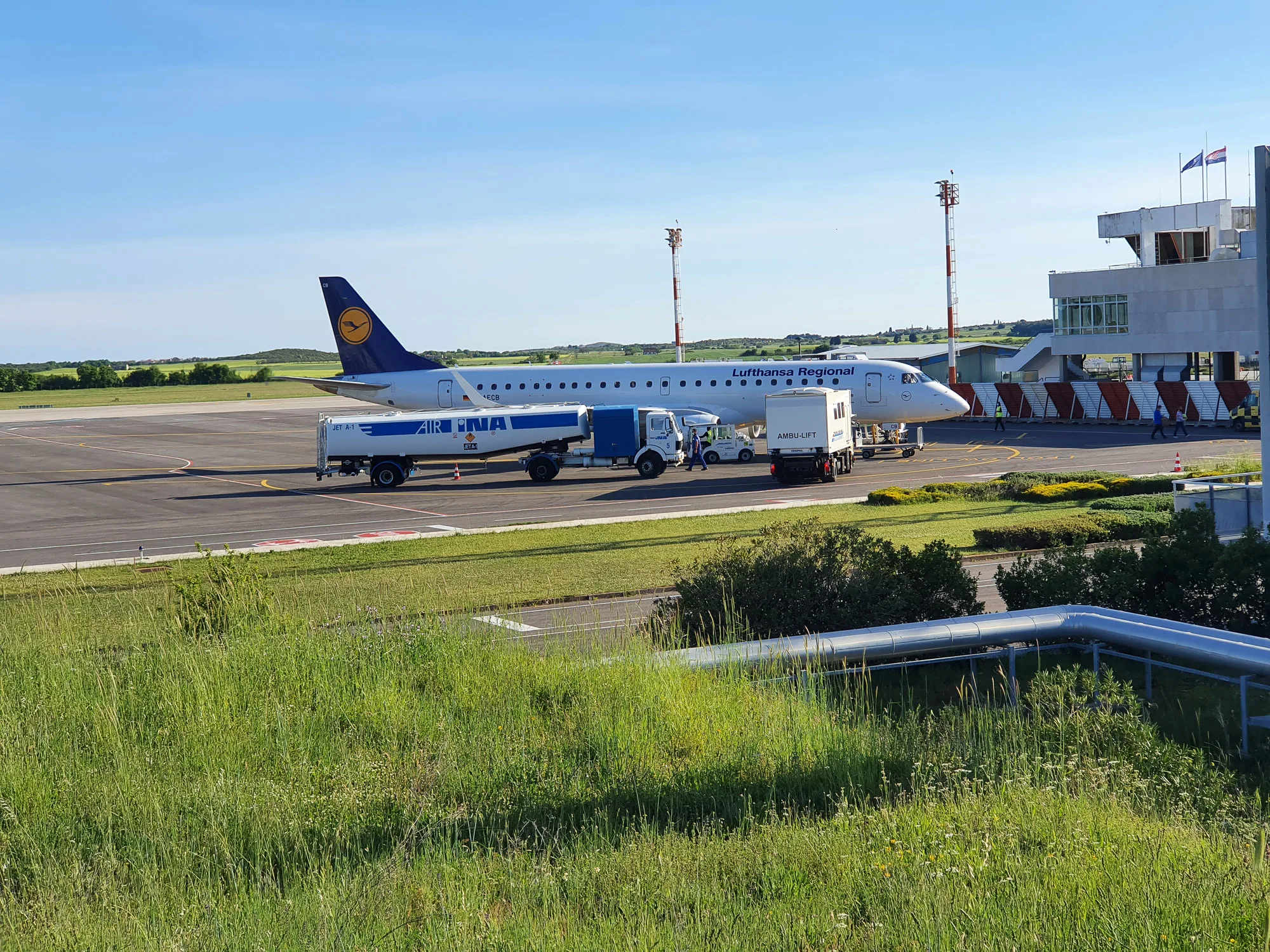
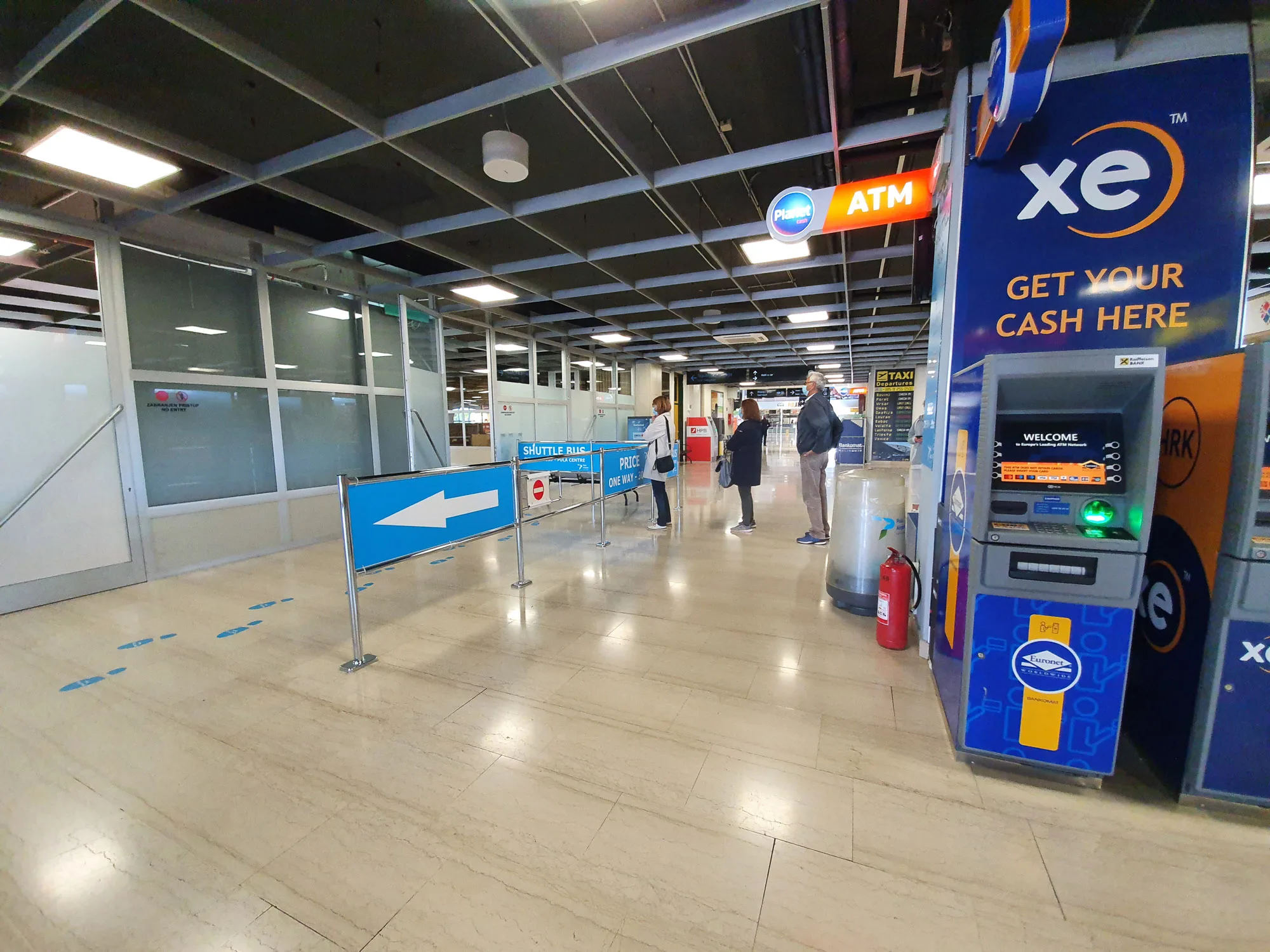
Pula Airport is the main airport within Istria. Depending on the season and your departure city, travellers also use airports in Zagreb, Rijeka, Trieste, Venice or Ljubljana and continue by road. Cross-border options are practical for some itineraries, but transfer times and rental-car rules should always be checked before booking.
By car, Istria connects well with the rest of Croatia and with Slovenia and Italy. If you are building a self-drive trip, allow extra time in peak summer for border-area, motorway and resort traffic.
Getting around Istria
A car gives the greatest flexibility, particularly for hill towns, wineries, beaches outside town centres and rural restaurants. Public buses connect the main towns, but they are less convenient for multi-stop countryside days.
If you do not want to drive, base yourself in one of the larger coastal towns and plan fewer but more deliberate day trips. Rovinj, Pula and Poreč are among the easiest bases for combining walkability with organised excursions and bus connections.
Best time to visit Istria
Late spring and early autumn are excellent for sightseeing, cycling and food-focused travel because temperatures are milder and the major towns are less pressured than in the height of summer. July and August are best for a classic beach holiday and the broadest seasonal tourism services, but they are also the busiest months.
September is particularly attractive for travellers who want warm sea temperatures with a more relaxed feel, while autumn is important for truffle-focused gastronomy. For a country-wide comparison, see the Best Time to Visit Croatia guide.
Suggested 5-day Istria itinerary
- Day 1: arrive and explore Rovinj.
- Day 2: beach or coastal morning, then visit Poreč or Vrsar.
- Day 3: inland loop through Motovun and the Mirna valley.
- Day 4: Pula and south Istria.
- Day 5: choose a slower beach day, wine-and-olive-oil experience or another hill town before departure.
This works best with a car, but it can be adapted around organised day trips if you are staying in a major coastal base.
Istria with kids
Istria is one of Croatia’s easiest regions for families because distances are manageable and it is simple to alternate sightseeing with swimming, parks and low-effort excursions. Accommodation choice is broad, and many coastal areas have resort-style beaches and family facilities. For wider planning advice, see Croatia with Kids.
Istria for couples
Rovinj’s old town, inland wine country, hilltop villages and small coastal restaurants make Istria particularly strong for couples. A good romantic trip does not need an overloaded schedule: one attractive coastal base plus a day inland is often more rewarding than changing hotels repeatedly. See Croatia for Couples for more ideas around the country.
Practical planning tips
- Book peak-summer accommodation and popular restaurants in advance.
- Expect rocky and pebble beaches; water shoes can be useful.
- Do not plan only coastal towns: inland Istria is a major part of the region’s appeal.
- Check seasonal opening times for attractions, wineries and boat excursions.
- For current events and destination information, consult the official Istria Tourist Board.
Final thoughts
Istria is one of Croatia’s most versatile regions. You can build a trip around Roman history, old coastal towns, beaches, wine, truffles, cycling or relaxed countryside drives and still keep transfer times short. For most first-time visitors, the strongest plan is a coastal base with at least one full day inland—enough to experience both the Adriatic and the peninsula’s distinctive interior.
Travel guides
Featured articles about Istria
- Destinations, Istria
Labin, Croatia: Travel Guide to Old Town, Art, Mining History and Rabac
Discover Labin’s atmospheric old town, mining museum, art galleries, Rabac day trips and practical travel tips for eastern…
- Destinations, Istria
Rabac, Croatia: Travel Guide to Pebble Beaches, Labin and Coastal Walks
Plan a Rabac holiday with pebble beaches, scenic waterfront walks, where to stay, Labin day trips and practical…
 Destinations, Istria
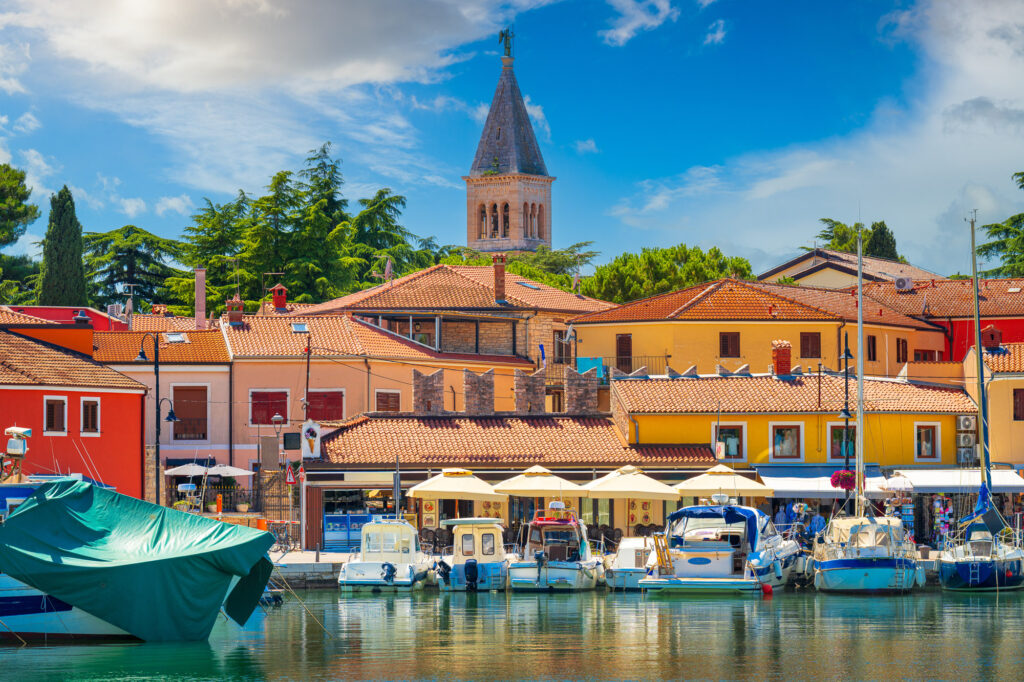
Fažana, Croatia: Travel Guide to Brijuni Boats, Beaches and the Old Harbour
Explore Fažana’s fishing harbour, beaches, Brijuni National Park boats, where to stay and practical tips for visiting this…
- Destinations, Istria
Medulin, Croatia: Travel Guide to Bijeca Beach, Vižula and Things to Do
Plan a Medulin holiday with Bijeca’s sandy beach, Vižula Archaeological Park, day trips, accommodation areas and practical southern…
 Istria
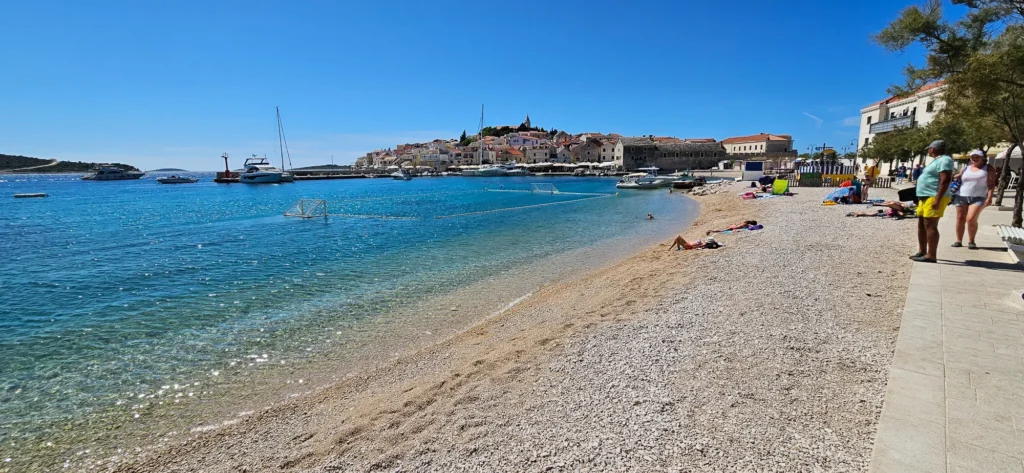
, Croatia: Complete Travel Guide to Rovinj, Pula, Hill Towns and Beaches
Rovinj, Pula, Poreč, Motovun and the hill towns, beaches, truffles and wine: where to go, how to get…
 Destinations
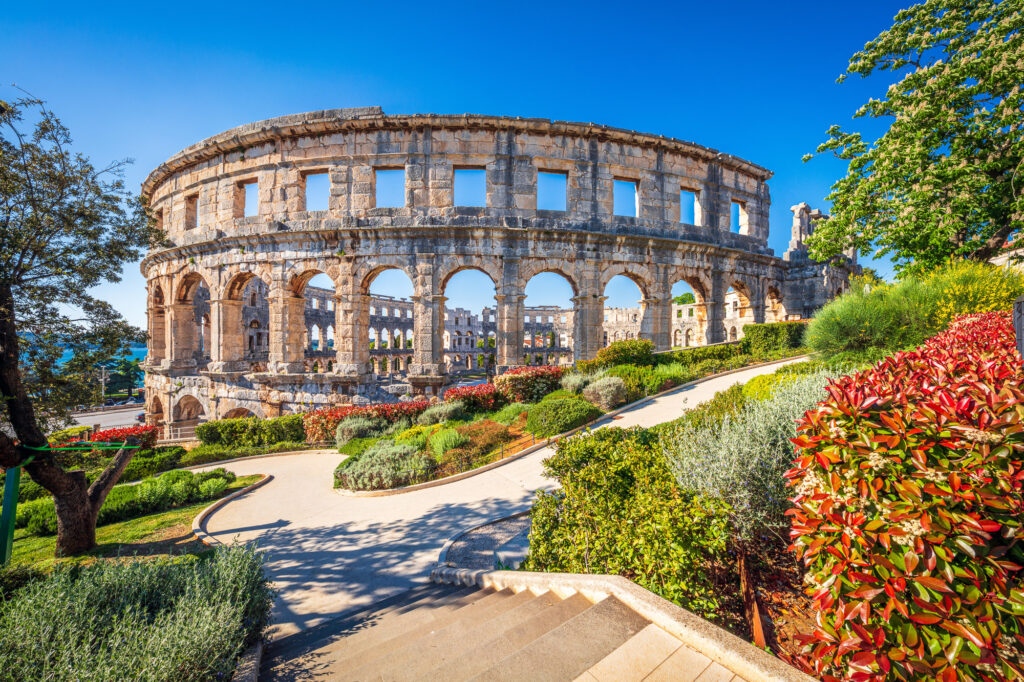
Pula, Croatia: A Complete Guide to the Roman City of Istria
Plan your visit to Pula: the Roman Arena, Temple of Augustus, beaches, food, parking, day trips to Brijuni…