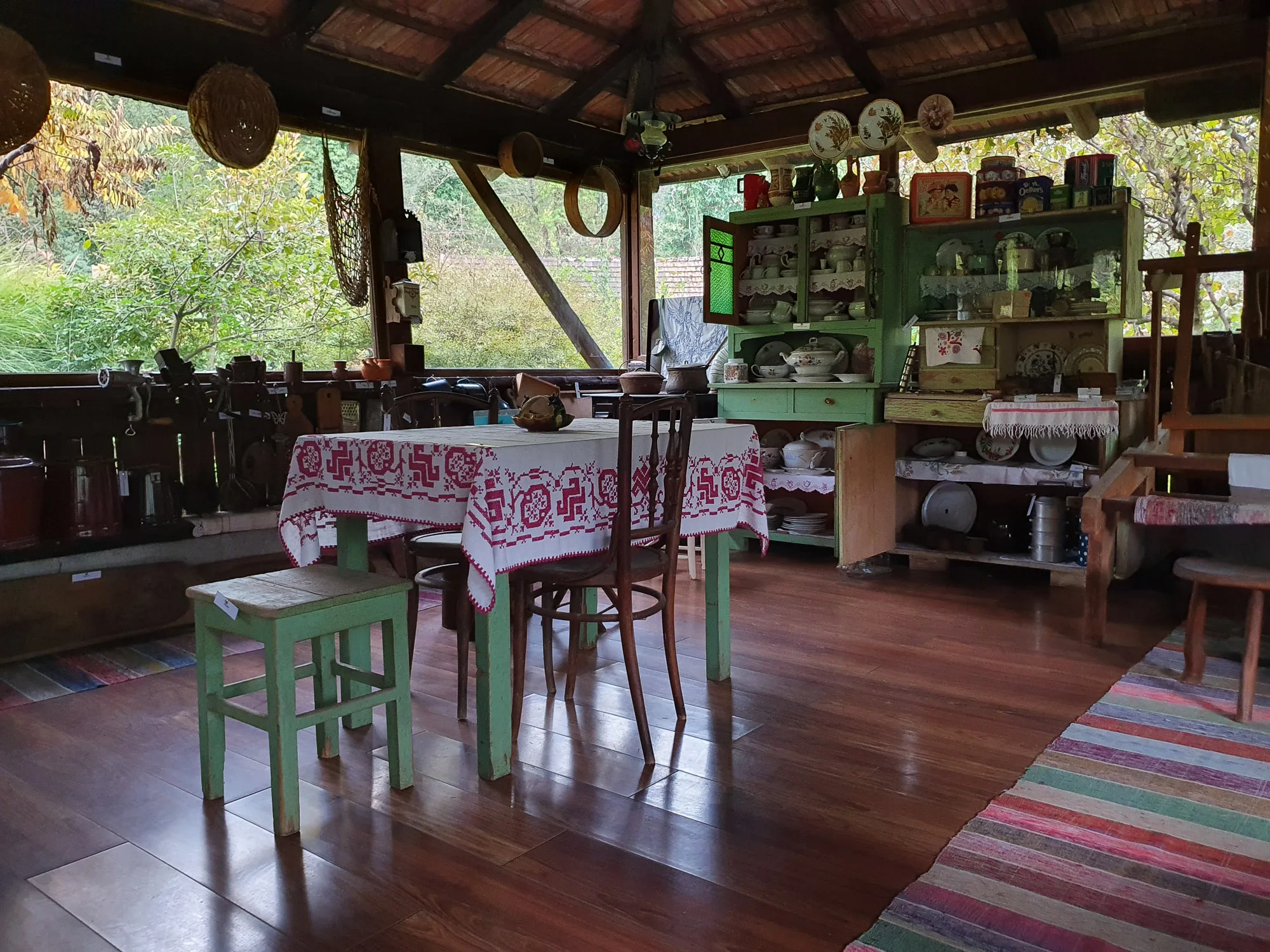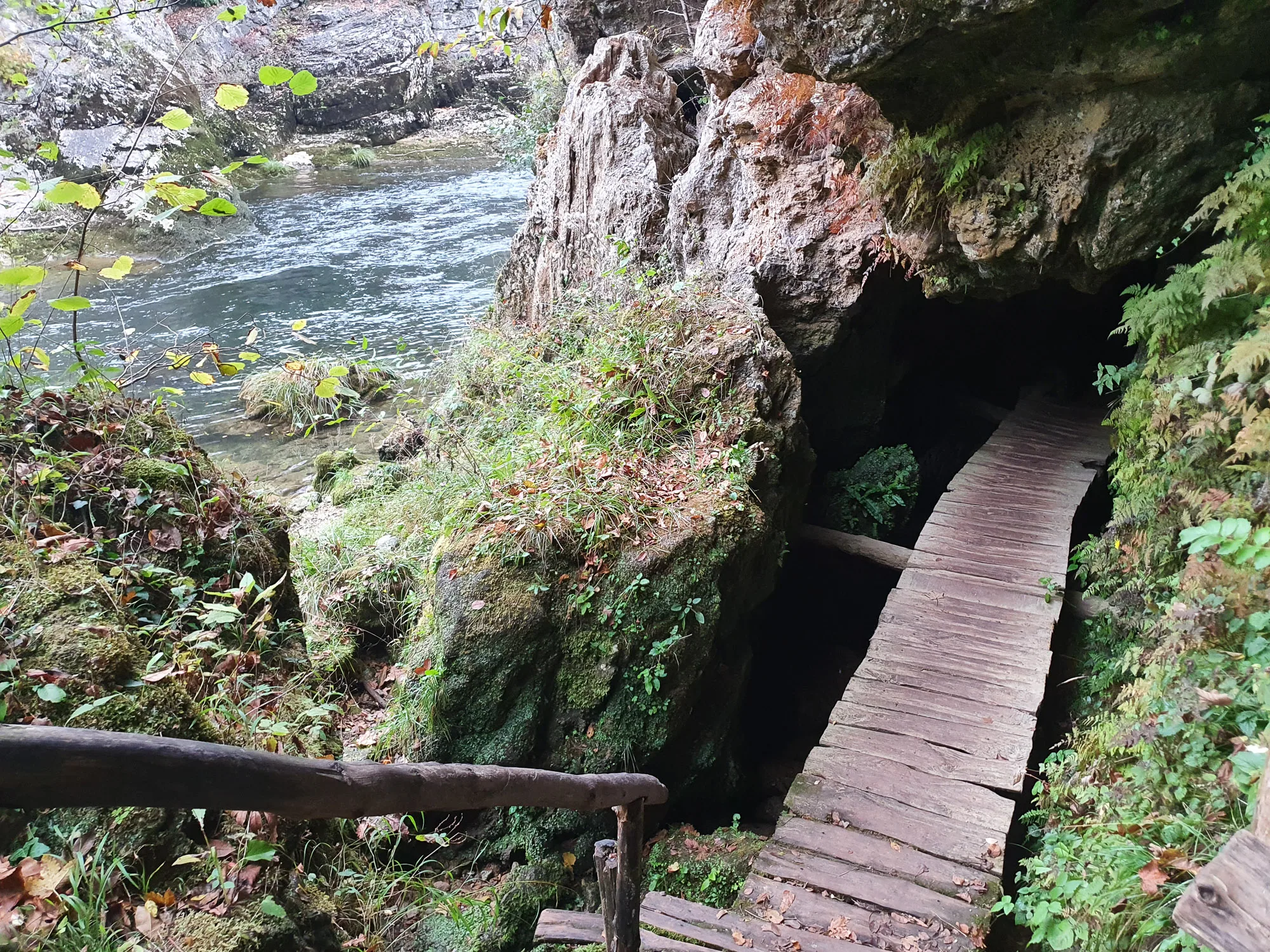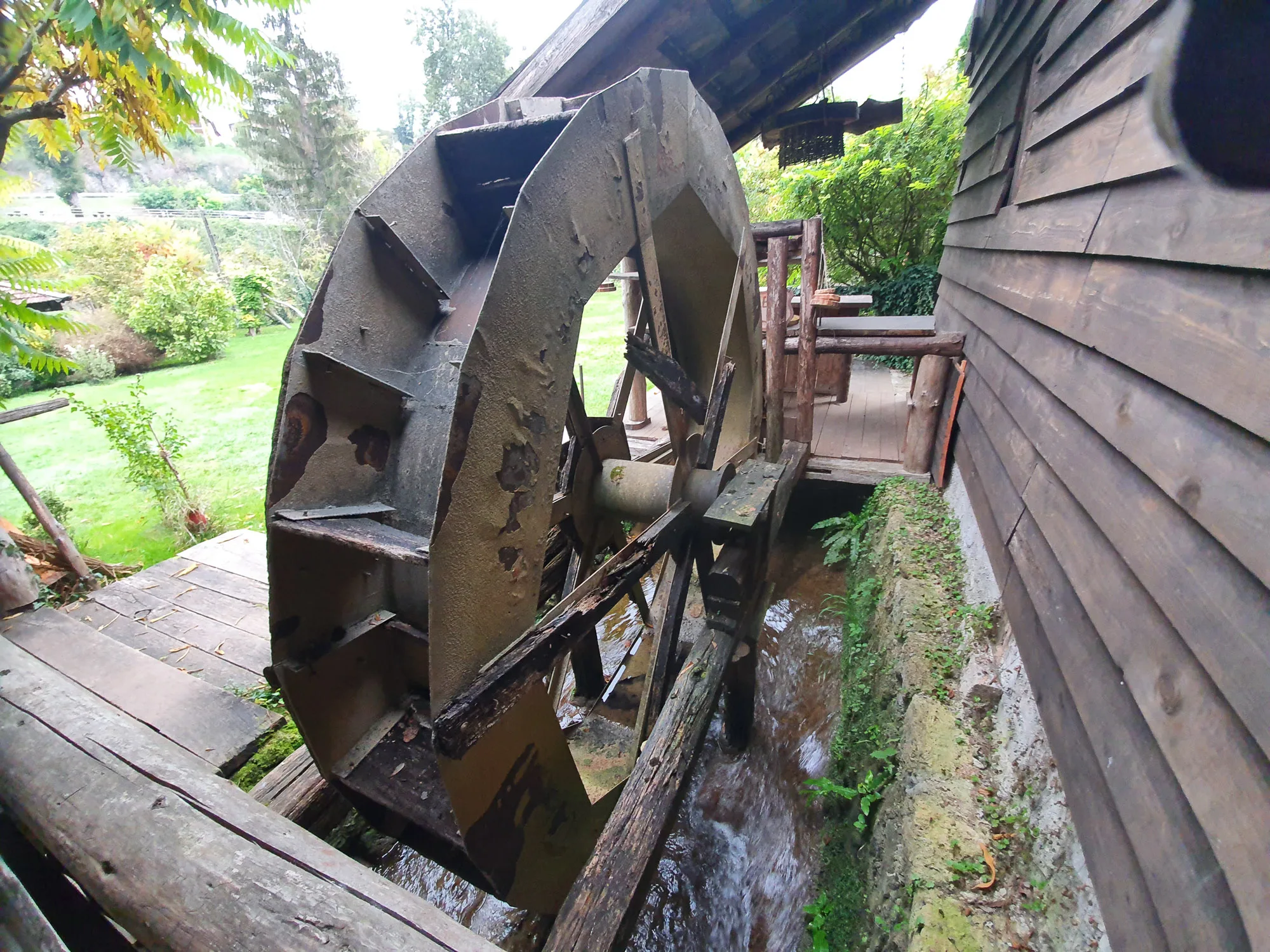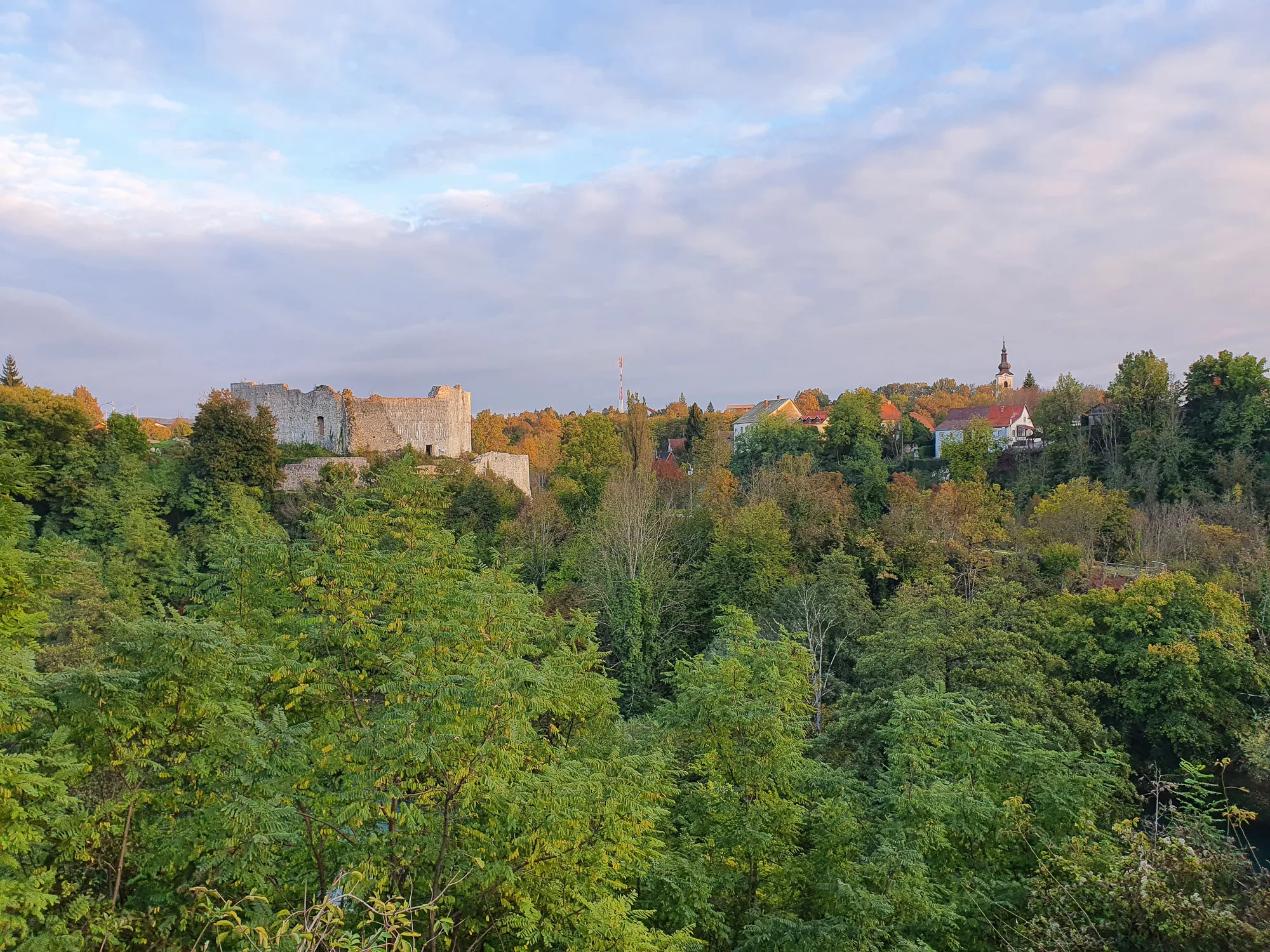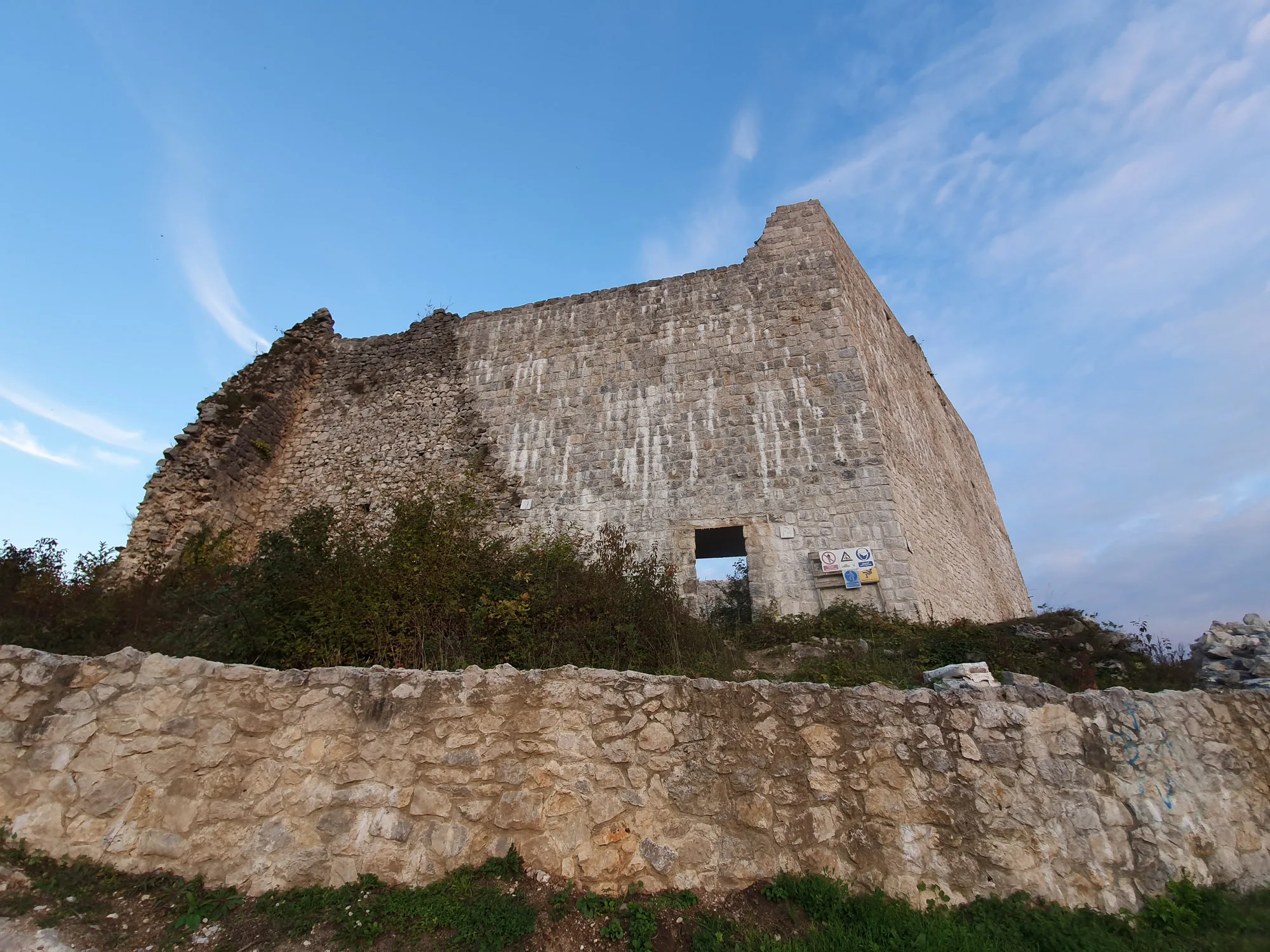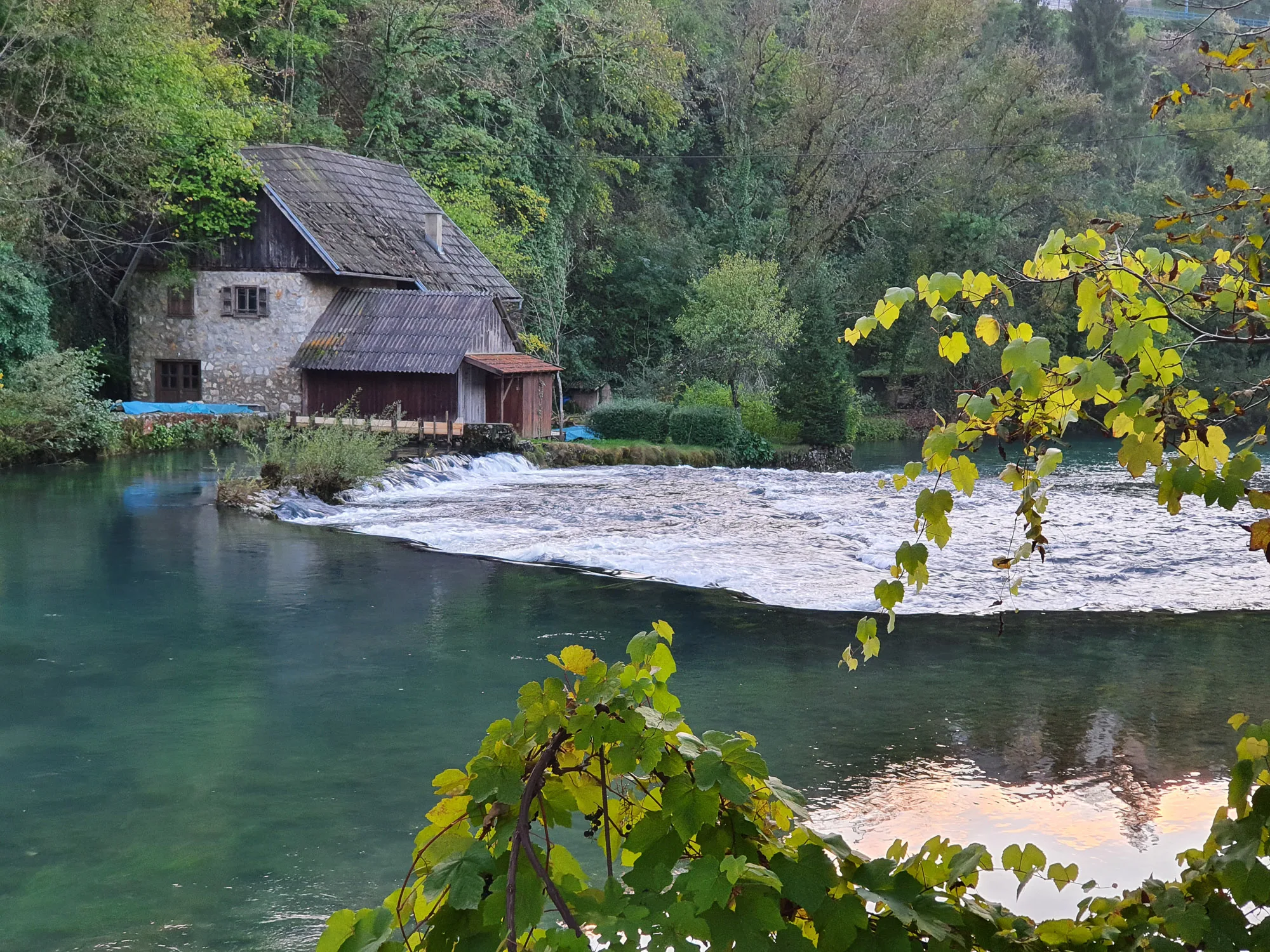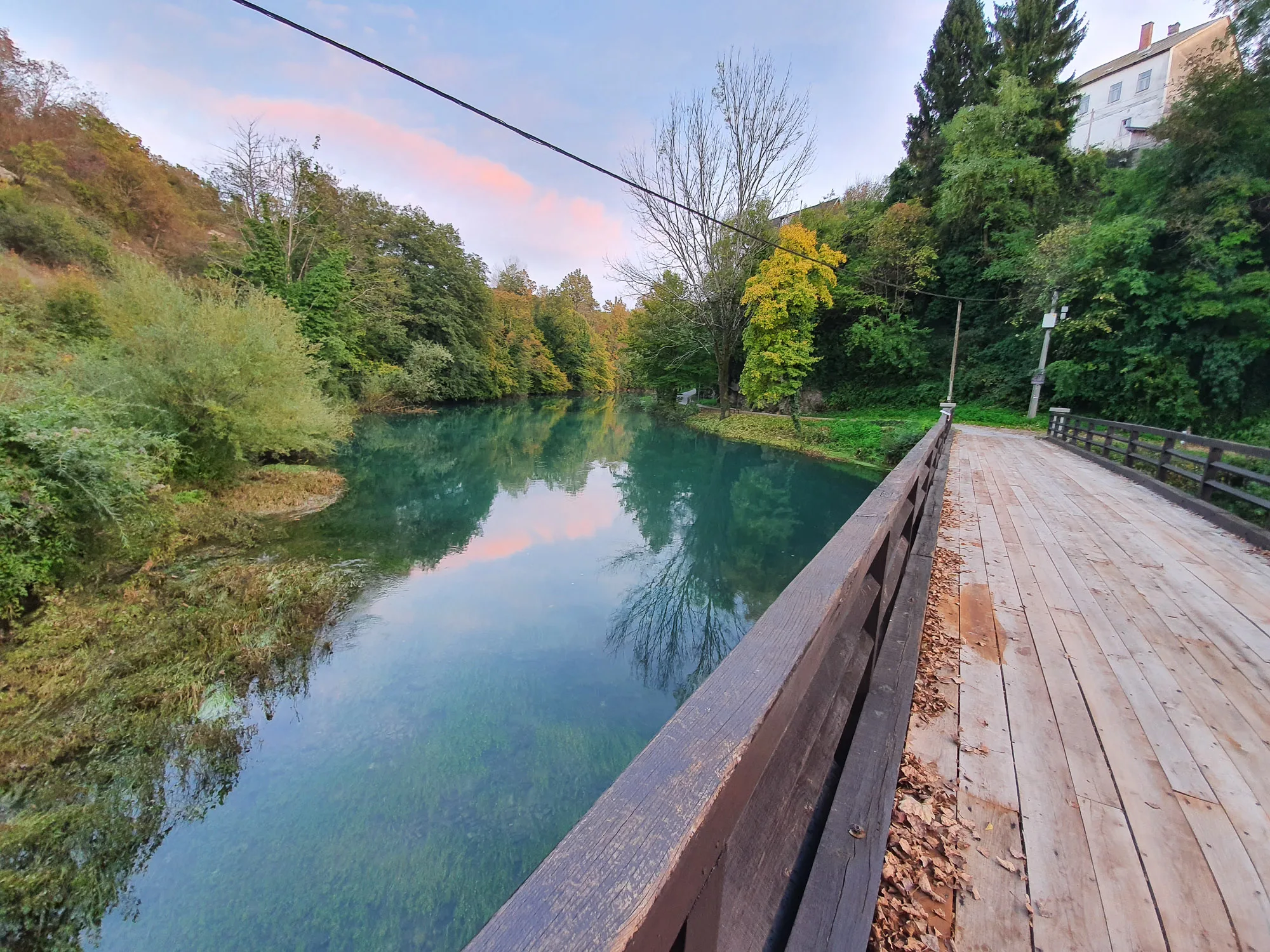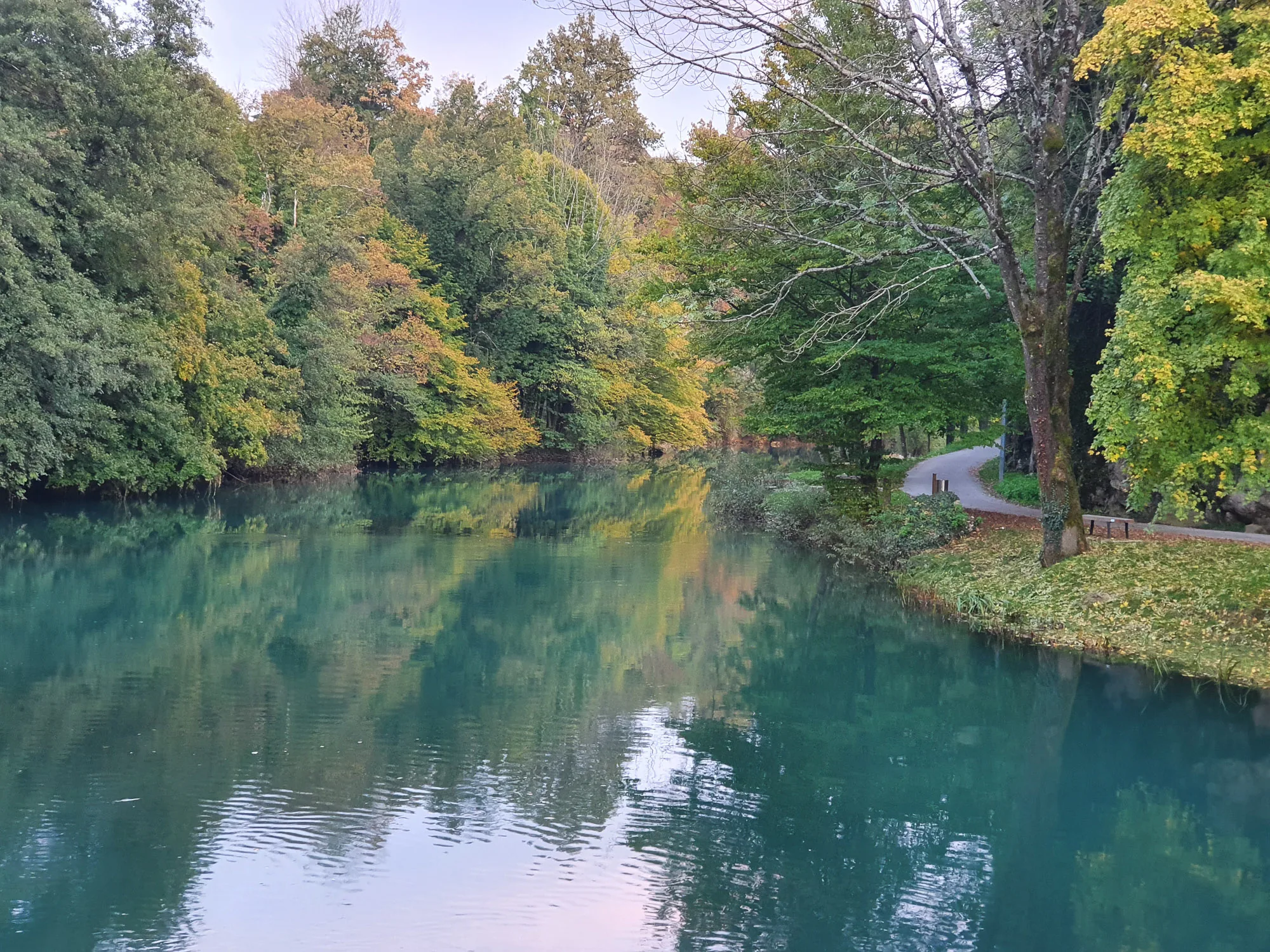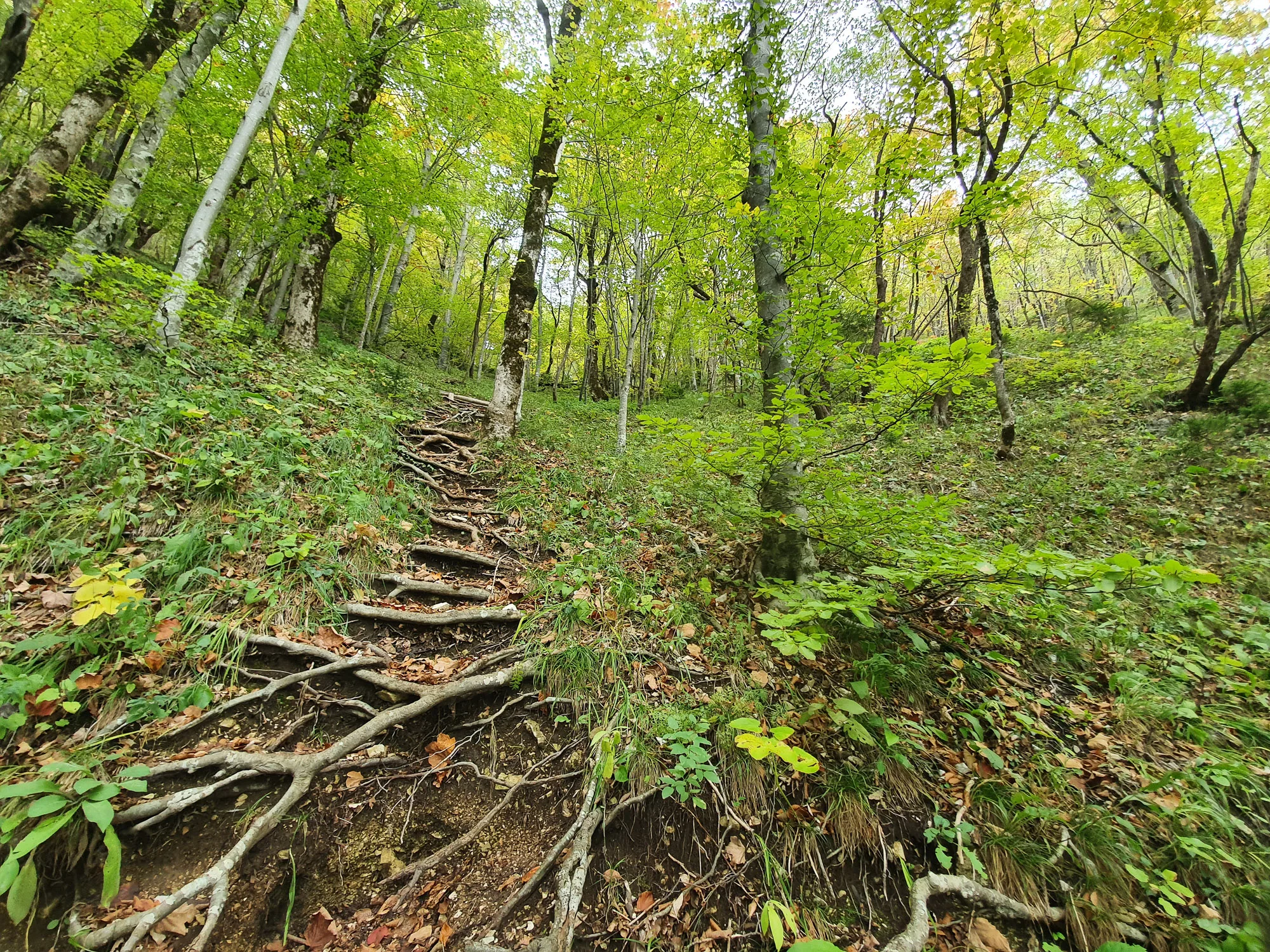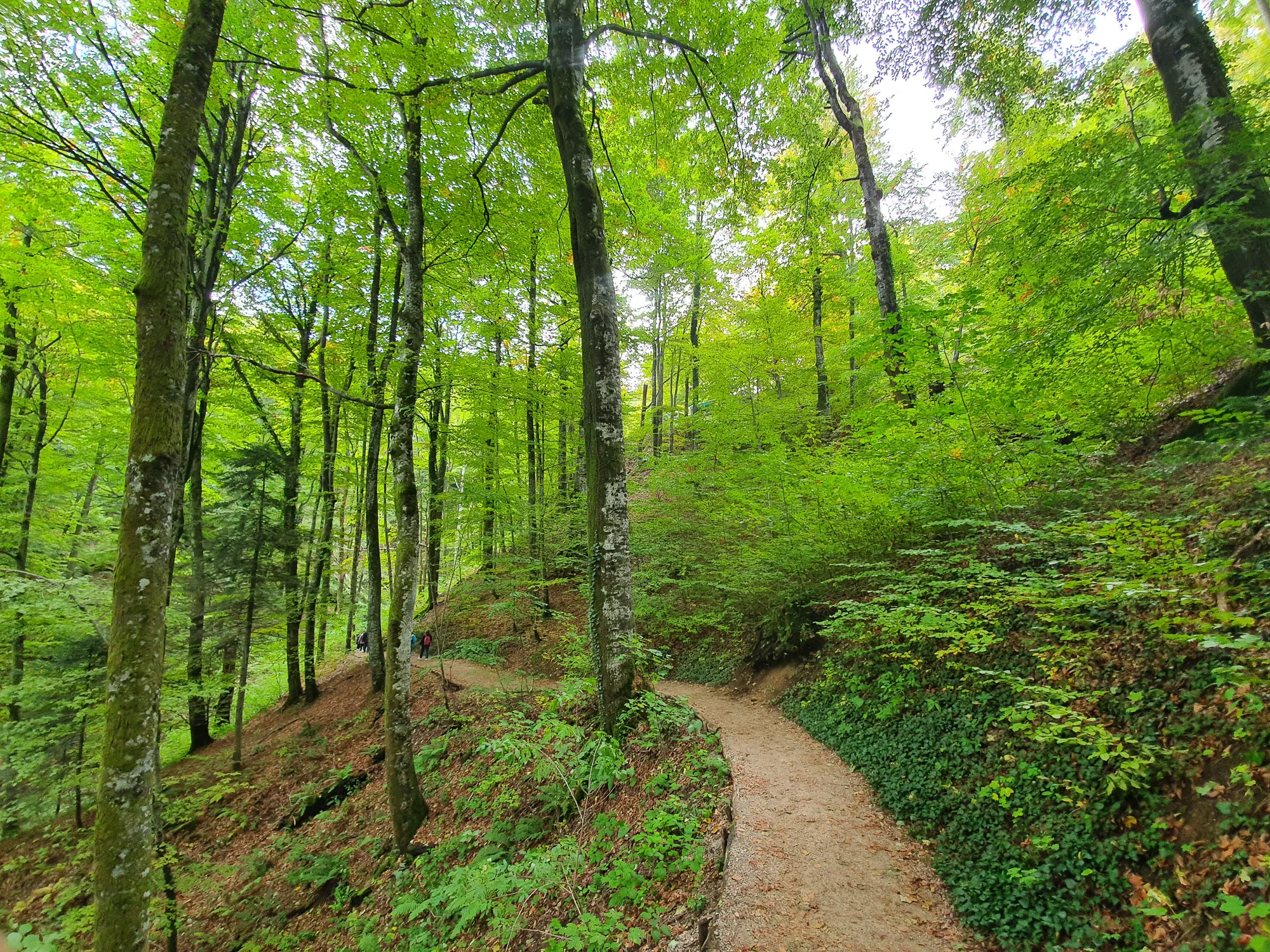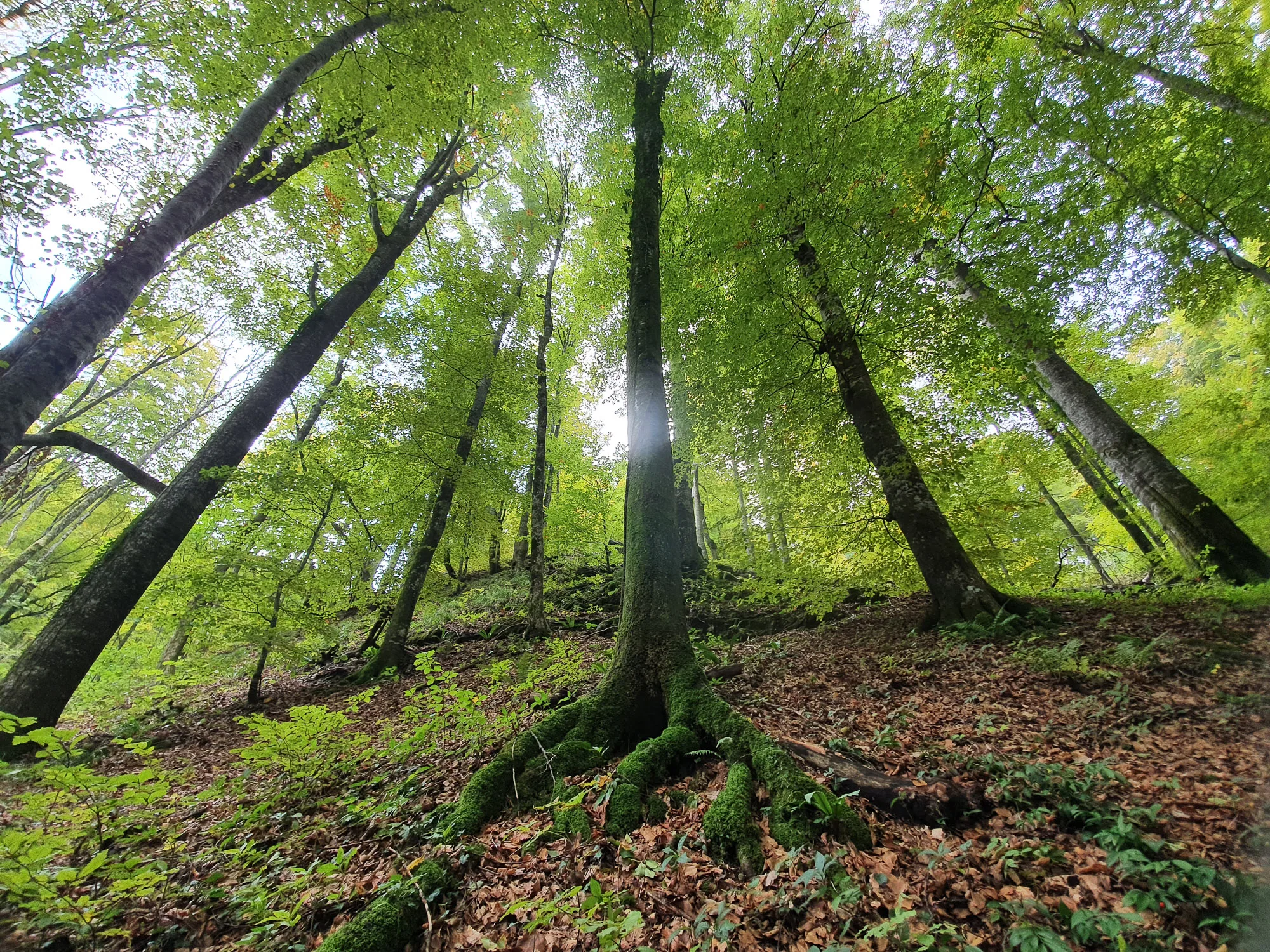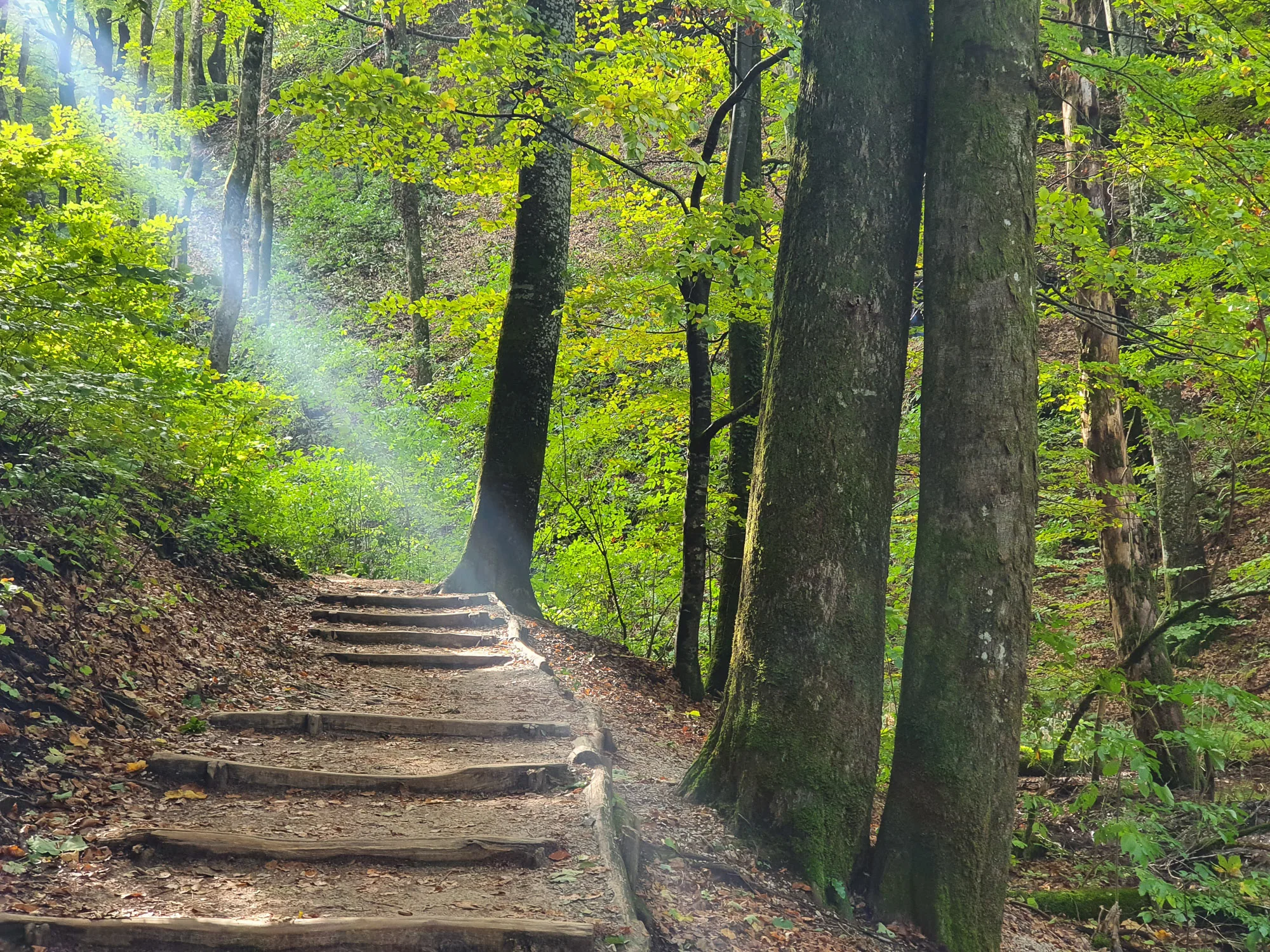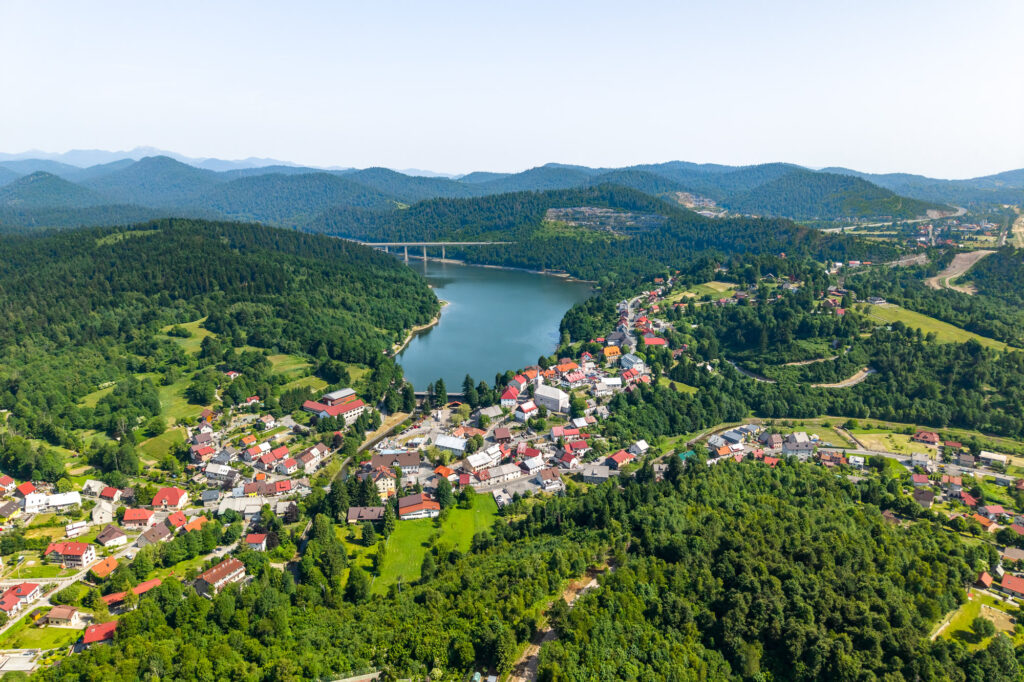
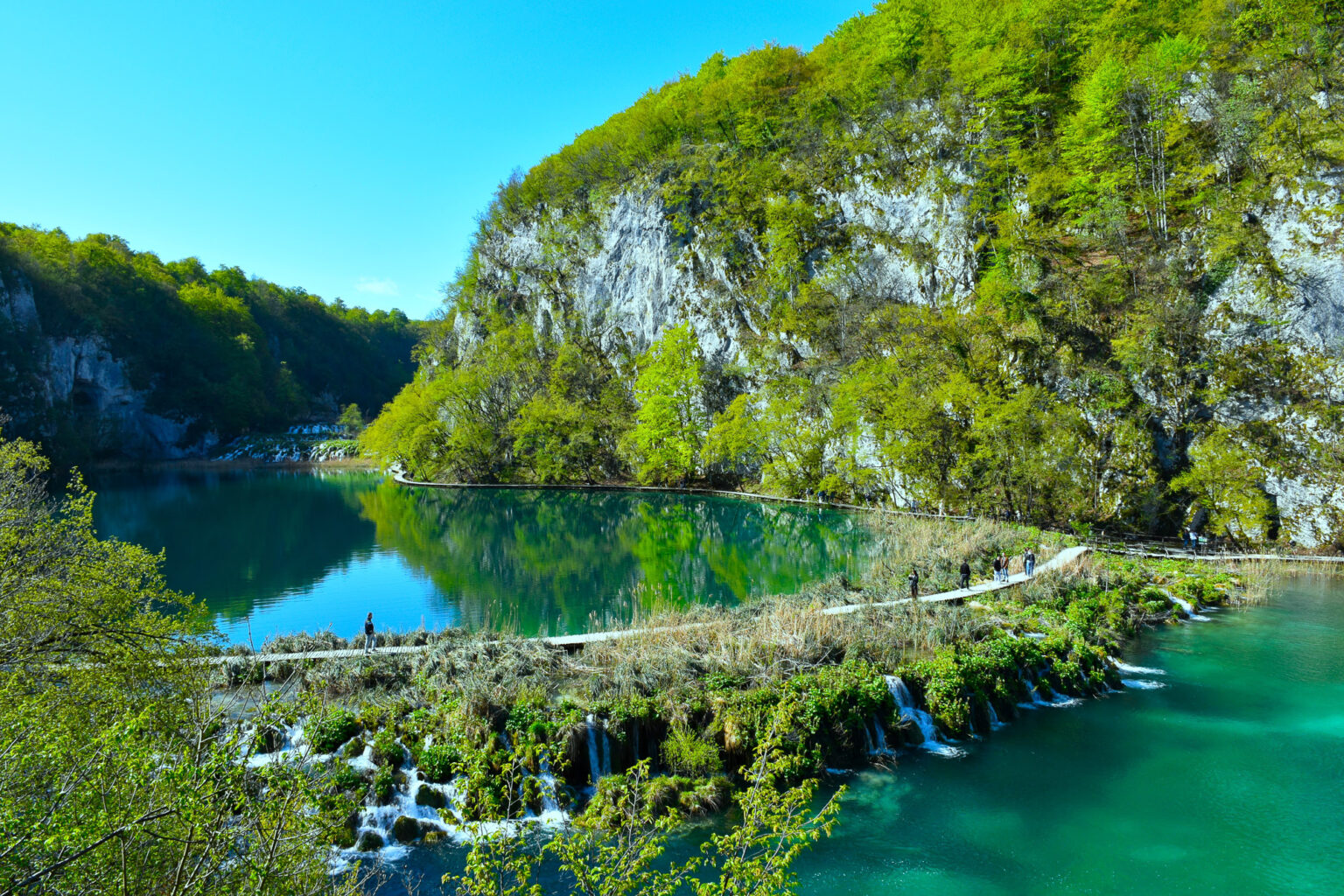
Lika is Croatia’s mountainous heartland between Zagreb and the Adriatic coast: high plateaus, karst fields, beech forests and the long Velebit range. It is the most sparsely populated region in the country, and most visitors come for one place – Plitvice Lakes – but it rewards anyone who stays a little longer.
Plitvice Lakes National Park
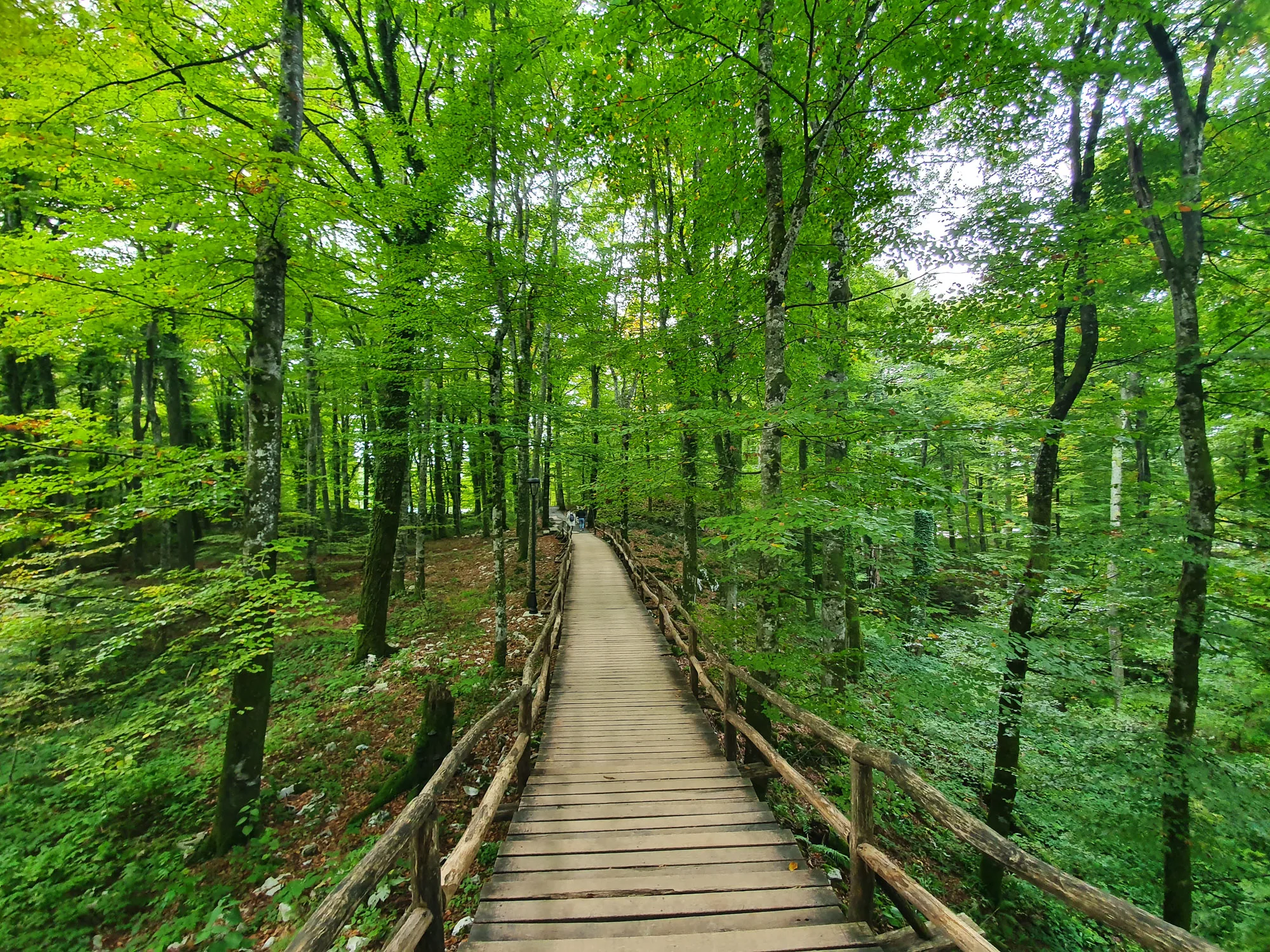
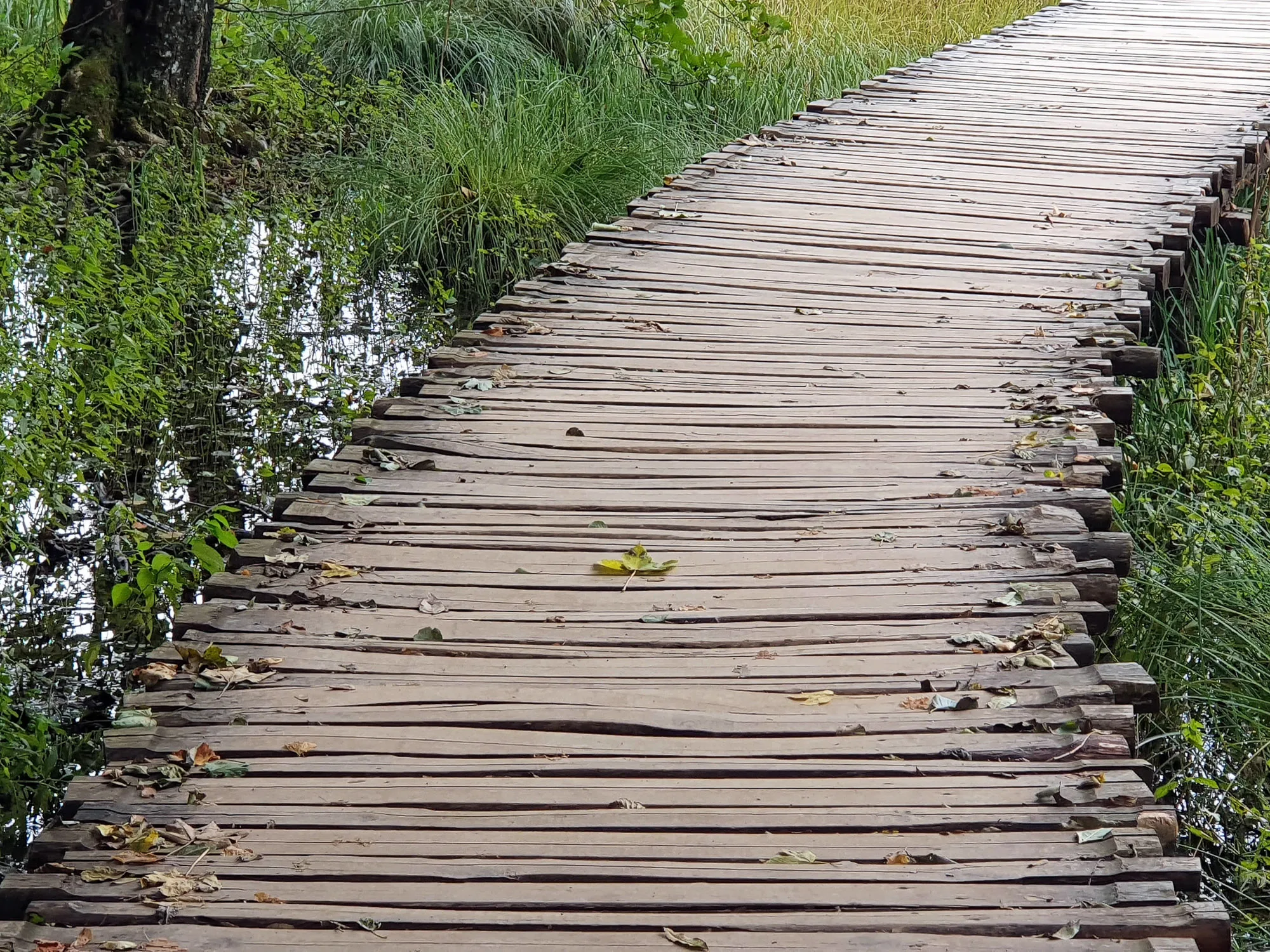
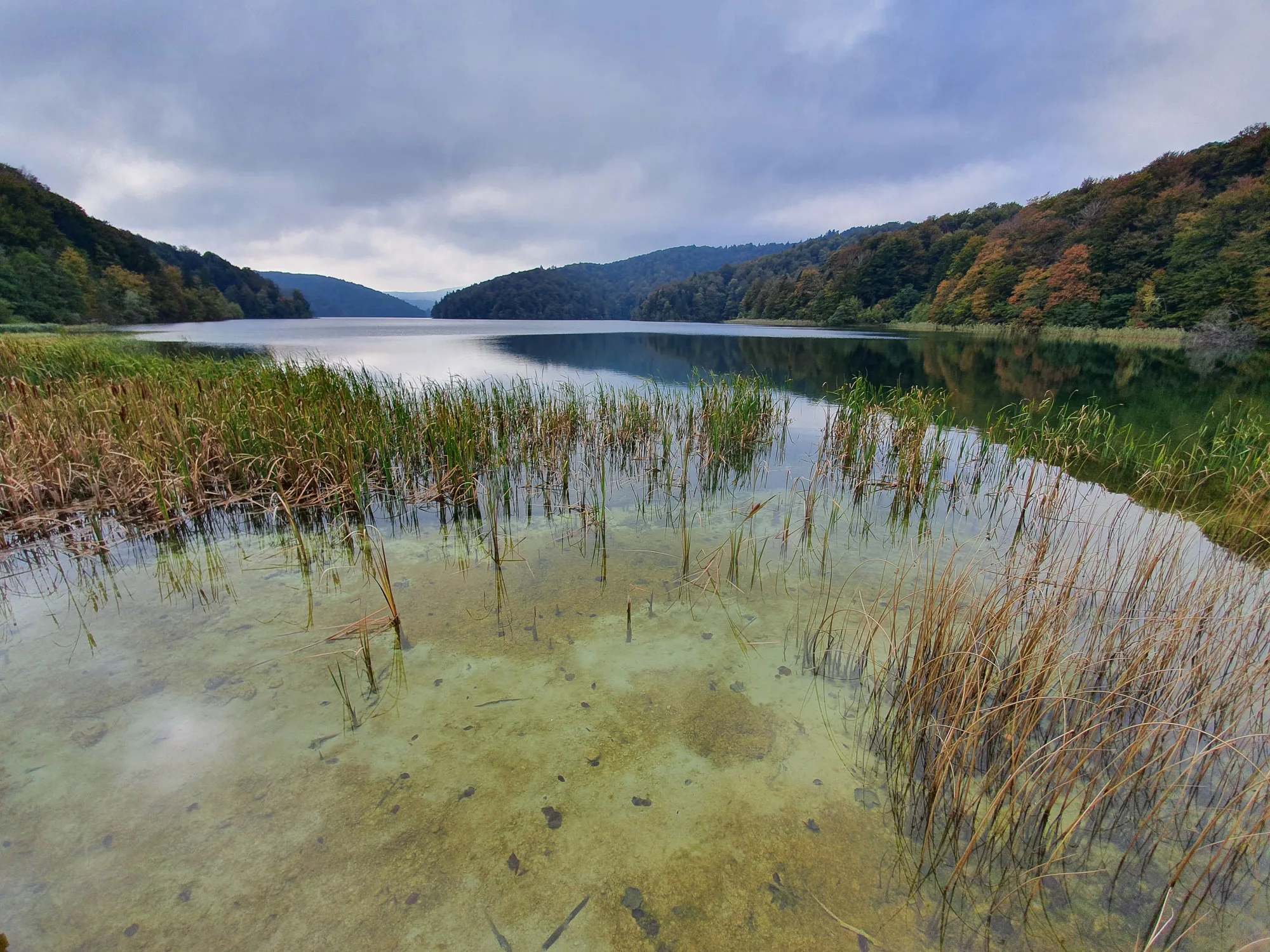
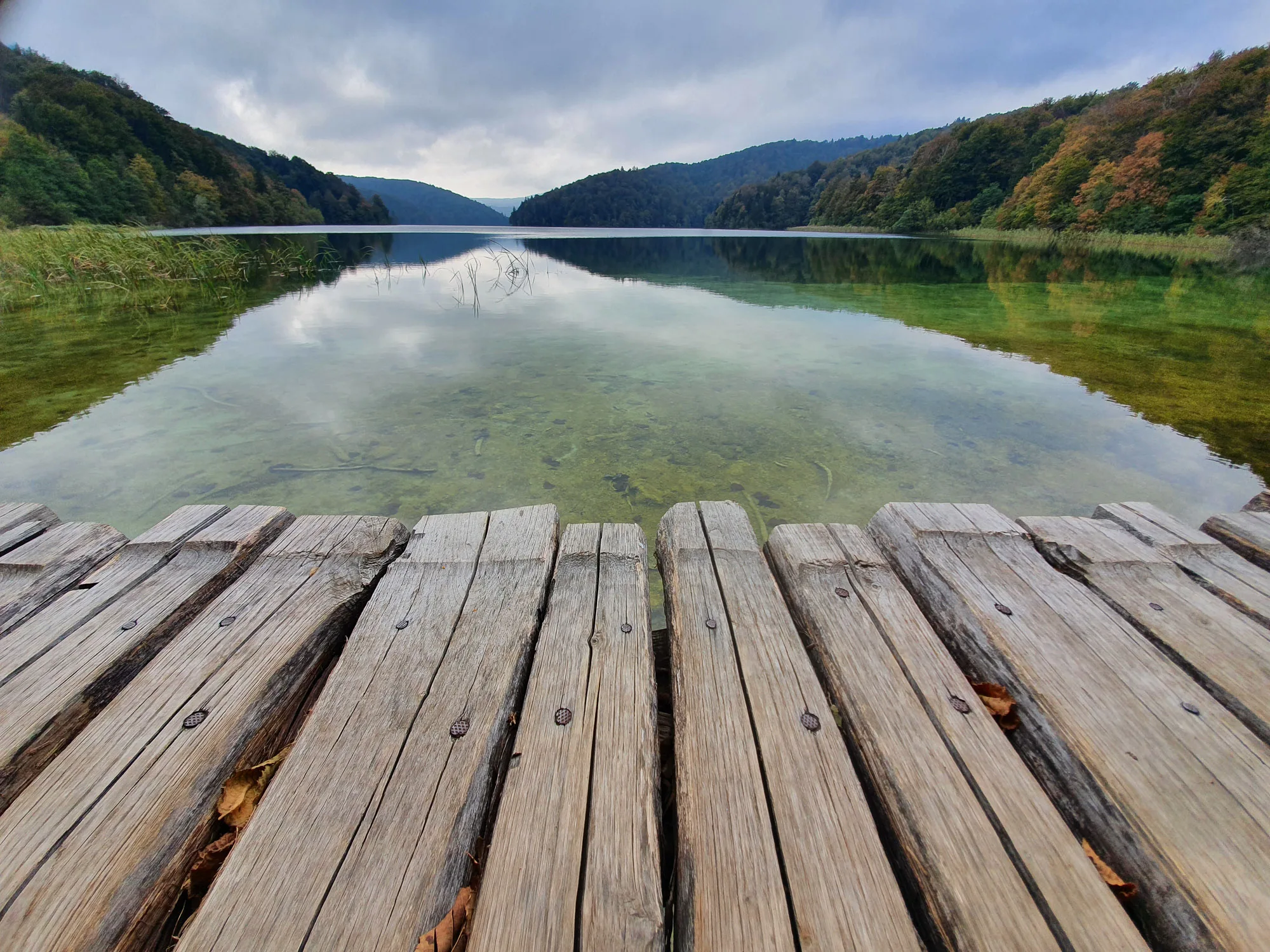
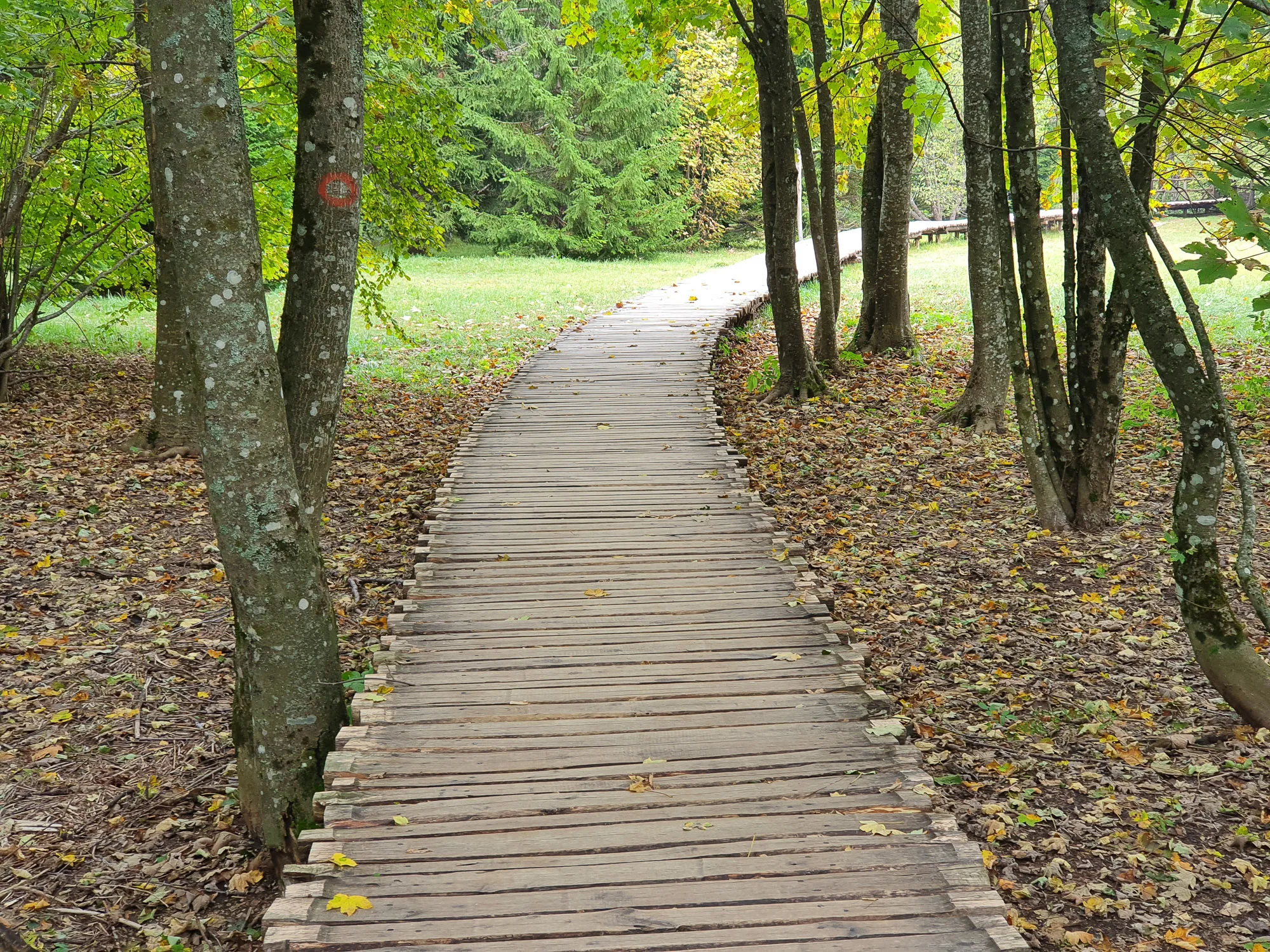
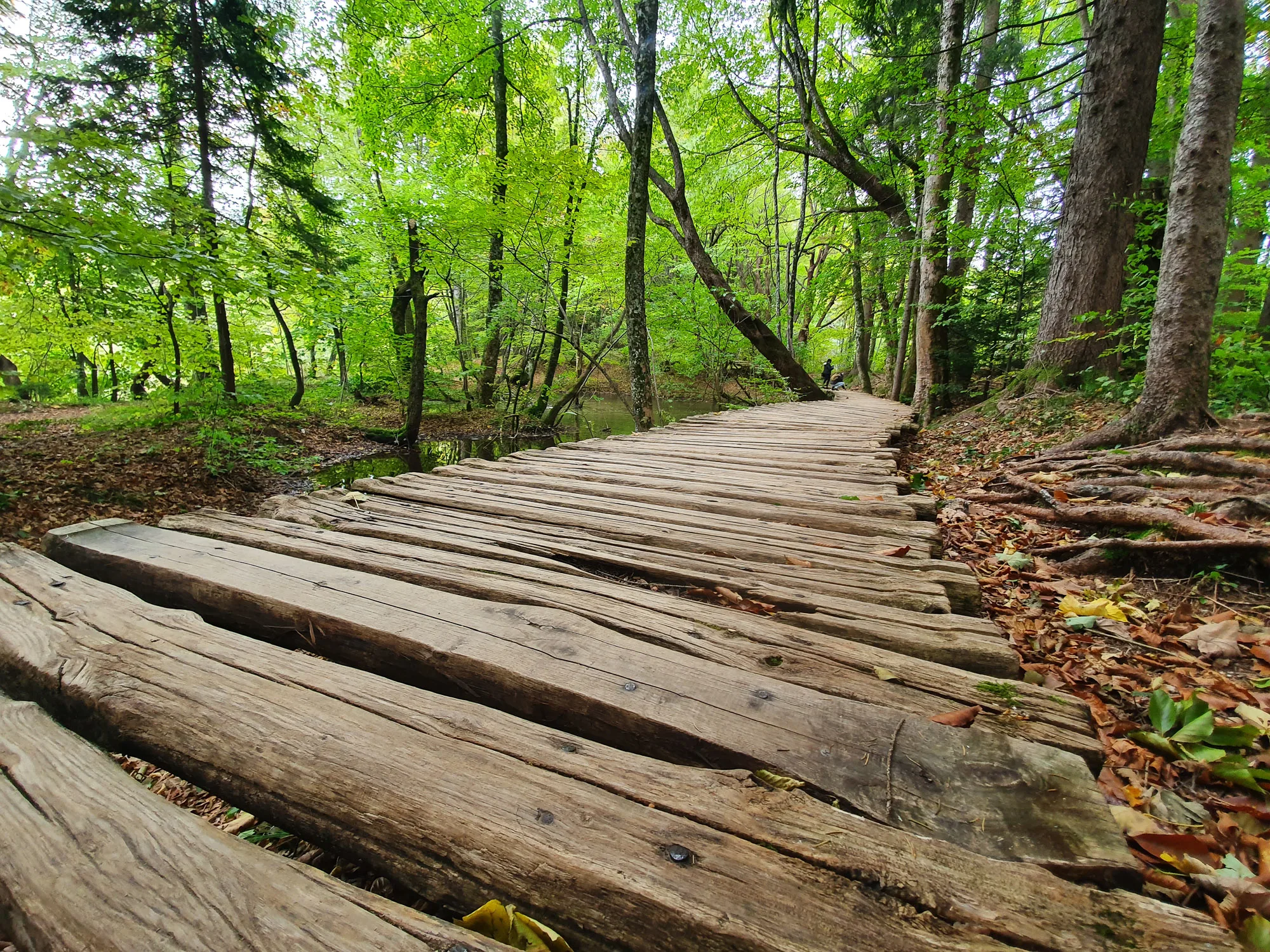
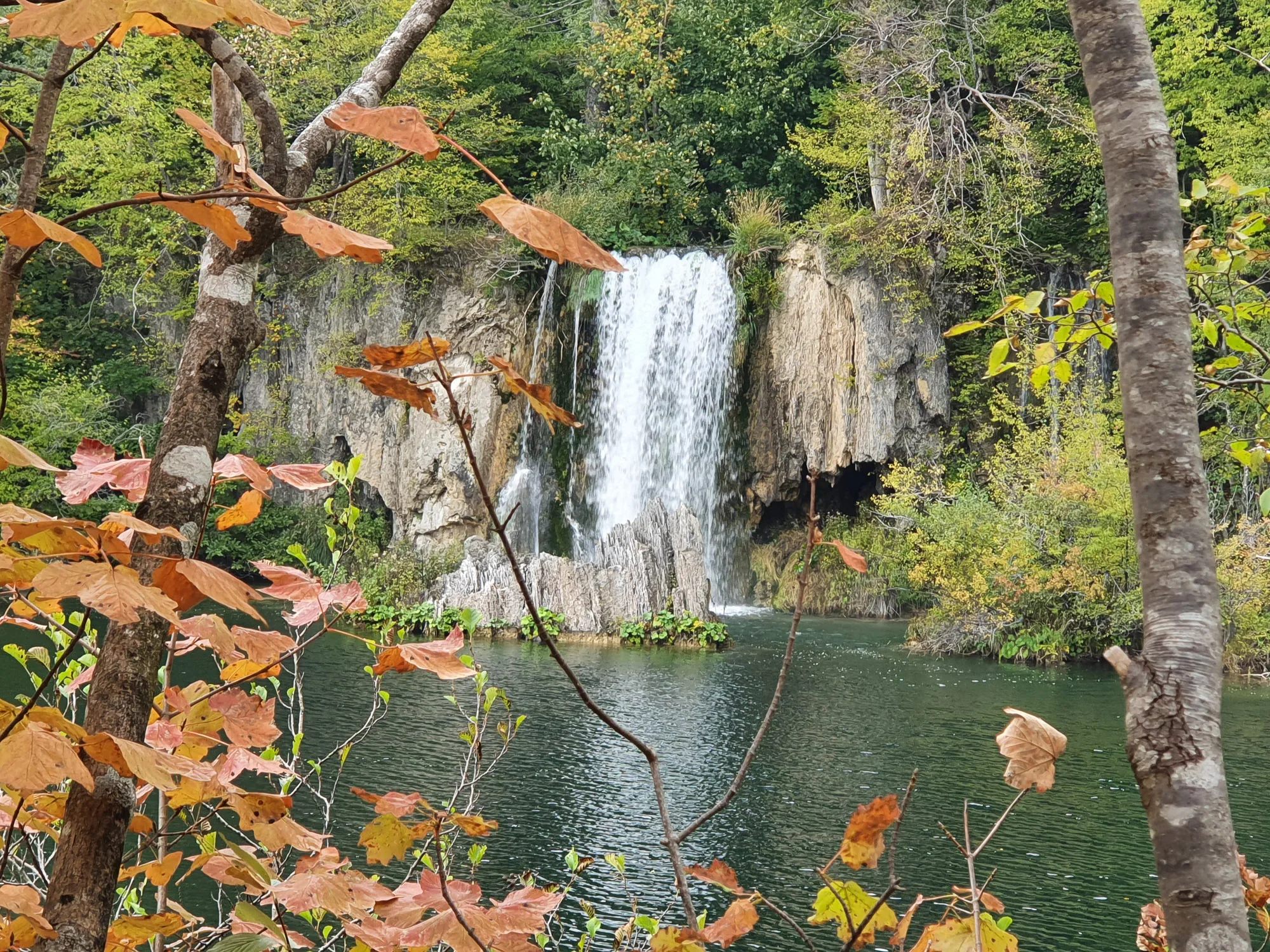
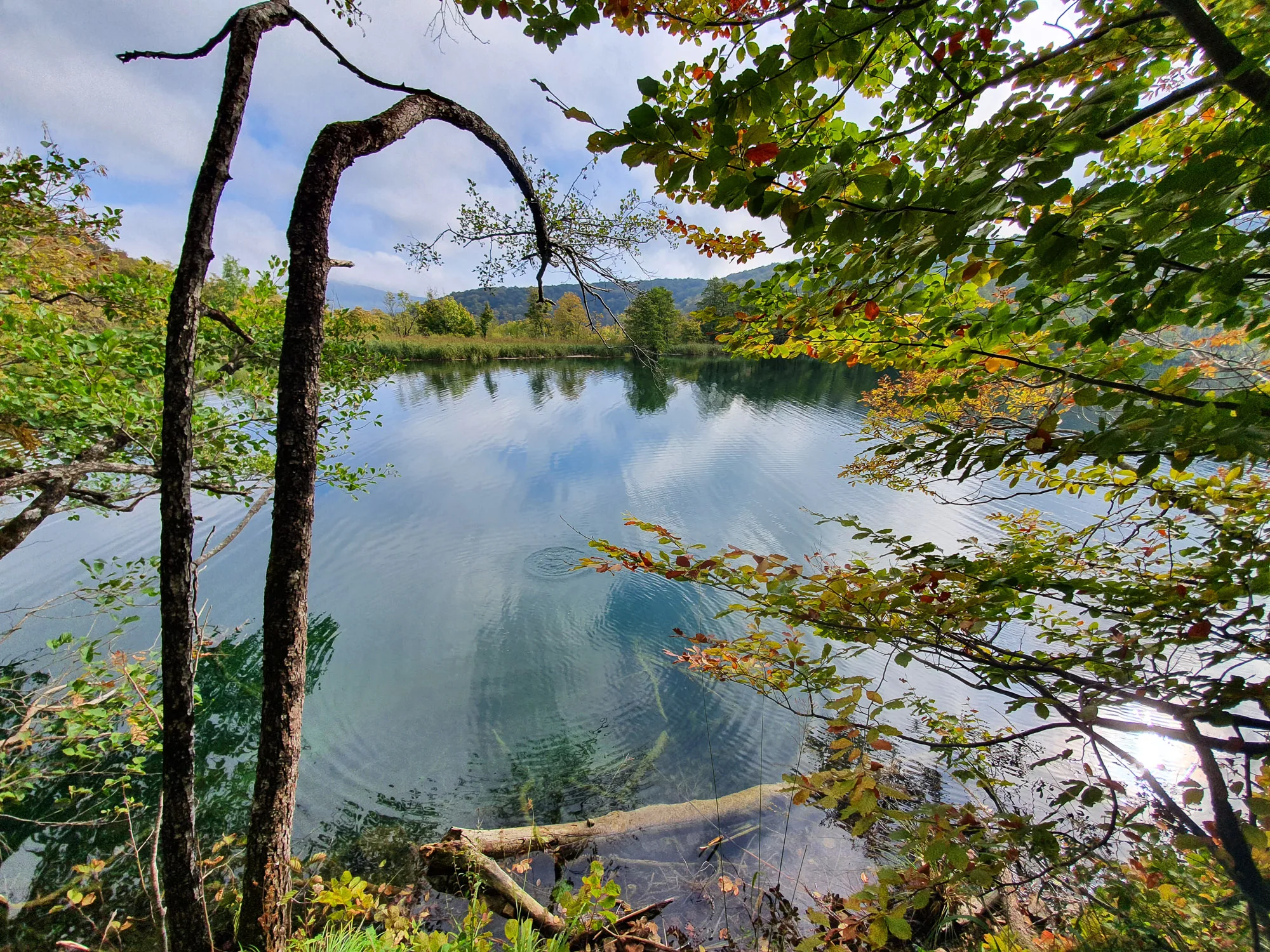
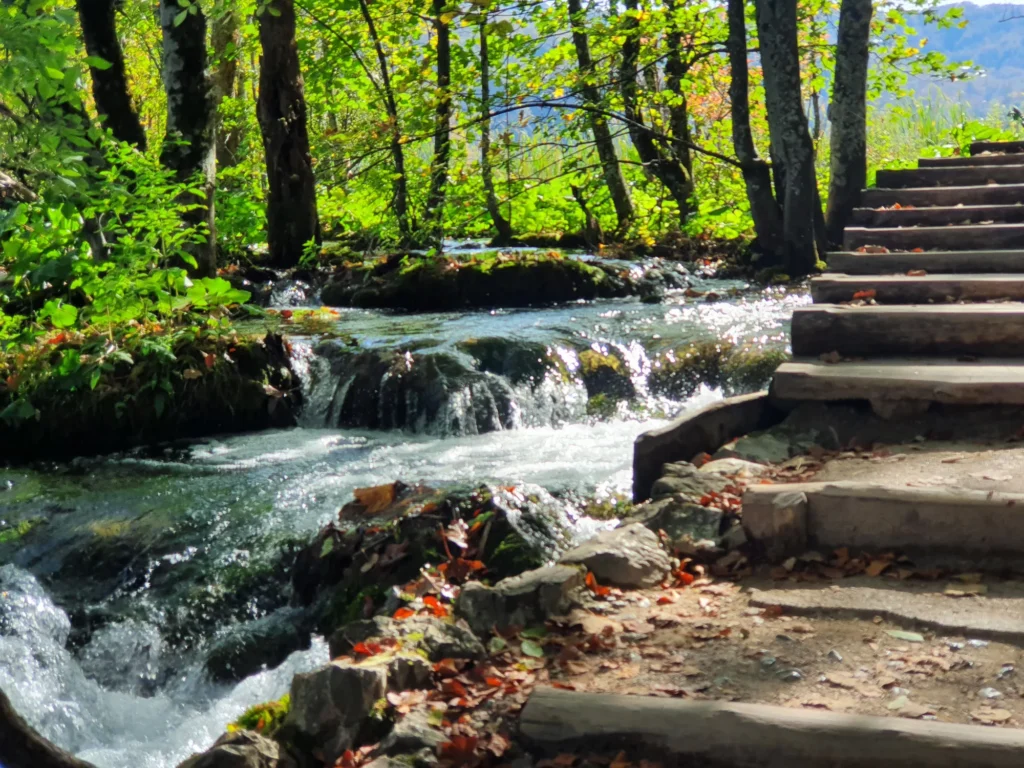
Plitvice Lakes is Croatia’s oldest and largest national park and has been on the UNESCO World Heritage list since 1979. Sixteen terraced lakes are linked by waterfalls, and wooden boardwalks lead right over the water. Arrive early in the day, allow at least four to six hours, and book tickets online in advance in the busy months.
Velebit
Velebit is Croatia’s longest mountain range, rising between Lika and the sea. Northern Velebit National Park protects its wildest part, with the Zavižan area and the Premužić trail offering easy walking and huge views over the Kvarner islands. On the southern, Dalmatian side of the range, Paklenica National Park is known for its canyons and climbing.
Other places worth a stop
- Smiljan, near Gospić – the birthplace of Nikola Tesla, with a memorial centre in his family home.
- The Gacka river near Otočac – crystal-clear springs, old watermills and some of the best trout fishing in Croatia.
- Grabovača Cave Park near Perušić – a small park with several show caves.
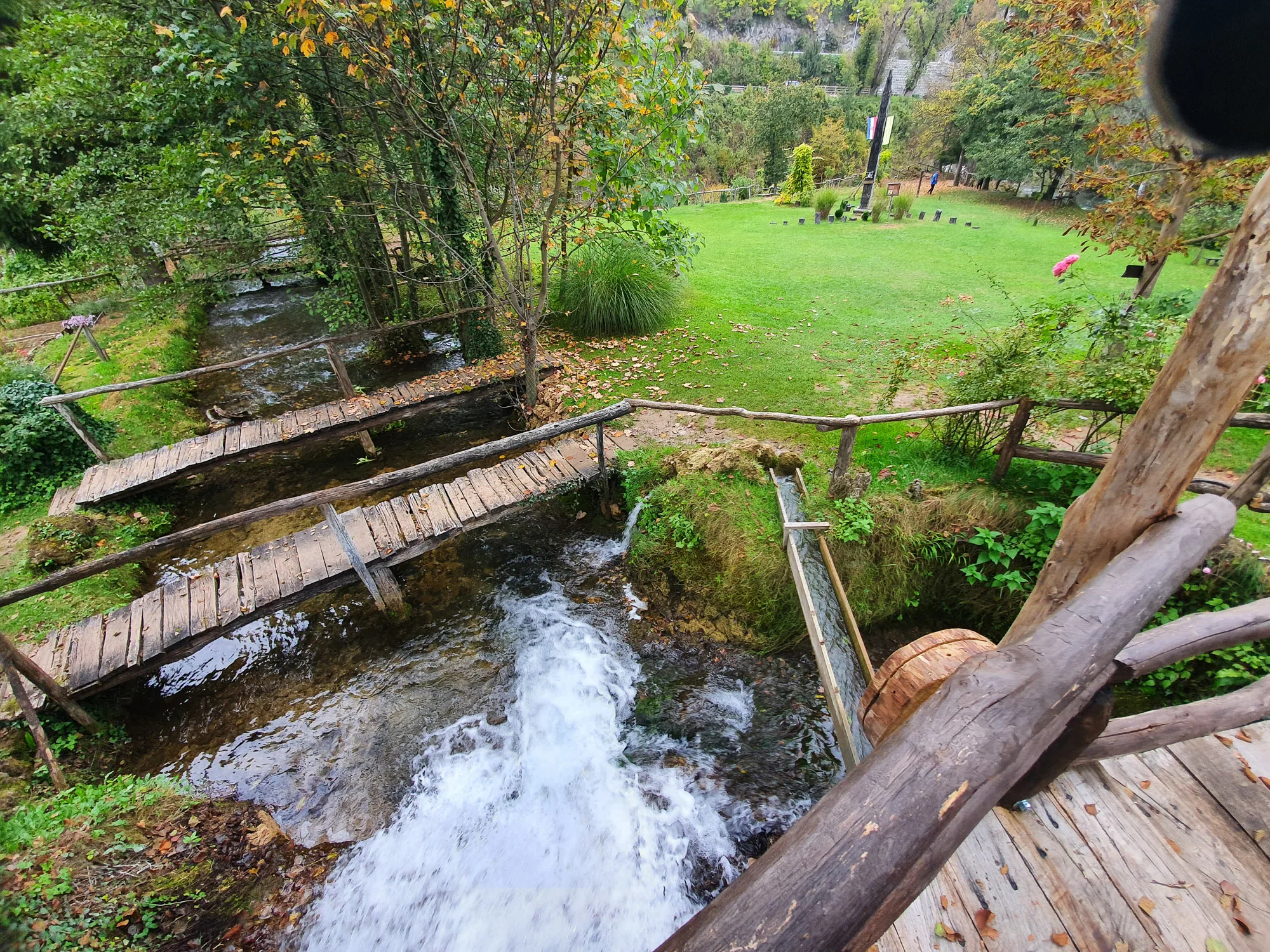
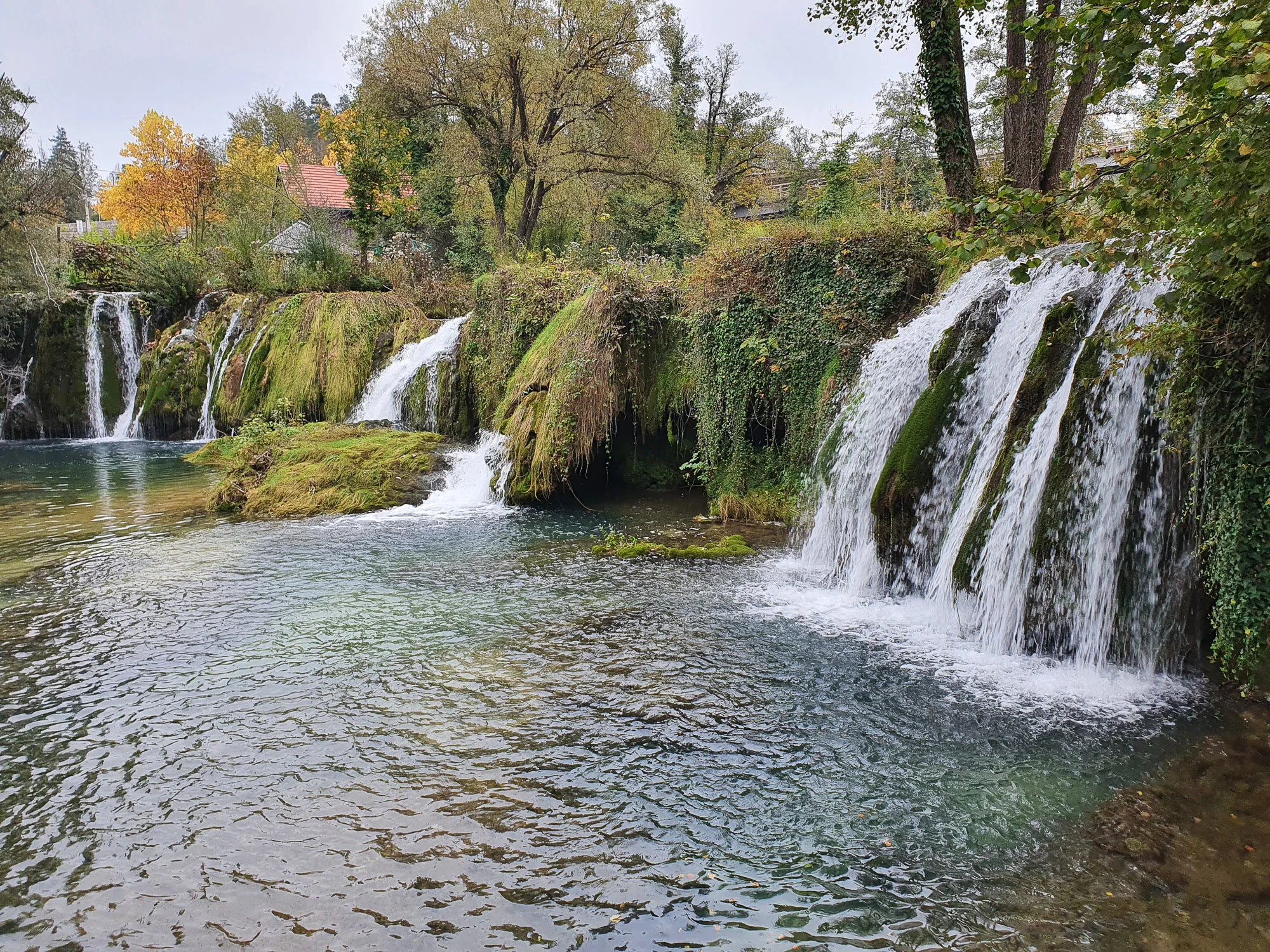
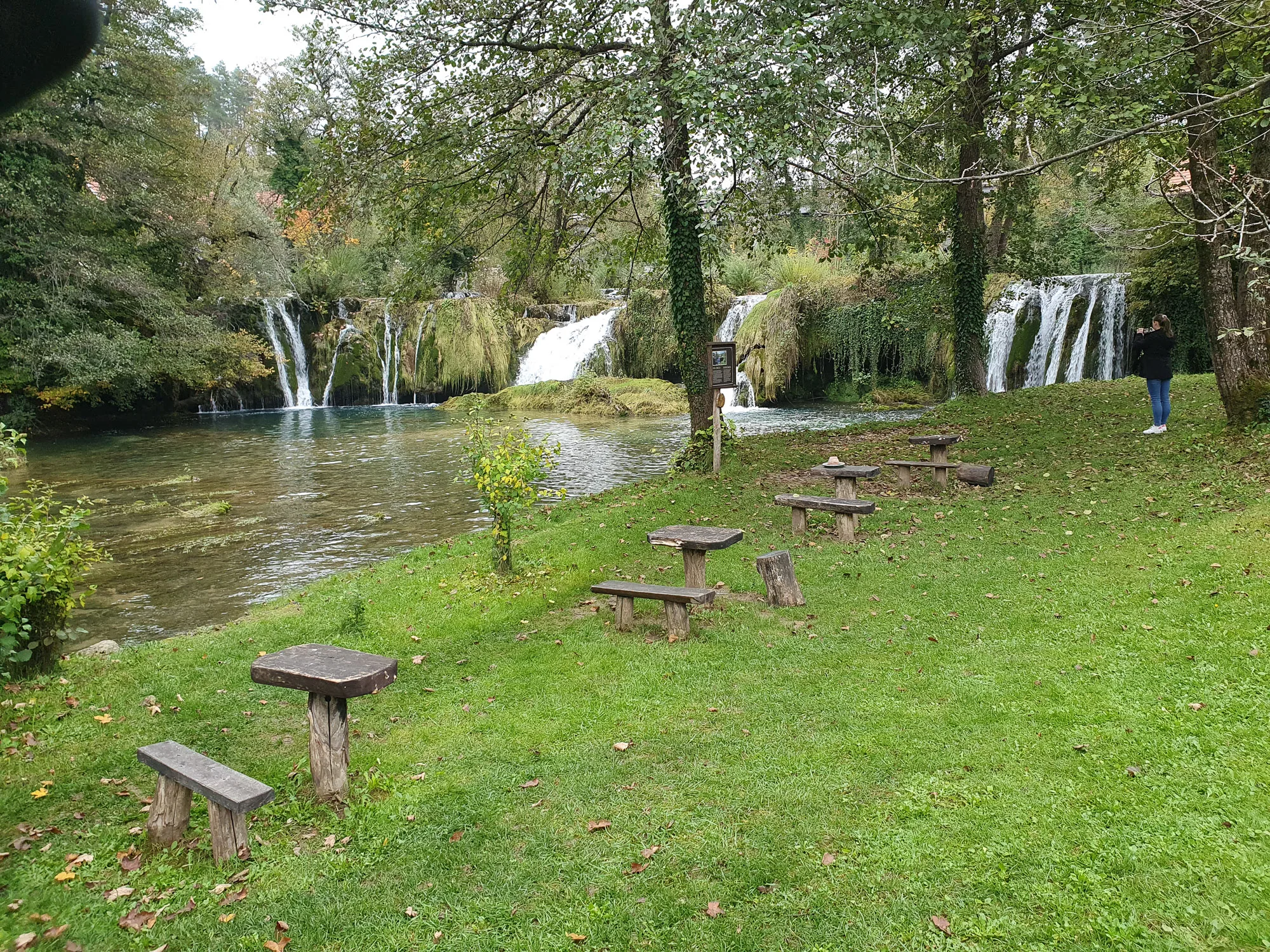
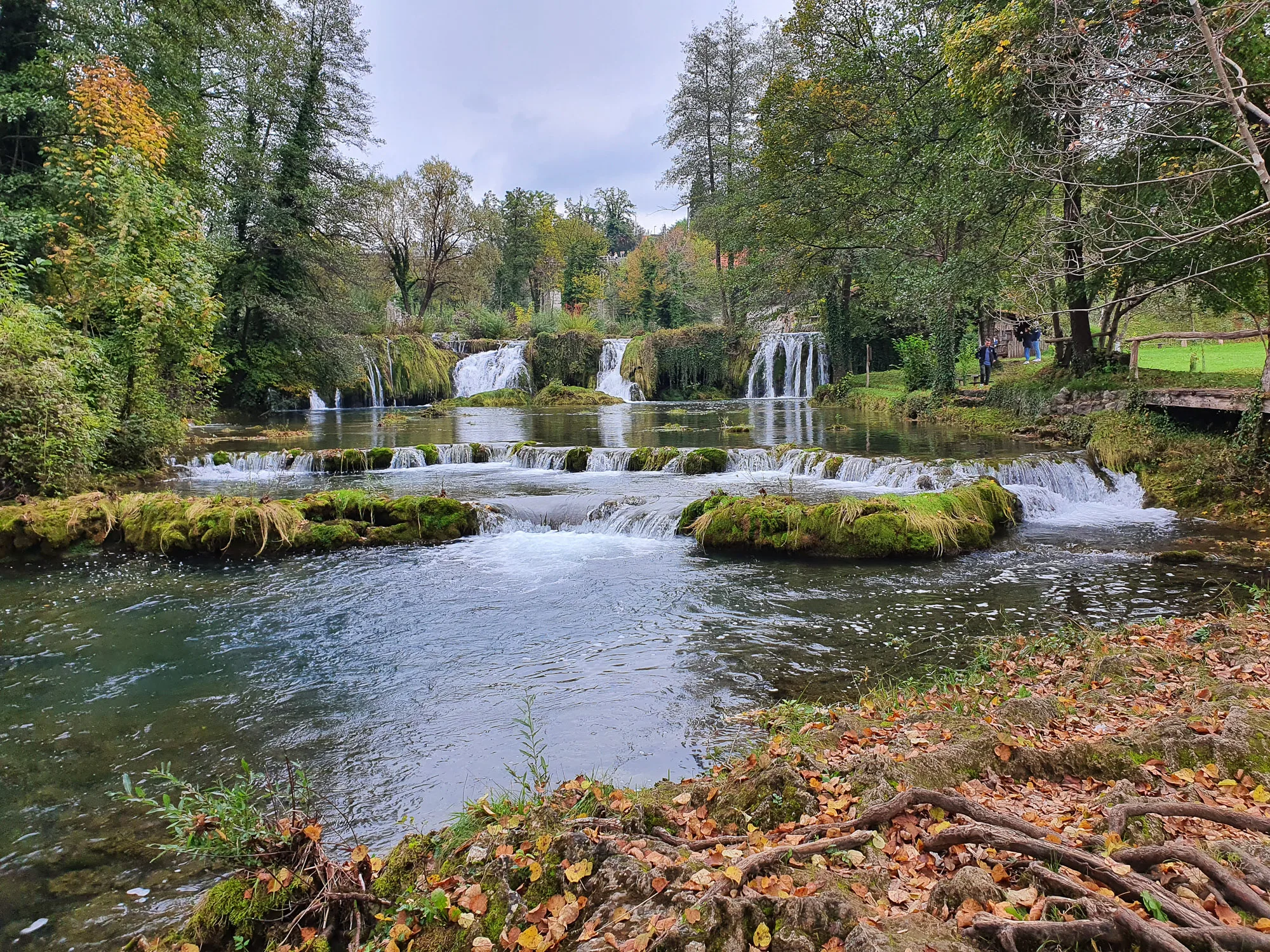
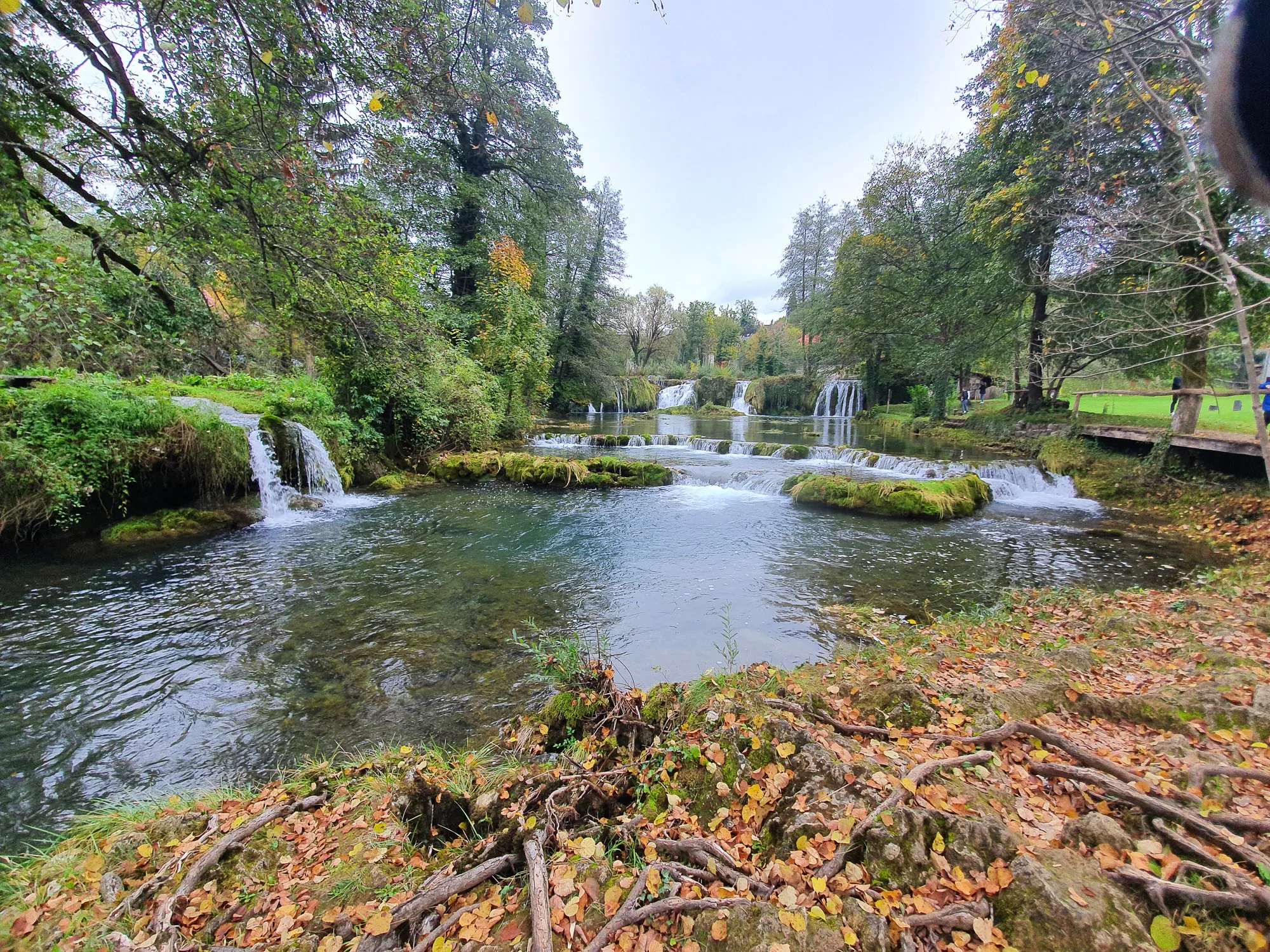
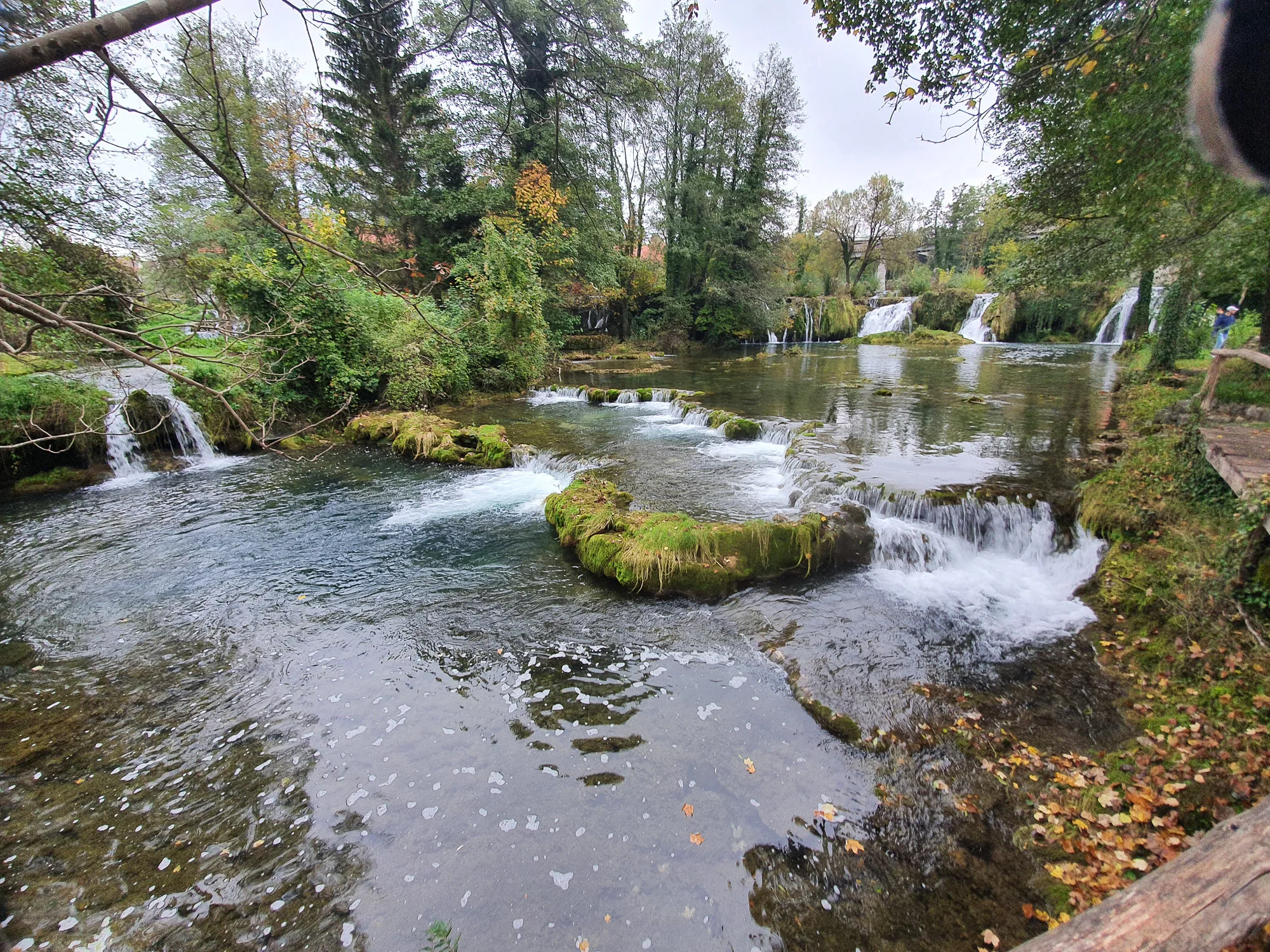
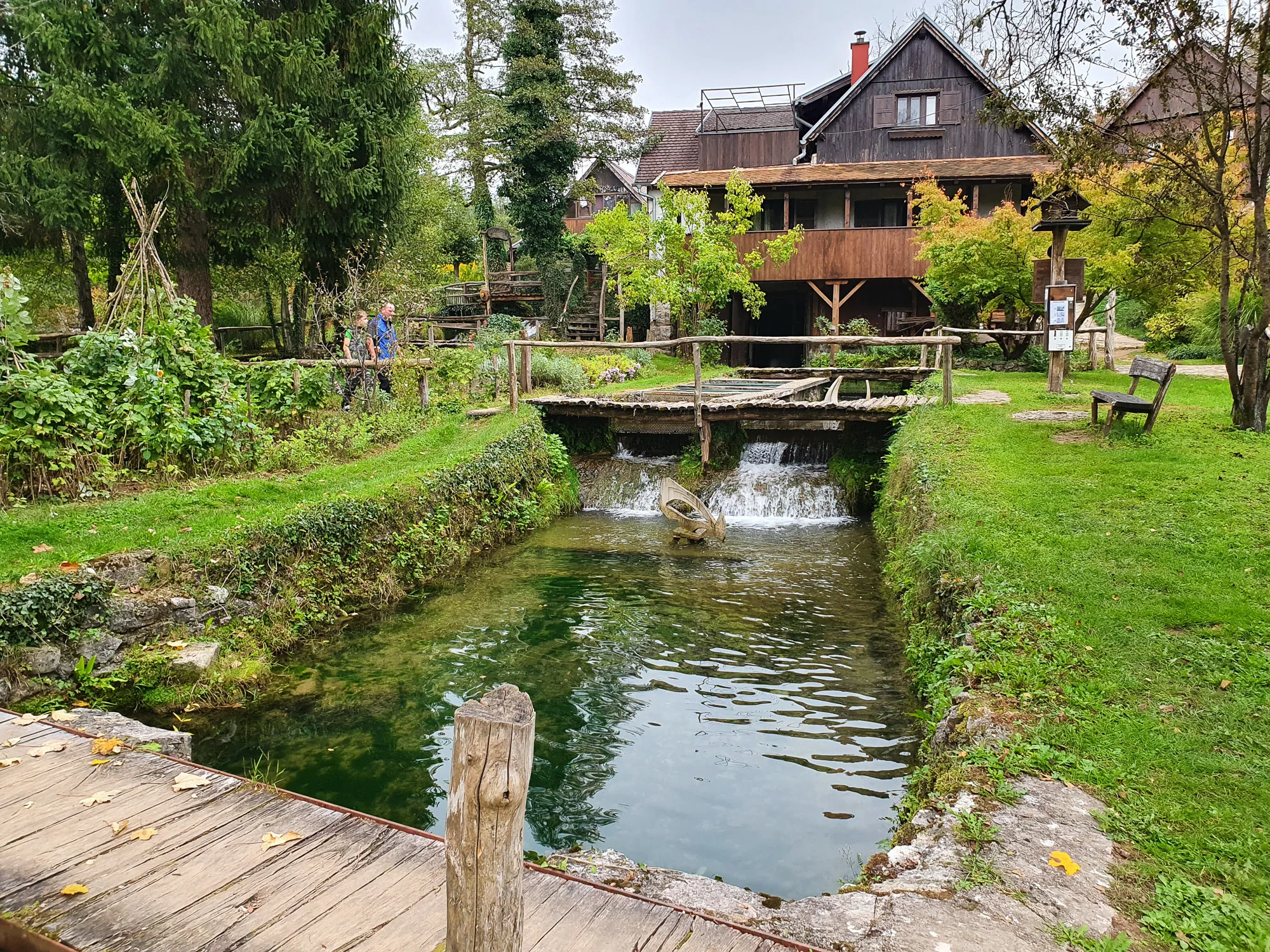
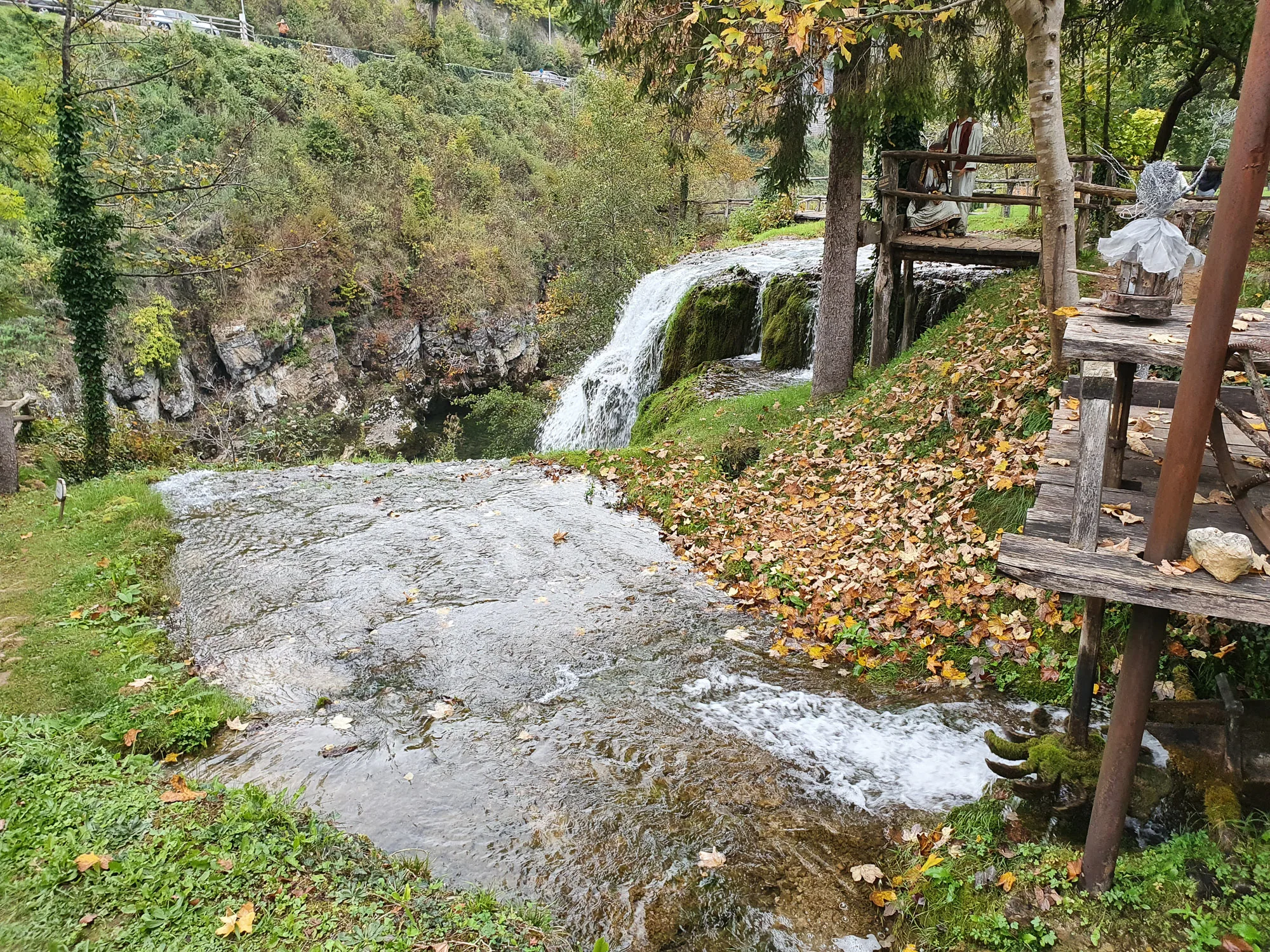
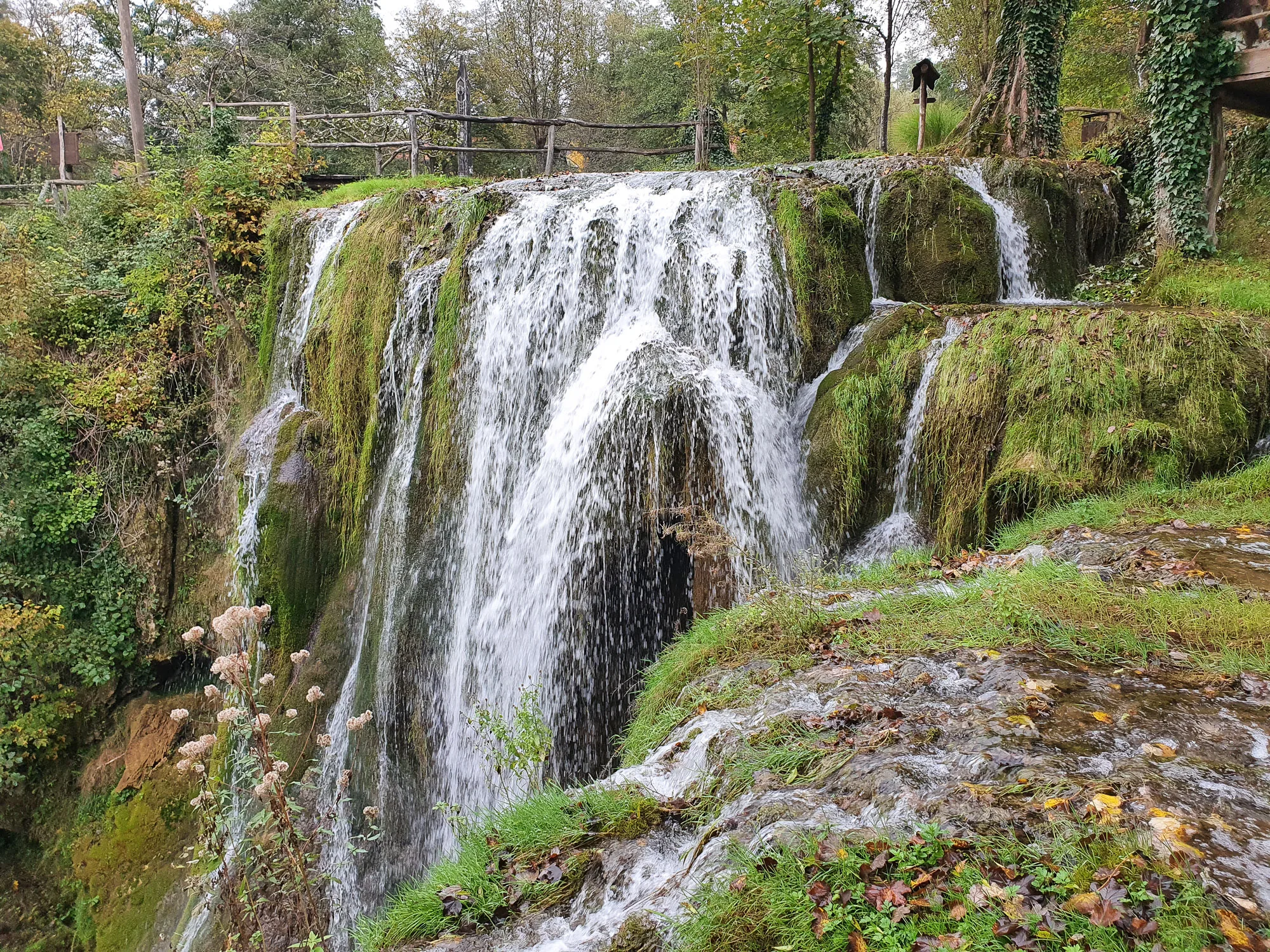
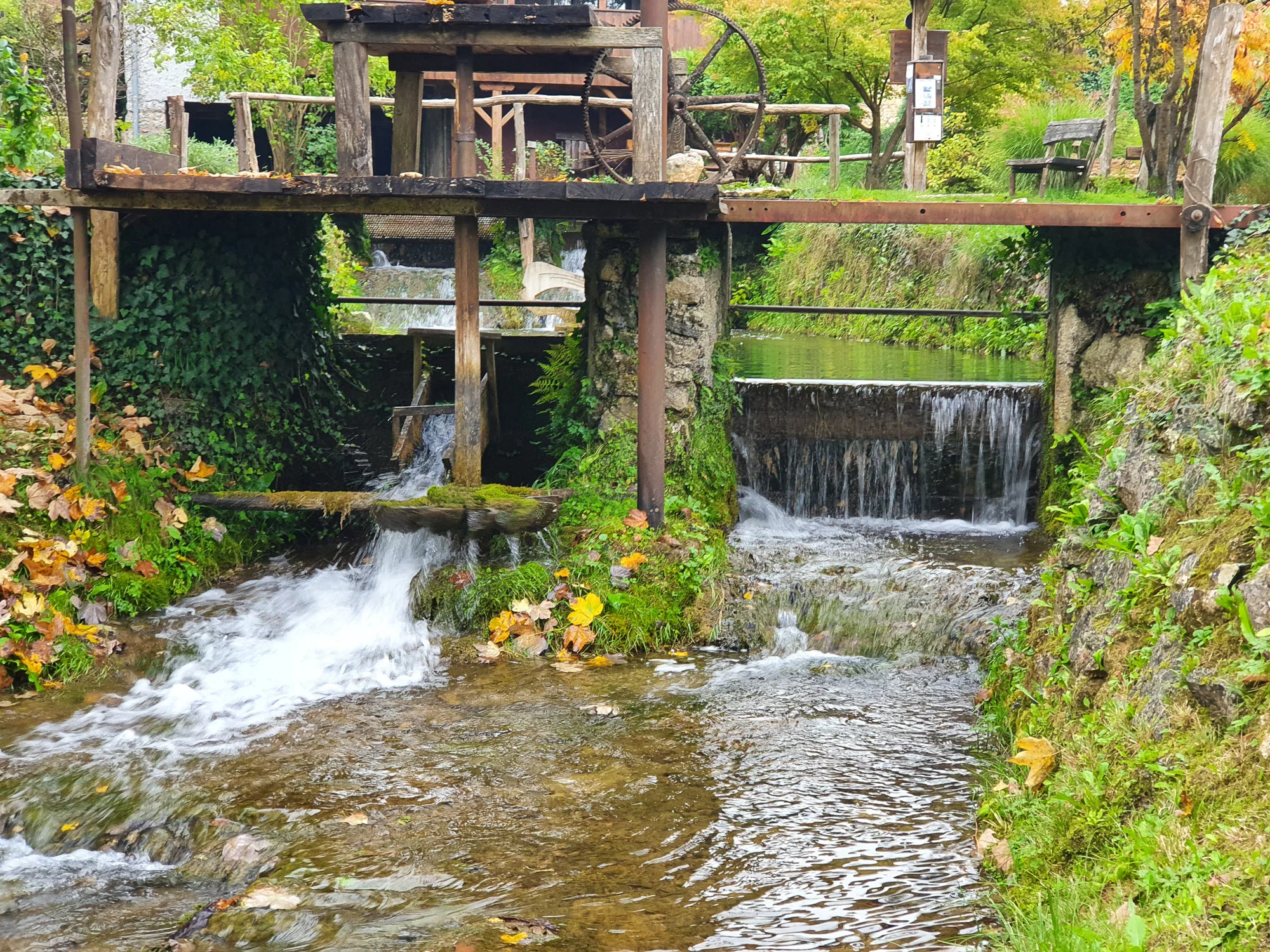
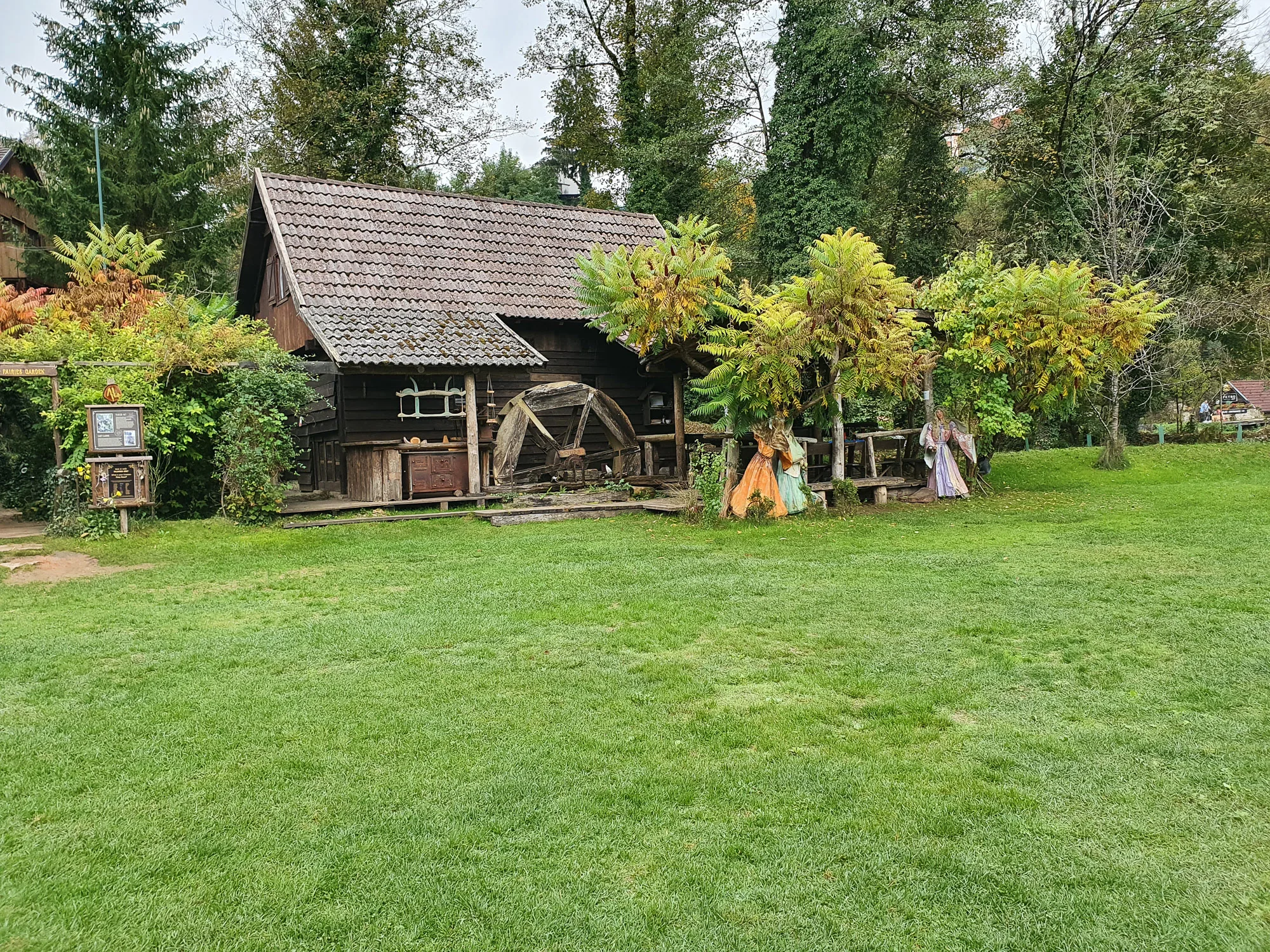
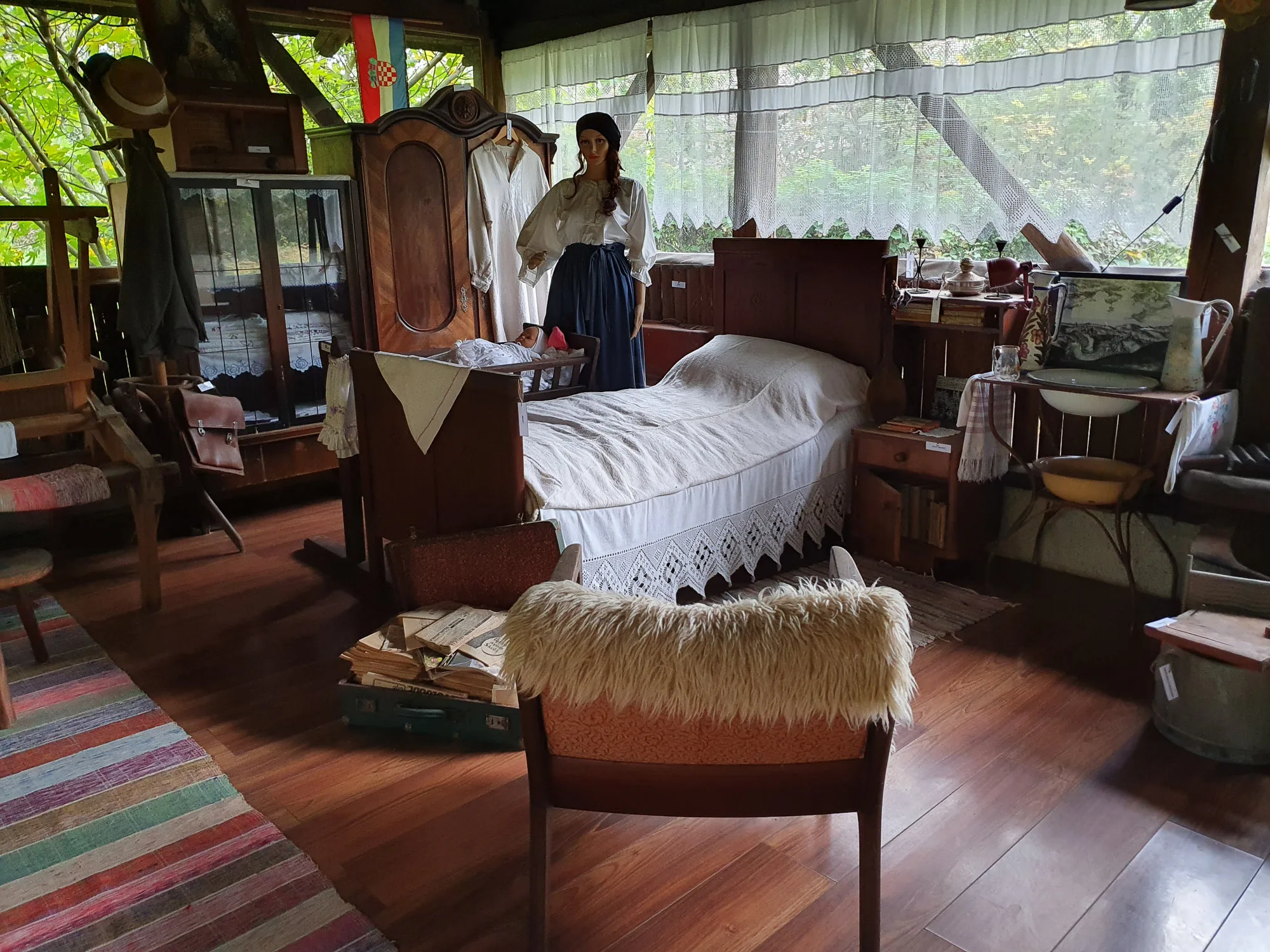
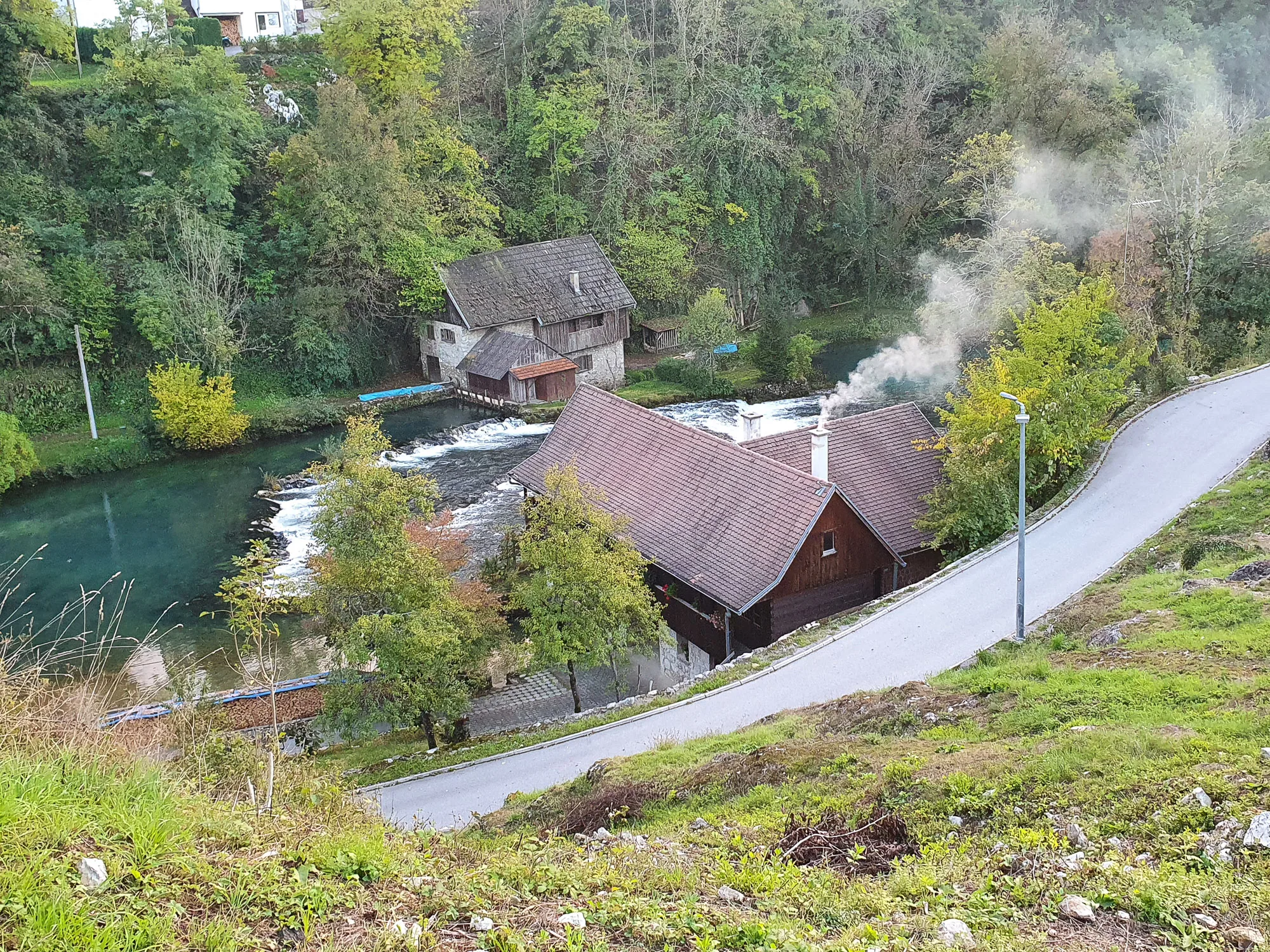
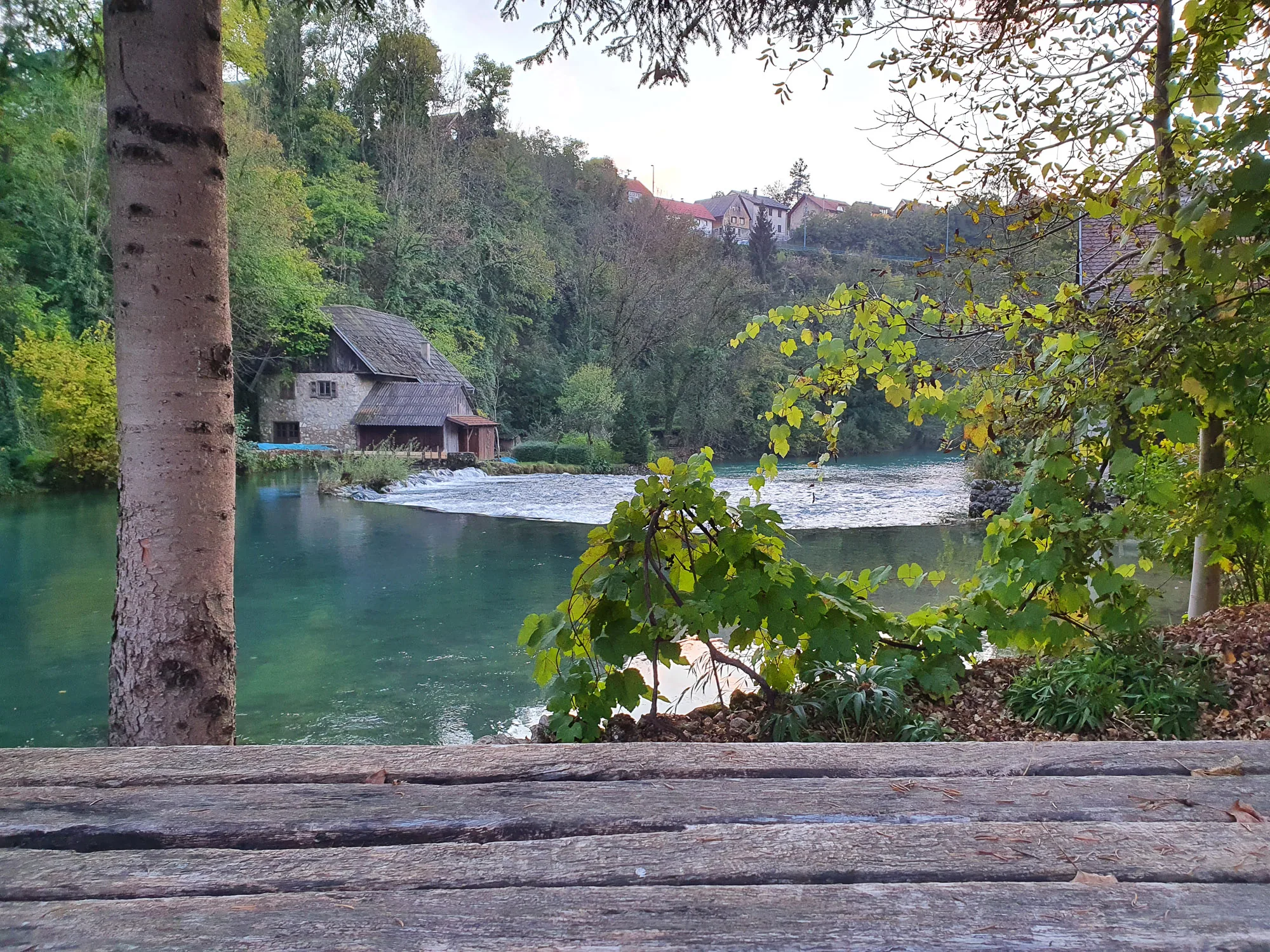
- Rastoke in Slunj – a village of watermills and cascades just north of Plitvice, an easy stop on the way from Zagreb.
Food
Lika cooking is mountain food: roast lamb, trout from the Gacka, Lika potatoes, which are known across Croatia, sheep’s cheese such as škripavac, and warming stews. Portions are generous and prices are usually lower than on the coast.
When to go
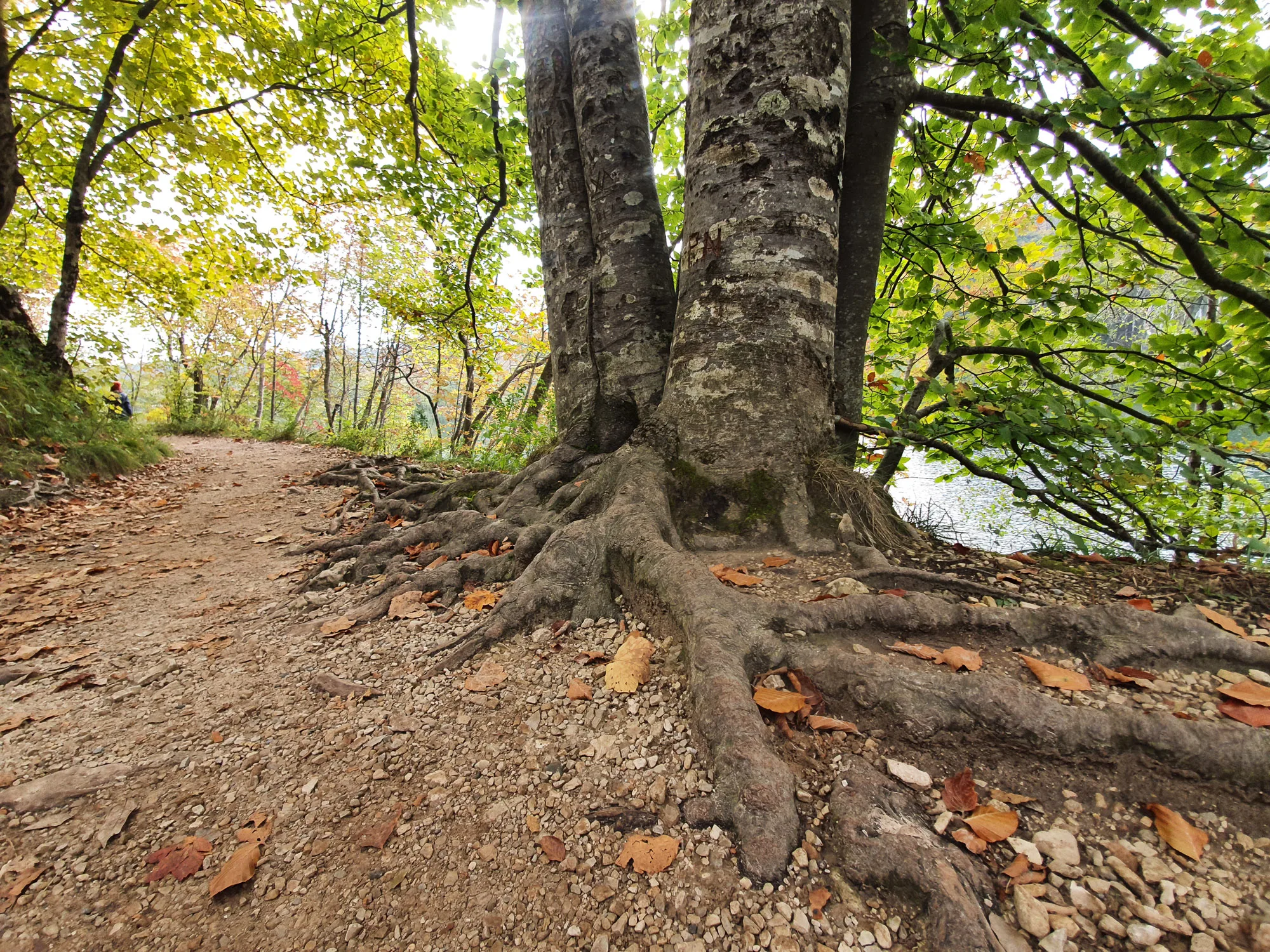
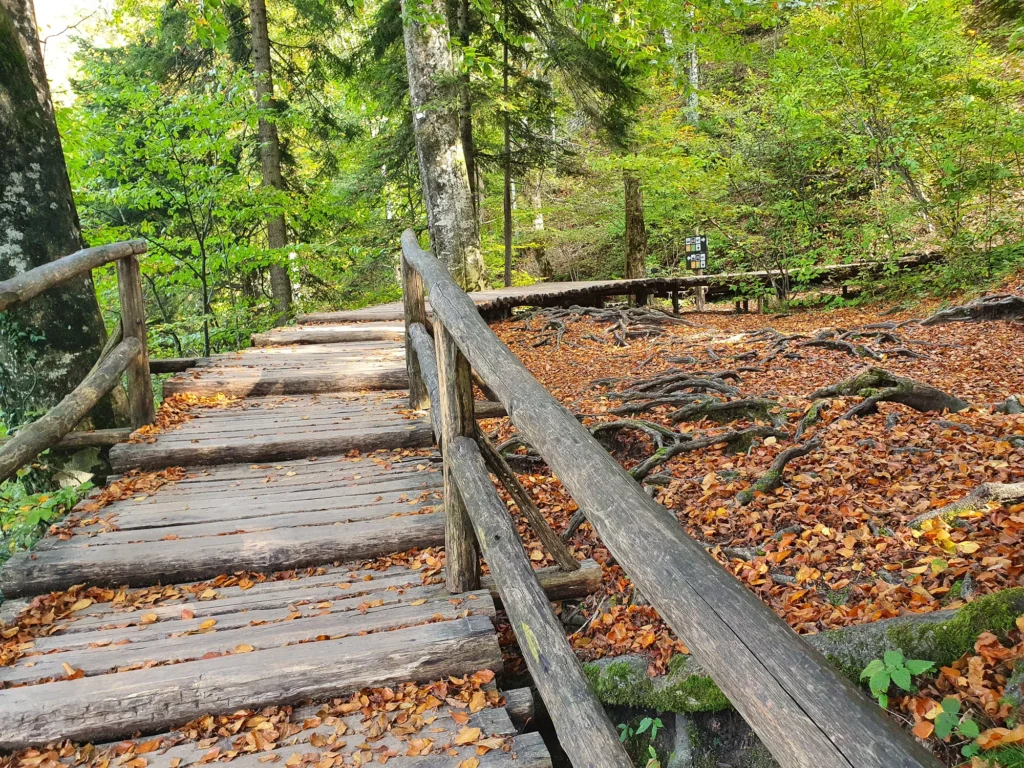
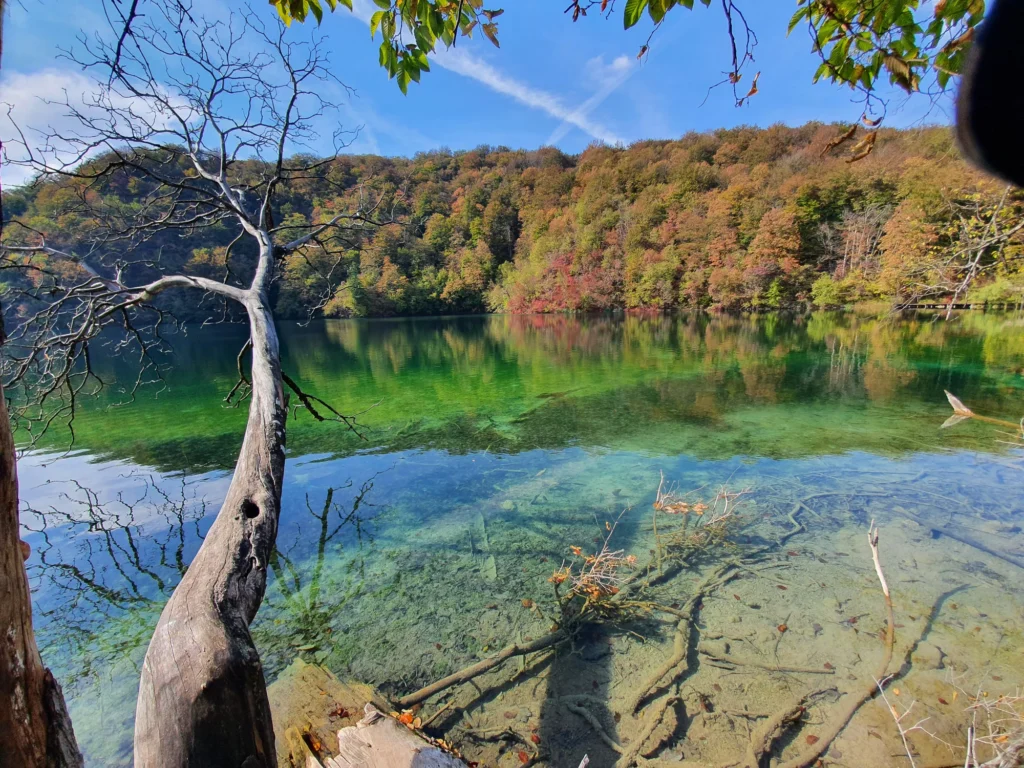
Plitvice is at its most impressive in spring, when the waterfalls are full, and in October, when the forests turn gold and red. Summer is warm but busy. Lika has a much colder climate than the coast: snow is common in winter, the landscape is beautiful, and some paths at Plitvice may be closed.
Getting there
The A1 motorway between Zagreb and Split crosses Lika, with exits at Otočac, Perušić and Gospić. Plitvice lies on the old D1 road, roughly two hours by car from Zagreb or Zadar. Intercity buses between Zagreb and Zadar or Split stop at the park entrances, but a car is the easiest way to explore the rest of the region. See also Zagreb & Central Croatia and Dalmatia.
Travel guides
Featured articles about Lika
 When to Visit
Plitvice Lakes in Winter: What Is Open, Tickets and Snowy Travel Tips
Plan a winter visit to Plitvice Lakes with current ticket prices, seasonal access, snow advice, clothing tips and…
 Getting Around
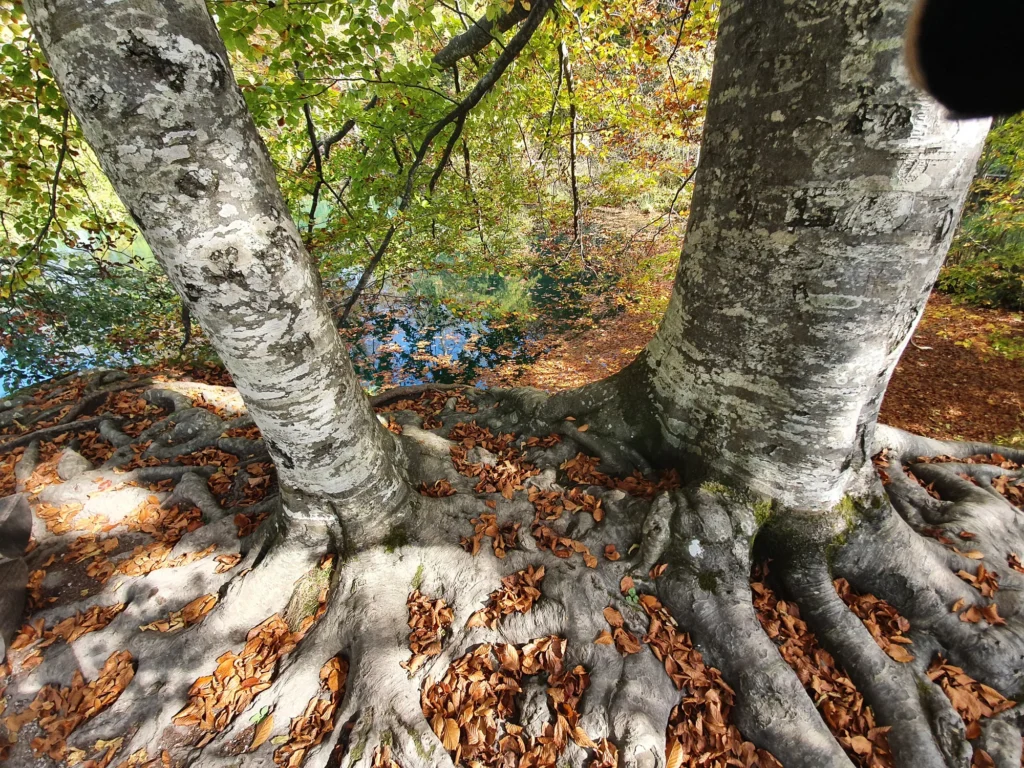
Plitvice Lakes Without a Car: Bus Travel from Zagreb, Zadar and Split
A practical guide to visiting Plitvice Lakes without a rental car, including bus travel from Zagreb, Zadar and…
 When to Visit
Best Time to Visit Plitvice Lakes, Croatia: Seasons, Crowds, Weather and Waterfalls
A practical guide to the best time to visit Plitvice Lakes, with season-by-season advice on waterfalls, crowds, weather,…
 Destinations
Plitvice Lakes, Croatia: Complete Travel Guide for 2026
Plan a visit to Plitvice Lakes National Park with practical advice on entrances, routes, 2026 tickets, transport, seasons…