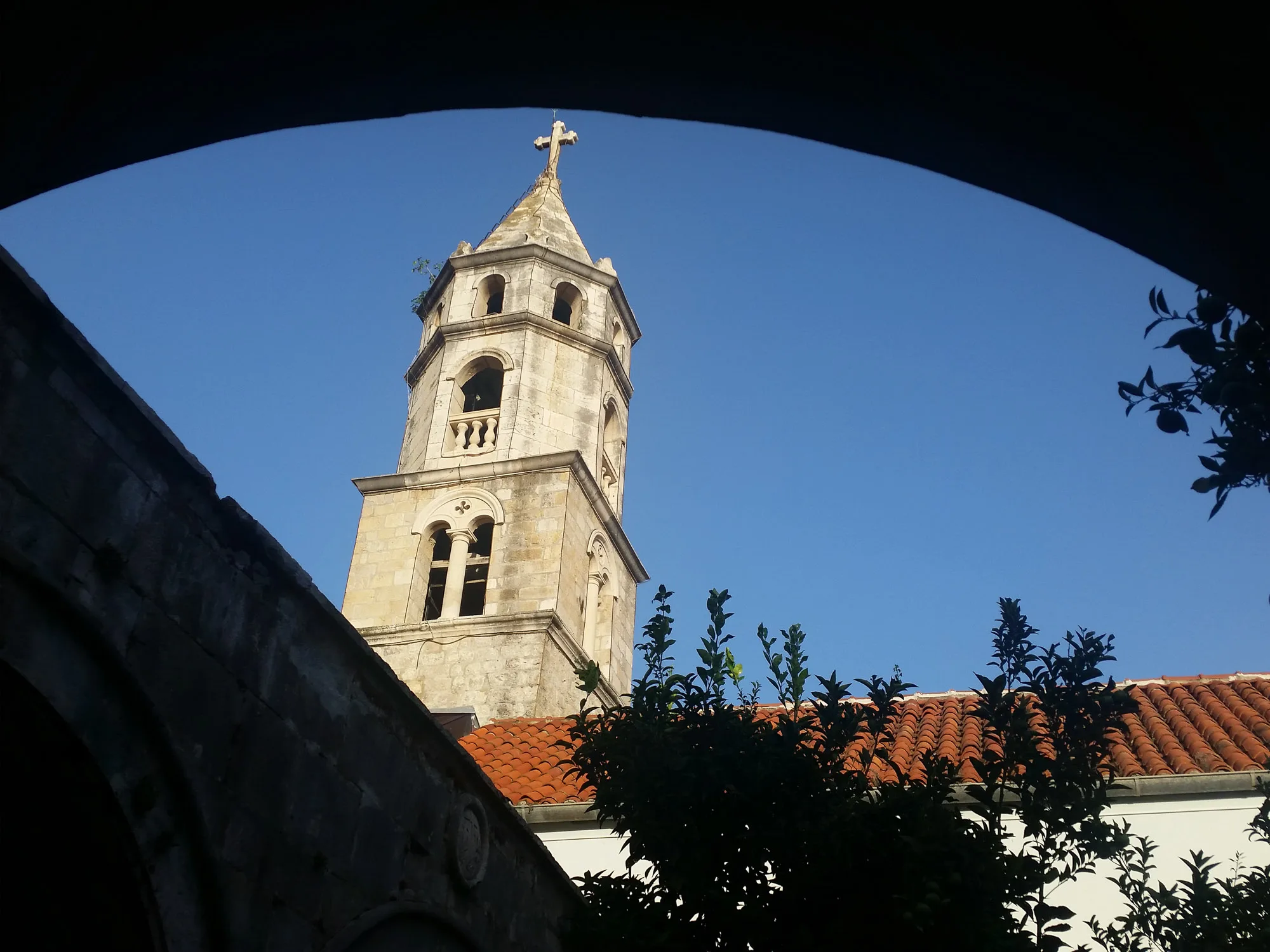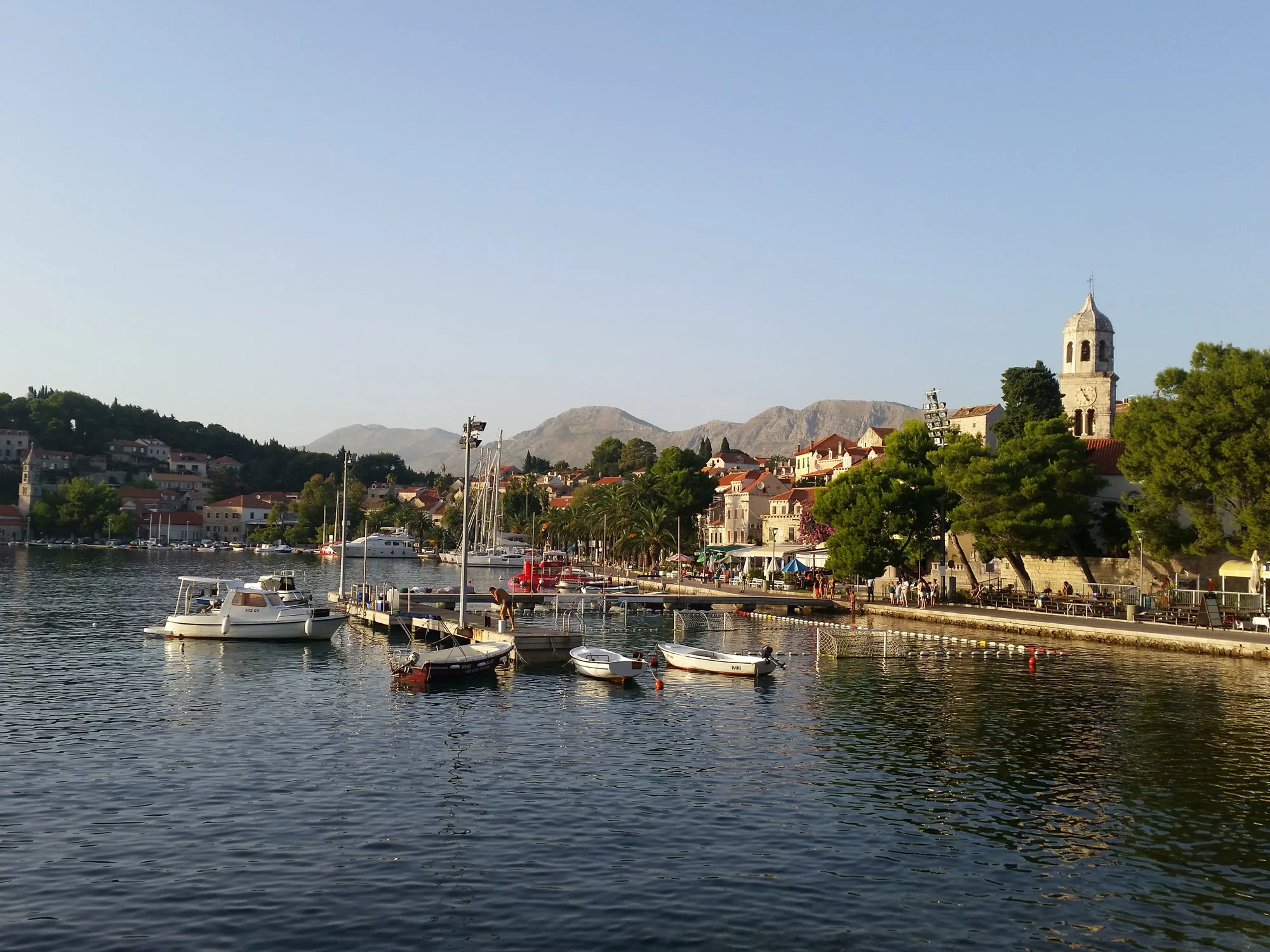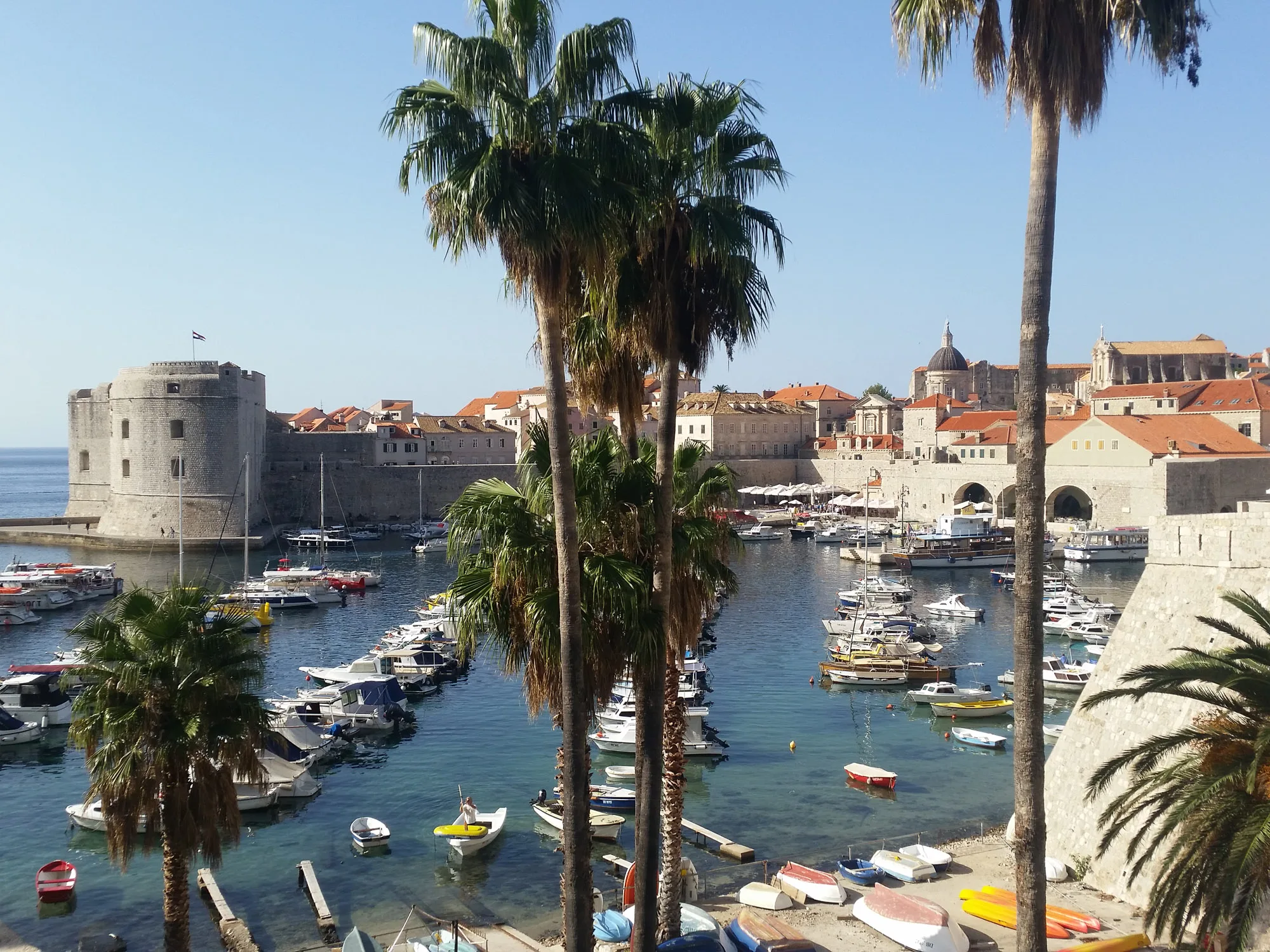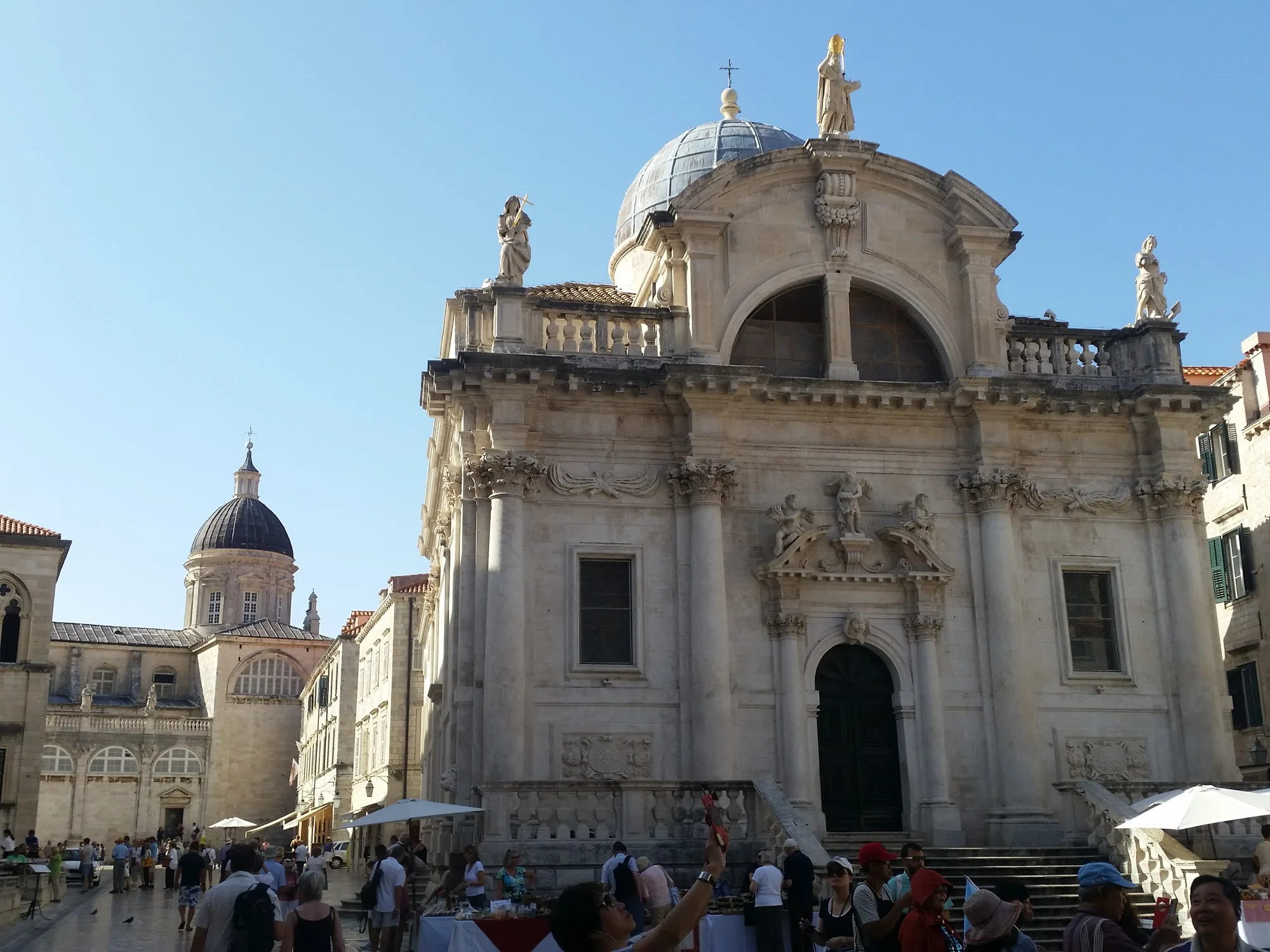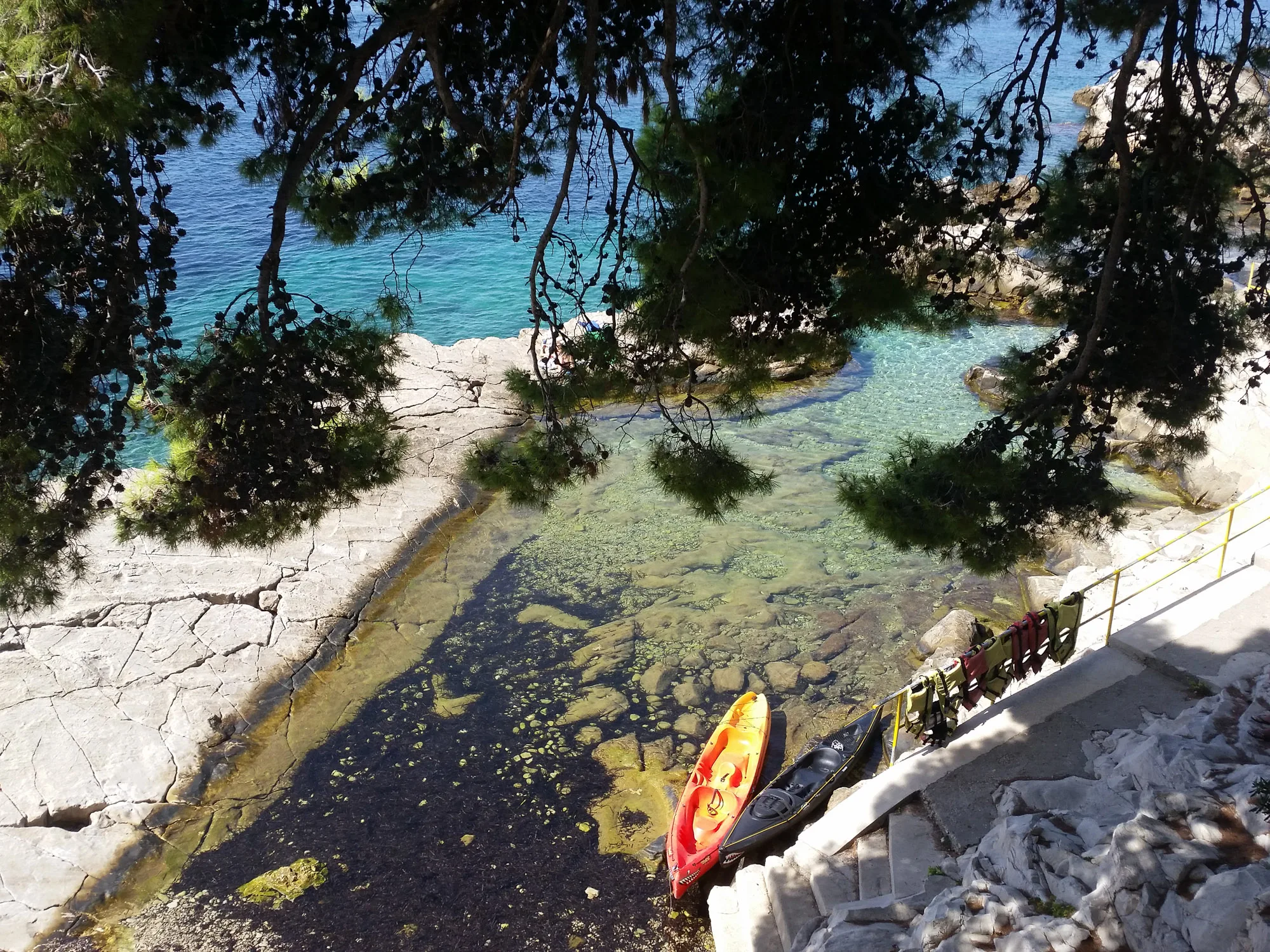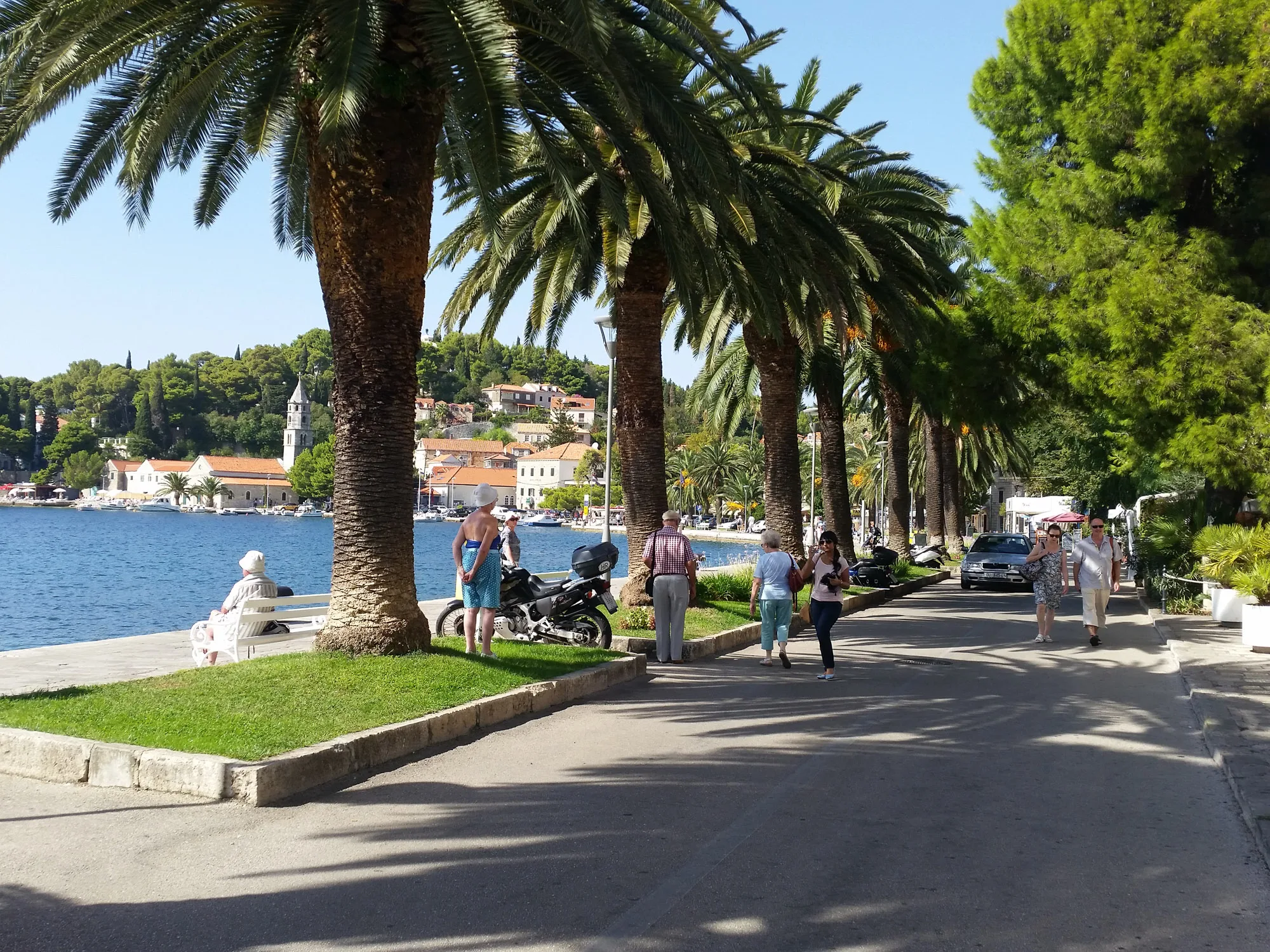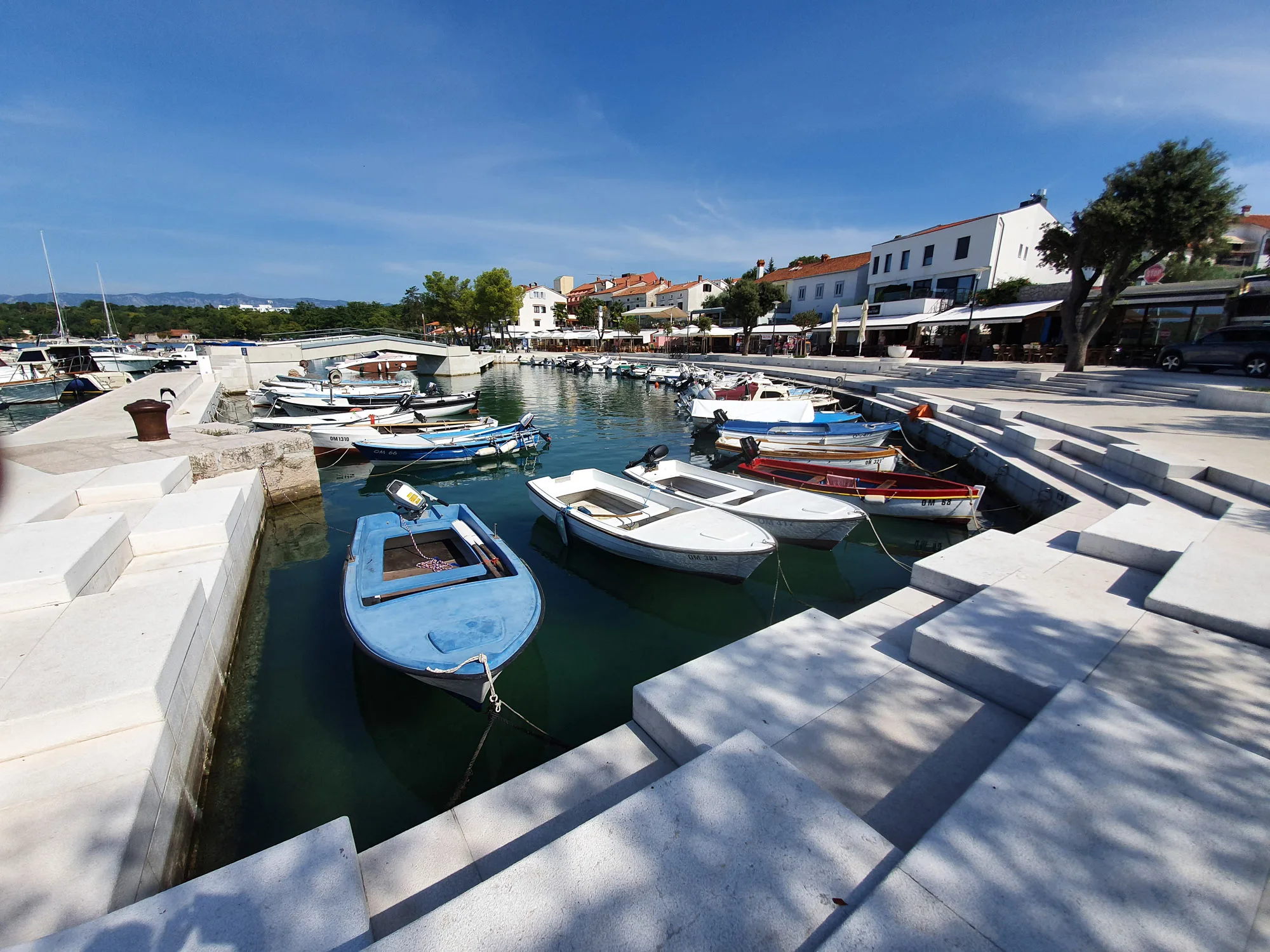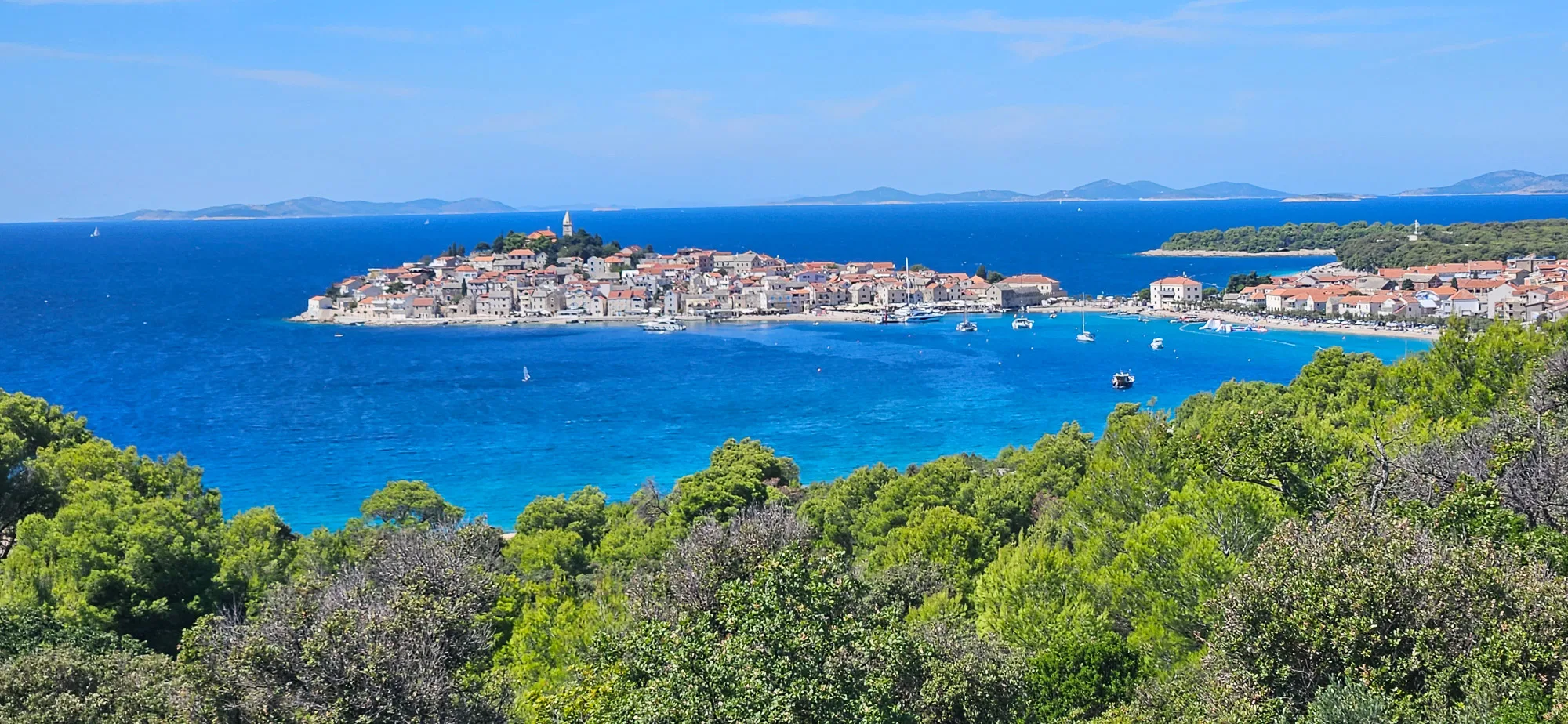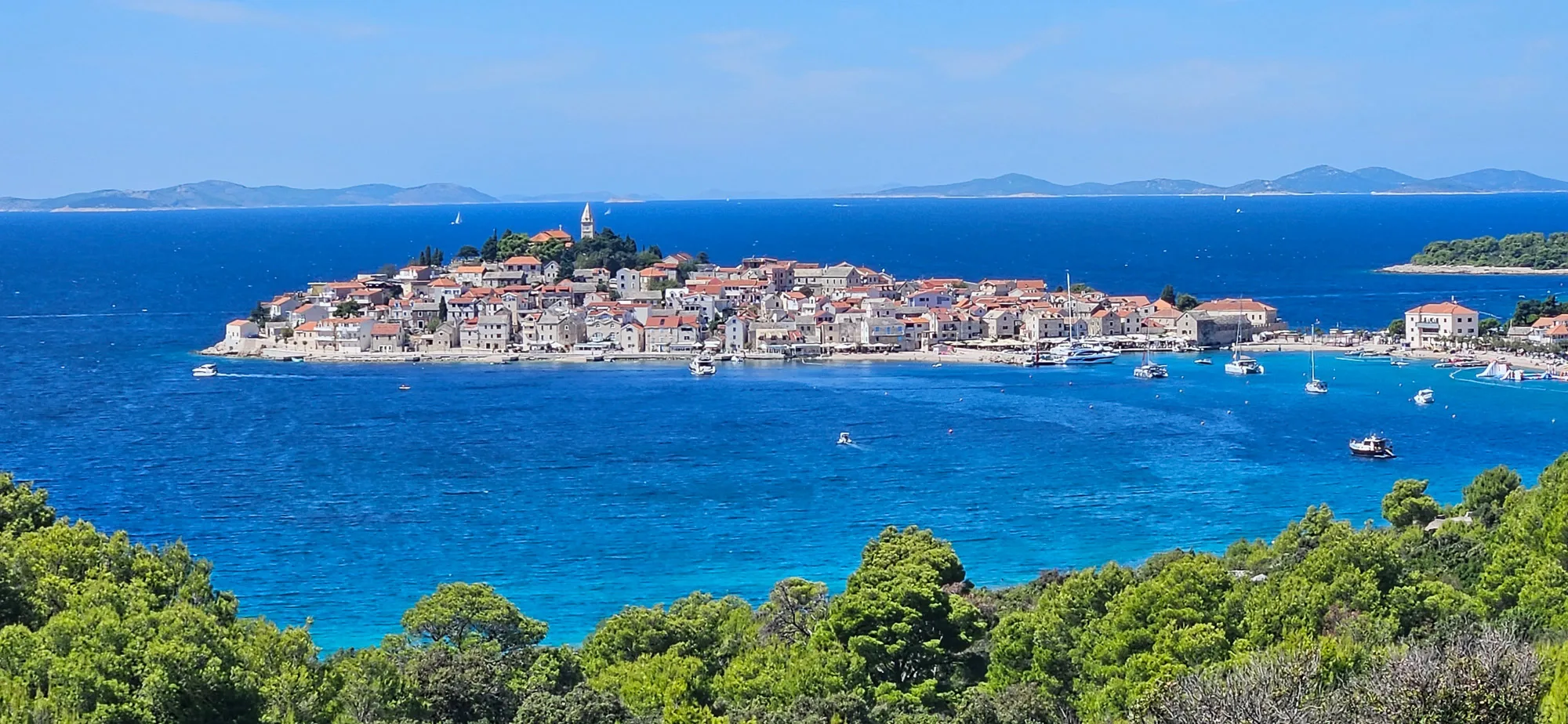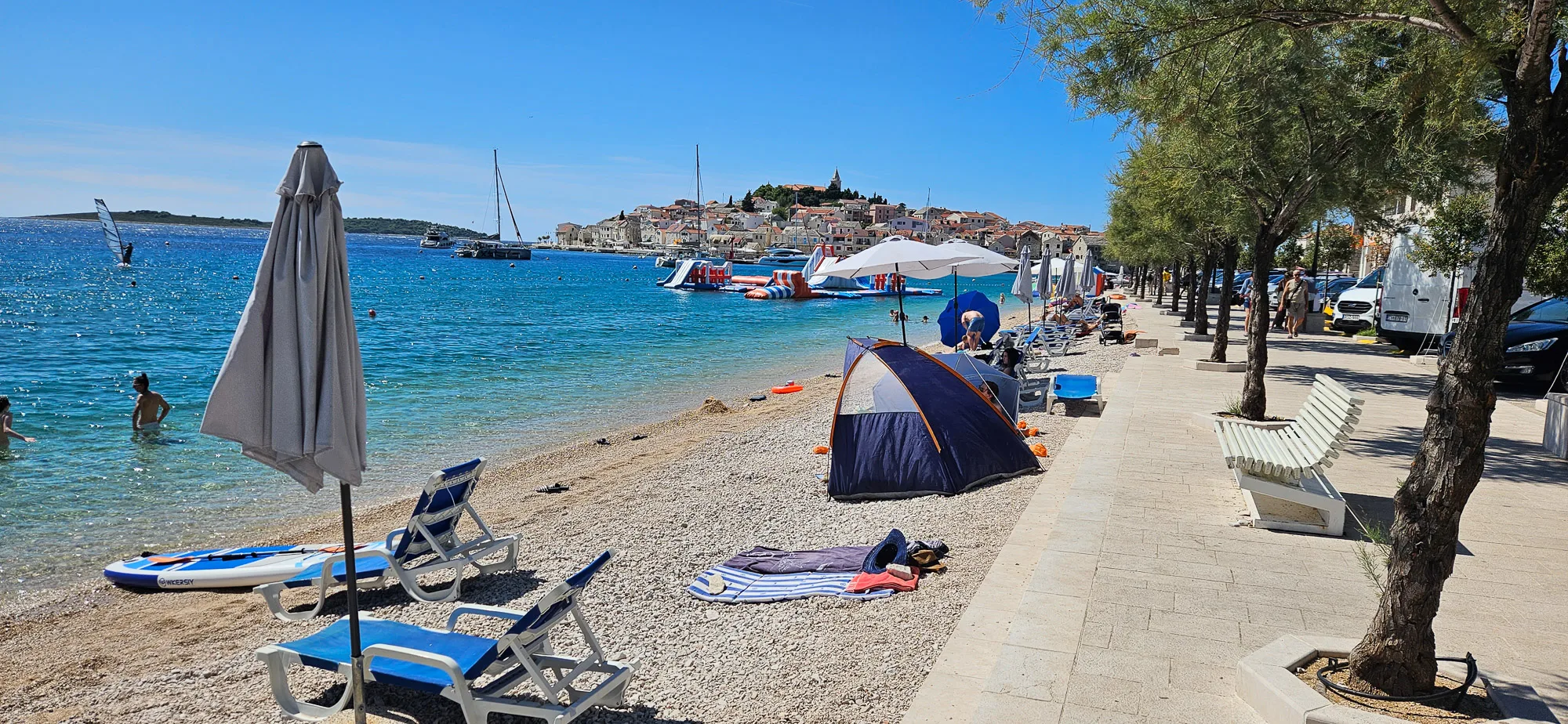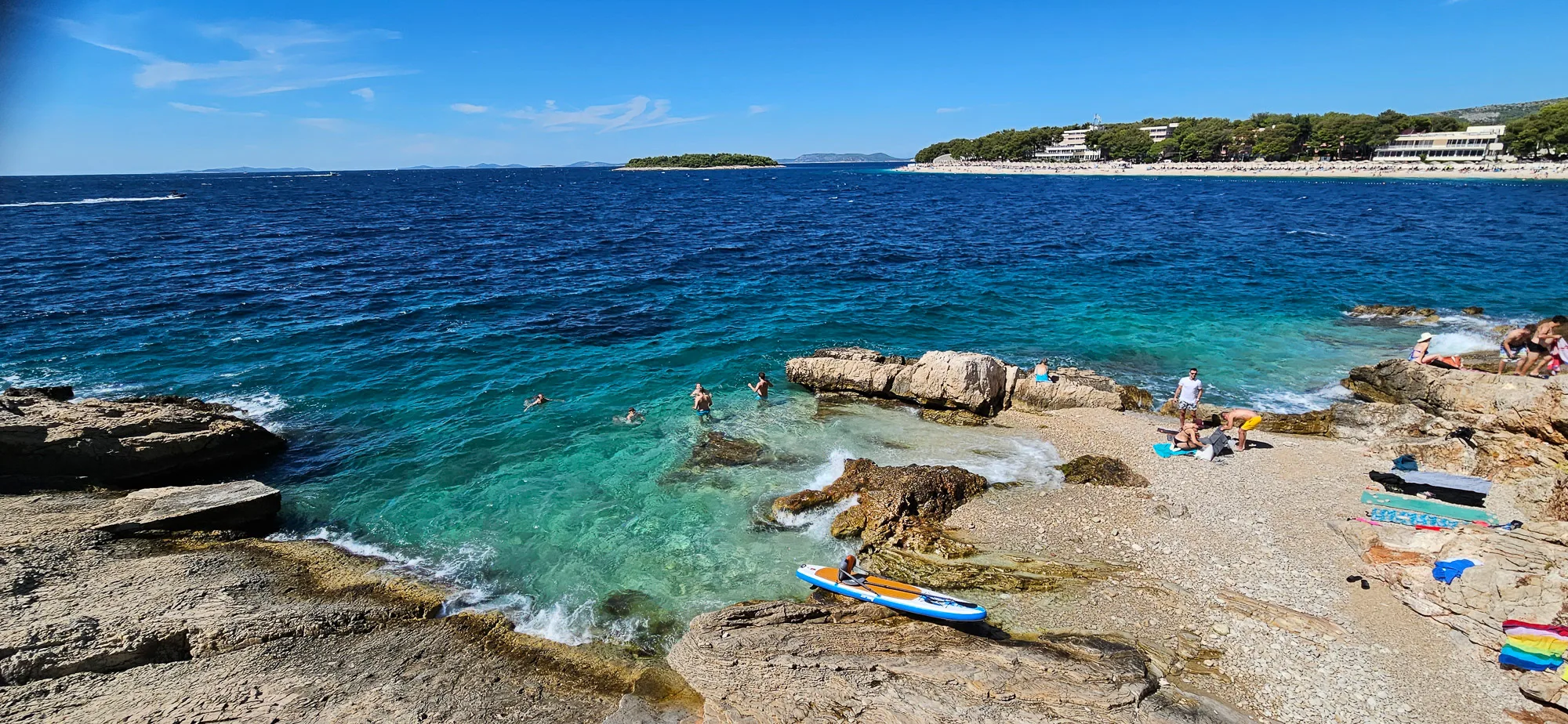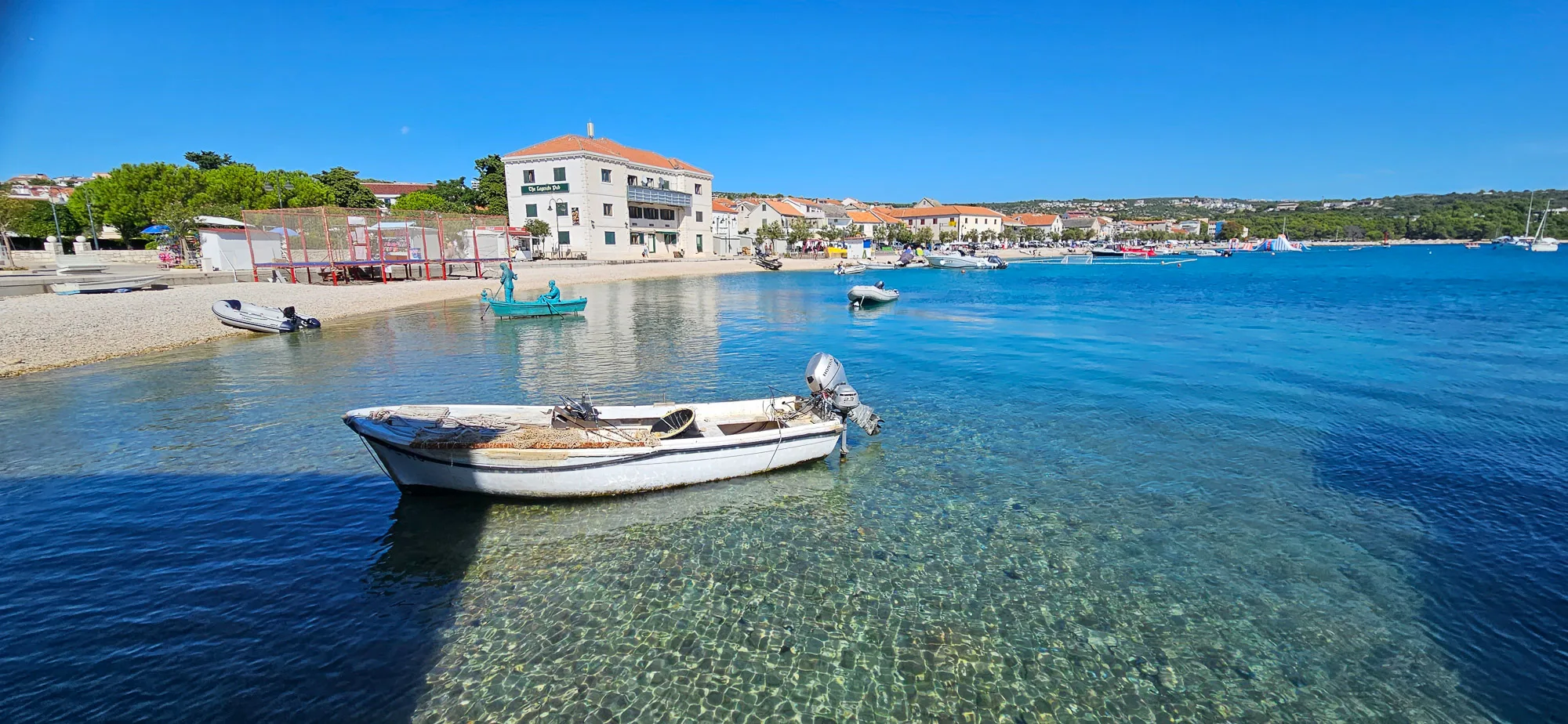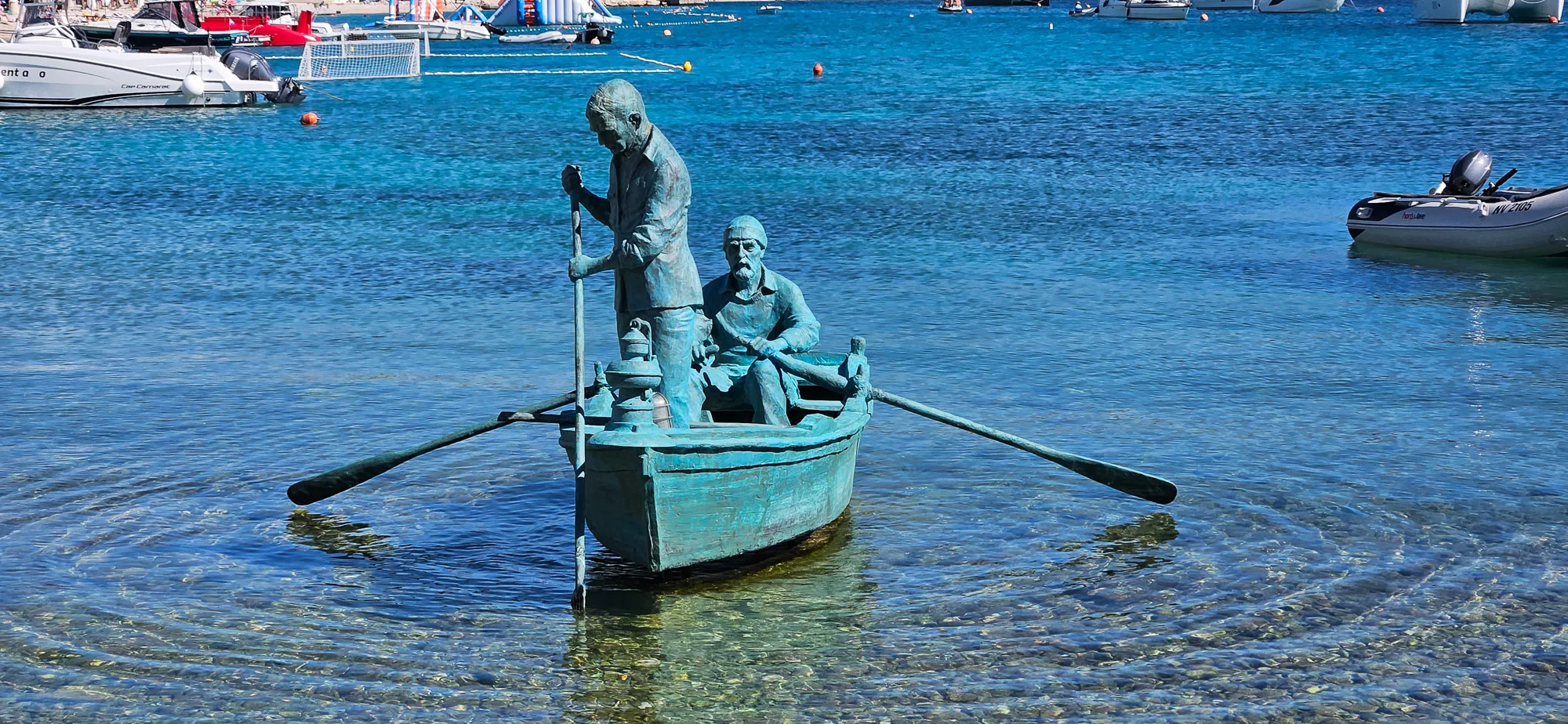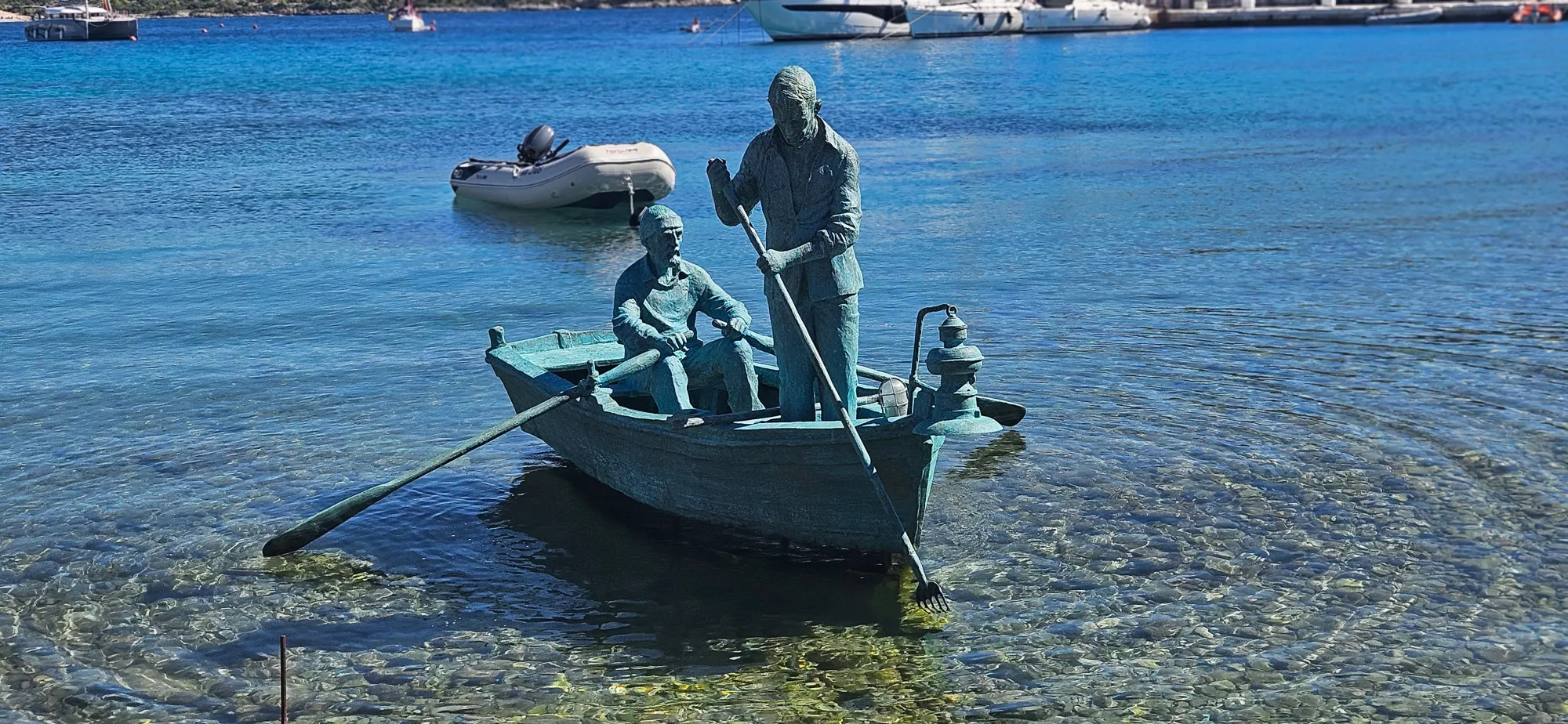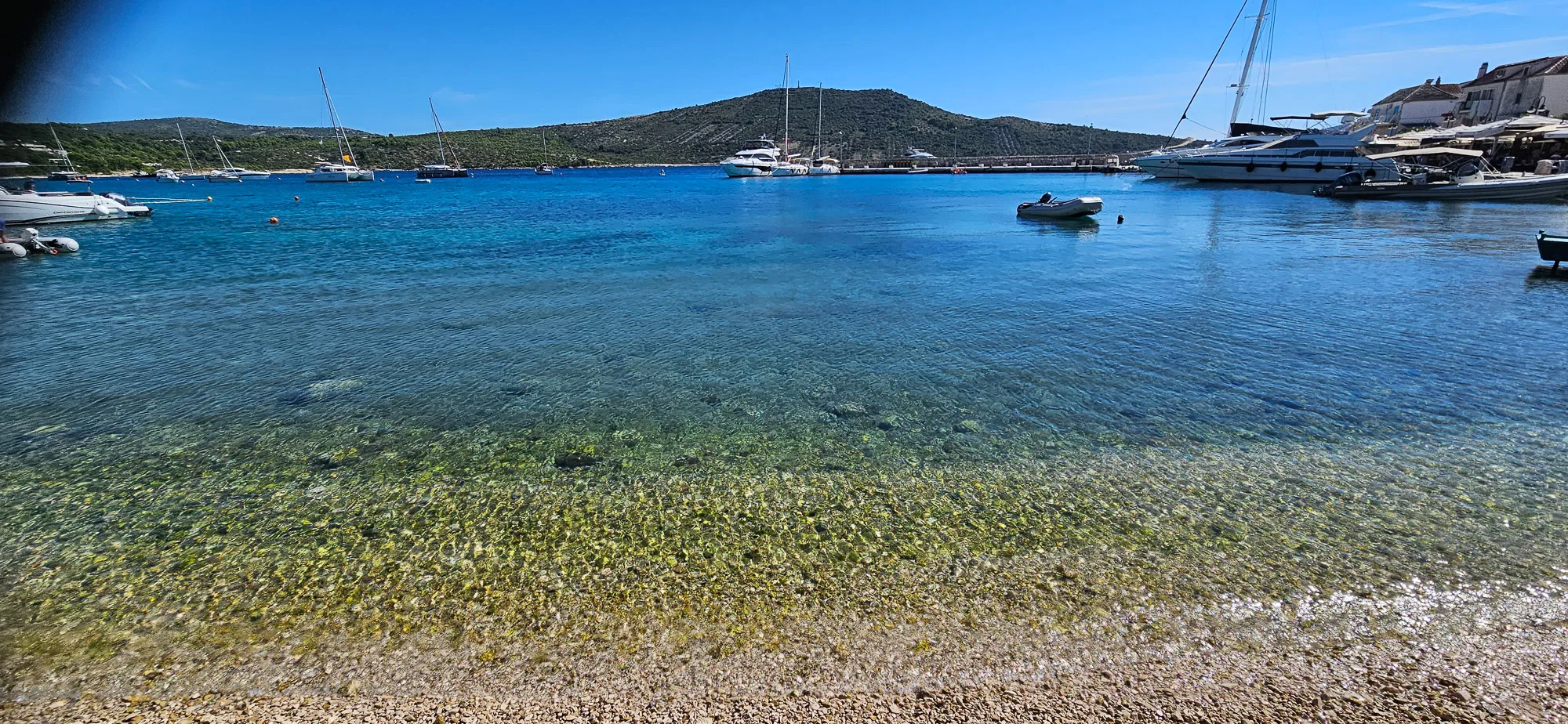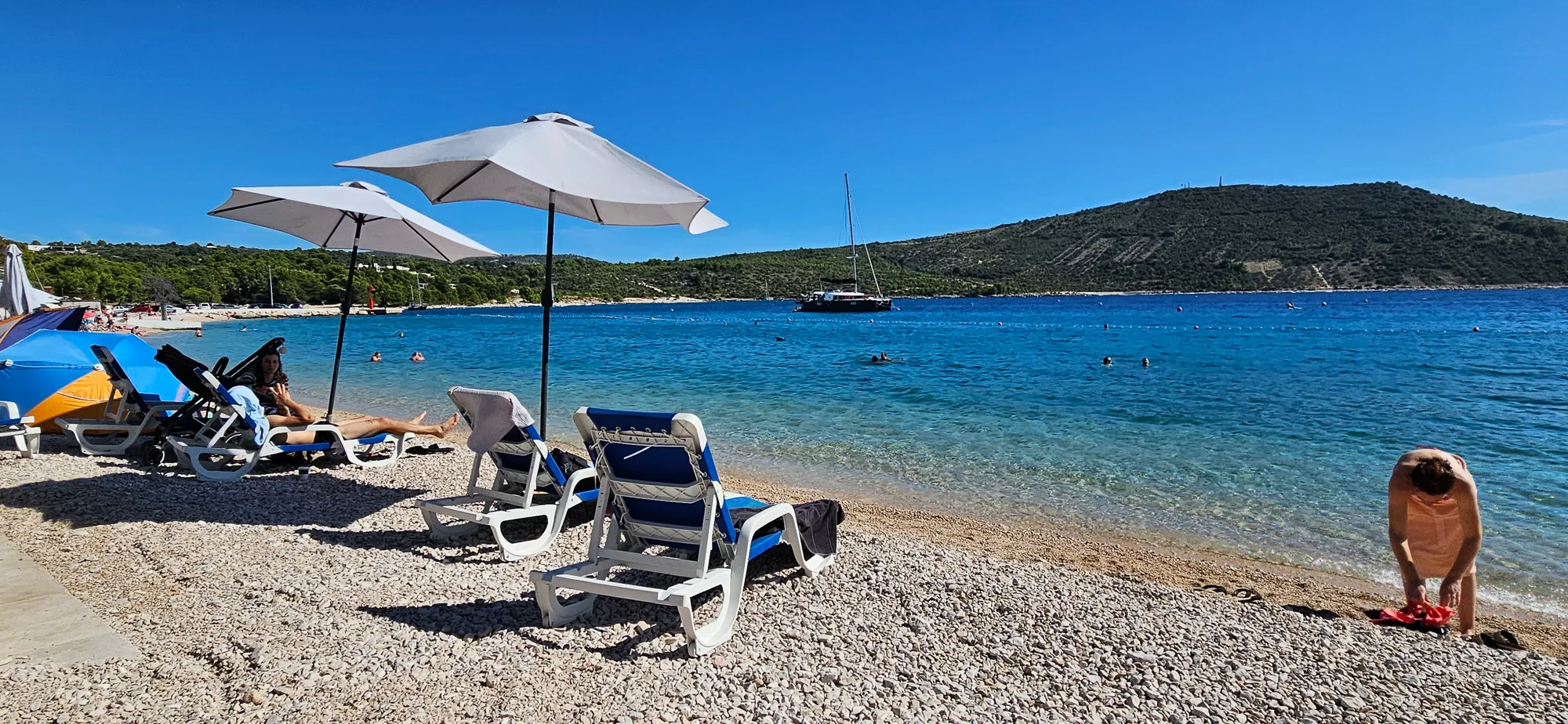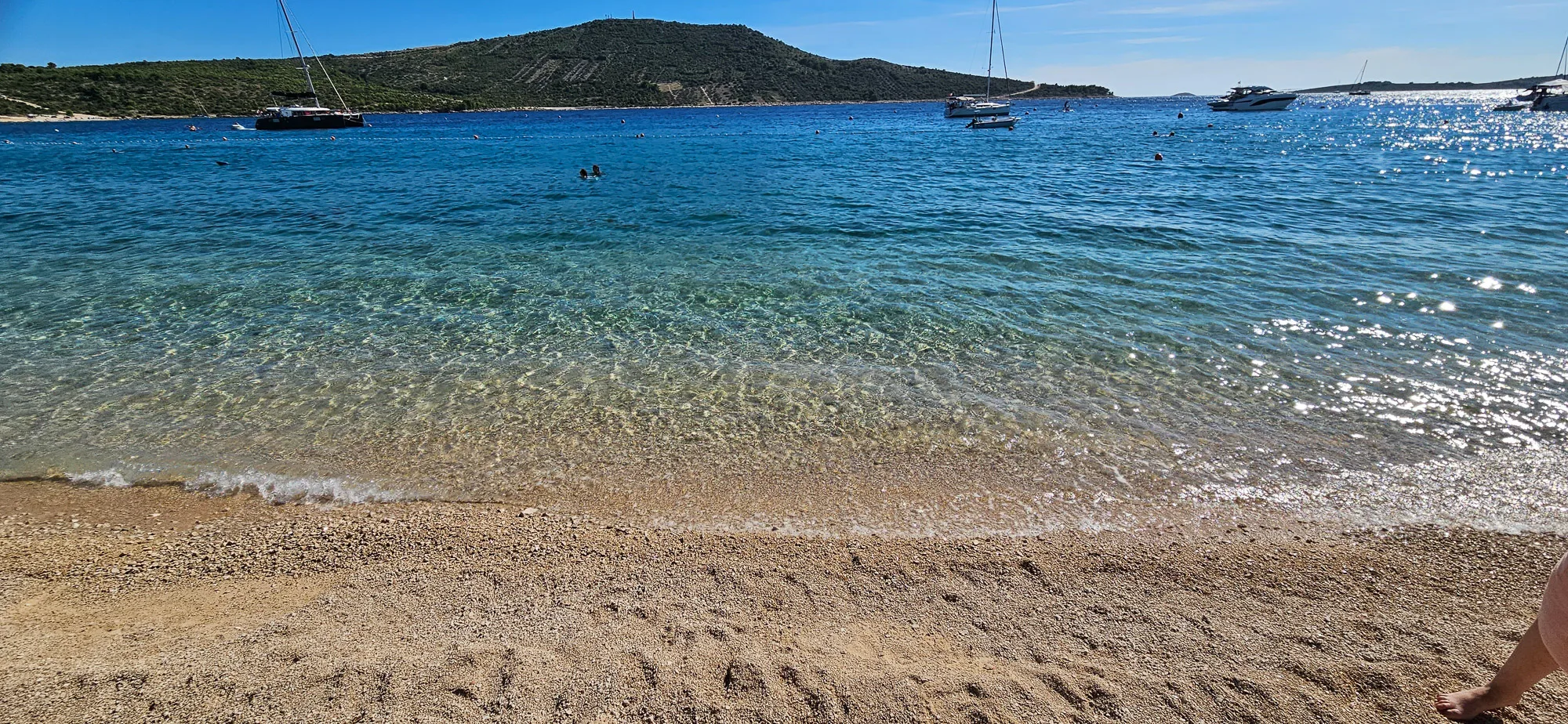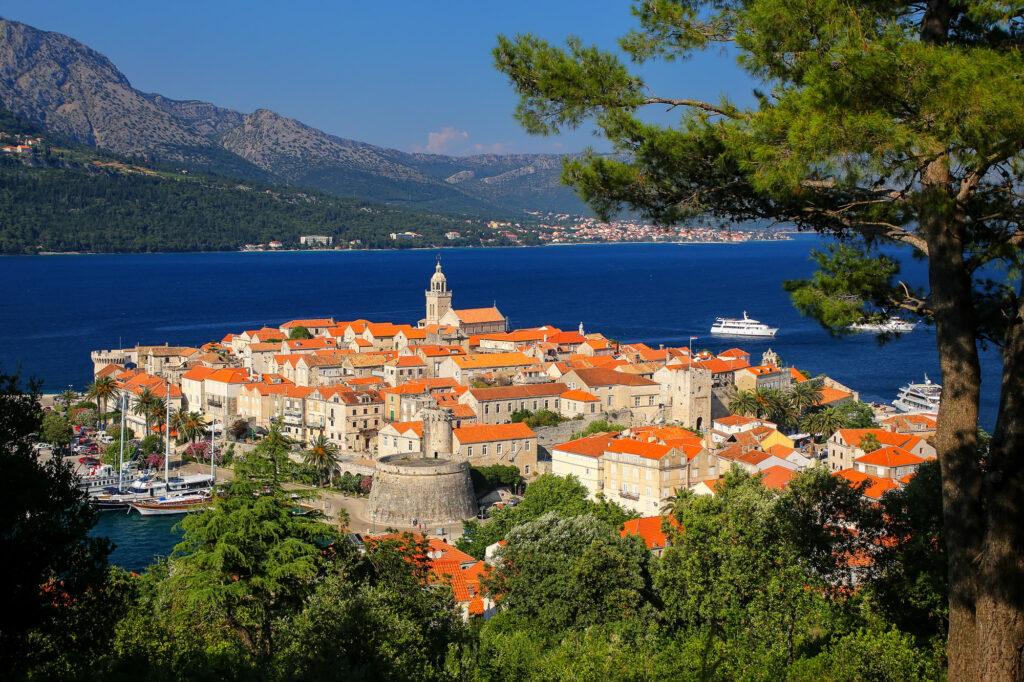
Dalmatia is the long, sunny southern coast of Croatia, running from the Zadar area to the border with Montenegro beyond Dubrovnik. It has more UNESCO World Heritage sites than any other part of the country, four national parks and hundreds of islands just offshore, and it is where most people picture Croatia: stone old towns, pine-fringed coves and ferries crossing a very blue sea.
Northern, Central and Southern Dalmatia
Dalmatia is long, so travellers usually think of it in three parts. Each one is enough for a relaxed week.
- Northern Dalmatia – Zadar and Šibenik, the Kornati islands, the Krka waterfalls and the Paklenica canyons on the slopes of Velebit.
- Central Dalmatia – Split, Trogir, Omiš and the Makarska Riviera, plus the islands of Brač, Hvar, Vis and Šolta.
- Southern Dalmatia – Dubrovnik, Cavtat and the Konavle valley, the Pelješac peninsula and the islands of Korčula and Mljet.
Main destinations
Zadar mixes a Roman forum and Romanesque churches with modern landmarks such as the Sea Organ and the Greeting to the Sun, and its sunsets are famous. It is also a practical gateway to the islands of the Zadar archipelago.
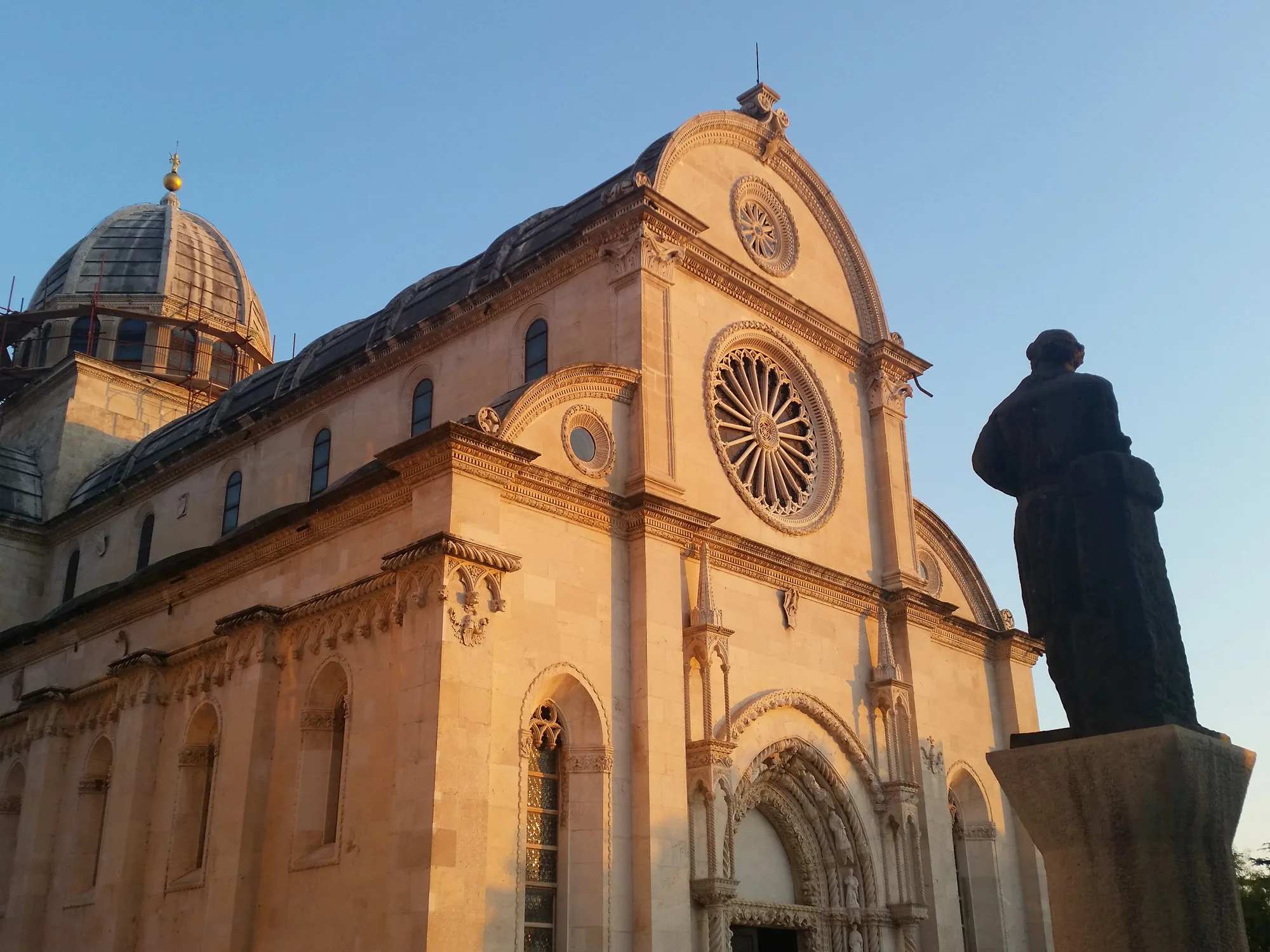
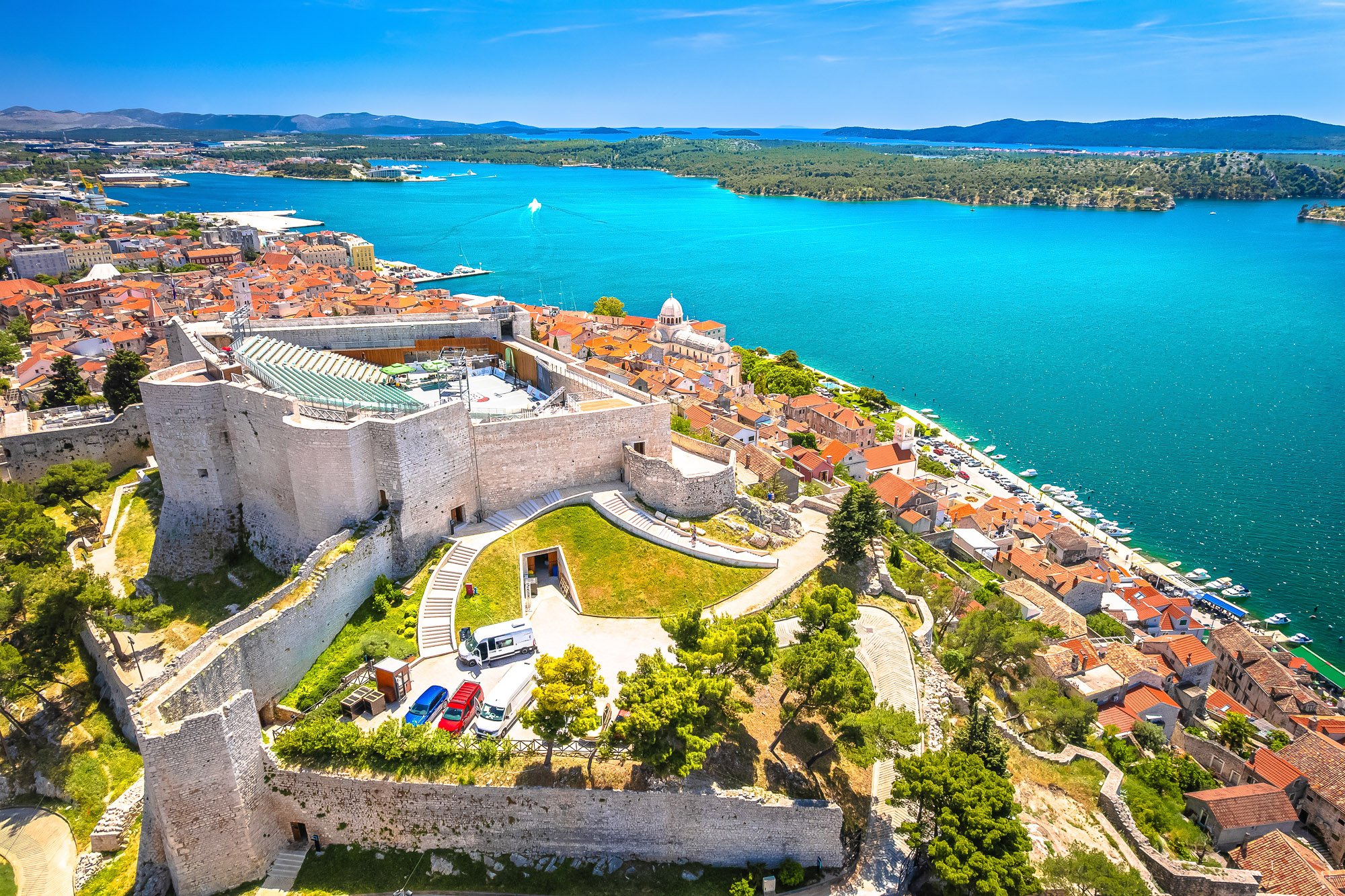
Šibenik has a compact, hilly old town, the Cathedral of St James and a string of fortresses above the sea. It is the closest town to Krka National Park and to the Kornati boat trips.
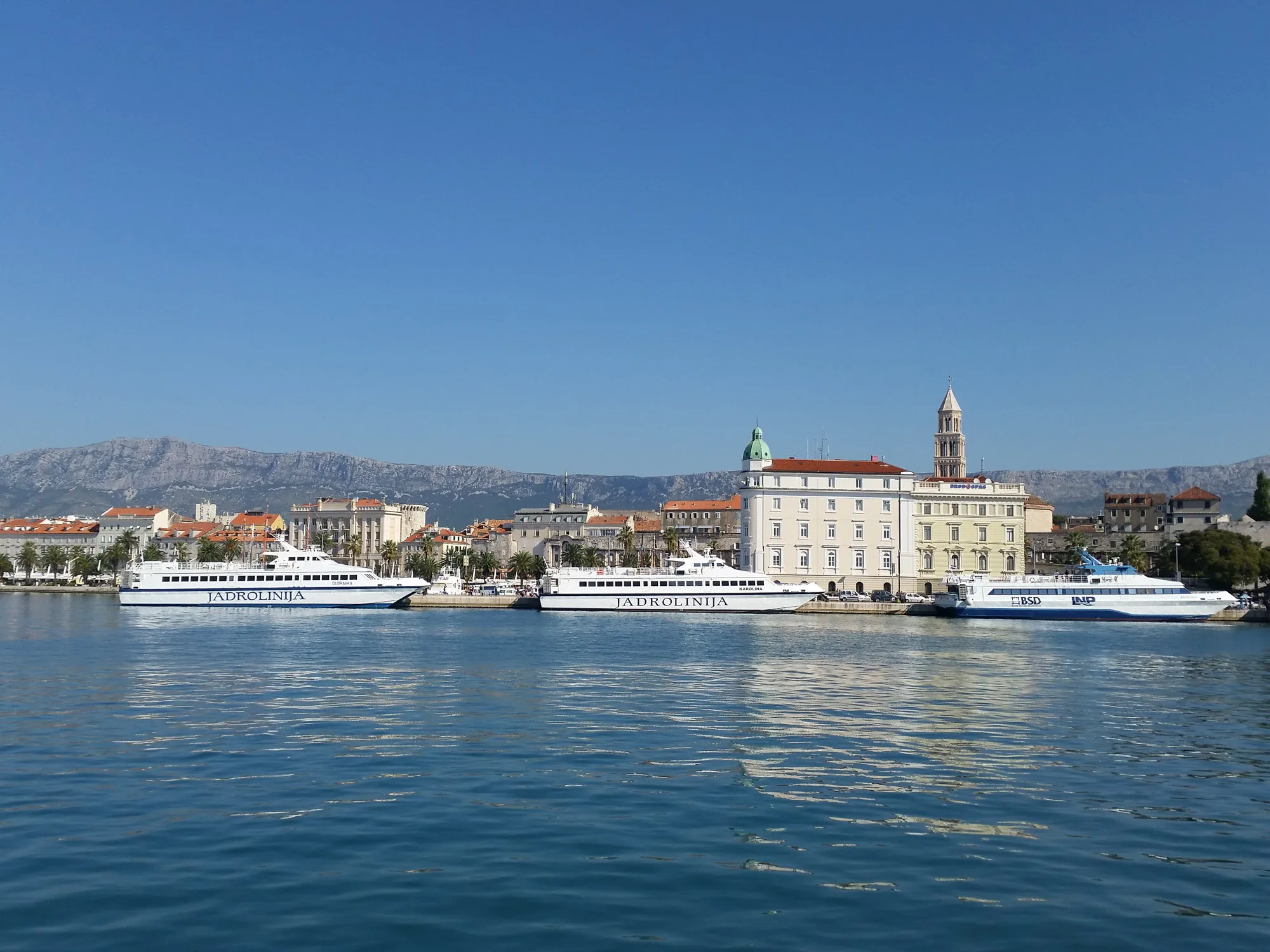
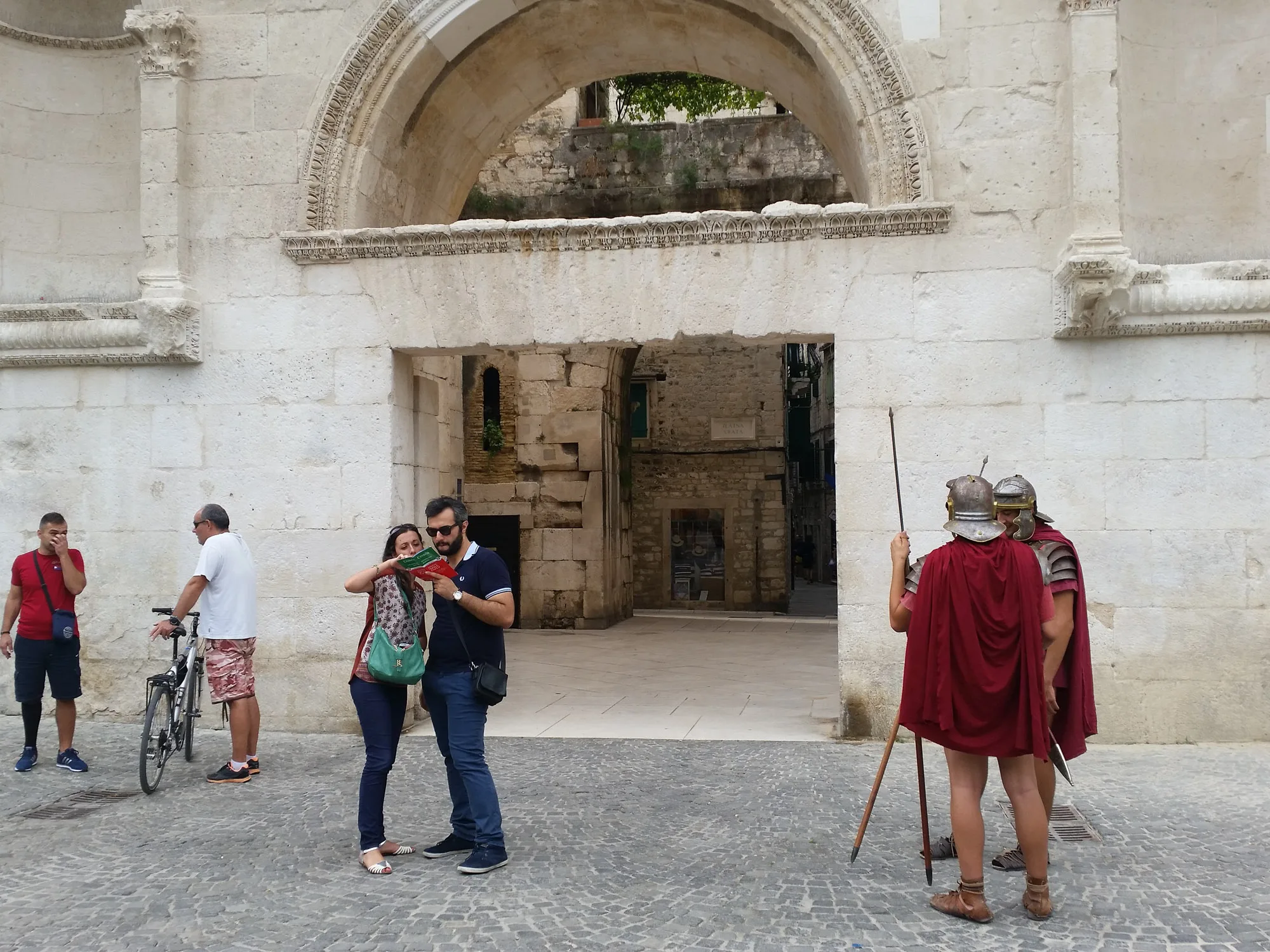
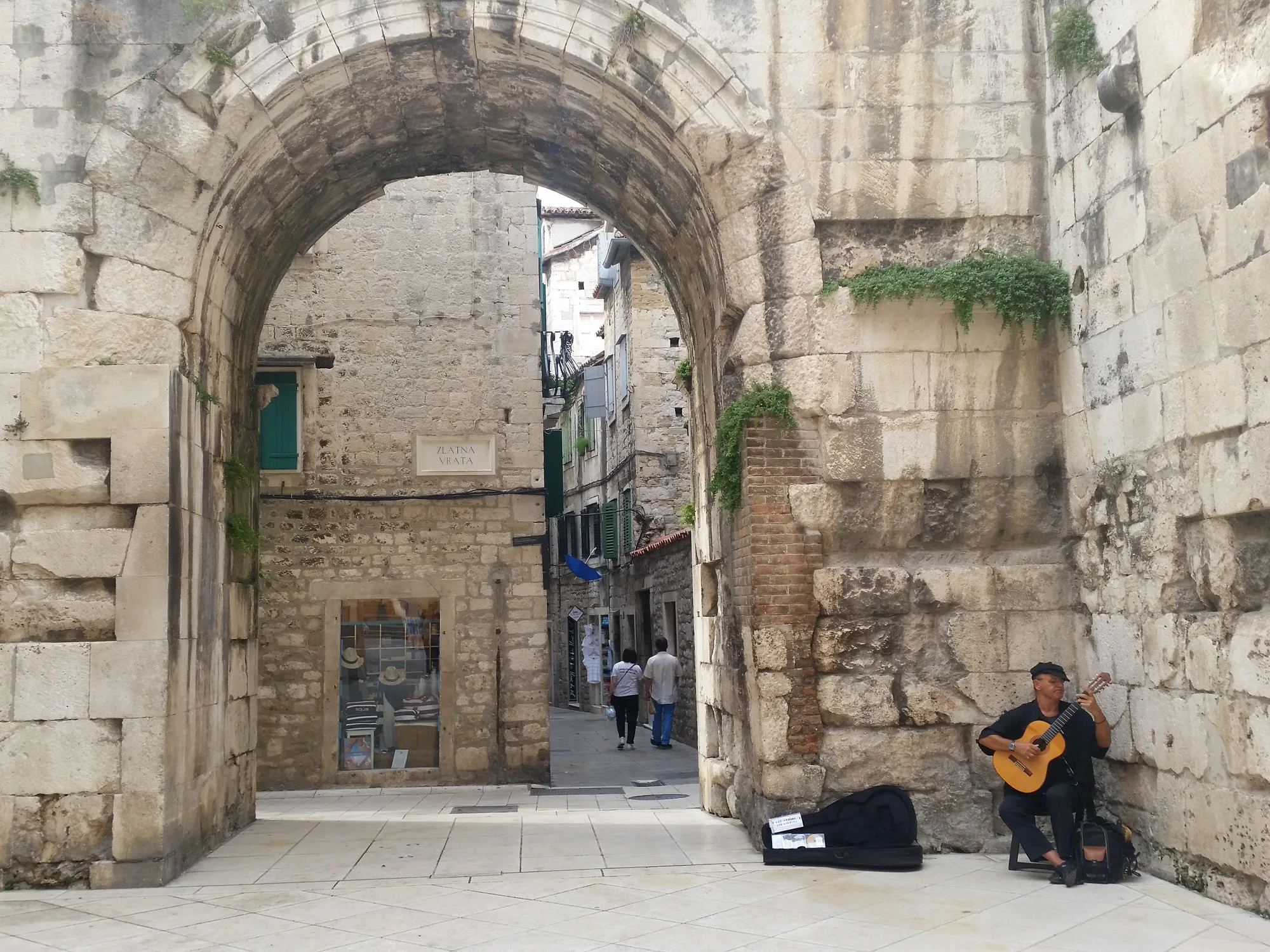
Split grew inside the walls of Diocletian’s Palace, and people still live, eat and shop within a Roman emperor’s residence. Split is Dalmatia’s main ferry port, so it is the natural base for island hopping.
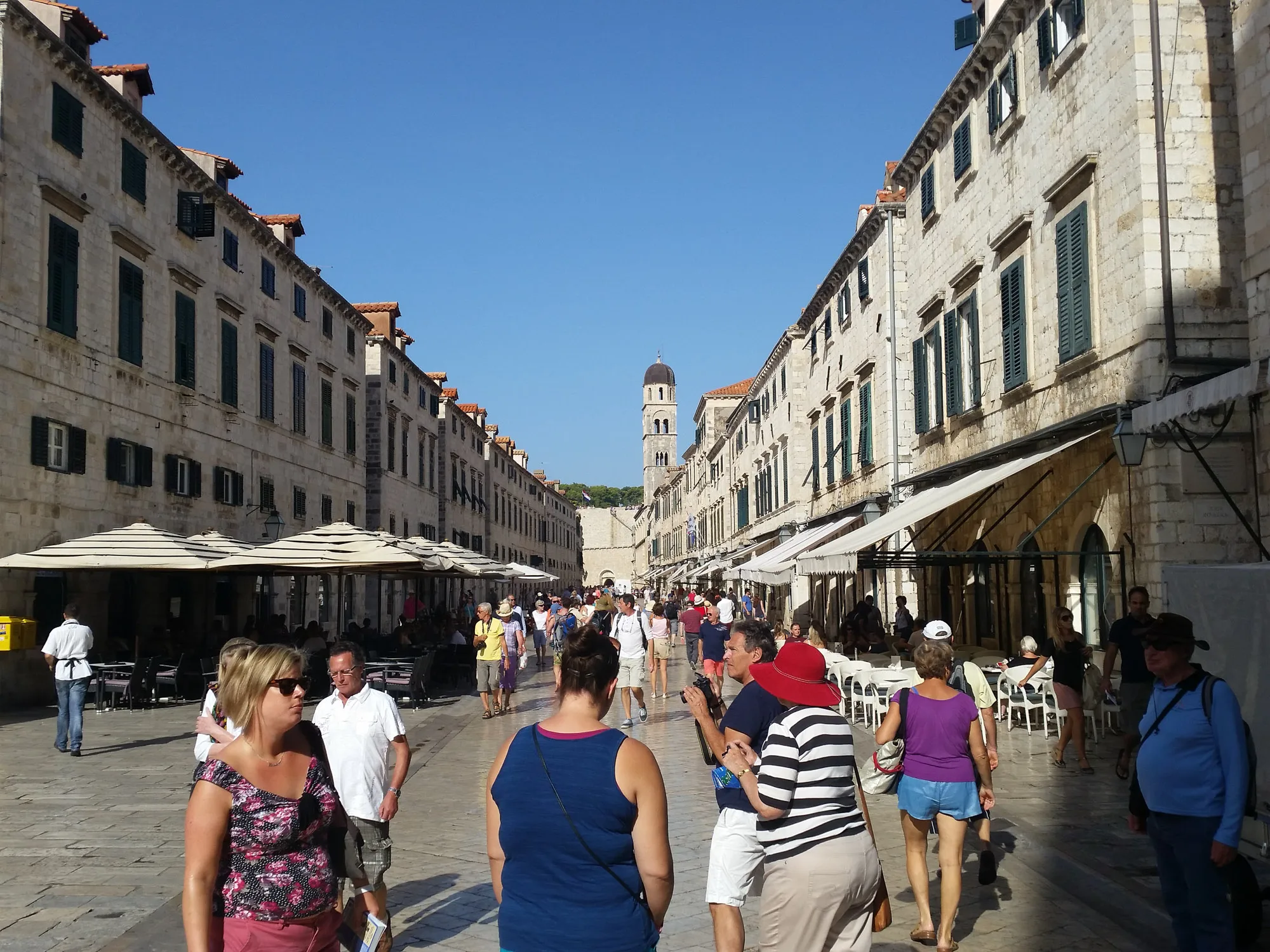
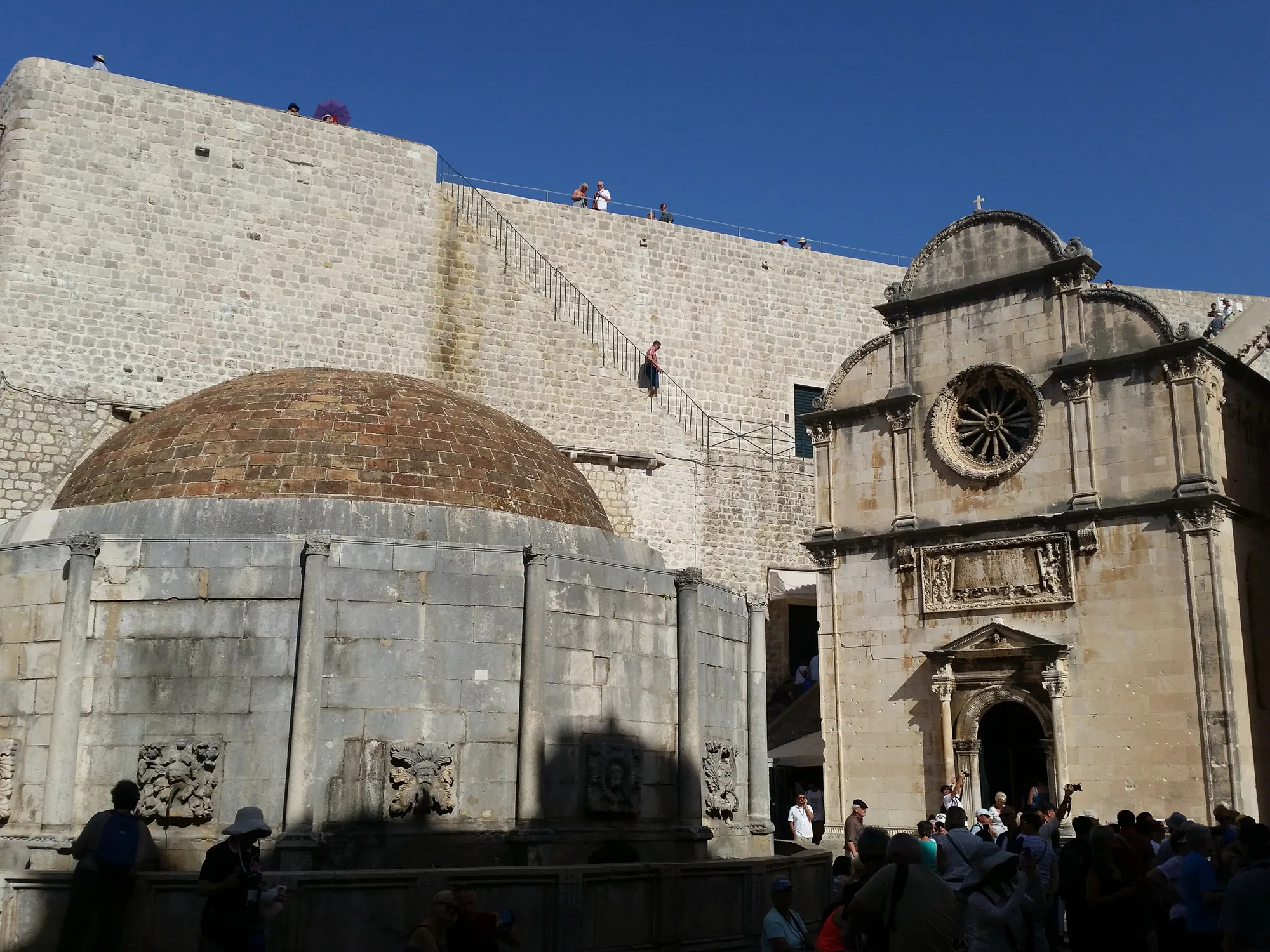
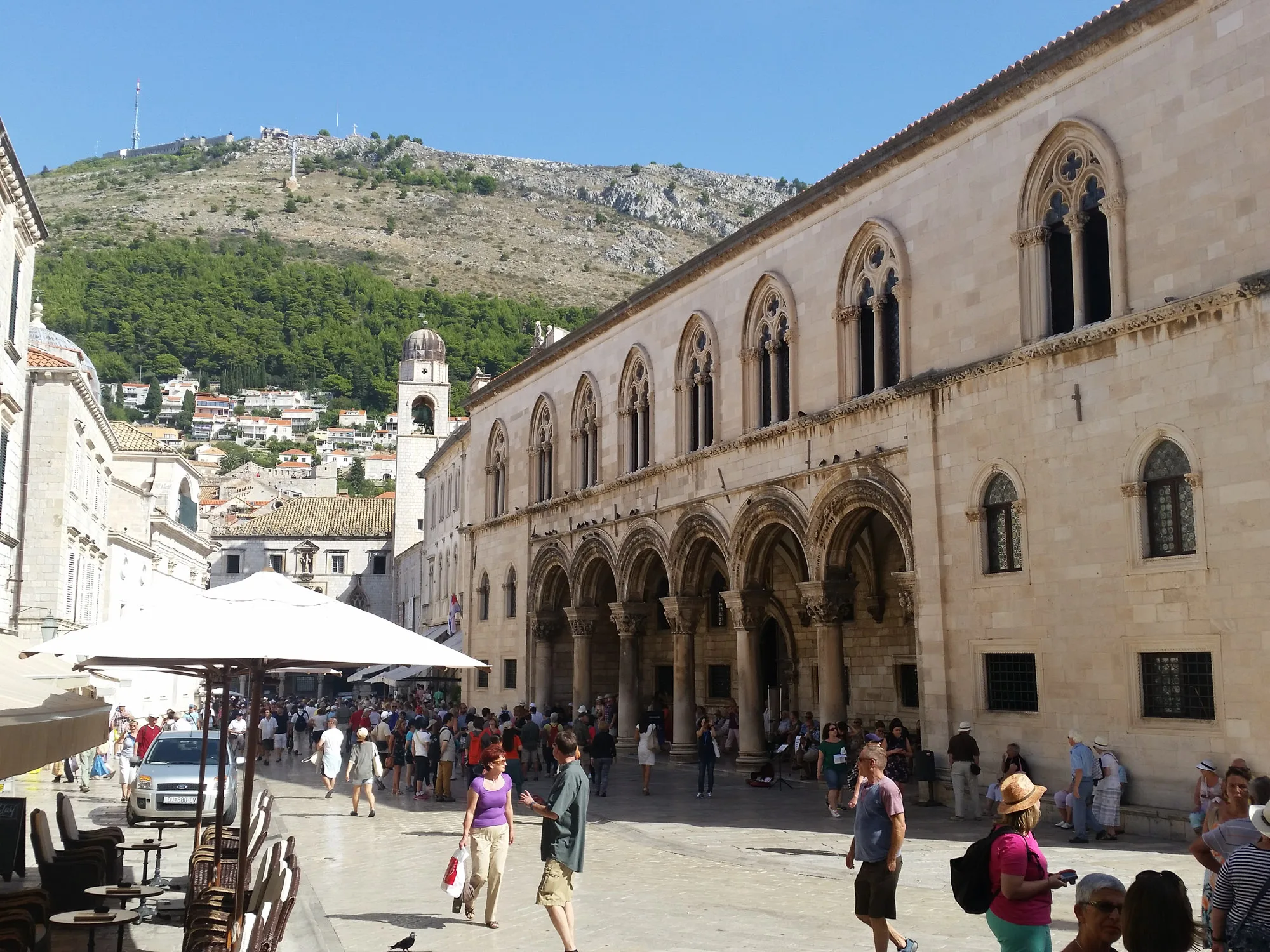
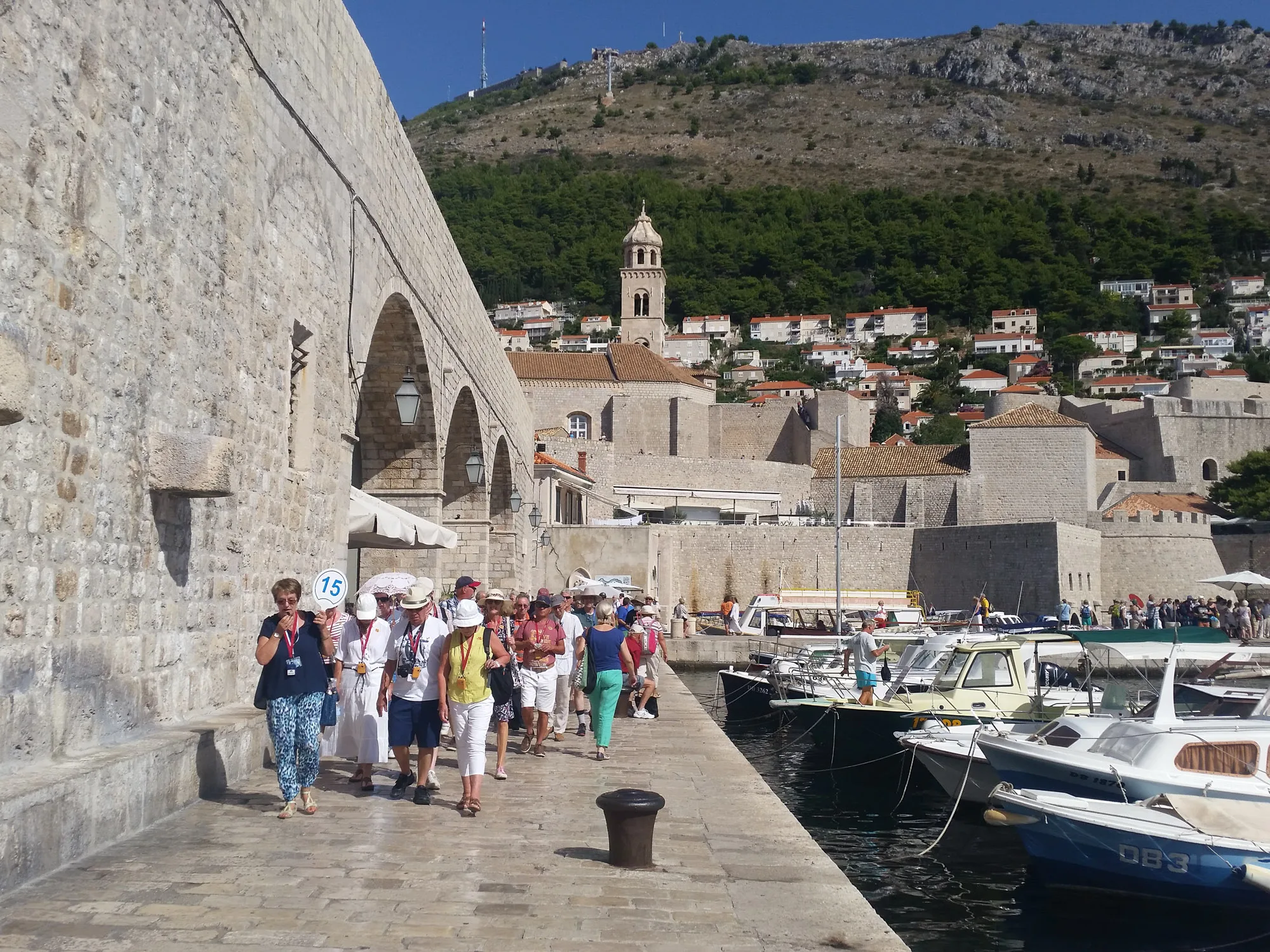
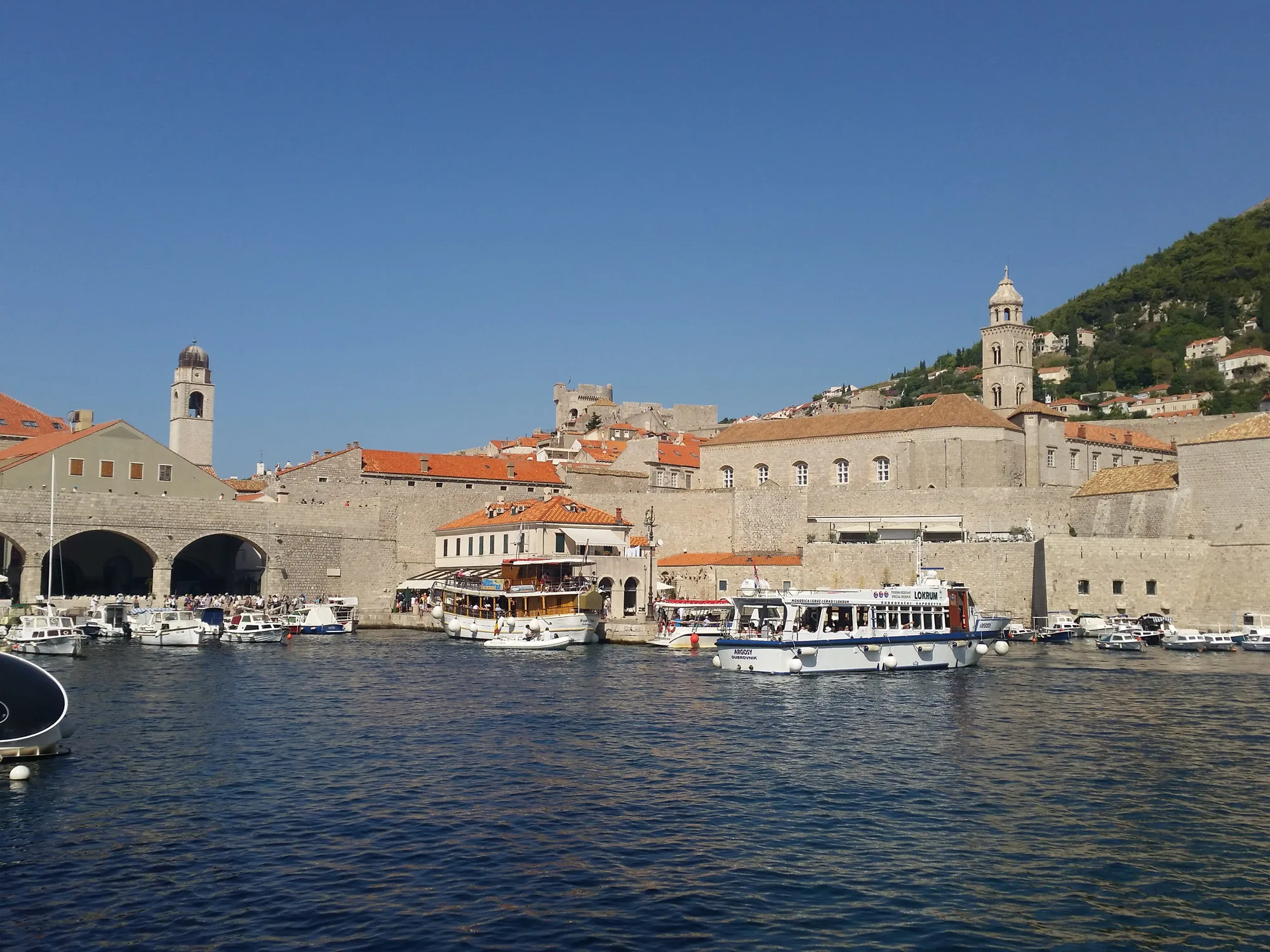
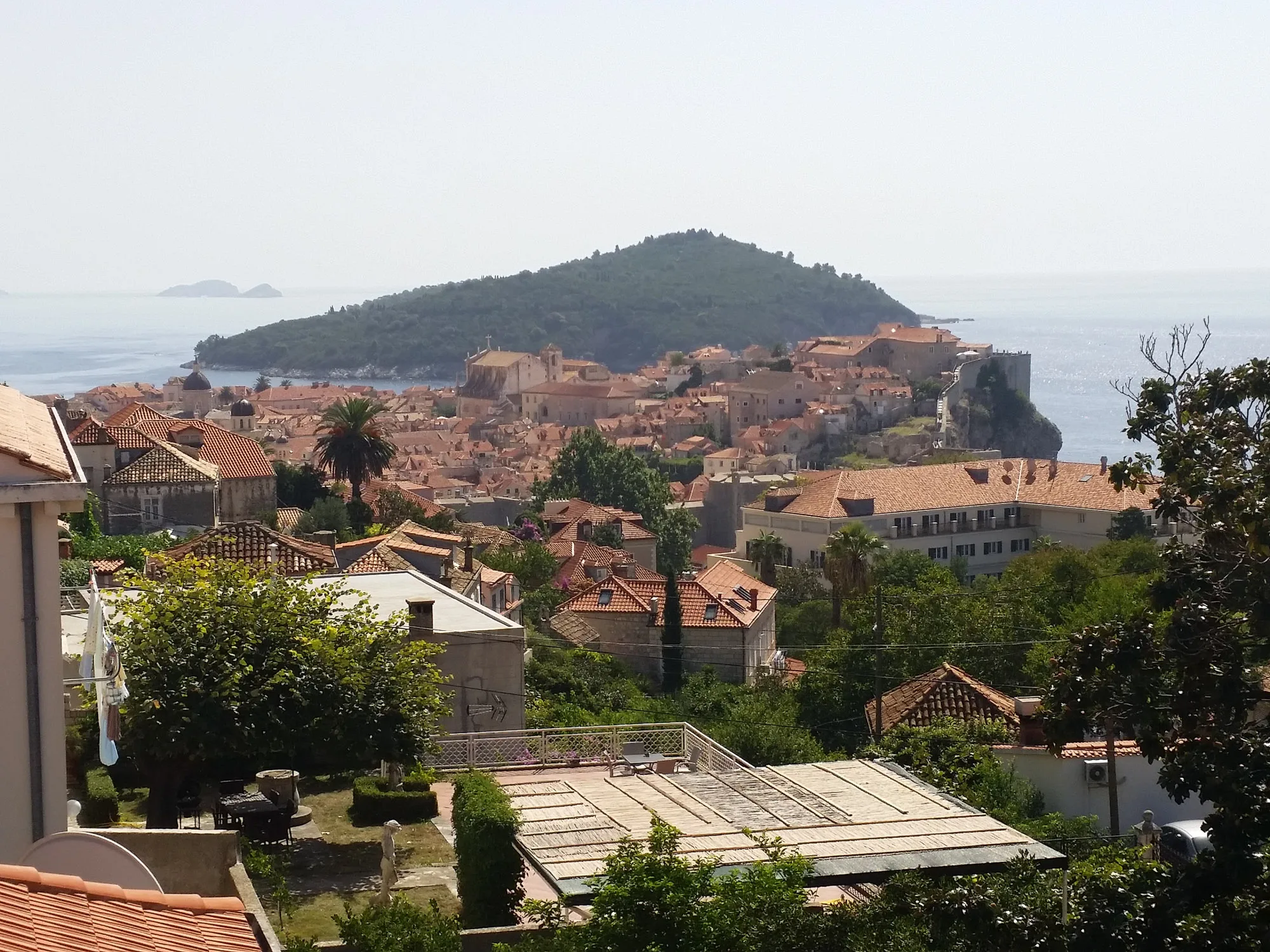
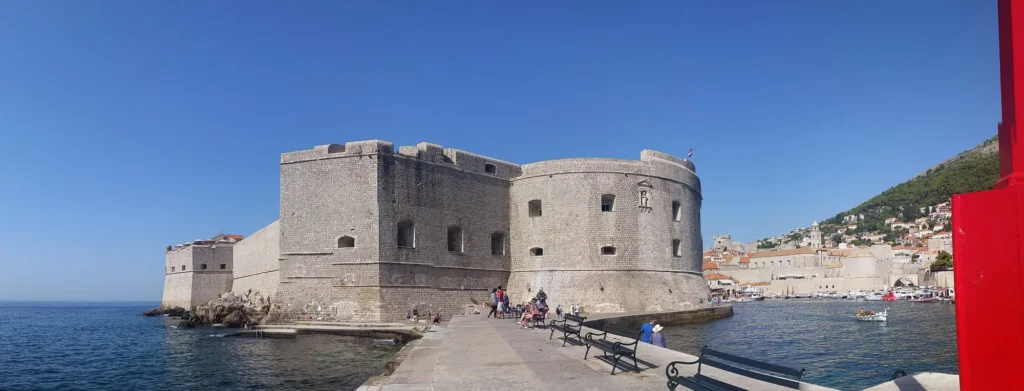
Dubrovnik is the walled city at the far south of the country. It is at its best early in the morning, in the evening and outside July and August, when cruise-ship crowds thin out.
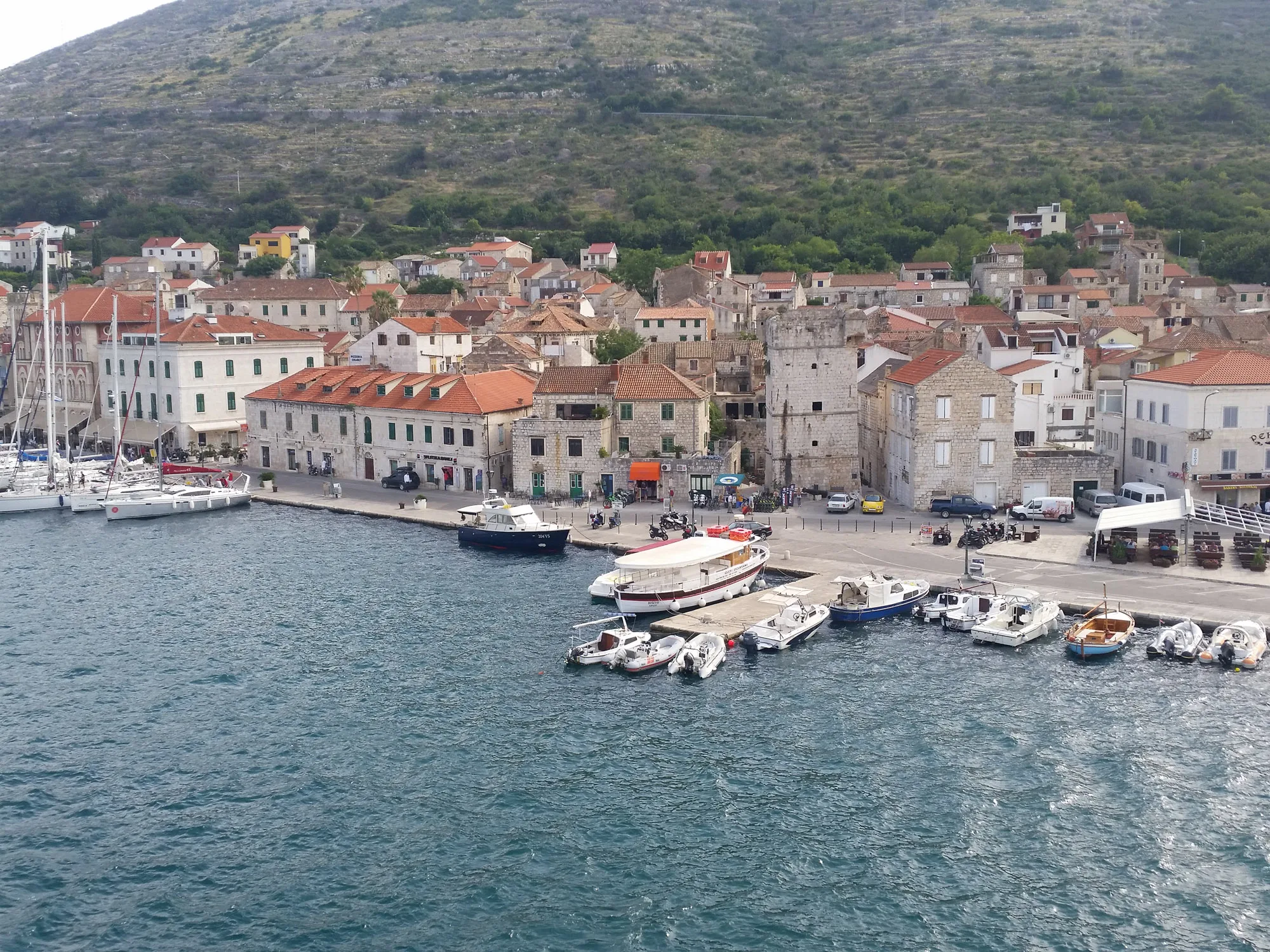
The islands – Hvar for lavender fields, vineyards and a lively main town; Brač for Zlatni Rat beach; Vis for a slower, more remote feel; Korčula for its walled old town; Mljet for its forested national park. See Croatian Islands for how to choose.
UNESCO World Heritage in Dalmatia
- Diocletian’s Palace and the historic centre of Split
- The Old City of Dubrovnik
- The Historic City of Trogir
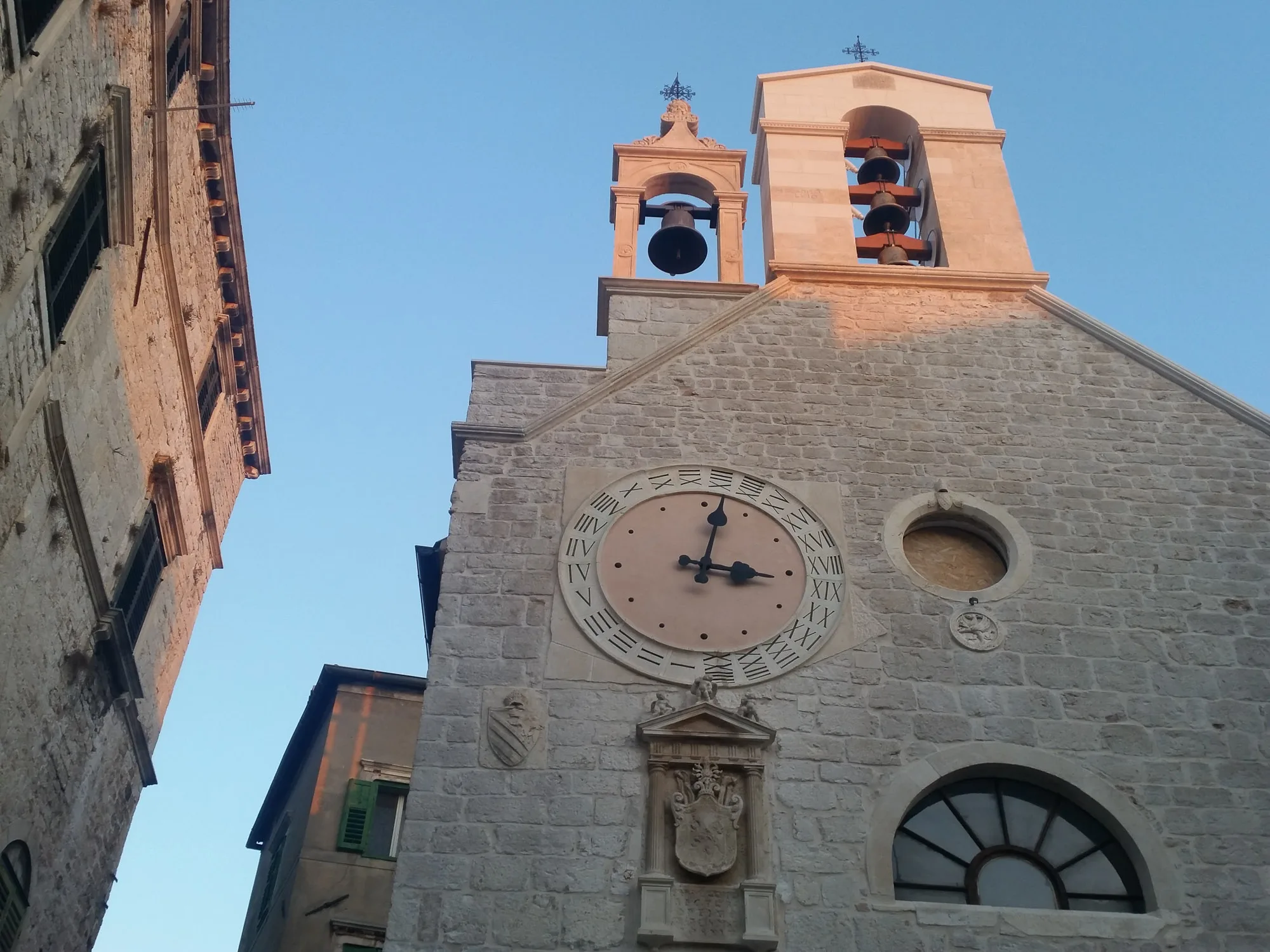
- The Cathedral of St James in Šibenik
- The Stari Grad Plain on Hvar
- The Venetian defence works in Zadar and St Nicholas’ Fortress in Šibenik
Nature and national parks
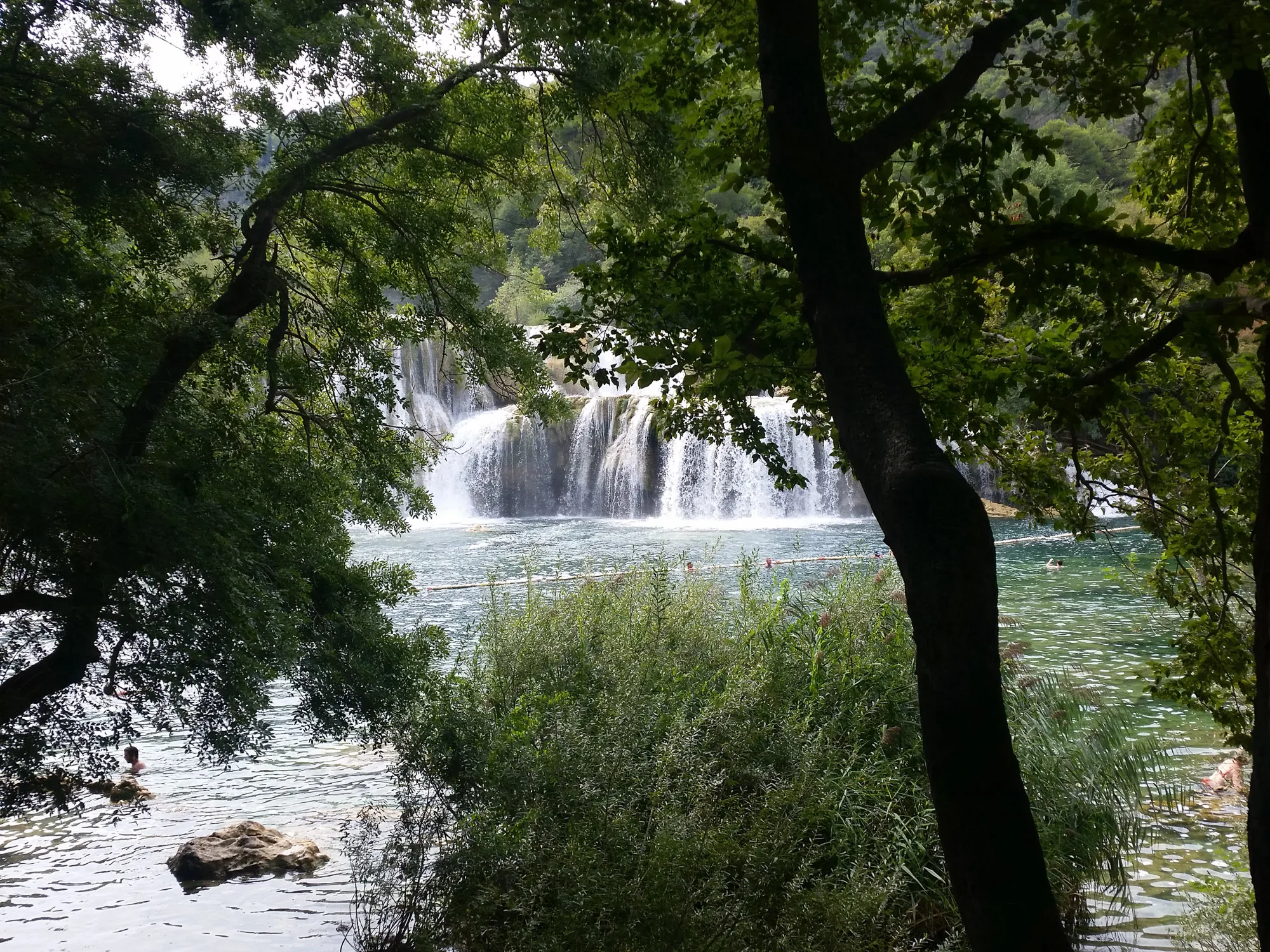
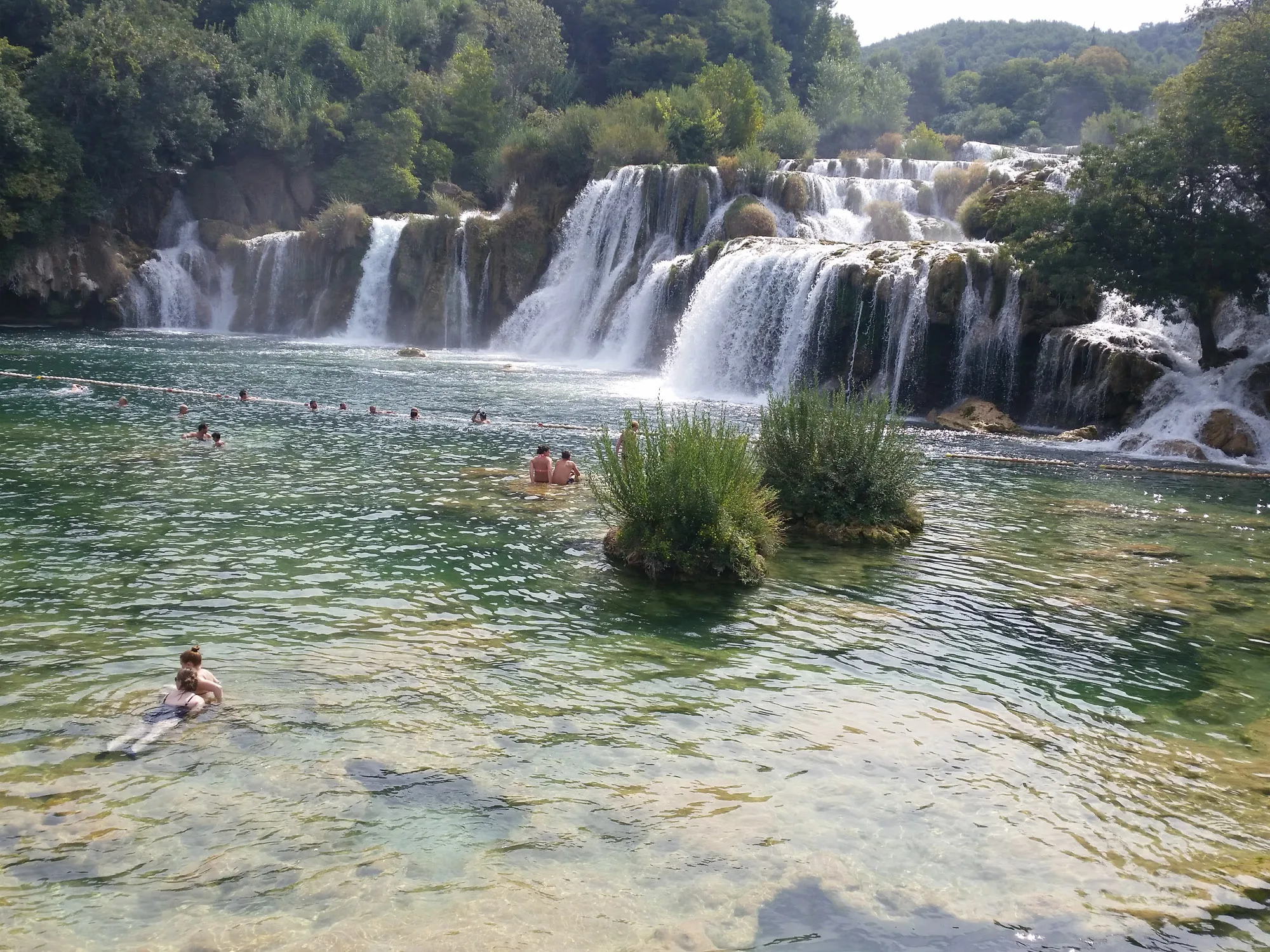
Four of Croatia’s national parks are in Dalmatia. Krka is known for its travertine waterfalls and boardwalks (swimming below the falls is no longer allowed). Kornati is an archipelago of bare, sculpted islands best seen by boat. Paklenica, on the Velebit side, is Croatia’s best-known climbing and hiking canyon. Mljet protects two saltwater lakes surrounded by pine forest.
Outside the parks, the Biokovo mountain rises straight behind the Makarska Riviera, the Cetina river cuts a canyon inland from Omiš, and Telašćica Nature Park on Dugi Otok has cliffs, a salt lake and quiet bays.
When to go
July and August are the hottest and busiest months, with the highest prices. Late May, June and September give warm sea, long days and fewer people, and they are the best time for most trips. From November to March the coast is quiet: towns are pleasant for walking, but many island hotels, restaurants and boat services close for the winter.
Getting there and around
Dalmatia has three international airports – Zadar, Split and Dubrovnik – so it is easy to fly into one end and out of the other. The A1 motorway links Zagreb with Zadar, Šibenik and Split and continues south towards Ploče; since the Pelješac Bridge opened, you can drive on to Dubrovnik without crossing the short stretch of Bosnia and Herzegovina at Neum.
Car ferries and fast catamarans run from Zadar, Split and Dubrovnik to the islands, and intercity buses connect all the coastal towns. A car is useful for national parks and small villages; for towns and islands, buses and ferries are enough.
How many days do you need?
Allow about a week for one part of Dalmatia – for example Split with two islands, or Dubrovnik with Pelješac and Korčula – and ten days to two weeks to travel the whole coast from Zadar to Dubrovnik without rushing.
Travel guides
Featured articles about Dalmatia
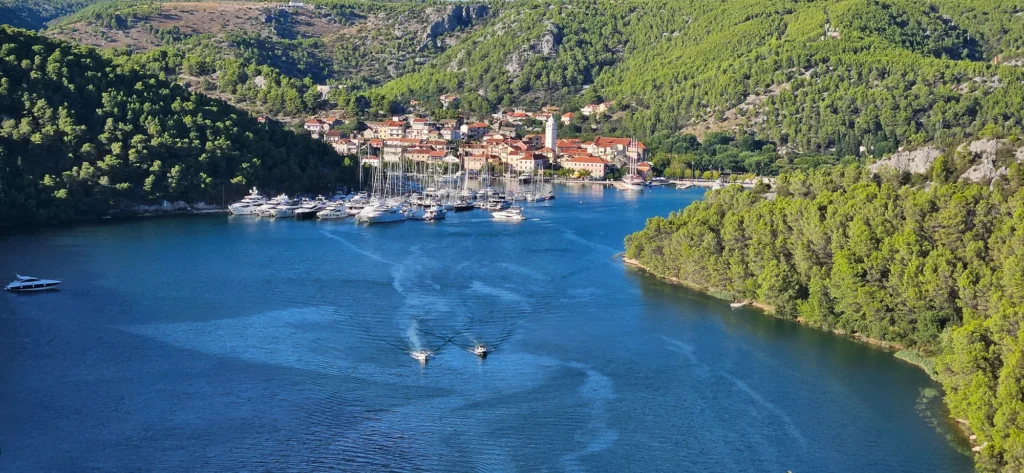 Destinations
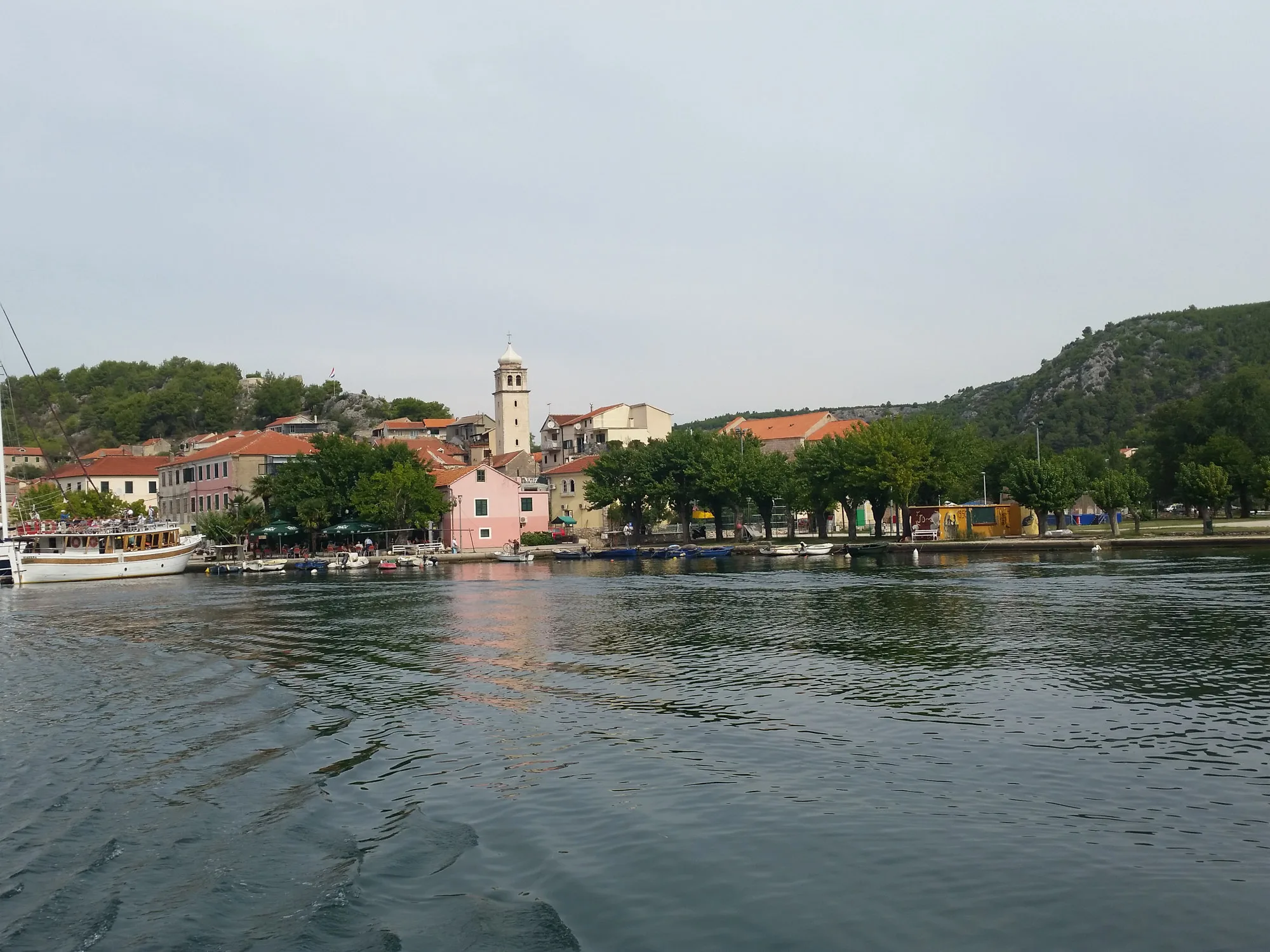
Skradin, Croatia: Travel Guide to Old Town, Krka Gateway and Riverfront
Explore Skradin’s historic streets, riverfront and local food, plus practical advice for reaching Krka National Park from this…
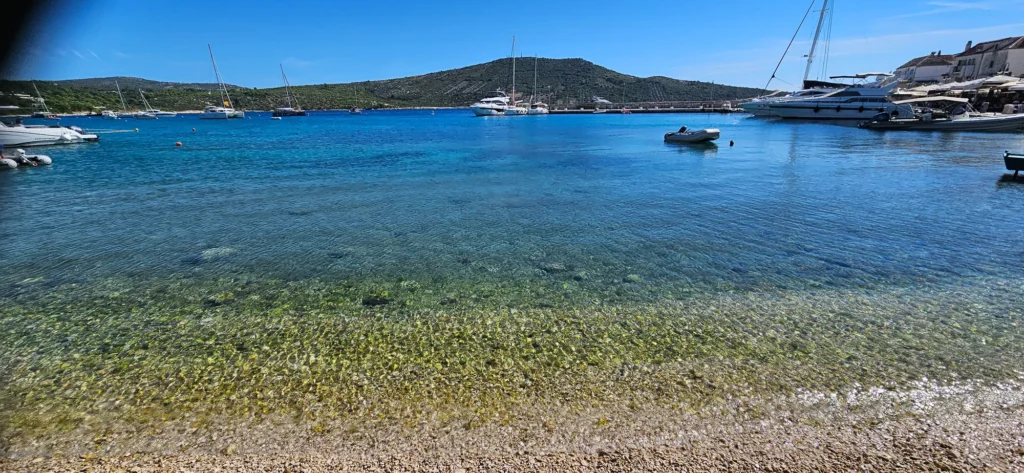 Destinations
Primošten, Croatia: Travel Guide to Old Town, Beaches and Babić Wine
Explore Primošten’s stone old town, Raduča beaches, Bucavac vineyards and Gaj viewpoint, with practical advice on day trips,…
- Destinations
Vodice, Croatia: Travel Guide to Beaches, Old Town and Prvić Island
Plan a holiday in Vodice with its waterfront, Blue Beach, nearby Srima and Prvić Island, plus tips on…
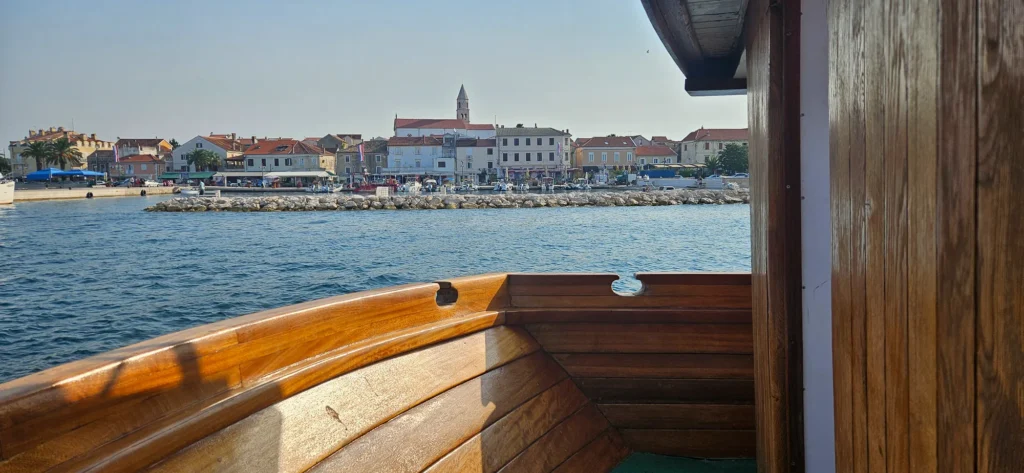 Destinations
Biograd na Moru, Croatia: Travel Guide to Beaches, Old Town and Island Trips
Explore Biograd na Moru’s beaches, compact old town, marina and island trips, with practical tips for families, day…
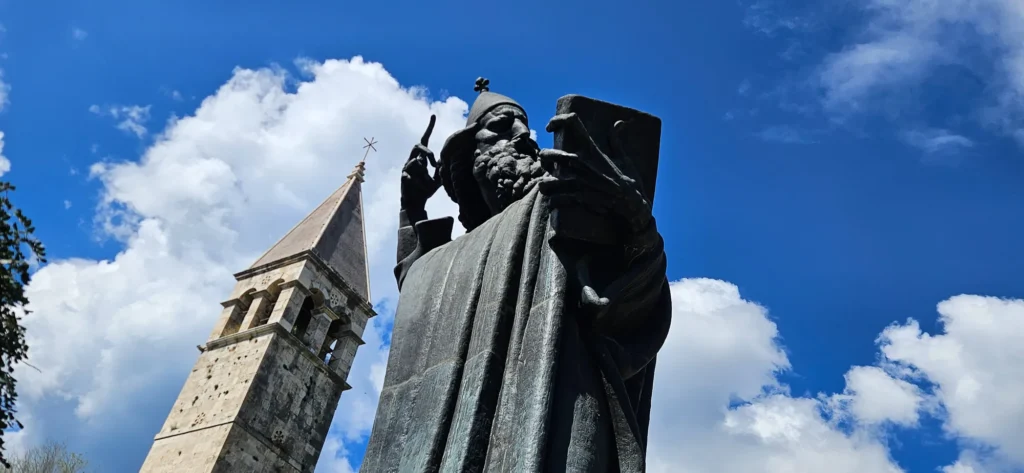 Destinations
Nin, Croatia: Travel Guide to Queen’s Beach, Old Town and Saltworks
Discover Nin near Zadar: historic churches, Queen’s Beach, sandy lagoons, saltworks tours, where to stay and how to…
 Destinations
Dubrovnik, Croatia: A Complete Travel Guide to the Walled City
Plan a trip to Dubrovnik with this practical guide to the Old Town, city walls, beaches, Lokrum, transport,…