You do not need a car to explore Zagreb. For most visitors, the easiest combination is walking through the compact historic centre and using ZET trams or buses for places farther out. A car becomes useful mainly if Zagreb is the start of a wider road trip or you plan to visit rural areas that are awkward to reach by public transport.
This guide explains how to visit Zagreb without a car, how the tram and bus network works, what tickets cost, when walking is faster, and how to handle attractions outside the central sightseeing area.
Do You Need a Car in Zagreb?
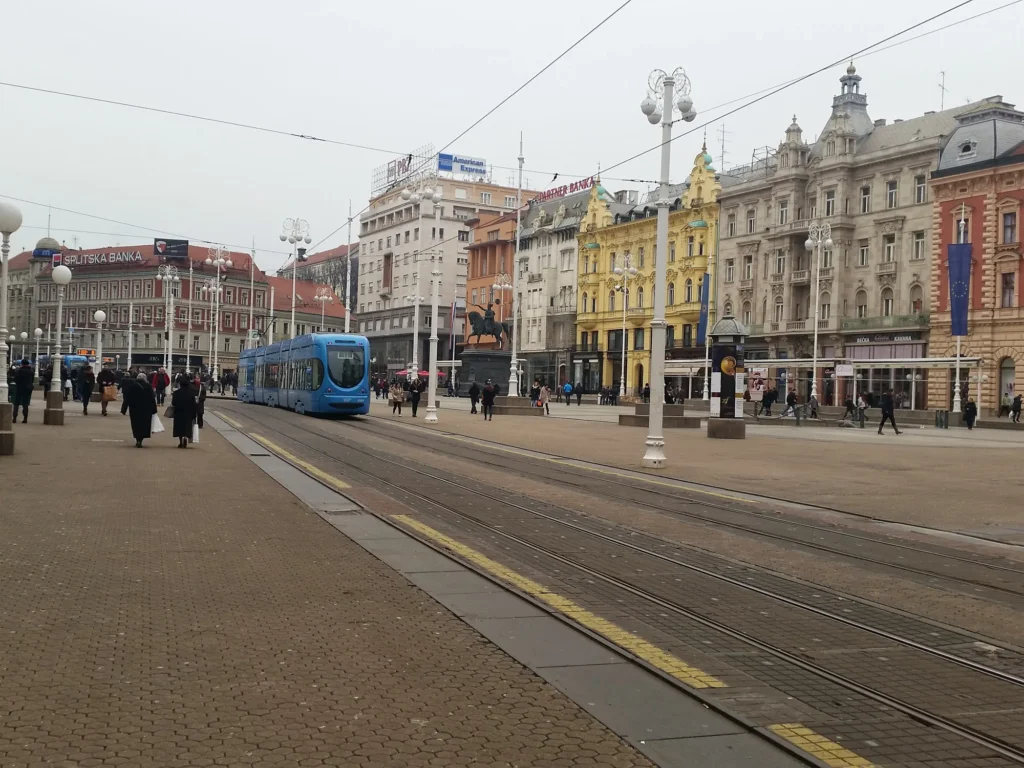
For a typical city break, no. Central Zagreb is highly walkable, and many of the sights most first-time visitors want to see are clustered around Ban Jelačić Square, Dolac Market, the Upper Town, Zrinjevac and the streets of the Lower Town.
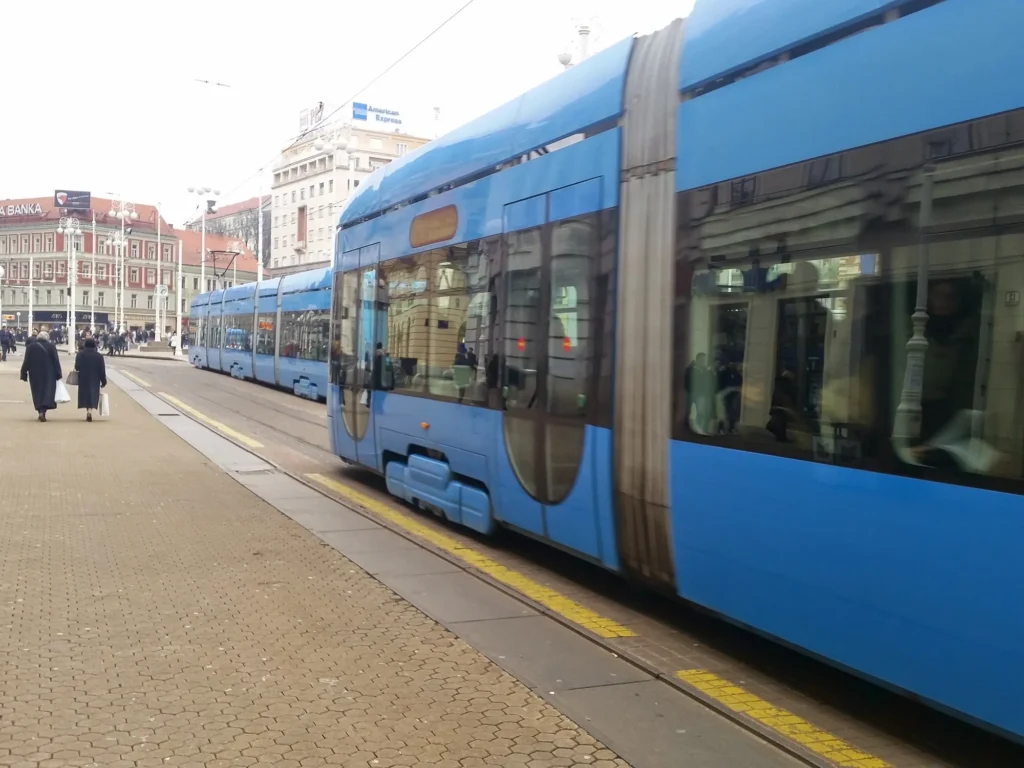
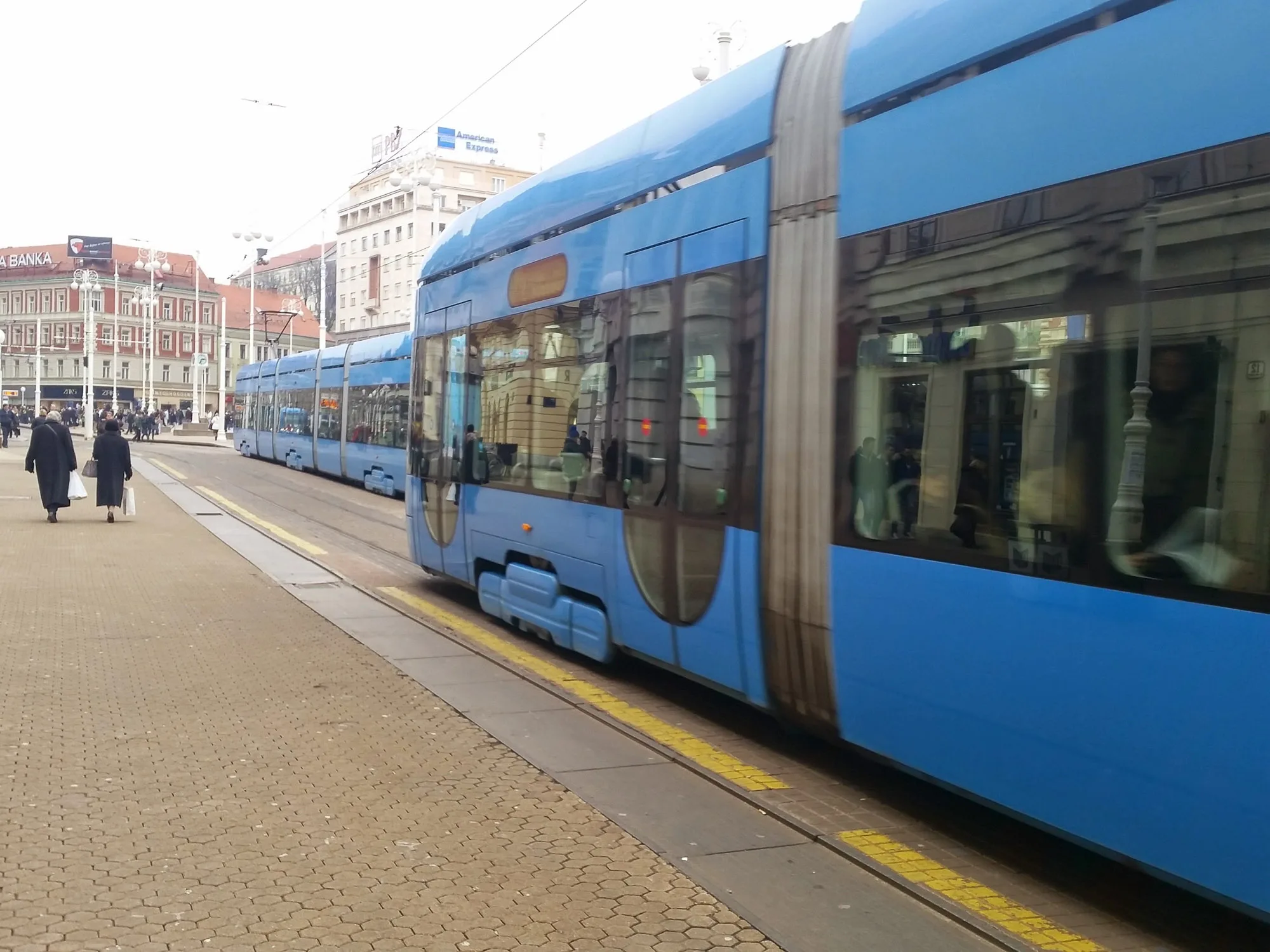
Public transport fills the gaps well. Zagreb’s municipal operator, ZET, runs a large tram and bus network, and the short funicular connects the Lower and Upper Town. That means you can stay in or near the centre, explore most of the city on foot, and use public transport selectively rather than planning every day around a rental car.
For broader planning beyond the capital, see our Zagreb & Central Croatia travel guide.
The Best Ways to Get Around Zagreb Without a Car
1. Walk around the historic centre
Walking is the best way to experience the central part of Zagreb. The main sightseeing area is compact enough that many attractions can be combined naturally in one route.
A practical walk can include Ban Jelačić Square, Dolac Market, Tkalčićeva Street, the Stone Gate, St Mark’s Square, the Upper Town viewpoints, the Croatian National Theatre area and the parks of the Green Horseshoe. You do not need transport between every stop, and trying to use a tram for very short central journeys can take longer than simply walking.
Comfortable shoes are useful because parts of the Upper Town involve slopes, steps and cobbled surfaces.
2. Use trams for cross-city journeys
Trams are the backbone of public transport for visitors. They are particularly useful when travelling between the centre and areas such as Maksimir, the main railway station, the main bus station and neighbourhoods outside the core.
ZET’s daytime tram network covers the city extensively. As of September 2026, the operator is using its autumn timetable, and services can occasionally be rerouted because of roadworks, events or maintenance. Check the current ZET service information before a journey if timing matters.
3. Use buses where trams do not go
Buses extend the public transport network into areas not directly served by trams. They are useful for neighbourhoods on the edges of the city, some attractions outside the central grid and connections toward the hills north of Zagreb.
For most short city breaks, you probably will not need to learn the full bus network. Treat buses as a supplement to walking and trams rather than something you need to master before arriving.
4. Take the Zagreb funicular
The historic Zagreb funicular connects Tomićeva Street in the Lower Town with the Upper Town. After a comprehensive renovation lasting more than a year, the funicular returned to service on 19 May 2026.
It is a very short ride, so it is not essential for getting around, but it is convenient if you want to avoid the uphill walk and it is also one of Zagreb’s classic transport experiences.
Zagreb Public Transport Tickets and Fares
ZET offers time-based single tickets as well as daily and multi-day options. The following fares were checked against the official ZET tariff in September 2026 and can change, so confirm current prices before travelling.
| Ticket | Standard fare | Bought from driver |
|---|---|---|
| 30-minute daytime ticket | €0.53 | €0.80 |
| 60-minute daytime ticket | €0.93 | €1.33 |
| 90-minute daytime ticket | €1.33 | €1.99 |
| Night single ticket | €1.99 | €1.99 |
| Daily ticket | €3.98 | €3.98 |
| Funicular one-way ticket | €0.66 | — |
For visitors making only one or two tram journeys in a day, short-duration tickets are often sufficient. If you expect to use public transport repeatedly, the daily ticket can be simpler.
ZET also offers multi-day tickets. Current listed prices are €9.29 for 3 days and €19.91 for 7 days in the first tariff zone.
How to Buy and Validate ZET Tickets
Paper tickets can be bought from ZET sales points and participating kiosks. Tickets are also sold by drivers at higher onboard prices. If you use a paper ticket, validate it immediately after boarding.
ZET also offers a stored-value card. On the electronic card, a 30-minute first-zone fare is €0.53 and a standard 90-minute fare is €1.33. A daily fare can also be loaded, and the card can be used for multiple passengers when handled correctly.
If you are staying only a couple of days and mostly walking, paper tickets are usually the simplest option. Travellers using public transport frequently may find a daily or multi-day ticket more convenient.
Where to Stay in Zagreb Without a Car
The easiest bases are central neighbourhoods where you can walk to major sights and still reach tram lines quickly.
Lower Town
The Lower Town is one of the most practical choices for first-time visitors without a car. It gives you easy walking access to central squares, museums, parks, restaurants and both the railway station and tram network.
Upper Town and the historic core
Staying close to the Upper Town puts you near many of Zagreb’s best-known historic sights. The trade-off is that some streets are steeper and luggage can be less convenient on foot.
Around the main railway station
This area is useful if Zagreb is part of a rail-based Croatia or Central Europe itinerary. You can walk into the Lower Town and connect easily to trams for other parts of the city.
Near the main bus station
The bus-station area is less atmospheric than the historic centre, but it can be practical if you have an early intercity departure or plan several day trips by coach.
Getting from Zagreb Airport Without Renting a Car
Renting a car at the airport is not necessary if Zagreb is your main destination. Public and shuttle-bus options connect the airport with the city, and taxis and app-based ride services are also available.
If you are arriving late at night or travelling with several large bags, a direct transfer can be more convenient. Otherwise, public transport is normally the more economical option.
Because airport timetables can change seasonally, check the latest official airport and transport information shortly before arrival rather than relying on an old timetable saved months in advance.
How to Reach Popular Zagreb Sights Without a Car
Upper Town
Walk from Ban Jelačić Square through the historic streets, or use the funicular from Tomićeva Street. The short distance makes either option simple.
Maksimir Park and Zagreb Zoo
Maksimir lies east of the centre and is well connected by tram. It is one of the easiest major green spaces to visit without a car and works well as a half-day break from the historic core.
Mirogoj Cemetery
Mirogoj sits north of the city centre and is better reached by public transport than by walking unless you specifically want a longer uphill route. Use current journey planning information on the day because bus routing can change.
Jarun Lake
Jarun is west of the central sightseeing area. Trams and connecting local transport make it reachable without driving, although it takes longer than visiting central attractions. It is most worthwhile if you want lakeside walking, cycling or a more local recreational side of Zagreb.
Sljeme and Medvednica
You can reach the Medvednica area without a car by combining city public transport with access toward the Sljeme cable car and mountain routes. This requires more planning than a central city day, so check current ZET and cable-car operating information before setting out.
Is Zagreb Easy to Visit on Foot?
Yes, especially if your accommodation is central. Zagreb is not a city where visitors need to take transport between every major attraction.
A useful strategy is to divide the city into walking zones:
- Historic core: Ban Jelačić Square, Dolac, Tkalčićeva, Stone Gate and Upper Town.
- Lower Town: Zrinjevac, museums, theatres and the Green Horseshoe.
- Eastern Zagreb: use a tram for Maksimir and the zoo.
- Northern Zagreb: use buses or a tram-and-bus combination for places such as Mirogoj and access toward Medvednica.
- Western Zagreb: use public transport for Jarun and neighbourhoods farther from the centre.
This approach keeps transport simple and avoids wasting time making unnecessary short journeys.
When a Car Is Useful in Zagreb
A car becomes more useful when Zagreb is only the first stage of a wider trip. It can make sense if you plan to travel through small villages, rural wine areas or multiple destinations in one day where public transport would require several connections.
Even then, you may prefer to spend your Zagreb days without a vehicle and collect the rental car only when leaving the city. That avoids central parking and city traffic while keeping the flexibility of a car for the road-trip portion of your holiday.
Day Trips from Zagreb Without a Car
Several popular day trips are possible by public transport, including destinations served by intercity buses or trains. The best choice depends on the season and timetable.
Samobor is a straightforward option for an easy day outside the capital, while Varaždin can work well for travellers interested in historic architecture. Plitvice Lakes is also reachable by bus, but it is a longer and more timing-sensitive day, so check both the outbound and return schedules before booking park entry.
If you plan several day trips, compare journey times carefully. A destination that looks close on a map may require more time by public transport than by car.
Current Transport Note for 2026
Zagreb’s public transport network is actively being renewed and periodically affected by works. ZET confirmed that the renovated funicular returned to service on 19 May 2026, and the autumn 2026 timetable took effect on 7 September 2026. Temporary tram and bus diversions still occur when streets or tracks are under construction.
Before an important journey, especially one connecting with a train, coach or flight, check the current ZET service notices rather than assuming a route is operating exactly as it did earlier in the year.
Practical Tips for Visiting Zagreb Without a Car
- Choose accommodation in or near the central tram network.
- Walk through the historic core instead of taking transport for short distances.
- Buy tickets before boarding when possible because onboard tickets cost more.
- Validate paper tickets immediately after boarding.
- Keep some flexibility for tram diversions caused by roadworks or events.
- Use a daily ticket only if you expect enough journeys to make it worthwhile.
- Check intercity schedules in both directions before committing to a car-free day trip.
- Collect a rental car on the day you leave Zagreb if the next stage of your trip is a road trip.
Is Zagreb Without a Car a Good Choice?
For most travellers, yes. Zagreb is one of the easiest Croatian destinations to visit without driving because the centre is walkable and the tram and bus network reaches the areas that are too far for a comfortable walk.
A car adds little value during a short city break and can create extra work with traffic and parking. Walking plus ZET transport is usually the more practical combination, while a rental car becomes useful later if your itinerary moves into rural Central Croatia or continues as a wider road trip.
Frequently Asked Questions
Can I visit Zagreb without renting a car?
Yes. Most central attractions are walkable, and trams and buses cover the wider city. A rental car is unnecessary for a typical city break.
What is the best way to get around Zagreb?
Walk in the centre and use trams for longer cross-city journeys. Buses are most useful for areas not served directly by the tram network.
How much is public transport in Zagreb?
As checked in September 2026, standard pre-purchased ZET daytime fares are €0.53 for 30 minutes, €0.93 for 60 minutes and €1.33 for 90 minutes. A daily ticket is €3.98. Prices can change, so verify the current tariff before travel.
Is the Zagreb funicular operating?
Yes. The funicular returned to service on 19 May 2026 after a major renovation. ZET lists the one-way fare at €0.66.
Can I reach Zagreb Airport without a car?
Yes. Airport and city public-transport options are available, along with taxis and transfers. Check the current timetable shortly before your trip.
Should I rent a car for day trips from Zagreb?
Not always. Several destinations are reachable by bus or train, but a car becomes more useful for rural areas, multiple stops in one day or places with infrequent public transport.
Plan your trip
Planning a trip to Zagreb?
Discover beaches, things to do, parking, food and practical travel information.