Three days is an excellent amount of time for a first visit to Zagreb. It is long enough to see the historic centre without rushing, add one or two museums, explore a large park and enjoy the city’s café and food culture. It also gives you room to adapt the plan to weather rather than forcing every attraction into a single day.
This Zagreb 3-day itinerary is designed for first-time visitors who want a realistic pace. It keeps each day geographically coherent, limits unnecessary cross-city travel and includes options for different interests. For wider regional context, start with the Zagreb & Central Croatia guide.
Quick overview: 3 days in Zagreb
- Day 1: Ban Jelačić Square, Dolac Market, Kaptol, Upper Town and Strossmayer Promenade.
- Day 2: Lower Town, Green Horseshoe, one major museum and an unhurried evening.
- Day 3: Maksimir Park and Zagreb Zoo, or a second museum and neighborhood-focused day in poor weather.
If you prefer to use Zagreb mainly as a base for excursions, keep Days 1 and 2 in the city and replace Day 3 with a day trip. But for a first visit, spending all three days in Zagreb gives a much better sense of the capital.
Before you start: getting around Zagreb
Central Zagreb is walkable, and trams are most useful for journeys beyond the historic core. As of September 2026, the official ZET fare list shows a €3.98 day ticket and a €9.29 three-day ticket. Whether either is worthwhile depends on how often you expect to use public transport; many visitors staying centrally make only a few tram trips.
ZET also lists the one-way funicular ticket at €0.66. The funicular returned to service on 19 May 2026 after a major renovation.
Always recheck the current ZET information before travel because route diversions can occur during road works, events and maintenance.
Day 1: Historic Zagreb and the Upper Town
Morning: Ban Jelačić Square and Dolac Market
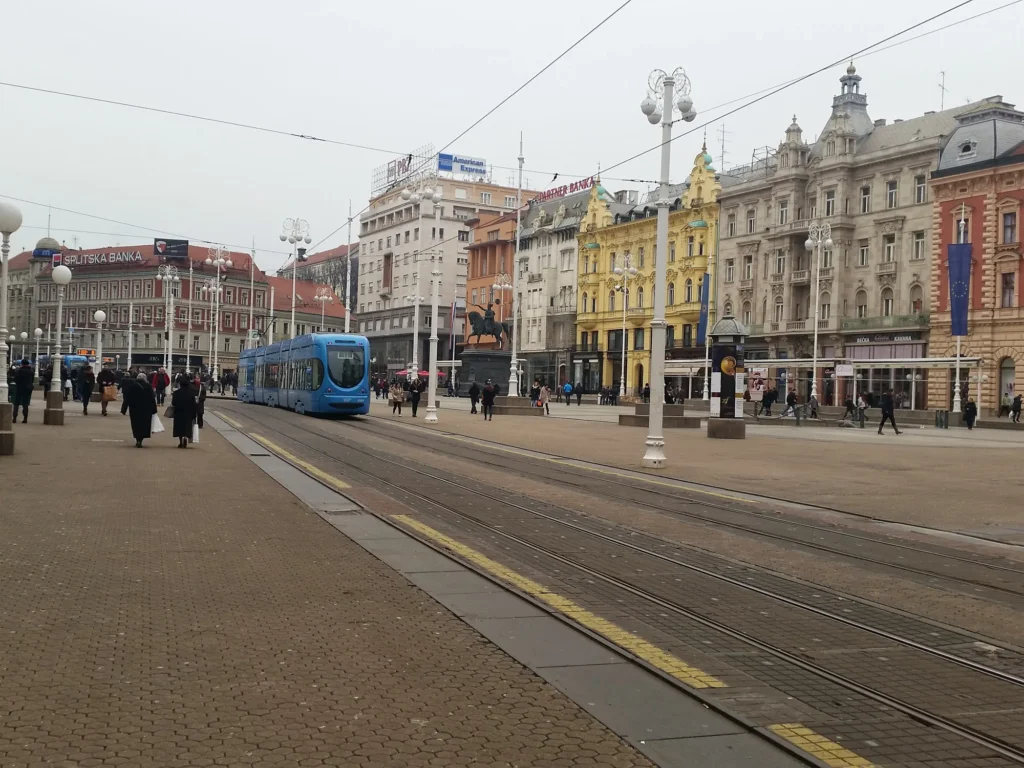
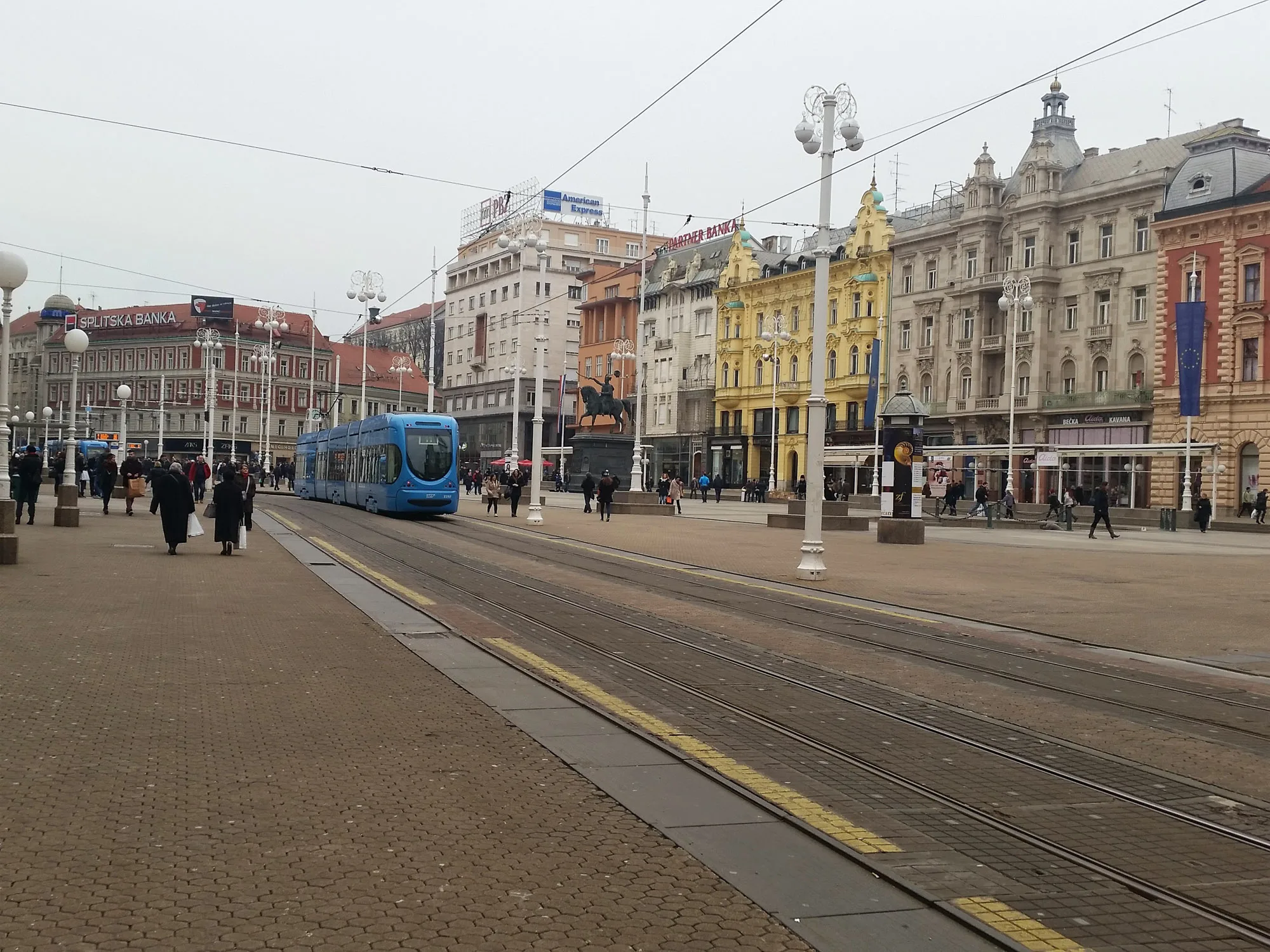
Start in Ban Jelačić Square, the easiest orientation point in central Zagreb. From here, walk toward Dolac Market. Morning is the best time to see the market functioning as an everyday food market rather than simply a sightseeing stop.
Do not spend too long trying to see every stall. The point is to absorb the atmosphere, notice local produce and food products, and then continue into the oldest parts of the city.
Late morning: Kaptol and the cathedral area
Continue into Kaptol and the streets around Zagreb Cathedral. Restoration and access conditions can change, so treat the cathedral area as part of the walking route and check current visitor access if entering the church is important to you.
From Kaptol, work gradually toward the Upper Town rather than returning to the main square.
Early afternoon: Stone Gate and St Mark’s Square
Walk through the historic lanes toward the Stone Gate and then St Mark’s Square. This is the symbolic core of the Upper Town, but the surrounding streets are as important as the individual landmarks.
Take your time. The Upper Town is compact, and rushing between sights removes much of what makes the area enjoyable.
Late afternoon: Strossmayer Promenade and funicular
Finish the sightseeing portion of the day around Strossmayer Promenade. Use the funicular in one direction if you want the classic Zagreb experience, then walk the other route so that you see more of the city.
Evening: central Zagreb at a slower pace
Keep the first evening flexible. Eat in or near the centre and take a short walk afterward. You will already have covered most of the historic core, so there is no need to add another formal attraction.
Day 2: Lower Town, parks and museums
Morning: the Green Horseshoe
Begin around Zrinjevac and explore the Lower Town parks and squares that form Zagreb’s Green Horseshoe. This part of the city is more formal and spacious than the Upper Town, with grand 19th-century urban planning, cultural institutions and broad streets.
Walk at least part of the route rather than moving between points by tram. The sequence of parks is the attraction.
Late morning: choose one major museum
The best museum depends on your interests. Do not assume you need several in one day.
Zagreb City Museum is the best choice if you want to understand the city’s history. Current opening hours are 10:00-18:00 Tuesday to Saturday and 10:00-14:00 Sunday; it is closed on Mondays and public holidays.
Technical Museum Nikola Tesla is better for engineering, transport and science. Current opening hours are 09:00-17:00 Tuesday to Friday and 09:00-13:00 Saturday and Sunday, with closure on Mondays and public holidays. Its current Croatian visitor page lists adult admission at €7 and a family ticket at €16, but always confirm prices before visiting.
Afternoon: lunch and Lower Town wandering
After the museum, keep the afternoon loose. This is a good time for a longer lunch, coffee and a walk along streets you may have skipped on Day 1. Zagreb’s café culture is part of the experience, not empty time between attractions.
Evening: food-focused Zagreb
Use the second evening to explore Zagreb’s food scene. Traditional dishes reflect inland Croatia and Central European influences rather than the seafood-heavy expectations some travellers bring from the coast.
If you want more detail on how Zagreb fits into a national route, compare this itinerary with Croatia Itineraries.
Day 3: Maksimir, the zoo and a different side of Zagreb
Morning: tram to Maksimir
After two central days, go east to Maksimir Park. The park gives you a greener, more local-feeling side of Zagreb and is large enough for a proper walk rather than a quick photo stop.
Take a tram from the centre and allow the journey itself to be part of understanding how Zagreb works beyond the tourist core.
Late morning to early afternoon: Zagreb Zoo
Zagreb Zoo is inside the Maksimir area and can be combined naturally with the park. As of late September 2026, the zoo states that it is open daily from 09:00 to 19:00, while the ticket office operates until 18:00.
If you are not interested in zoos, simply spend longer in Maksimir and return to the centre for another neighborhood, museum or café-focused afternoon.
Alternative Day 3 for rain
In poor weather, swap Maksimir for indoor attractions. The Technical Museum is the strongest all-round alternative, especially if you skipped it on Day 2. Zagreb City Museum is another good option, while temporary exhibitions elsewhere can be added after checking current programs.
Because Monday closures are common, a Monday Day 3 should focus on outdoor sightseeing, parks and attractions confirmed to be open.
Final evening
Return to the centre for your last evening and revisit the part of Zagreb you liked most. A final walk through the Upper Town, Lower Town or central squares is more rewarding than trying to squeeze in a final attraction just because it appears on a list.
How to adapt this itinerary by season
Spring
Spring is ideal for the Green Horseshoe, Maksimir and longer walking days. Carry a light rain layer and keep one museum as a weather backup.
Summer
Start outdoor sightseeing earlier, take a longer lunch or indoor break, and return outside in the late afternoon. Zagreb can be warm, but the trip is manageable if you avoid putting the longest walks in the hottest part of the day.
Autumn
Autumn suits this itinerary particularly well because parks, markets and long city walks are comfortable. Check daylight times if you want Upper Town views around sunset.
Winter
Shorter daylight and colder weather make museums and cafés more important. During Advent, central Zagreb can become significantly busier and event programming can change normal walking routes.
For month-by-month conditions across the country, see Croatia Weather by Month.
What to book in advance
Most classic Zagreb sightseeing does not require advance booking. However, special exhibitions, guided experiences, concerts and seasonal events may have their own reservation systems. If one specific experience is central to your trip, confirm it directly rather than assuming general museum opening hours guarantee access to every program.
Where should you stay for a 3-day Zagreb trip?
For this itinerary, a central base is the most efficient choice. Staying near the Lower Town, the main square or a direct tram route reduces commuting and makes it easy to return to your accommodation between sightseeing and dinner.
You do not need a car for these three days. If Zagreb is the start of a road trip, consider collecting the rental car only when you are ready to leave the city.
Can you see Zagreb in 2 days instead?
Yes. Combine the key parts of Days 1 and 2, then skip Maksimir or treat it as optional. Two full days are enough for the historic core and one museum. Three days are better if you prefer a slower rhythm or want to see a greener side of the city.
Should Day 3 be a day trip?
It can be, especially if you have already visited Zagreb before. For a first trip, however, spending Day 3 in the city prevents Zagreb from feeling like a brief transit stop. If you have four or more days, then a Central Croatia excursion becomes easier to justify.
Final tips for 3 days in Zagreb
- Group sights by area. Zagreb is compact, but unnecessary cross-city travel still wastes time.
- Check Monday closures. Several major museums close on Mondays.
- Verify transport notices. Tram routes can be temporarily diverted.
- Do not overuse public transport. Walking is part of the Zagreb experience.
- Keep Day 3 flexible. Maksimir is ideal in good weather; museums are better in rain.
- Leave room for cafés and meals. The city’s pace is part of what makes a three-day stay worthwhile.
For a longer route beyond the capital, connect Zagreb with the rest of the country through Croatia Itineraries rather than adding distant day trips simply to increase the number of places visited.
Plan your trip
Planning a trip to Zagreb?
Discover beaches, things to do, parking, food and practical travel information.