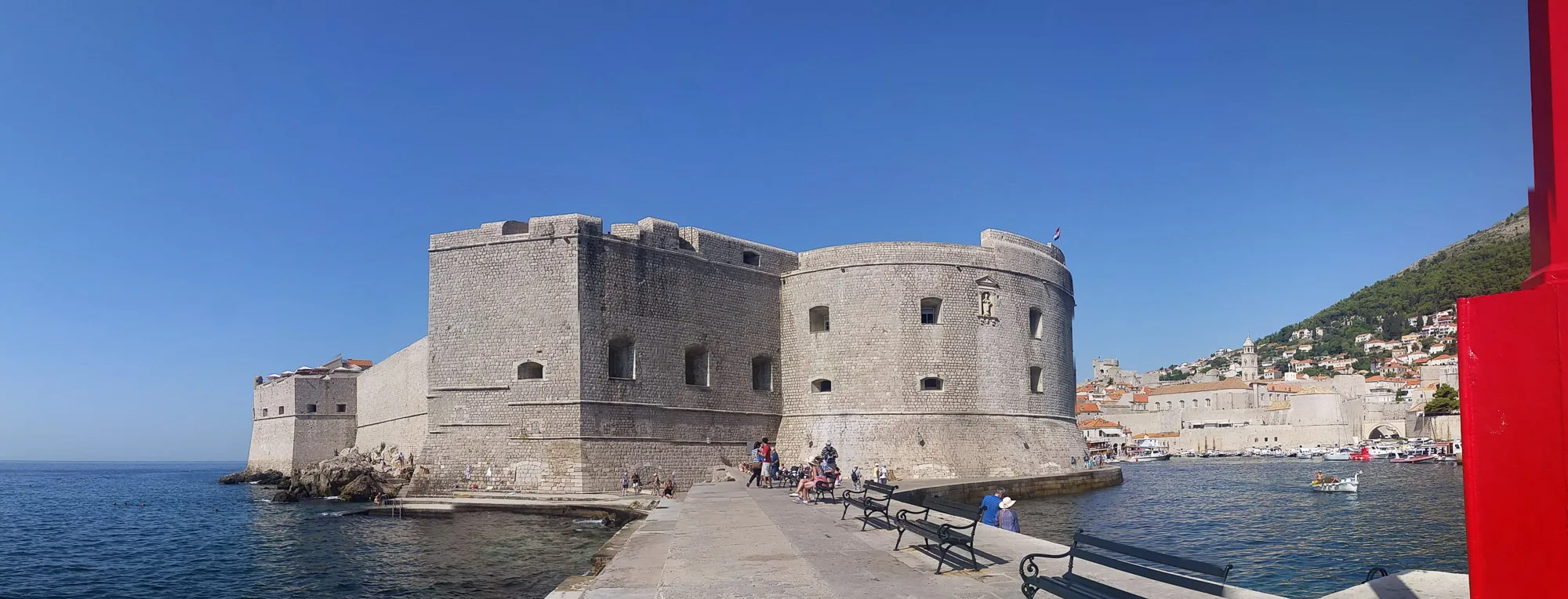
Dubrovnik is one of Croatia’s most recognisable destinations: a compact walled city of limestone streets, historic palaces, fortifications and sea views at the southern end of the Dalmatian coast. Its fame is justified, but the best trips go beyond a quick walk through the Old Town.
Give Dubrovnik enough time and you can combine the city walls, quiet back streets, swimming, Lokrum, viewpoints, local neighbourhoods and day trips along the southern Croatian coast. This guide explains how to plan that time without turning your visit into a race through the headline sights.
Why Visit Dubrovnik?
Dubrovnik’s Old City is a UNESCO World Heritage Site, recognised for its exceptional urban fabric, fortifications and Gothic, Renaissance and Baroque monuments. The historic centre is small enough to explore on foot, yet dense enough to reward several visits at different times of day.
The city also has a strong natural setting. The Adriatic surrounds the walls, Mount Srđ rises immediately behind the urban area, and Lokrum sits just offshore. That combination of architecture and landscape is what makes Dubrovnik feel distinctive even among Croatia’s many historic coastal towns.
How Many Days Do You Need in Dubrovnik?
Two full days are enough for the Old Town, walls, a viewpoint and some relaxed time by the sea. Three days is a better first visit because it leaves room for Lokrum, a beach or a slower neighbourhood day. Four or five days works well if you want to add day trips to Cavtat, the Elafiti Islands, Ston or the wider Southern Dalmatia region.
If Dubrovnik is part of a longer Croatian itinerary, resist the temptation to arrive late, spend one crowded afternoon in the Old Town and leave the next morning. The city is much more enjoyable when you can see it early and late, outside the busiest daytime window.
Dubrovnik Old Town
The Old Town is pedestrianised and compact. Most visitors enter through Pile Gate on the western side or Ploče Gate on the eastern side. Stradun, the broad polished-stone main street, forms the central axis, but many of the most atmospheric corners sit one or two lanes away.
Stradun and the main squares
Walk Stradun at least twice: once while sightseeing and again in the evening when the character changes. Around it are landmarks such as Onofrio’s Fountain, the Franciscan complex, Luža Square, the Rector’s Palace area and the harbour-side eastern edge of the Old Town.
Back streets and stairways
The steep lanes north of Stradun and the quieter streets toward the southern walls are worth exploring without a strict checklist. Dubrovnik is small, so getting temporarily lost rarely costs much time.
Walking the Dubrovnik City Walls
The walls are the city’s signature experience. The circuit gives changing views over red-tiled roofs, the Adriatic, Fort Lovrijenac, the old harbour and the surrounding coastline.
Allow roughly two hours if you want time for photographs and pauses. In hot weather, go early or later in the day because much of the route is exposed. Comfortable shoes, water and sun protection make a significant difference.
Ticket products and opening hours can change by season. The official Dubrovnik Pass can include access to major attractions, including the city walls depending on the current product, so compare the pass with your planned visits before buying separate tickets.
Fort Lovrijenac
Fort Lovrijenac stands outside the western walls on a rocky outcrop above the sea. It offers one of the classic views back toward Dubrovnik’s fortifications and is easy to combine with the Old Town.
The climb is short but involves steps. If you are already walking the walls, adding Lovrijenac gives a useful second perspective on the city’s defensive position.
Mount Srđ and Dubrovnik Viewpoints
Mount Srđ is the best-known high viewpoint above Dubrovnik. On a clear day you can see the Old Town, Lokrum and a long stretch of the Adriatic coast.
The cable car is the simplest way up when operating, while road access and hiking are alternatives. If you plan to hike, avoid the hottest part of a summer day and carry more water than you think you will need.
Sunset is popular, but it is also the busiest time. Morning light can be excellent for views over the city and usually fits more easily into a sightseeing schedule.
Lokrum Island
Lokrum lies just offshore and is one of the easiest ways to add nature to a Dubrovnik stay. Boats normally operate from the old harbour during the visitor season, with schedules depending on weather and time of year.
The island is good for walking, swimming and taking a break from the city. Because it is a protected area, follow local rules and check the current boat timetable before relying on it for a fixed plan.
Best Beaches in Dubrovnik
Dubrovnik is not only a sightseeing city. Several beaches and swimming spots can fit naturally around an Old Town day.
- Banje Beach is the best-known beach close to the Old Town and has a direct view toward the walls.
- Šulić is a small cove near Pile and Fort Lovrijenac.
- Lapad offers a broader choice of seaside walks, swimming areas and places to eat away from the Old Town.
- Sveti Jakov is known for its view back toward Dubrovnik, though access involves steps.
In peak summer, go earlier in the day for a better chance of space. Water shoes can be useful at rocky or pebbly swimming areas.
Where to Stay in Dubrovnik
Old Town
Stay inside the walls if atmosphere and immediate access are your priorities. The trade-offs are stairs, limited vehicle access, luggage logistics and potentially more evening noise.
Pile and Ploče
These areas give you quick walking access to the Old Town without actually staying inside it. Ploče is especially attractive for sea views, while Pile is practical for buses and the western entrance.
Lapad
Lapad is a strong choice for beaches, a more relaxed evening atmosphere and hotels with easier road access. Frequent local buses connect it with the historic centre.
Gruž
Gruž is practical for the main bus station, ferry port and longer stays. It also has local restaurants, markets and better transport connections for some day trips.
Getting from Dubrovnik Airport to the City
Dubrovnik Airport is at Čilipi, southeast of the city. The official airport shuttle operated by Platanus links the airport with Ploče Gate by the Old Town and the main bus station in Gruž.
Current September 2026 snapshot: Platanus lists a €10 one-way fare and €15 return fare. Airport-to-city departures are linked to incoming flights, with buses generally leaving around 30 minutes after arrivals. Because timetables and fares can change, check the current official shuttle information before travel.
Taxis and private transfers are alternatives, especially for groups, late arrivals or accommodation that is awkward to reach with luggage.
Getting Around Dubrovnik
You do not need a car for the Old Town. In fact, a car can be a burden around the historic centre because parking is limited and expensive in the most convenient areas.
Libertas operates Dubrovnik’s local bus network, including connections between the Old Town approaches, Lapad, Gruž and suburban areas. As of September 2026, Libertas lists a €2.50 ticket bought on the bus, a €1.73 one-hour ticket bought through the normal sales system, and a €5.31 24-hour ticket. Check the official Libertas price list and current timetable before relying on these figures for a later trip.
If you are staying several days, choose accommodation partly by bus access rather than distance alone. Dubrovnik’s hills can make a short-looking walk much more demanding than the map suggests.
Should You Rent a Car in Dubrovnik?
For a city-only stay, usually not. Walk, use buses and take organised boat or land excursions where useful.
A rental car becomes more valuable if you want to explore Pelješac, Ston, Konavle or other parts of southern Croatia independently. If you do rent one, confirm parking with your accommodation before arrival.
Best Day Trips from Dubrovnik
Cavtat
Cavtat is one of the easiest nearby escapes, with a waterfront setting, walking paths and a slower pace. Depending on season, you can reach it by road and sometimes by boat connections.
Ston and Pelješac
Ston combines historic walls with shellfish traditions, while the Pelješac Peninsula adds beaches and wine country. This is one of the strongest day-trip choices for travellers interested in food and wine.
Elafiti Islands
Boat trips to the Elafiti Islands are popular for a day of villages, swimming and coastal scenery. Compare group excursions with scheduled ferry options depending on how independently you prefer to travel.
Konavle
Konavle, south of Dubrovnik, offers countryside, villages and traditional restaurants. It is a good contrast to the dense urban sightseeing of the Old Town.
Best Time to Visit Dubrovnik
Late spring and early autumn are especially attractive because you can combine sightseeing with warm weather while avoiding some of the highest midsummer heat and crowd pressure.
July and August bring the most intense summer atmosphere, the warmest sea and the widest seasonal offer, but also higher accommodation prices, stronger sun and heavy daytime visitor flows.
Winter is much quieter. Some seasonal boat services and attractions reduce their schedules, but travellers focused on the Old Town, local life and cultural sightseeing may appreciate the calmer pace.
How to Avoid the Worst Crowds
- Explore the Old Town early in the morning and again after dinner.
- Walk the walls close to opening time or later in the afternoon rather than at midday.
- Use the middle of the day for lunch, swimming, Lokrum or time outside the walls.
- Check cruise-ship activity when planning a particularly important sightseeing day.
- Stay at least two nights so you are not forced to see everything in the busiest hours.
Food and Restaurants
Dubrovnik has everything from quick casual meals to high-end dining. Seafood is prominent, but you will also find grilled fish and meat, pasta, risotto, shellfish, local cheeses and modern Croatian cooking.
Inside the Old Town, location influences price. It is worth comparing menus away from the most obvious squares and considering Lapad, Gruž or neighbourhood restaurants for a different experience.
Is Dubrovnik Good Without a Car?
Yes. Dubrovnik is one of Croatia’s easiest major destinations to visit without driving. The Old Town is pedestrianised, local buses cover the main urban areas, the airport has a shuttle connection, and many day trips are available by boat or organised transfer.
For a wider Croatia trip, Dubrovnik also fits naturally into a larger route. Use the Croatia itineraries guide for planning the overall trip and the Croatia travel guide for broader practical information.
Dubrovnik Travel Tips
- Pack shoes with grip; polished limestone can be slippery, especially when wet.
- Expect many stairs both inside and outside the Old Town.
- Carry water during wall walks and summer sightseeing.
- Do not plan tight airport transfers around peak traffic.
- Check seasonal boat, bus and attraction schedules shortly before travel.
- If your accommodation is inside the walls, ask for exact luggage directions before arrival.
Final Thoughts
Dubrovnik deserves more than a fast photo stop. The walls and UNESCO-listed Old Town are the centrepiece, but the city becomes more rewarding when you add sea time, viewpoints, Lokrum, local neighbourhoods and a day beyond the walls.
Plan around the rhythms of the city rather than trying to conquer a checklist. Early mornings, slower afternoons and evenings in the Old Town are often what turn Dubrovnik from a famous sight into a memorable part of a Croatia trip.
Plan your trip
Planning a trip to Dubrovnik?
Discover beaches, things to do, parking, food and practical travel information.