Zagreb is Croatia’s capital and its strongest city-break destination away from the Adriatic coast. It combines a walkable historic core, café culture, museums, parks, markets and excellent transport connections with the rest of the country. For travellers arriving by air or rail, it is also a practical first or final stop on a wider Croatia itinerary.
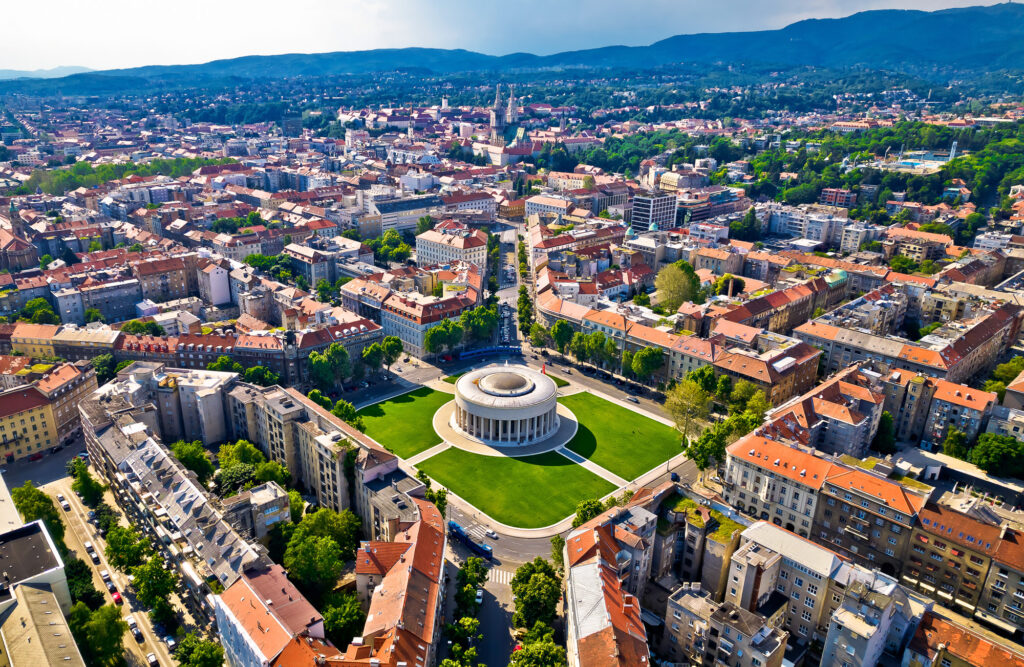
The city is easy to understand once you divide the centre into two layers: the historic Upper Town on the hill and the elegant Lower Town around Ban Jelačić Square, parks and 19th-century streets. For wider inland travel, see our Zagreb & Central Croatia travel guide.
Why Visit Zagreb?
Zagreb offers a different side of Croatia from Dubrovnik, Split or the islands. The appeal is urban rather than beach-focused: mornings at Dolac Market, coffee around the centre, museums and galleries, parks, architecture and evening restaurants. It is compact enough for a weekend but varied enough for three or four days.
- Historic centre: Upper Town, Stone Gate, St Mark’s Square and Lotrščak Tower.
- City atmosphere: café terraces, pedestrian streets and lively central squares.
- Museums: a broad mix of art, history and unusual specialist collections.
- Parks: the Lower Town’s green squares, Maksimir and nearby Medvednica.
- Transport: strong rail, bus, road and air links make Zagreb easy to combine with the rest of Croatia.
Best Things to Do in Zagreb
Start at Ban Jelačić Square
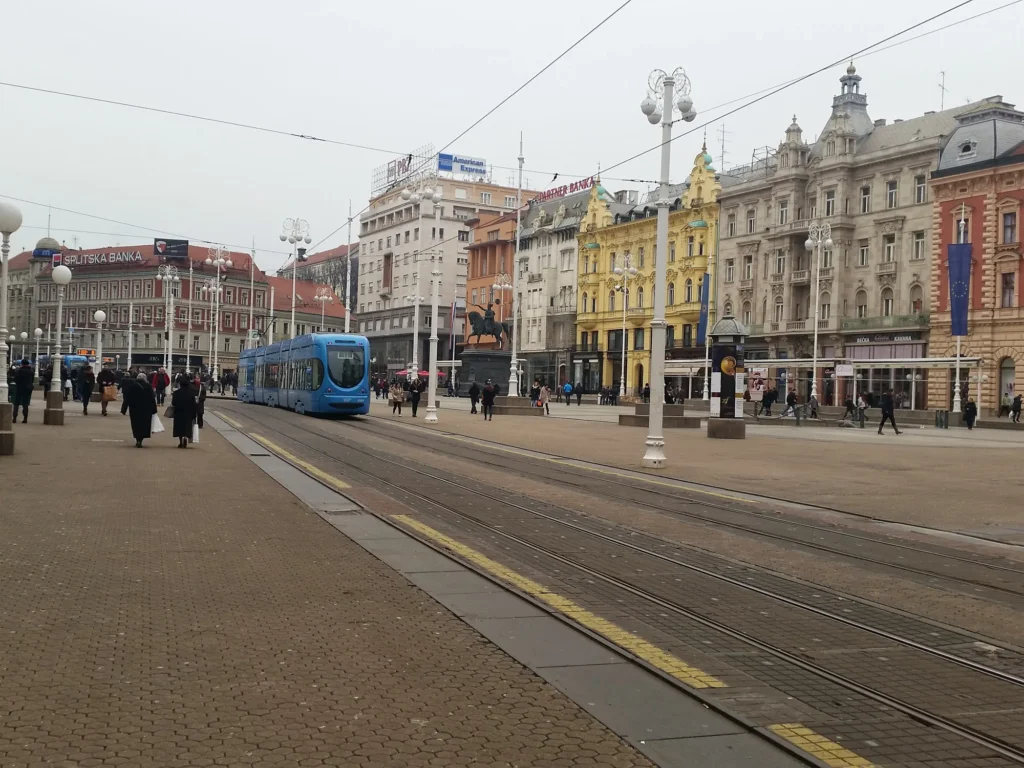
Ban Jelačić Square is Zagreb’s central meeting point and the best orientation stop for a first visit. From here, pedestrian streets lead toward Dolac Market, the Upper Town and the Lower Town shopping and café districts.
Browse Dolac Market
Just above the main square, Dolac is Zagreb’s best-known food market. Mornings are the liveliest time to visit for fruit, vegetables, dairy products, meat, flowers and seasonal produce. It is a good introduction to ingredients you will later see on restaurant menus.
Walk through the Upper Town
The Upper Town is the historic core formed around Gradec and Kaptol. Its lanes are compact and best explored on foot. Key stops include the Stone Gate, St Mark’s Square, St Mark’s Church and the area around Lotrščak Tower.
The Zagreb Tourist Board describes St Mark’s Square as the heart of the Upper Town. The colourful tiled roof of St Mark’s Church is one of the city’s most recognizable sights, while the surrounding square also contains important government and parliamentary buildings. Access arrangements can vary because this is an active government area, so follow current local signage.
Ride or walk beside the funicular
Zagreb’s funicular links Tomićeva Street in the Lower Town with Strossmayer Promenade near Lotrščak. The tourist board notes that the line is only 66 metres long and has connected the two levels of the city since 1890. It is both practical and a small Zagreb experience in its own right.
Explore the Lower Town
The Lower Town has broad streets, Austro-Hungarian architecture, theatres, museums and a sequence of landscaped squares. Zrinjevac, Strossmayer Square and King Tomislav Square form part of the city’s famous green horseshoe and are pleasant places to walk between sights.
Visit a museum
Zagreb has enough museums to fill several rainy days. Choose according to your interests rather than trying to see everything. Popular categories include Croatian history, archaeology, contemporary art, naïve art and smaller specialist collections.
Opening days and temporary exhibitions change, and some institutions may have altered access because of renovation work. Check the museum’s official site on the day you plan to visit.
Spend time in Maksimir
Maksimir is one of Zagreb’s major parks and a useful break from the city centre. The tourist board notes that the landscaped park dates to 1794 and includes lakes, walking paths and Zagreb Zoo. It is easily reached by tram.
Go up Medvednica
Mount Medvednica rises immediately north of Zagreb and is the city’s main outdoor escape. Hiking routes, forest roads and viewpoints make it attractive in every season. Conditions can change quickly in winter, so check weather and trail information before heading higher into the park.
How Many Days Do You Need in Zagreb?
One day is enough for a fast walk through the centre, but it will feel rushed. Two days is a good minimum for the Upper Town, Lower Town, one or two museums and relaxed meals. Three days lets you add Maksimir, Medvednica or a slower neighbourhood day.
If Zagreb is part of a larger trip, use our Croatia itineraries guide to balance time between the capital, inland Croatia and the coast.
Getting to Zagreb
By plane
Franjo Tuđman Airport Zagreb is the country’s busiest airport and lies southeast of the city. The airport’s current transport information states that the scheduled Pleso prijevoz shuttle operates between the airport and Zagreb’s Main Bus Station in both directions, with services running in scheduled intervals through the day. Zagreb’s ZET system also operates bus line 290 between the Kvaternikov trg area, the airport and Velika Gorica.
Because flight and bus times change, check the official Zagreb Airport transport page before arrival.
By train
Zagreb Glavni kolodvor, the main railway station, is on the southern edge of the Lower Town and within walking distance of the central squares. Domestic and international rail schedules vary by season and works, so check the current timetable before relying on a specific connection.
By bus
Zagreb’s main bus station is a major hub for routes to the Adriatic coast, Plitvice, Slavonia and neighbouring countries. Long-distance buses are often more frequent than trains for Croatian intercity travel.
Getting Around Zagreb
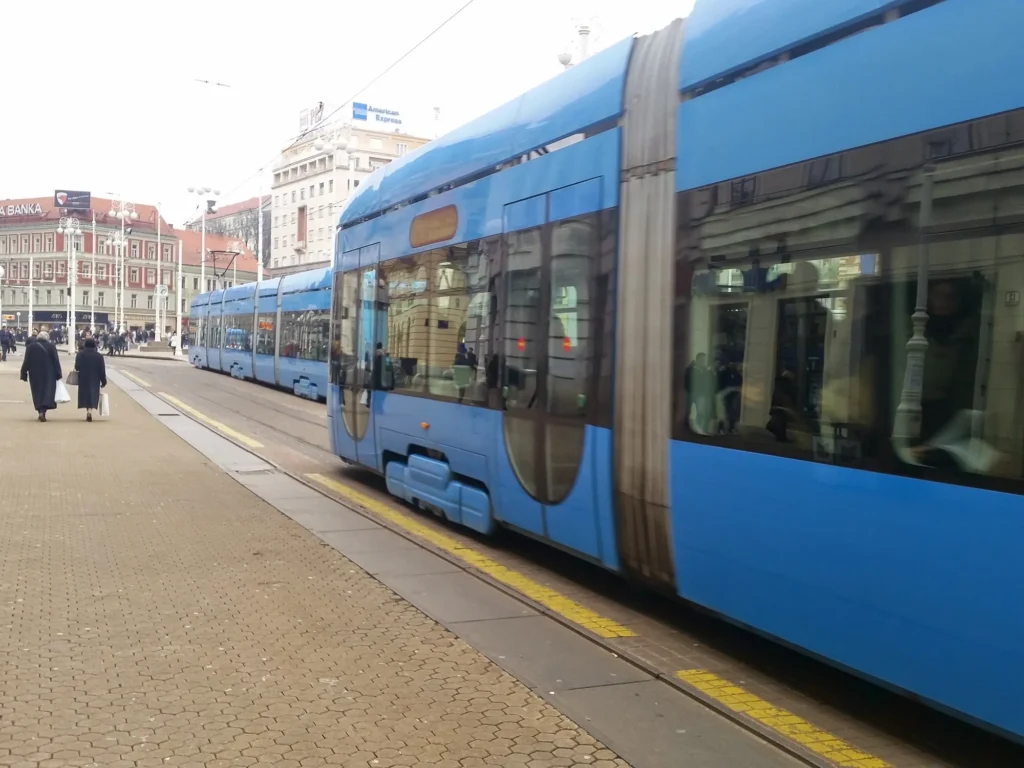
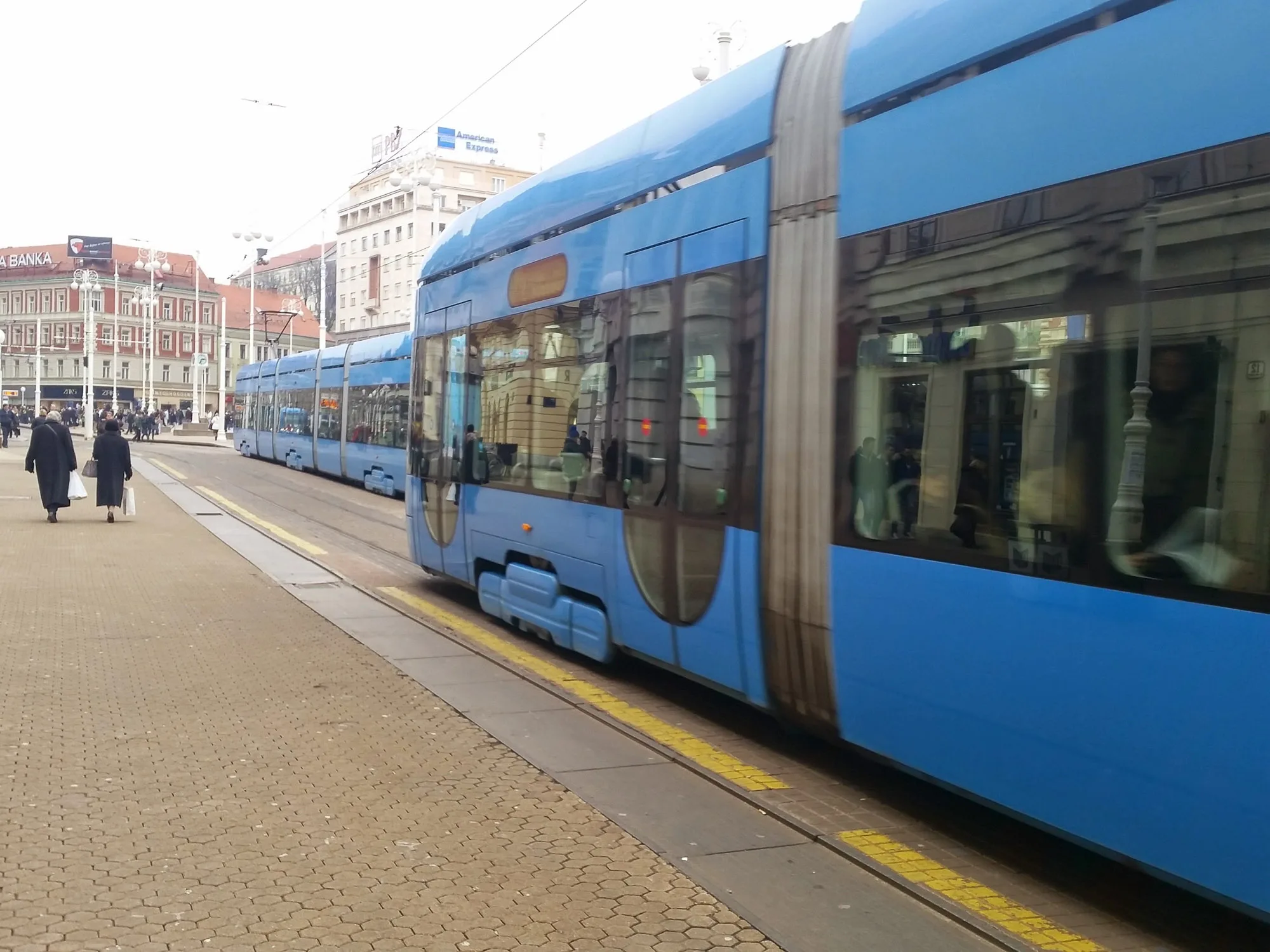
The centre is best explored on foot, while trams and buses cover longer distances. ZET operates the city’s public transport network.
2026 ZET ticket prices
ZET’s current fare page lists daytime single fares from €0.53 for 30 minutes, with 60-minute and 90-minute options also available. The current daily ticket is €3.98, and the funicular one-way fare is listed at €0.66. Tickets bought from the driver can cost more than advance or stored-value options.
Fares and validation rules can change, so check ZET’s official fare page before travel. Always validate or activate the correct ticket when required.
Where to Stay in Zagreb
Lower Town
The Lower Town is the best all-round choice for first-time visitors. You are close to the main square, restaurants, museums, trams and the railway station. It suits travellers who want to do most sightseeing on foot.
Upper Town edge
Staying near the Upper Town gives a more historic atmosphere and easy evening walks, but accommodation choice is smaller and some streets involve slopes or steps.
Near the Main Bus Station
This area is practical for short overnight stays, airport shuttle connections and early intercity departures. It is less atmospheric than the historic centre but efficient for transport-focused visits.
Residential neighbourhoods
Neighbourhoods outside the core can offer better value and a more local feel. Zagreb’s tram network makes many areas convenient as long as you stay near a direct line to the centre.
What to Eat in Zagreb
Zagreb’s food scene mixes traditional continental Croatian dishes with modern bistros, international restaurants and bakeries. Look for dishes influenced by Central European cooking as well as food from other Croatian regions.
- Štrukli: dough filled with fresh cheese, served baked or boiled.
- Zagrebački odrezak: a breaded veal or pork cutlet filled with ham and cheese.
- Purica s mlincima: turkey with baked flatbread pieces, especially associated with festive and northern Croatian cooking.
- Seasonal market food: Dolac is the best place to see what is fresh locally.
- Coffee and pastries: café culture is part of everyday Zagreb life rather than simply a tourist activity.
Best Time to Visit Zagreb
April to June and September to October are ideal for walking, outdoor cafés and day trips. Summer can be hot, though the city is generally less crowded than Croatia’s most popular coastal destinations. Winter is cold compared with the Adriatic coast, but the city has a strong festive season and indoor cultural programme.
For a country-wide comparison, see our Croatia weather by month guide.
Zagreb with Kids
Zagreb can be easy with children because the centre is compact and parks provide breaks between museums and sightseeing. Maksimir and Zagreb Zoo are obvious family options, and the funicular is a simple short ride that younger travellers often enjoy.
For a wider family trip, see our Croatia with kids guide.
Zagreb for Couples
Couples will find plenty of low-key city experiences: Upper Town walks, wine bars, small restaurants, park strolls and day trips into the hills. Zagreb works especially well as a two-night start or finish to a longer Croatian journey. Our Croatia for couples guide has more ideas across the country.
Best Day Trips from Zagreb
- Samobor: a small historic town west of Zagreb, ideal for a relaxed half-day or day trip.
- Hrvatsko Zagorje: rolling hills, castles, spas and rural landscapes north of the capital.
- Varaždin: a baroque city with an attractive old centre.
- Plitvice Lakes: possible as a long day trip, though staying overnight gives a calmer park visit.
- Karlovac: a river city with a distinctive historic star-shaped centre.
Practical Zagreb Tips
- Walk the centre and use trams only for longer jumps; this is usually faster than repeatedly changing transport.
- Check current museum opening days because Monday closures and renovation schedules vary by institution.
- Do not assume the coast’s weather applies to Zagreb. Winters are colder and summer thunderstorms are more common inland.
- If you are flying out early, staying near the bus station can simplify the airport shuttle connection.
- Leave some unscheduled café time. Zagreb is a city where sitting in the centre is part of the experience.
Is Zagreb Worth Visiting?
Yes. Zagreb is not simply a transit point on the way to the coast: it is a strong destination in its own right, particularly for travellers interested in city culture, food, museums and a more continental side of Croatia. Two or three days gives you enough time to understand the centre without rushing, and the capital also makes an excellent base for exploring Central Croatia.
Plan your trip
Planning a trip to Zagreb?
Discover beaches, things to do, parking, food and practical travel information.