Croatia can be an excellent family destination, but the easiest trips are built around realistic distances, simple transport and enough time for swimming and rest. The country offers a useful mix of compact historic towns, beaches, islands, national parks and family-friendly accommodation, yet travelling with children is much easier when you avoid changing bases every day.
This guide explains where to go in Croatia with kids, how to choose beaches and accommodation, what to expect from ferries and road trips, and how to build an itinerary that works for both adults and children.
Is Croatia Good for Families?
Yes, especially for families that enjoy a mix of beach time, sightseeing and outdoor activities. Many Croatian destinations are compact enough to explore on foot, and apartments and holiday homes are widely available in coastal areas. A self-catering base can be particularly useful with younger children because it gives families more control over meals, naps and beach days.
The main challenge is not finding family activities. It is avoiding an itinerary that becomes too complicated. Long summer drives, frequent ferry transfers, steep old-town streets and midday heat can quickly make an otherwise good plan tiring.
Best Regions in Croatia with Kids
Istria
Istria is one of the easiest regions for a family road trip because many attractions are relatively close together. Families can combine Pula’s Roman heritage, Rovinj’s old town, coastal swimming, inland hill towns and food-focused excursions without crossing the country.
It also offers a broad range of apartments, campsites, resorts and holiday homes. For younger children, staying outside the steepest old-town centres can make parking, luggage and stroller use much easier.
Kvarner and Krk
Kvarner is a good choice for families who want the coast without relying entirely on ferries. Krk is connected to the mainland by bridge, which makes it especially practical for a road trip. Opatija and the Crikvenica Riviera provide seafront promenades and established resort infrastructure, while the wider region also gives access to mountain country inland.
Zadar and Northern Dalmatia
Zadar works well as a family base because the historic centre is compact and the region offers beaches, islands and nature trips. Families who prefer to stay in one place can use the city or nearby coastal towns as a base and choose a few carefully planned day trips.
The region also offers a useful combination of sea and mountains, but summer heat should be considered when planning national-park or hiking days.
Šibenik and the Central-Northern Dalmatian Coast
Šibenik combines a historic centre with access to nearby beaches and Krka National Park. Coastal resorts around the wider Šibenik area can suit families who want organised accommodation and easy swimming, while the city itself adds culture and sightseeing.
Split, Brač and Central Dalmatia
Split can work for families who want to combine city sightseeing with an island stay, but the old centre is busiest in summer and can be challenging with a stroller at peak times. Brač is one of the more practical islands for a longer family stay because it is large enough to offer several towns, beaches and day-trip options.
Rather than changing islands repeatedly, families usually have a more relaxed experience by choosing one island and staying several nights.
Dubrovnik and Southern Dalmatia
Dubrovnik is visually impressive and can be memorable with older children, especially those interested in history. However, stairs, summer heat and crowds can make the historic centre demanding with toddlers.
Families who want a slower stay can combine Dubrovnik with accommodation outside the Old Town, nearby beaches or a second base in southern Dalmatia.
Zagreb and Inland Croatia
Zagreb is useful for a city break or as the beginning or end of a longer trip. Parks, markets, museums and a less beach-focused daily rhythm can give families a break from coastal travel.
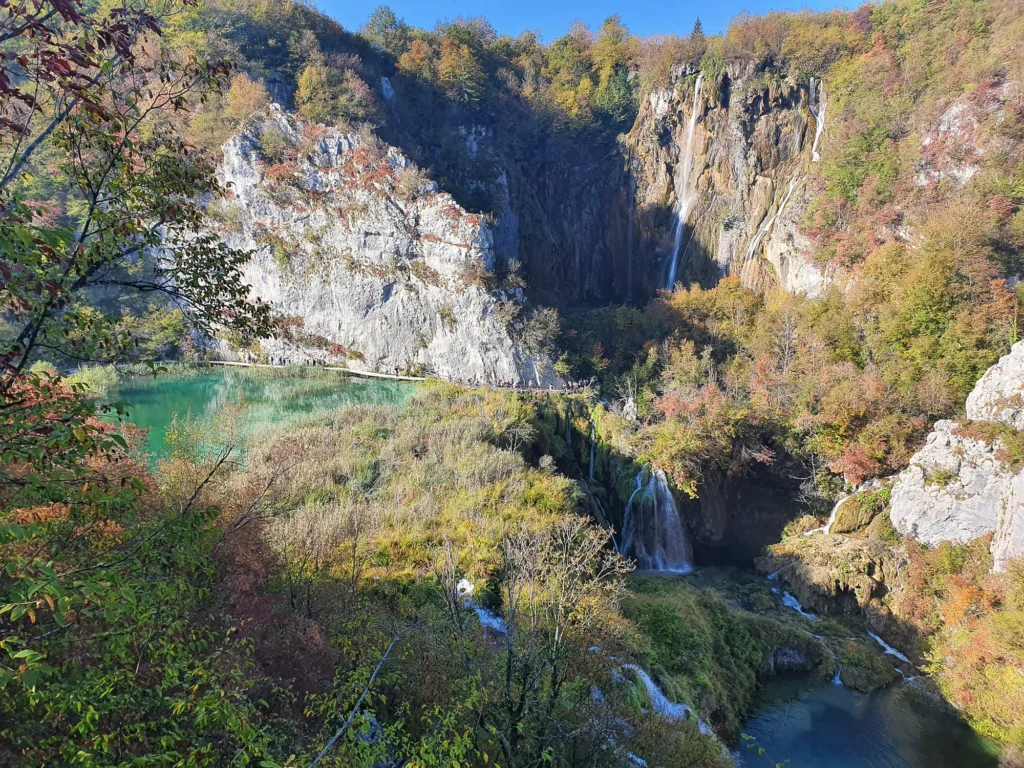
Plitvice Lakes is one of Croatia’s most popular nature stops, but families should choose routes appropriate to children’s age and stamina and check current park access information before travelling.
Best Types of Beaches for Children
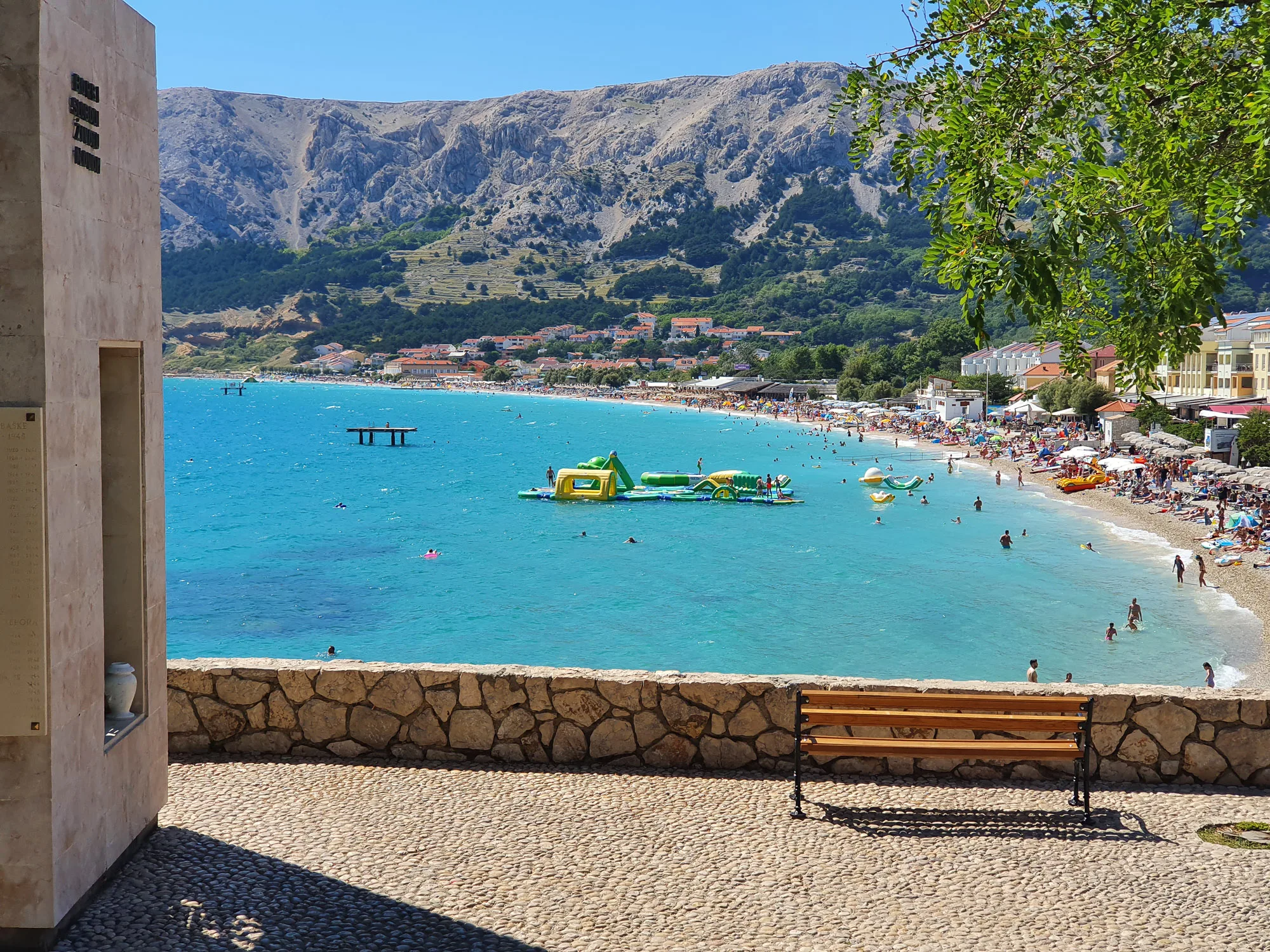
Many Croatian beaches are pebble or rocky rather than sandy. That does not make them unsuitable for families, but it changes what you should pack and how you choose a base.
- Small-pebble beaches can be comfortable for children when the entry into the sea is gradual.
- Rocky swimming areas are better suited to confident swimmers and families with older children.
- Sandy or shallow bays are especially useful with toddlers and beginner swimmers.
- Pine-backed beaches can provide valuable natural shade, although shade should never be assumed.
Water shoes are useful on many Croatian beaches. Families should also carry sun protection, plenty of water and a lightweight beach mat or shoes that can handle hot stone and pebbles.
Choosing Family Accommodation
The right location can matter more than the number of stars. Before booking, check how the property works with your daily routine.
- Is the beach genuinely walkable with children?
- Are there steep steps between the accommodation and the centre?
- Is parking included or available nearby?
- Does the accommodation have a washing machine or laundry access?
- Can you prepare a simple breakfast or children’s meal?
- Is there a balcony, terrace or safe outdoor area?
- Is air conditioning available in the sleeping areas?
- Can a cot or extra bed be confirmed before arrival?
In historic centres, charming accommodation can involve stairs, pedestrian-only access and carrying luggage over stone streets. With a baby or toddler, a slightly less central apartment with easier access may be the better choice.
Hotels, Apartments or Campsites?
Apartments
Apartments are practical for families who want a kitchen, more space and a flexible routine. They can be especially useful for longer stays and for children who need familiar foods or earlier meals.
Hotels and Resorts
Hotels can reduce everyday logistics and may offer pools, breakfast, family rooms or organised activities. Families should check exactly what is included rather than assuming that every hotel has children’s facilities.
Campsites and Mobile Homes
Croatia has a strong camping tradition, especially along the Adriatic. Modern campsites may include mobile homes, pools, restaurants and direct beach access. They can work well for families who want outdoor space but prefer more comfort than a traditional tent.
Getting Around Croatia with Children
By Car
A car is often the easiest option for families travelling through Istria, inland regions or several small coastal towns. It gives you control over breaks, luggage and departure times.
Before a road trip, check current Croatian road-safety requirements and child-restraint rules from an official source. Also investigate parking before booking accommodation in historic centres, because many old towns restrict vehicle access.
By Bus
Buses connect many Croatian cities and coastal towns, but they can be less convenient with a large amount of family luggage. Journey times and seasonal frequencies vary, so confirm the exact operator and timetable for your travel date.
By Ferry
Ferries can be part of the fun for children, but island travel needs more planning than a mainland road trip. Different routes have different reservation and vehicle rules, and frequencies change by season.
Jadrolinija, Croatia’s main passenger ferry operator, publishes current timetables, traffic notices and route-specific ticket information. Check the exact line before travelling rather than assuming every ferry works the same way.
By Plane
Flying into the airport closest to your main region can save several hours of driving. Pula is useful for Istria, Zadar and Split for Dalmatia, Dubrovnik for the far south, and Zagreb for the capital and inland Croatia.
Strollers, Baby Carriers and Old Towns
A compact stroller can be useful on waterfront promenades and flatter town centres, but many Croatian historic centres include steps, polished stone, steep lanes and uneven surfaces.
A baby carrier is often more practical for old towns, fortress visits and some nature areas. Families travelling with both a baby and a toddler may find that bringing both a lightweight stroller and a carrier gives the most flexibility.
Eating Out with Kids
Family meals are generally easy to arrange in Croatia, particularly in coastal towns with a wide choice of restaurants, bakeries and supermarkets. Simple dishes such as grilled meat or fish, pasta, pizza, rice, potatoes and fresh bread are widely available.
Restaurant opening patterns vary by season and location. In smaller destinations outside the main season, options may be more limited, so apartments with basic cooking facilities can be useful.
If your child has a serious food allergy, carry the relevant information clearly written in Croatian as well as English and confirm ingredients directly with the restaurant.
Best Family Activities in Croatia
Beach Days
For young children, beach time will often be the easiest and most enjoyable part of the holiday. Choose accommodation that makes returning for lunch or a nap realistic.
Boat Trips
Short boat excursions can be exciting for older children, but the best option depends on sea conditions, shade, toilet access and the length of the trip. Ask operators about these details before booking.
Historic Towns
Pula can make Roman history tangible, while Split, Zadar, Šibenik and Dubrovnik introduce different periods of Croatian history. With younger children, keep sightseeing blocks short and combine them with ice cream, swimming or playground time.
National Parks
Plitvice, Krka and Paklenica offer very different family experiences. Before visiting, check current routes, weather and access rules, and choose walks suited to the youngest member of the family.
Cycling and Outdoor Activities
Istria and several island and inland regions have cycling and walking routes. Families should match activities to children’s experience and avoid strenuous outdoor plans during the hottest part of summer days.
How to Handle the Summer Heat
July and August can be very hot, especially in exposed stone towns and on beaches without shade. Family days are easier when major sightseeing happens early or later in the afternoon.
- Keep midday flexible.
- Carry more water than you expect to need.
- Use hats and high-protection sunscreen.
- Choose shaded beaches when possible.
- Plan indoor attractions, lunch or rest during the hottest hours.
Heat can also make short walking distances feel much longer for young children, so avoid building plans around adult walking speeds.
When Is the Best Time for a Family Trip?
June and September can be particularly attractive for families who want warm weather with a slightly calmer rhythm than peak summer. July and August provide the fullest summer atmosphere and the greatest number of seasonal services, but they also bring higher demand, hotter weather and busier famous destinations.
Spring and early autumn are excellent for road trips, city breaks and outdoor exploration, although sea temperatures and seasonal businesses vary by location and year.
How Long Should a Family Stay?
For families, slower itineraries usually work better than adult sightseeing schedules.
- 3–4 days: choose one city or resort area.
- 5–7 days: stay mainly in one region and take a few day trips.
- 8–10 days: combine two bases, such as Istria plus Kvarner or Split plus one island.
- Two weeks: enough for two or three bases without constant packing.
Changing accommodation every night or two may look efficient on a map, but it often creates more work than value when travelling with children.
Sample 7-Day Croatia Family Itinerary
A simple one-week family itinerary could stay entirely in Istria:
- Day 1: Arrive and settle into a coastal base.
- Day 2: Easy beach day and local waterfront walk.
- Day 3: Explore Rovinj.
- Day 4: Visit Pula and its Roman sites.
- Day 5: Slow day at the beach or pool.
- Day 6: Short inland road trip to a hill town and local farm, winery or olive-oil area suitable for families.
- Day 7: Flexible final day before departure.
The same principle works elsewhere: one comfortable base, two or three substantial excursions and several unstructured days.
Sample 10-Day Croatia Family Itinerary
For ten days, consider two bases rather than trying to tour the whole coast.
- Days 1–4: Base in Zadar or the surrounding coast for beaches and local exploration.
- Day 5: Transfer south with a relaxed stop on the way.
- Days 6–10: Base around Split or on one central Dalmatian island.
This gives children time to settle into each location while still providing variety.
What to Pack for Croatia with Kids
- Water shoes
- Sun hats and high-protection sunscreen
- Refillable water bottles
- Lightweight stroller if appropriate
- Baby carrier for stairs and uneven terrain
- Small first-aid kit
- Swimwear that dries quickly
- Light layers for evenings and air-conditioned transport
- Compact beach toys rather than bulky equipment
- Copies of travel and health documents
Most everyday baby and child supplies are available in Croatian cities and resorts, so there is rarely a need to transport excessive quantities for a longer stay.
Family Travel Mistakes to Avoid
- Trying to see the entire country in one week. Long transfers reduce the time children actually enjoy the destination.
- Choosing accommodation only for the view. Check stairs, parking and beach access.
- Assuming every beach is sandy. Croatia’s coast is often pebble or rocky.
- Planning midday sightseeing in peak summer. Heat can make even short walks exhausting.
- Booking too many islands. Ferry days add packing, waiting and transport logistics.
- Ignoring parking. Historic coastal centres often have limited or restricted vehicle access.
- Over-scheduling. Children may enjoy the hotel pool or local beach more than a third excursion.
Frequently Asked Questions
Is Croatia safe for a family holiday?
Croatia is a popular family destination, but normal travel precautions still apply. Supervise children around the sea, cliffs, boats, busy roads and old-town steps, and follow local safety advice for weather and outdoor activities.
Which part of Croatia is best with toddlers?
Istria and parts of Kvarner are particularly practical because road travel is straightforward and families can stay in one base. The best choice, however, depends on the exact beach, accommodation access and how much travelling you want to do.
Do we need a car in Croatia with kids?
Not always. A city-and-island trip can work by ferry, bus and transfer. A car is more useful for rural Istria, inland attractions and families that want maximum flexibility with luggage and breaks.
Are Croatian beaches suitable for small children?
Many are, but beach type matters. Look for gradual water entry, small pebbles or sand, shade and easy access. Do not assume that every famous beach is the best choice for a toddler.
Is island hopping a good idea with children?
Yes, but fewer islands are usually better. One longer island stay is often easier than changing ferries and accommodation every two days.
Keep the Family Itinerary Simple
Croatia is at its best for families when the holiday has room to breathe. Choose one or two well-positioned bases, combine beach days with a small number of memorable excursions, and let the youngest travellers set part of the pace. A simpler itinerary usually means less time in transit and more time enjoying the coast, towns and landscapes you came to see.
Plan your trip
Planning your trip to Croatia?
Explore practical guides, destinations and travel tips before you go.