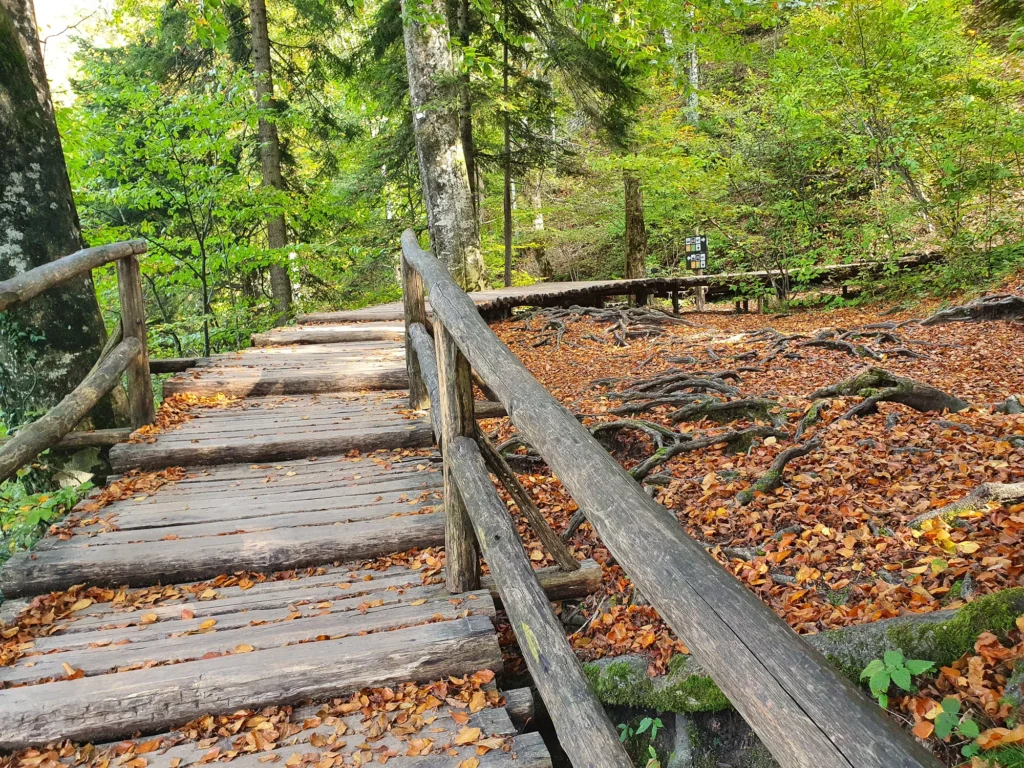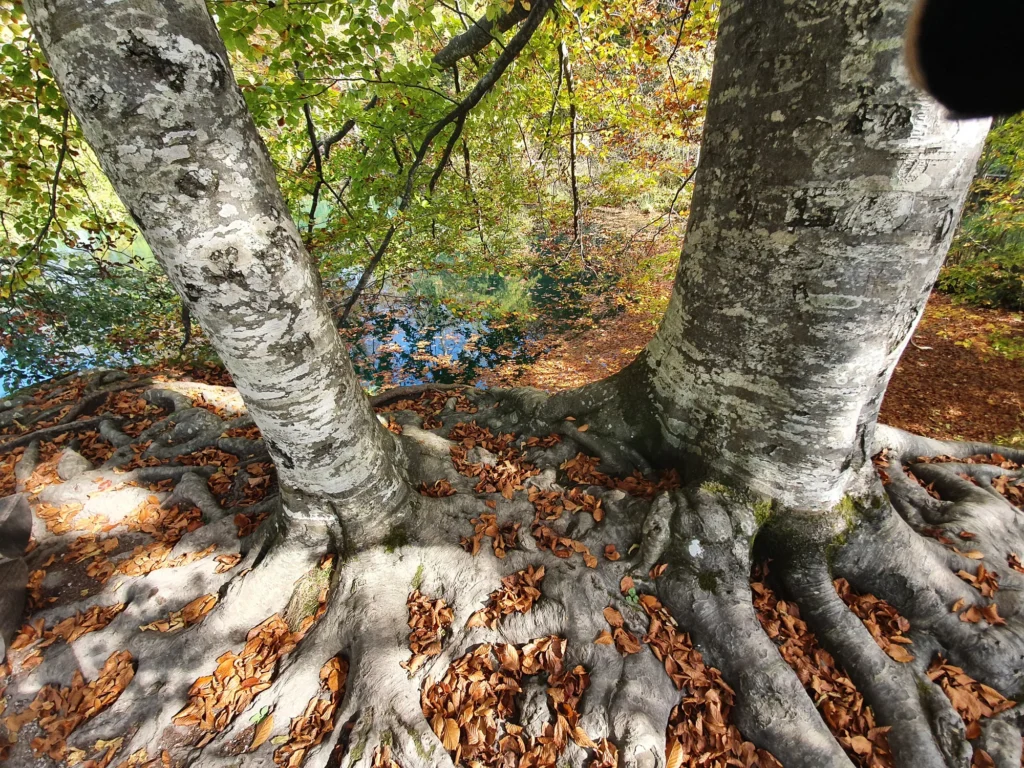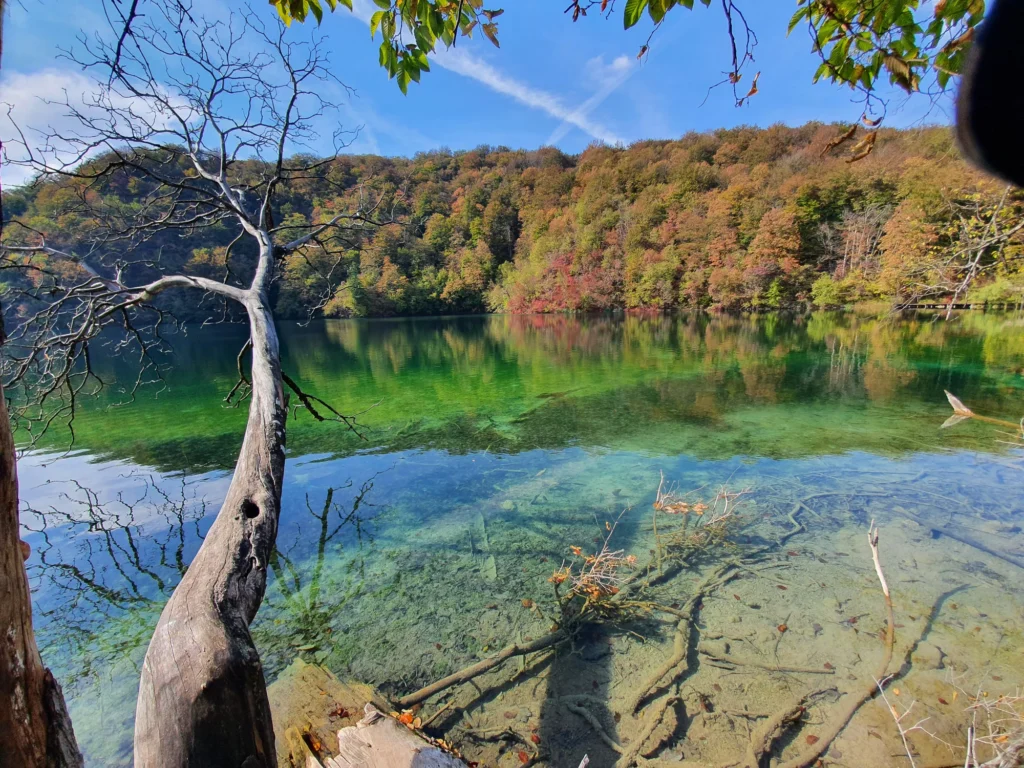
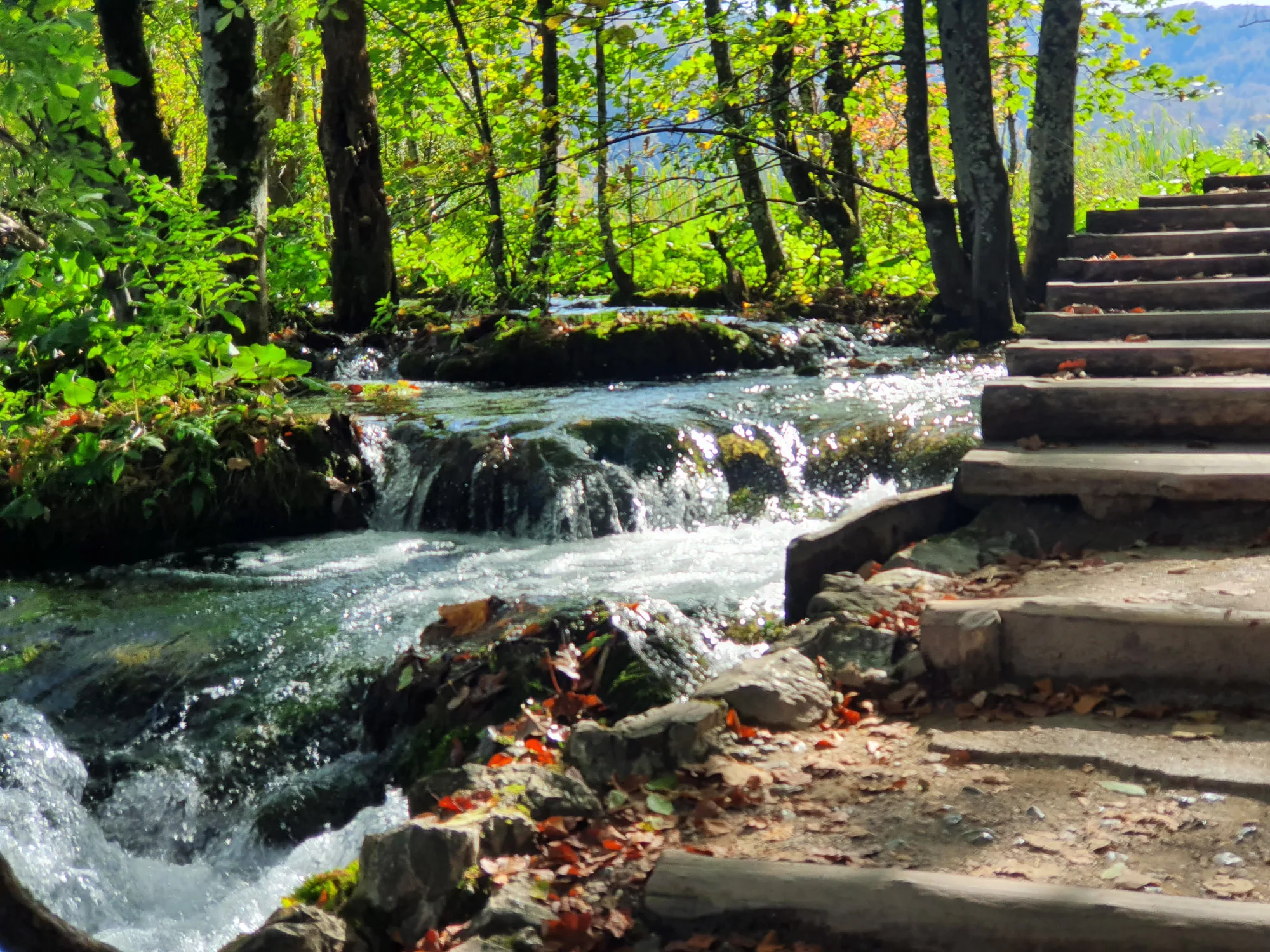
Plitvice Lakes National Park is one of Croatia’s essential nature experiences: a chain of turquoise and emerald lakes connected by waterfalls, forest paths and wooden boardwalks. The park is large enough that a little planning makes a major difference, especially in summer when visitor numbers, traffic and timed ticket entry can shape the day.
This guide covers the practical decisions that matter most: which entrance to use, how long to allow, current 2026 ticket prices, how the boat and panoramic vehicles fit into a visit, the best seasons, transport options and where to stay. If you are planning a broader inland trip, combine this page with our Zagreb & Central Croatia travel guide.
Why visit Plitvice Lakes?
Plitvice is Croatia’s oldest national park and has been a UNESCO World Heritage Site since 1979. Its signature landscape is created by water flowing through a system of lakes, tufa barriers and waterfalls within a heavily forested valley.
The appeal is not one single viewpoint. The experience comes from moving through several layers of the park: elevated viewpoints over the Lower Lakes, close-up boardwalk sections beside the water, forest trails around the Upper Lakes and the long electric-boat crossing across Kozjak, the largest lake.
How much time do you need?
For most first-time visitors, one full day is the right amount of time. A shorter half-day visit can work if you focus on either the Lower Lakes or a compact combined route, but it leaves less margin for queues, photography, lunch and slower walking.
- 3–4 hours: suitable for a focused visit to the Lower Lakes and Veliki Slap.
- 5–7 hours: enough for a substantial combination of the Upper and Lower Lakes.
- Full day: best for visitors who want a relaxed pace and time for longer walking routes.
- Overnight: useful if you want an early start, a second shorter walk, or are combining Plitvice with a wider road trip.
The official park offers several lettered tour programmes from the two main entrances. Choose a route based on time and walking ability rather than trying to see every boardwalk.
Entrance 1 or Entrance 2?
Entrance 1
Entrance 1 is usually the strongest choice for first-time visitors who want the classic Lower Lakes perspective. It gives convenient access toward the canyon viewpoints, the Lower Lakes and Veliki Slap, Croatia’s highest waterfall.
Entrance 2
Entrance 2 is convenient for the Upper Lakes, the Kozjak area and several park hotels. It can be a good choice if your accommodation is nearby or if you want to begin with the quieter forest-and-lake character of the Upper Lakes before moving south.
Your ticket is tied to a selected entrance and entry time when bought online, so check your confirmation carefully before driving to the park.
Plitvice Lakes ticket prices in 2026
The park uses seasonal pricing. According to the official 2026 price list, individual adult day tickets cost €10 from January through March and again from November through December, €23 in April, May and October, and €40 from June through September at the standard daytime rate.
During the June–September high season, the park also offers a lower late-entry rate of €25 for adults. In June, July and August that lower rate applies after 16:00; in September it applies after 15:00. Student and child discounts are available, and children under seven are admitted free under the current tariff.
Important: prices, entry hours and transport operations inside the park can change with the season and weather. Buy tickets through the official Plitvice Lakes National Park website and recheck operating information shortly before arrival.
Should you buy tickets in advance?
Yes, especially between late spring and early autumn. Tickets are sold for specific entry periods, and popular morning slots can sell out. Online booking also lets you plan your arrival around parking, bus schedules and your chosen entrance.
Walk-up tickets may still be available when capacity remains, but relying on them in July or August is unnecessary risk.
Electric boats and panoramic vehicles
The park’s electric boats and panoramic vehicles help connect sections of the lake system and make longer routes practical. They are transport within the protected area rather than sightseeing cruises in the usual sense.
Operating times are seasonal. In the 2026 summer schedule, boats and panoramic vehicles run through much of the day at regular intervals, but services can be shortened or suspended because of weather, water levels, technical reasons or seasonal conditions. Do not build an itinerary around the last departure without checking the day’s official timetable.
Best things to see at Plitvice Lakes
Veliki Slap
Veliki Slap is the park’s best-known waterfall and a natural focus of the Lower Lakes. The strongest overall views come from the higher paths and viewpoints around the canyon, while the boardwalk route brings you much closer to the base area.
The Lower Lakes
The Lower Lakes have the more dramatic limestone-canyon scenery. Boardwalks pass close to clear water, small cascades and steep rock walls, making this the visually intense part of the park.
The Upper Lakes
The Upper Lakes feel greener and more enclosed, with forest, narrower channels and many smaller cascades. Visitors who only see the Lower Lakes miss a different side of Plitvice.
Kozjak Lake
Kozjak is the largest lake in the system and the main electric-boat crossing point. The crossing is both useful transport and a chance to rest your legs between walking sections.
Best time to visit Plitvice Lakes
Spring
Spring is excellent for strong water flow, fresh foliage and cooler hiking conditions. Paths can be wet, and weather changes quickly, so waterproof footwear is useful.
Summer
Summer brings the longest operating day and the largest crowds. Arrive early, book tickets ahead and avoid trying to rush through the most popular Lower Lakes boardwalks at peak midday times.
Autumn
Autumn can be outstanding, especially when the beech forest changes colour. October also moves into the lower shoulder-season ticket band.
Winter
Winter is quieter and much cheaper, but snow, ice and seasonal closures can reduce which routes and transport services are available. Check the official conditions on the day of your visit.
For a broader month-by-month overview of Croatian conditions, see our Croatia weather by month guide.
Getting to Plitvice Lakes
By car
Driving is the most flexible option. Plitvice sits inland between Zagreb and the northern Dalmatian coast, which makes it easy to include in a Croatia road trip. Both main entrances have large parking areas, but summer arrival queues are possible and parking is separate from national-park admission.
By bus
Intercity buses connect the Plitvice area with Zagreb and several coastal cities. Services vary by season and operator, so check the exact stop, direction and return time before travelling. The park does not have a railway station.
On a day trip
Plitvice can be visited as a day trip from Zagreb and, with more travel time, from Zadar or Split. A day trip is most worthwhile when it allows at least five useful hours in the park rather than turning the visit into a long transport day with a rushed walk.
Where to stay near Plitvice
There are several practical bases, depending on whether you want to walk to an entrance or have a car.
- Inside or beside the park: convenient for early entry and a quieter evening after day visitors leave.
- Rastovača: useful for Entrance 1.
- Mukinje and Jezerce: practical around the Entrance 2 side.
- Grabovac and Rakovica: good if you have a car and want a wider choice of guesthouses and restaurants.
- Korenica: a small service town south of the park with shops, restaurants and accommodation.
What to wear and bring
- Comfortable walking shoes with good grip.
- A refillable water bottle.
- Light rain protection outside settled summer weather.
- Sun protection in summer.
- A warm layer in spring, autumn and winter.
- Your ticket downloaded to your phone or printed if preferred.
Boardwalks can be narrow and slippery when wet. Large wheeled luggage and impractical footwear make the visit much harder.
Can you swim in Plitvice Lakes?
No. Swimming is not permitted in the lakes. Plitvice is a strictly protected national park, and visitors should remain on marked routes and follow current park instructions.
Plitvice Lakes with children
Families can have an excellent visit, but the park is not a conventional paved attraction. Expect stairs, uneven trails, narrow boardwalks and sections where a stroller is inconvenient or unsuitable. For younger children, choose a shorter official route and leave extra time.
If Plitvice is part of a larger family holiday, our Croatia with kids guide covers broader planning, transport and destination choices.
Common mistakes to avoid
- Arriving without a timed ticket in peak season.
- Choosing the wrong entrance and losing time driving around the park.
- Trying to see everything in three hours.
- Ignoring the last boat or panoramic-vehicle departure.
- Wearing sandals with poor grip on wet boardwalks.
- Planning a tight onward drive immediately after a full walking day.
Is Plitvice Lakes worth it?
Yes. Plitvice is one of the few Croatian attractions that fully justifies building a route around it. The key is to treat it as a national park rather than a quick photo stop: book ahead, give yourself enough time, choose the entrance deliberately and allow the experience to slow down once you are on the trails.
Plan your trip
Planning a trip to Plitvice Lakes?
Discover beaches, things to do, parking, food and practical travel information.