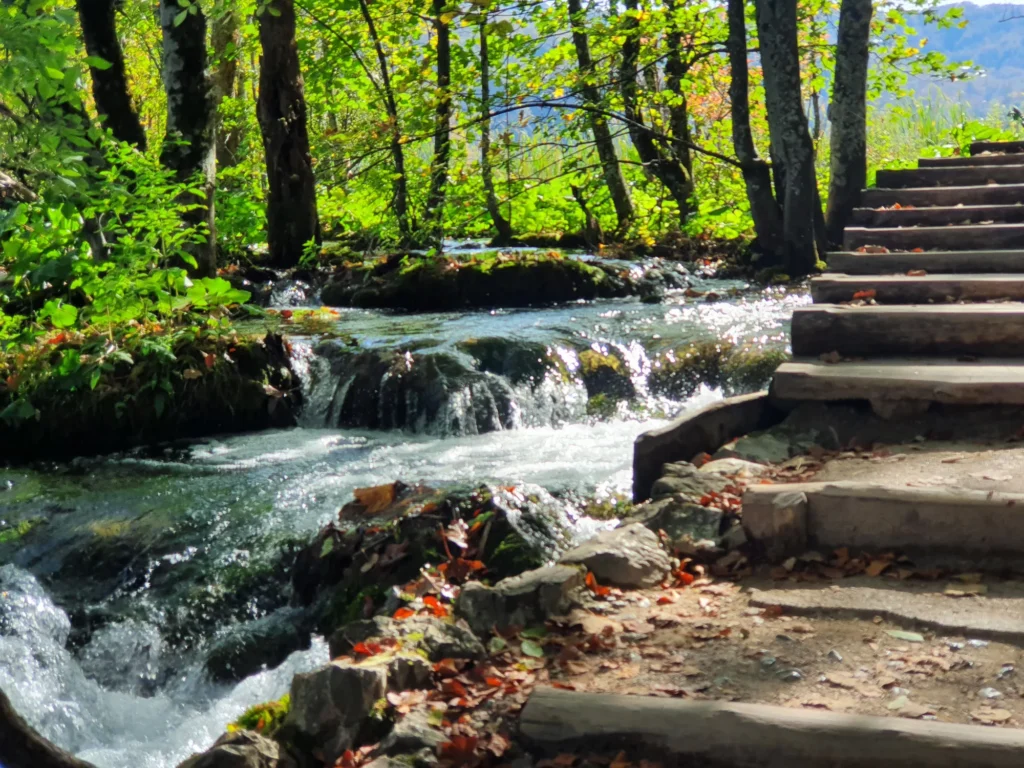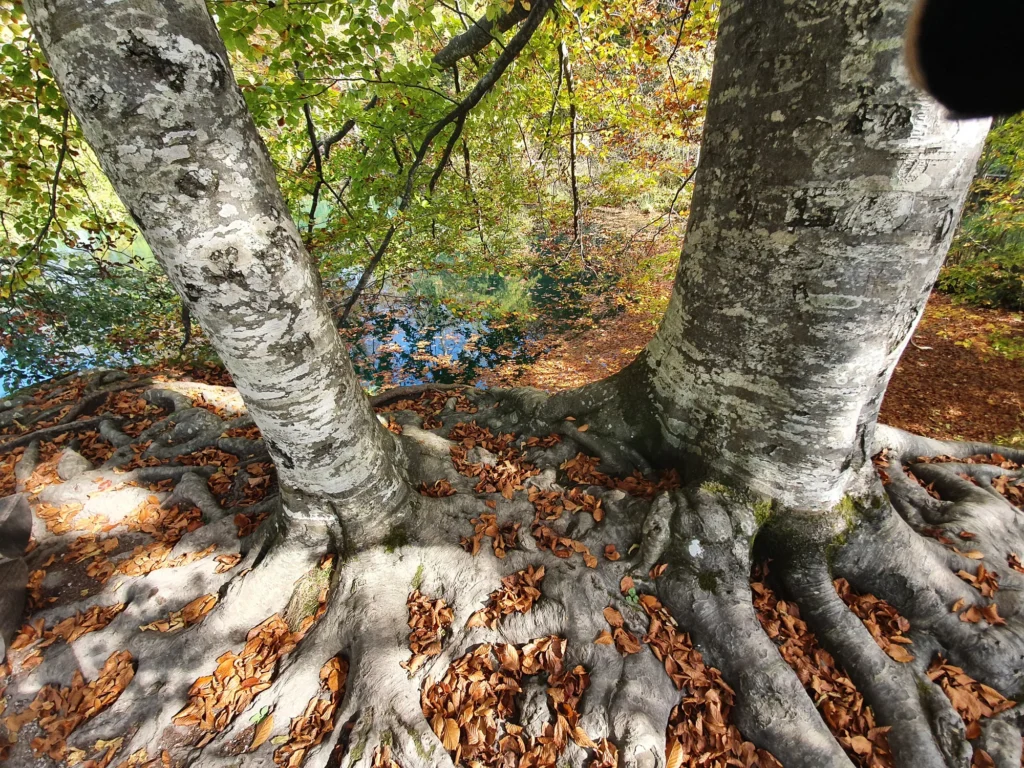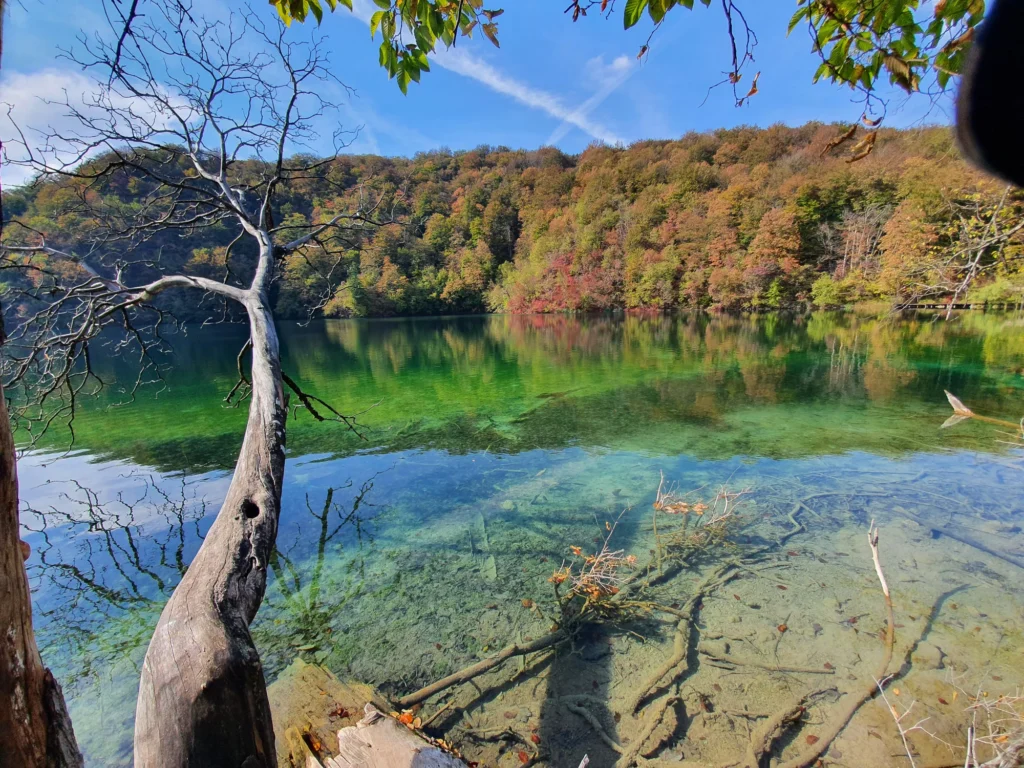
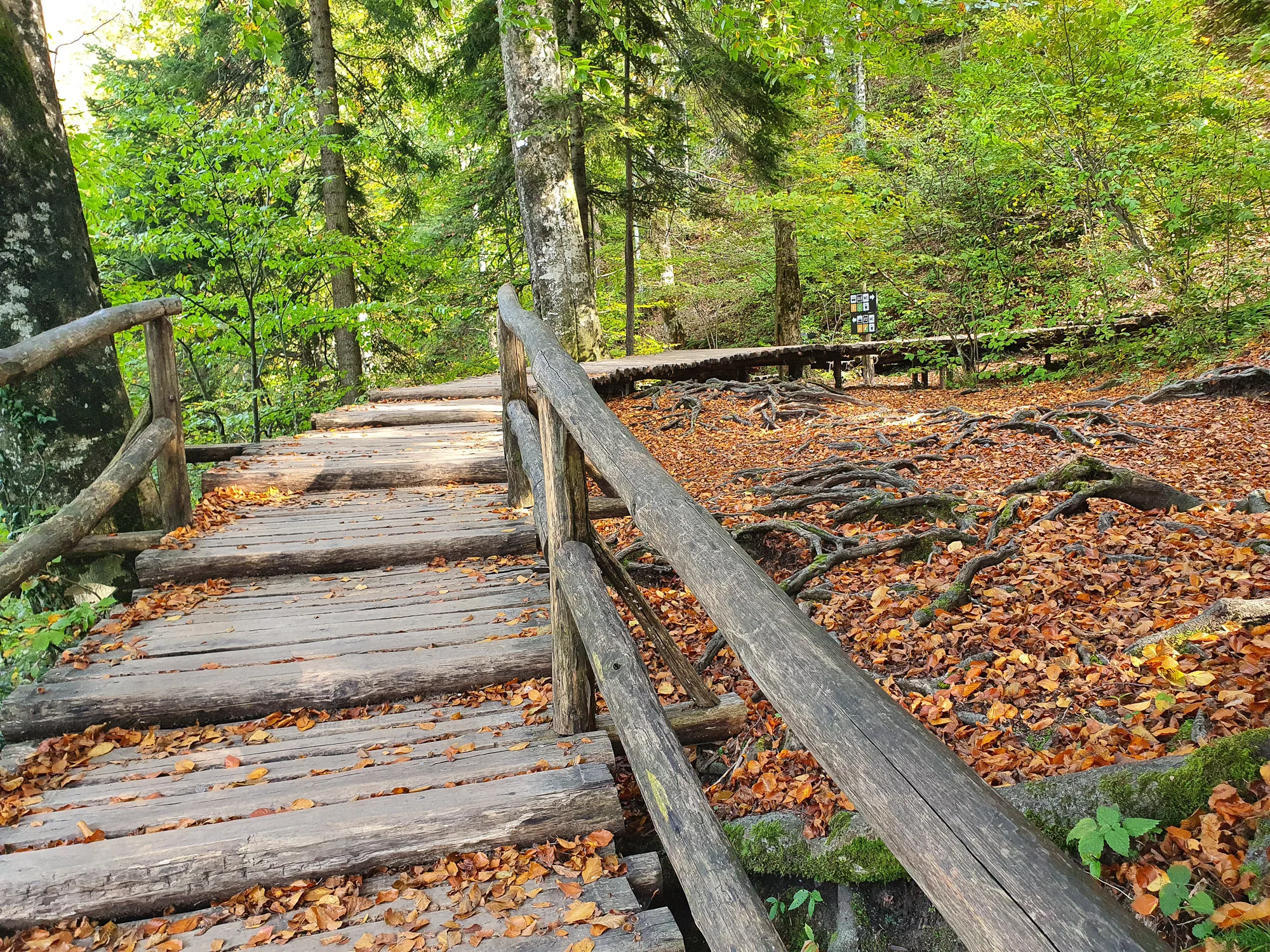
Plitvice Lakes in winter can feel completely different from the busy green park seen in summer photographs. Snow may cover the forest and boardwalks, waterfalls can freeze around the edges, crowds are usually much smaller, and ticket prices are at their lowest seasonal level.
Winter also requires more flexibility. The park remains open all year, but the Upper Lakes are usually closed during the colder period, opening hours are shorter, some hospitality facilities close, and snow or ice can change access at short notice. A winter visit can be memorable, but it should be planned around current conditions rather than a fixed summer-style itinerary.
Is Plitvice Lakes Open in Winter?
Yes. Plitvice Lakes National Park states that it is open 365 days a year. However, the areas available to visitors and the operating schedule vary by weather and season.
The park’s official FAQ says that during winter the Lower Lakes are usually open, while the Upper Lakes are usually closed. Reopening of the Upper Lakes depends on weather conditions and typically happens around early April.
This is the single most important difference between a winter visit and a spring, summer or early-autumn visit: you should not assume that the entire lake system will be accessible.
What Does a Winter Visit Usually Include?
When conditions permit, visitors can normally explore the Lower Lakes area, including the canyon scenery and Veliki slap. The exact walking route may be adjusted for snow, ice, water levels or maintenance.
Electric-boat and panoramic-vehicle operations also use reduced winter timetables. On some days, service patterns may change with conditions. Check the official working-hours page immediately before your visit.
Winter Ticket Prices in 2026
For the official 2026 pricing period of 1 January–31 March and 1 November–31 December, day-ticket prices are:
- Adults: €10
- Students: €6
- Children aged 7–18: €4
- Children under 7: free
The official 2026 two-day winter ticket costs €15 for adults, €9 for students and €7 for children aged 7–18. Current conditions and eligibility rules are published on the Plitvice price-list page.
Winter tickets are much cheaper than summer admission, but the trade-off is shorter hours and reduced access.
How Much Time Do You Need in Winter?
A winter visit is usually shorter than a full summer day because the accessible area is reduced and daylight is limited. For many visitors, roughly 2–4 hours is a realistic window, depending on weather, route availability and photography stops.
Do not plan around the long full-park programmes used in summer. Instead, arrive with a flexible goal: explore the open Lower Lakes route safely, see the waterfalls, and enjoy the winter atmosphere without rushing.
What Is the Weather Like?
Plitvice lies inland and at higher elevation than Croatia’s Adriatic cities, so winter can be genuinely cold. Temperatures may fall below freezing, snow is common, and shaded surfaces can remain icy even when the main roads are clear.
Conditions change quickly. Check the local forecast shortly before travelling and compare it with the wider seasonal overview in our Croatia weather by month guide.
What to Wear
Warmth matters, but footwear matters even more. Boardwalks, stone paths and steps can be slippery.
- Wear waterproof hiking shoes or boots with strong grip.
- Use warm socks and layered clothing.
- Bring gloves and a hat.
- Carry a waterproof outer layer even if snow is not forecast.
- Consider compact traction aids when icy conditions are likely, but follow park rules and staff guidance.
- Keep your phone and camera batteries warm; cold temperatures shorten battery life.
Can You Visit Plitvice in Snow?
Often yes, and snowy conditions can create some of the park’s most atmospheric scenery. But snow is not guaranteed, and heavy snowfall can reduce access.
Do not build a trip around a promise of frozen waterfalls or deep snow. Those conditions depend on the weather. The safer expectation is a quieter, colder park with possible snow and limited winter access.
Driving to Plitvice in Winter
If you are driving, winter preparation is essential. Roads through inland Croatia can experience snow, ice and fog, especially early in the morning and after sunset.
Check Croatian road conditions before departure, allow extra travel time and make sure your vehicle meets current winter-equipment requirements. Avoid committing to a rigid arrival time if the forecast is poor.
If Plitvice is part of a longer drive across Croatia, our Croatia road trip guide can help with broader route planning, but winter conditions should always override a pre-planned schedule.
Visiting Without a Car in Winter
Bus access remains possible, but winter timetables can be less frequent. The national park confirms bus stops close to Entrance 1 and Entrance 2, but you should verify the current intercity schedule in both directions before departure.
Because daylight is limited, an overnight stay near the park is often a better winter strategy than a long same-day return from the coast.
Food and Facilities in the Colder Season
The park warns that during the colder part of the year most hospitality facilities are closed. Do not assume every summer restaurant or kiosk will be operating.
Carry water and a simple snack, especially on weekdays or during periods of poor weather. If you are staying overnight, confirm accommodation and restaurant opening directly before travelling.
Photography in Winter
Winter light can be excellent for photography because the crowds are smaller and the bare forest opens views that feel very different from summer. Snow can simplify the landscape and make the turquoise and dark-green water stand out dramatically.
Protect camera gear from condensation when moving between cold outdoor air and warm indoor spaces. A small cloth is useful for snow and spray, and a spare battery is worth carrying.
Personal photography is permitted, while commercial photography requires permission according to the park’s official FAQ.
Is Winter Better Than Summer?
It depends on what you want.
Winter is better for:
- lower ticket prices;
- smaller crowds;
- quiet photography;
- snowy or icy scenery when weather cooperates;
- a shorter nature stop rather than an all-day route.
Summer is better for:
- full access to the Upper and Lower Lakes;
- longer opening hours;
- more transport services inside the park;
- more restaurants and visitor facilities;
- combining Plitvice with a wider outdoor itinerary.
Best Winter Strategy
- Check the official park website 24–48 hours before travel.
- Confirm which entrances and lake areas are open.
- Check weather and road conditions.
- Arrive early because winter daylight and operating hours are limited.
- Wear footwear suitable for ice and wet boardwalks.
- Keep your route shorter than you would in summer.
- Build flexibility into the rest of the day.
Should You Visit Plitvice in December, January or February?
All three months can work, but conditions vary more from year to year than many travellers expect. December may still be relatively mild, January often brings the strongest chance of sustained cold, and February can alternate between deep winter and early signs of thaw.
The park is beautiful in all three months, but there is no reliable way to guarantee snow. Choose winter Plitvice because you enjoy quiet nature and seasonal atmosphere, not because you need a specific frozen-waterfall photograph.
Final Advice
Plitvice in winter is not a reduced version of the summer experience; it is a different experience altogether. The quieter Lower Lakes, short days, low prices and possibility of snow make it rewarding for flexible travellers, while the closure of the Upper Lakes and reduced services mean it is not the best season for someone determined to see every part of the park.
Check the official conditions shortly before arrival, keep your plan simple, and let safety determine the route. If you are building a multi-day Croatian trip around the visit, our Croatia itineraries guide can help you fit Plitvice between Zagreb, inland Croatia and the coast.
FAQ
Is Plitvice Lakes National Park open in January?
Yes. The park is open year-round, although access is reduced in winter and the Upper Lakes are usually closed.
How much is a winter ticket in 2026?
The official 2026 winter day-ticket price is €10 for adults, €6 for students and €4 for children aged 7–18. Children under 7 enter free.
Are the Upper Lakes open in winter?
Usually not. The park states that the Upper Lakes are normally closed during the winter period and reopen according to weather conditions, commonly around early April.
Can I see snow at Plitvice in winter?
Snow is common but never guaranteed. Conditions can change quickly, so check the forecast immediately before your trip.
Plan your trip
Planning a trip to Plitvice Lakes?
Discover beaches, things to do, parking, food and practical travel information.