
Pelješac is a long, mountainous peninsula in southern Dalmatia, joined to the mainland near Ston. It is one of Croatia’s best-known wine areas and the shortest route to the island of Korčula.
Why visit
At its base, Ston has some of the longest medieval defensive walls in Europe and salt pans still in use, while Mali Ston is famous for oysters and mussels. The steep south-facing slopes around Dingač and Postup produce strong Plavac Mali red wines.
Orebić at the western end has beaches, a Franciscan monastery and the ferry to Korčula, and Viganj is a windsurfing spot.
Where to stay
Ston for history and seafood, Orebić for beaches and the Korčula ferry, the wine villages for a quiet stay.
Getting there and around
The Pelješac Bridge links the peninsula with the mainland near Komarna, so you no longer need to pass through Neum. Orebić is about two hours from Dubrovnik by car.
Parking
Parking is generally easy outside July and August; Orebić’s ferry area is busy in summer.
Day trips
Nearby destinations
Dalmatia
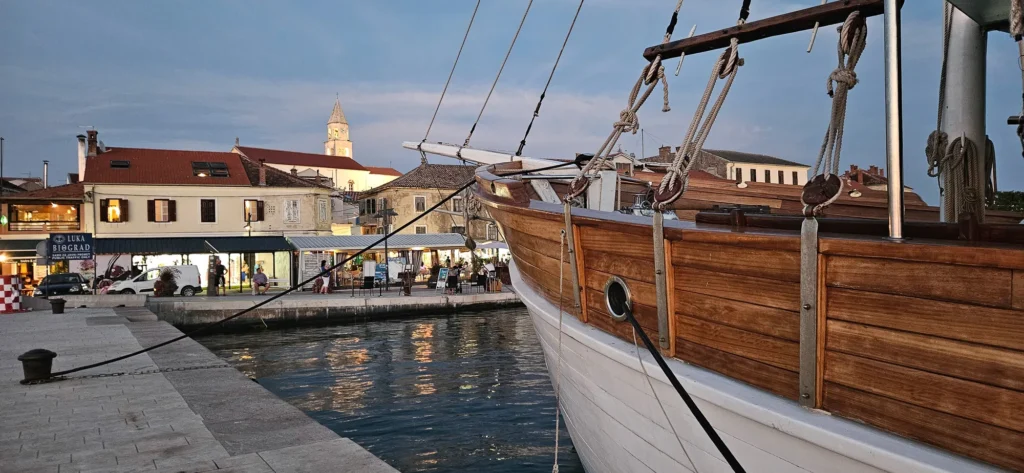
Biograd na Moru
A lively seaside town south of Zadar, gateway to the Kornati islands and Lake Vrana.
Dalmatia
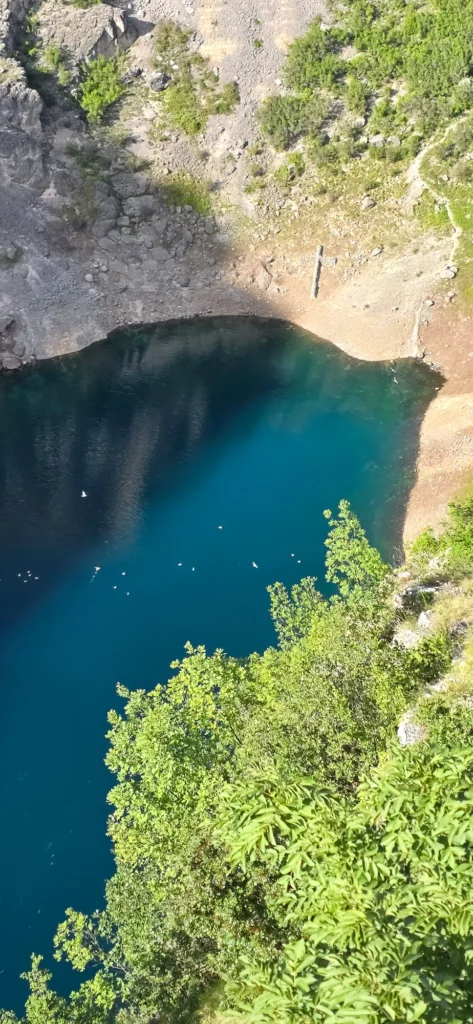
Imotski
A hinterland town above two spectacular karst lakes, half an hour from the Makarska Riviera.
Dalmatia
Konavle
Croatia’s southernmost valley beyond Dubrovnik: vineyards, villages, Cavtat and Sokol Grad.
Dalmatia
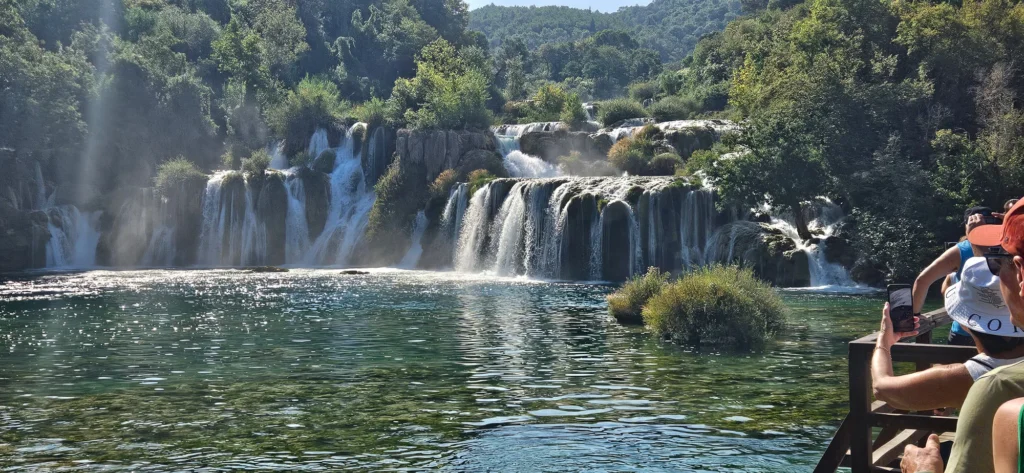
Krka National Park
Waterfalls and river canyons inland from Šibenik, with Skradinski buk as the highlight.
Frequently asked questions
What wine is Pelješac known for?
Plavac Mali, above all from Dingač and Postup.
How do I get from Pelješac to Korčula?
By the short car ferry from Orebić.