Zagreb rewards travellers who slow down. Croatia’s capital combines a compact historic centre, lively markets, excellent museums, grand Austro-Hungarian architecture, neighbourhood cafés and large green spaces, all within an easy city break. Most first-time visitors can see the essential sights in one or two days, while a longer stay gives you time for parks, museums and Medvednica mountain.
This guide focuses on the best things to do in Zagreb for first-time visitors, with practical notes on what is genuinely worth your time. Because restoration work following the 2020 earthquakes is still affecting some historic buildings, check current access before planning interior visits.
1. Explore Zagreb’s Upper Town
Start in Gornji Grad (Upper Town), the historic heart of Zagreb. Its narrow streets, small squares and viewpoints feel very different from the wider avenues of the Lower Town below.
The centrepiece is St Mark’s Square, dominated by St Mark’s Church and its famous tiled roof displaying the coats of arms of Croatia and Zagreb. The square is also surrounded by important government buildings, including the Croatian Parliament and Banski Dvori.
Give yourself time to wander rather than treating Upper Town as a single photo stop. The atmosphere is best appreciated on foot, especially early in the morning or toward evening.
2. Ride the Zagreb Funicular
The blue Zagreb Funicular connects the Lower Town with the Upper Town and is one of the city’s most recognisable sights. It is a short ride, but it is worth doing at least once for the experience and for the easy climb to the historic centre.
The funicular underwent a major renovation and returned to service on 19 May 2026. This makes it useful again for visitors who want to move between Ilica and the Upper Town without taking the stairs.
3. Climb Lotrščak Tower for city views
Lotrščak Tower stands beside Strossmayer Promenade and offers one of the classic views over Zagreb’s red rooftops and the Lower Town. It is an excellent place to understand the layout of the city before continuing your walk.
Opening hours can change by season and on public holidays, so check the current Zagreb Tourist Board information before visiting.
4. Walk through Ban Jelačić Square
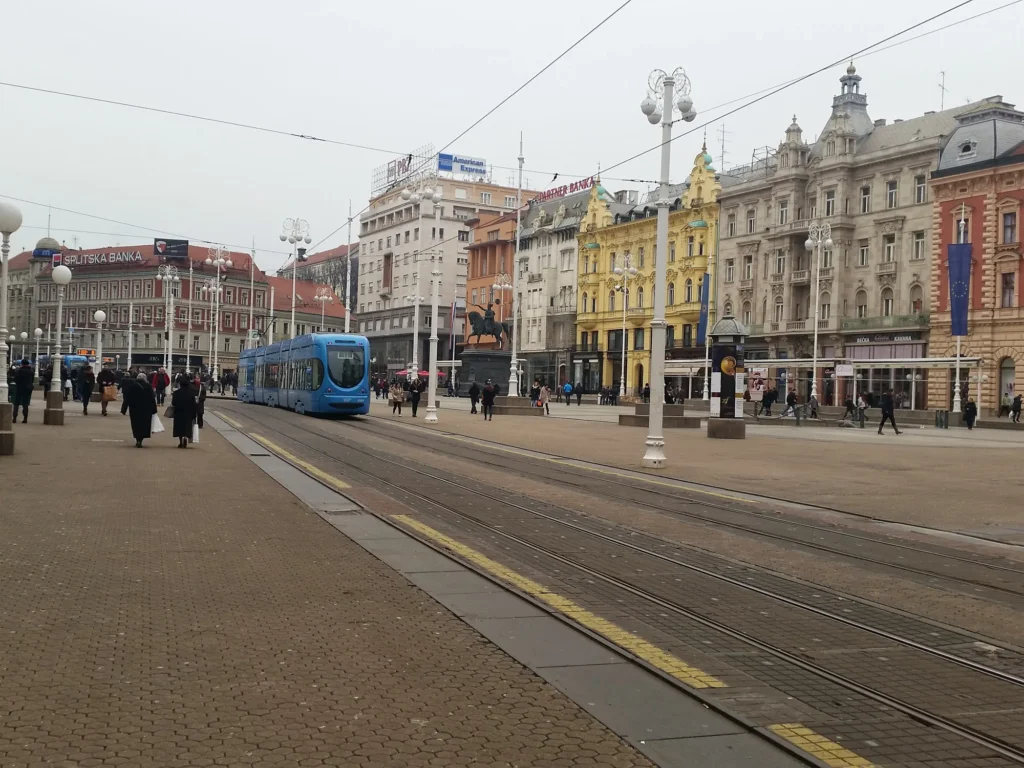
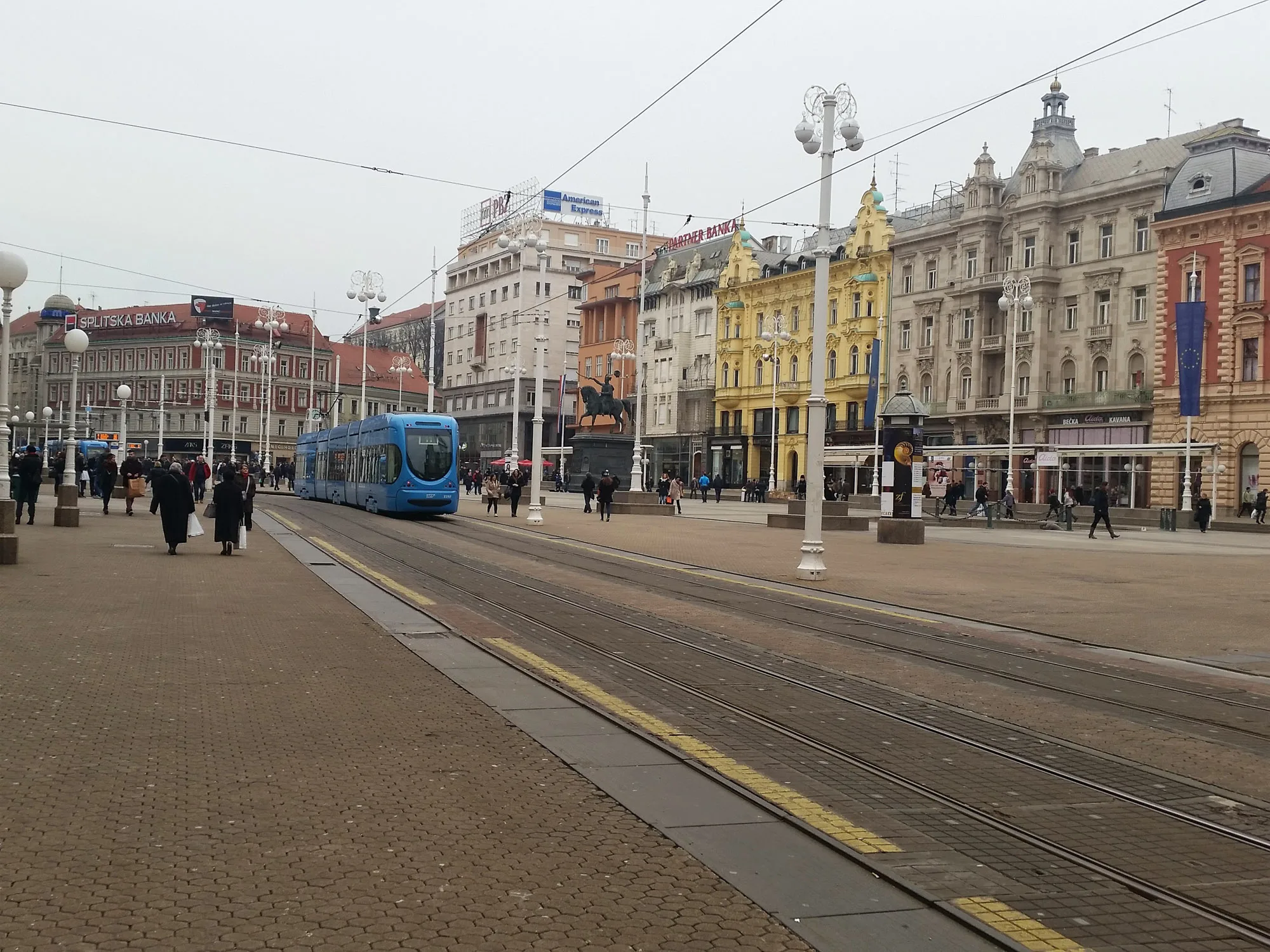
Ban Jelačić Square is the main meeting point in central Zagreb and the natural link between the Lower Town, Dolac Market and the historic districts above it. The square has served as an important commercial centre for centuries and remains one of the busiest places in the city.
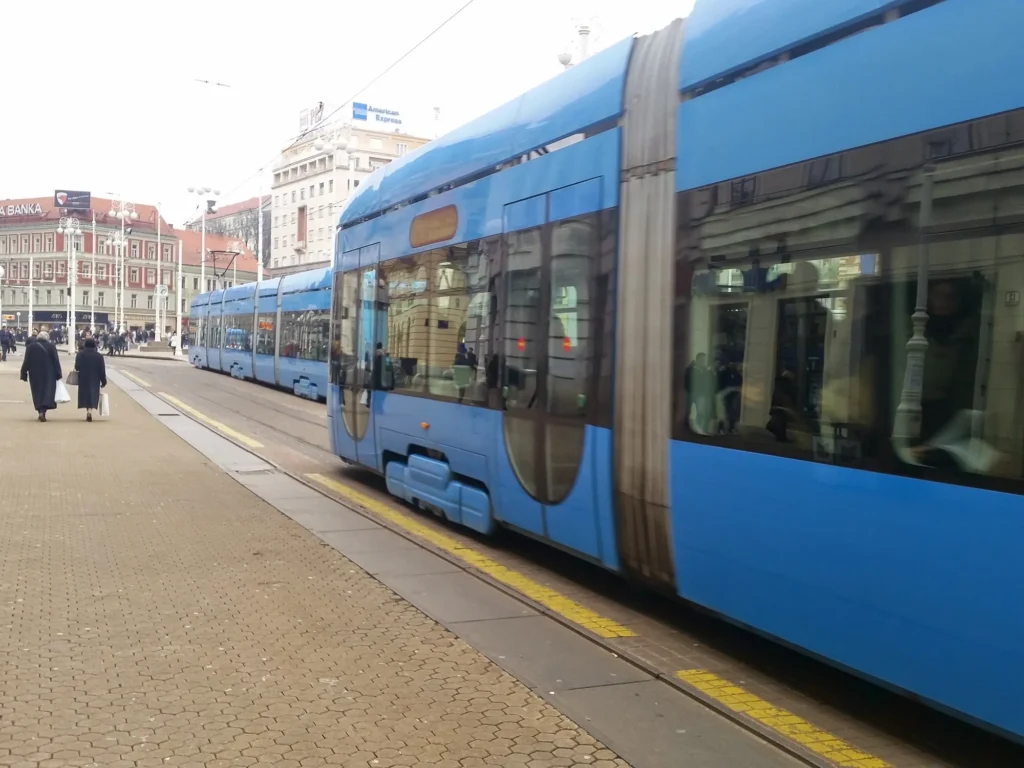
It is a useful orientation point for first-time visitors: trams pass through the square, the pedestrian centre spreads out around it, and many of Zagreb’s main sights are within walking distance.
5. Browse Dolac Market
Just above Ban Jelačić Square, Dolac Market is one of the best places to see everyday Zagreb. The open-air section is known for fruit, vegetables and its rows of red umbrellas, while surrounding stalls and indoor areas sell meat, cheese, fish and other produce.
Visit in the morning, when the market is at its liveliest. Even if you are not shopping, it is worth walking through before continuing toward Kaptol or Upper Town.
6. Spend time on Tkalčićeva Street
Tkalčićeva Street is one of Zagreb’s most popular streets for cafés, casual restaurants and evening drinks. It runs north from the centre and is an easy place to pause between sightseeing stops.
Zagreb has a strong café culture, so do not feel that every hour needs to be filled with attractions. Sitting over coffee and watching the city go by is part of the experience.
7. Visit the Museum of Broken Relationships
The Museum of Broken Relationships is one of Zagreb’s most distinctive museums. Its collection is built around personal objects and stories connected with ended relationships, making it more intimate and unusual than a conventional historical museum.
The museum is in the Upper Town and works well as a one-hour indoor stop. At our September 2026 check, the museum listed daily opening hours, with longer summer hours than in winter.
8. See Zagreb Cathedral and Kaptol
Zagreb Cathedral is one of the city’s defining landmarks and dominates the skyline around Kaptol. The cathedral and neighbouring historic buildings were heavily affected by the 2020 earthquakes, and restoration work has continued for years.
Even when interior access is restricted, the Kaptol area is worth including in a central Zagreb walk. For current access, check the Zagreb Tourist Board’s renovation information before your visit rather than relying on older guidebooks.
9. Walk the Green Horseshoe
The Lower Town is shaped by a sequence of elegant parks and squares commonly known as the Lenuci or Green Horseshoe. This is where Zagreb feels most Central European, with landscaped gardens, historic institutions and 19th-century façades.
Zrinjevac is one of the loveliest sections and an easy addition to a walk between the main square and the railway station.
10. See the Croatian National Theatre
The yellow neo-baroque building of the Croatian National Theatre is one of the architectural highlights of the Lower Town. Even if you do not attend a performance, the surrounding square is worth seeing during a city-centre walk.
If theatre, ballet or opera interests you, check the current programme in advance and turn the visit into an evening activity.
11. Relax in Zagreb Botanical Garden
Zagreb’s Botanical Garden sits at the southern edge of the Green Horseshoe. It contains thousands of plant species and provides a quiet break from the streets of the centre.
The garden is seasonal and opening hours vary. The Zagreb Tourist Board also notes that construction work can occasionally limit access to individual sections, so confirm current conditions before making a special trip.
12. Learn the city’s story at Zagreb City Museum
The Zagreb City Museum is a strong choice if you want context for what you see outside. Its displays trace Zagreb from archaeological finds and medieval development through later political, cultural and everyday life.
It is especially useful after walking the Upper Town because many of the places you have just seen become easier to understand once you know how Gradec, Kaptol and the modern city developed.
13. Visit Mirogoj Cemetery
Mirogoj is much more than a cemetery. Designed in large part by architect Hermann Bollé, it combines monumental arcades, domes, sculpture and landscaped grounds and is often described as an open-air gallery.
It is still an active cemetery, so visit respectfully. Parts of the historic complex have undergone restoration following earthquake damage, but the site remains one of Zagreb’s most memorable places.
14. Spend a few hours in Maksimir Park
Maksimir Park is Zagreb’s major historic park and one of the best escapes from the dense city centre. Its paths, woodland, meadows and lakes make it ideal for a relaxed walk, especially if you have more than one day in Zagreb.
The park is easy to combine with Zagreb Zoo and works particularly well for families, runners and anyone who wants a quieter half-day.
15. Visit Zagreb Zoo
Zagreb Zoo sits inside Maksimir Park, so the two attractions are easy to combine. The zoo is a practical family option and can fill several hours without requiring a trip outside the city.
Check current ticket prices and seasonal opening hours directly before visiting, as these can change.
16. Explore the Museum of Contemporary Art
Cross the Sava to Novi Zagreb for the Museum of Contemporary Art. The museum’s collections include Croatian and international art from the mid-20th century onward, while the modern building itself gives you a reason to explore beyond the historic centre.
This is one of the best choices for travellers who prefer modern culture to churches and old-town sightseeing.
17. Take the Sljeme cable car to Medvednica
Zagreb has a mountain on its doorstep. Medvednica rises north of the city, with Sljeme as its best-known summit area. The modern Sljeme cable car connects Gračansko dolje with the upper mountain area.
ZET states that the ride takes a little over 16 minutes, offering wide views over Zagreb along the way. Check current operating notices and weather conditions before setting out, especially outside the main season.
18. Walk or cycle around Jarun
Jarun Lake is one of Zagreb’s main outdoor recreation areas. Locals come here to run, cycle, row, walk and spend time by the water.
It is not an essential first-hour sightseeing stop, but it is a good choice if you are staying longer, travelling in warm weather or want to see a more everyday side of Zagreb beyond the historic centre.
19. Discover Zagreb’s food culture
Leave room in your itinerary for local food. Zagreb sits at the crossroads of Central European and Croatian regional traditions, so menus often include dishes such as štrukli, hearty meat dishes, seasonal soups, pastries and cakes.
Dolac Market is a useful starting point, while the centre has everything from traditional dining rooms to contemporary bistros. Rather than rushing between sights, plan at least one longer lunch or dinner.
20. Enjoy Zagreb after dark
Zagreb is pleasant in the evening because much of the central area remains easy to explore on foot. Tkalčićeva, the streets around Cvjetni trg, the Lower Town and cultural venues all offer different atmospheres.
A simple evening can be as enjoyable as a formal attraction: walk through the illuminated centre, stop for dinner, then finish with a drink or dessert.
Best things to do in Zagreb for free
You can experience a large part of Zagreb without paying admission. Good free options include:
- walking through Upper Town and St Mark’s Square;
- exploring Ban Jelačić Square and central pedestrian streets;
- browsing Dolac Market;
- walking through Zrinjevac and the Green Horseshoe;
- visiting Maksimir Park;
- walking around Jarun;
- exploring Mirogoj respectfully;
- enjoying viewpoints and neighbourhood walks.
What to do in Zagreb with kids
Families have several easy choices. Maksimir Park and Zagreb Zoo work naturally together, the funicular is short and entertaining, and parks around the Lower Town provide breaks between museums and historic sights.
For a wider family trip through the country, see our Croatia with Kids guide.
How many days do you need in Zagreb?
One day is enough for Upper Town, Ban Jelačić Square, Dolac Market, the Lower Town and one museum. Two days lets you add Mirogoj, Maksimir, more museums or a relaxed evening. With three days, you can also include Medvednica or spend more time exploring neighbourhoods beyond the centre.
If Zagreb is part of a longer journey, our Croatia itineraries and Croatia road trip guides can help you connect the capital with the rest of the country.
How to get around Zagreb
The historic centre is compact and best explored on foot. Trams are useful for travelling between the centre, Maksimir, the railway and bus stations, and other districts, while buses cover areas that are not on the tram network.
The funicular is useful for the short climb to Upper Town, and the Sljeme cable car is a separate mountain excursion. For accommodation planning, staying near the central tram network makes sightseeing easier without a car.
Important renovation note for 2026
Zagreb is still restoring parts of its cultural and historic heritage after the 2020 earthquakes. The Zagreb Tourist Board maintains current information about facilities that are closed or affected by renovation. Before making a special trip for a church, tower, museum or historic interior, check the official status on the day of your visit.
Plan your Zagreb trip
Zagreb works well both as a standalone city break and as the starting point for exploring inland Croatia. For the wider region, continue with our Zagreb & Central Croatia travel guide.
Couples planning a longer holiday can also use our Croatia for Couples guide for ideas beyond the capital.
FAQ: Things to do in Zagreb
What is Zagreb best known for?
Zagreb is best known for its Upper Town, St Mark’s Church, café culture, Dolac Market, museums, Austro-Hungarian architecture and large parks. It also stands out among European capitals for having Medvednica mountain immediately beside the city.
Is Zagreb worth visiting?
Yes. Zagreb offers a different experience from Croatia’s Adriatic coast and is especially worthwhile for travellers interested in city culture, museums, food, architecture and year-round travel.
Can you see Zagreb in one day?
Yes. In one full day you can walk through Upper Town and the central squares, visit Dolac Market, explore the Lower Town and choose one museum. Two days provides a much more relaxed visit.
Do you need a car in Zagreb?
No. A car is unnecessary for central sightseeing. Walking, trams and buses are more practical, while a car can be useful only if Zagreb is the starting point for a wider road trip.
Is the Zagreb Funicular running in 2026?
Yes. ZET states that the funicular returned to service on 19 May 2026 after its comprehensive renovation.
Plan your trip
Planning a trip to Zagreb?
Discover beaches, things to do, parking, food and practical travel information.