Croatia combines a long Adriatic coastline with historic cities, islands, mountain landscapes and a varied continental interior. For first-time visitors, the main challenge is not finding things to see but deciding how to combine them without spending too much of the trip in transit.
This Croatia travel guide explains the country’s main regions, the best types of trips, when to visit, how to get around and how to build a realistic itinerary.
Why Visit Croatia?
Croatia works especially well for travellers who want several different experiences in one trip. A single itinerary can combine Roman and medieval architecture, swimming and island time, national parks, local food, wine regions and a few days in a European capital.
The Adriatic coast receives most of the international attention, but Croatia is more varied than its coastline. Istria has hill towns, vineyards and strong Italian influences; Kvarner combines islands and historic resorts with mountain country; Dalmatia mixes old coastal cities with islands and rugged hinterland; Zagreb offers a very different urban experience; and eastern Croatia opens into the Danube and Drava landscapes.
Where Is Croatia?
Croatia lies at the meeting point of Central Europe, the Mediterranean and Southeast Europe. Its unusual shape means travel distances can be deceptive: destinations that look relatively close on a map may require several hours by road, ferry or bus.
For most holidays, it is better to concentrate on one or two regions than to race from Istria to Dubrovnik and back. Croatia rewards slower travel because many of its best experiences are found between the headline attractions.
Main Regions of Croatia
Istria
The Istrian peninsula is one of Croatia’s easiest regions for a road trip. Rovinj, Pula and Poreč are the best-known coastal bases, while Motovun, Grožnjan, Bale and Pazin reveal a different inland landscape of hill towns, vineyards and olive groves.
Istria is particularly strong for food-focused trips, cycling, wine and olive oil experiences, Roman heritage and travellers who prefer to stay in one region rather than change accommodation every day.
Kvarner
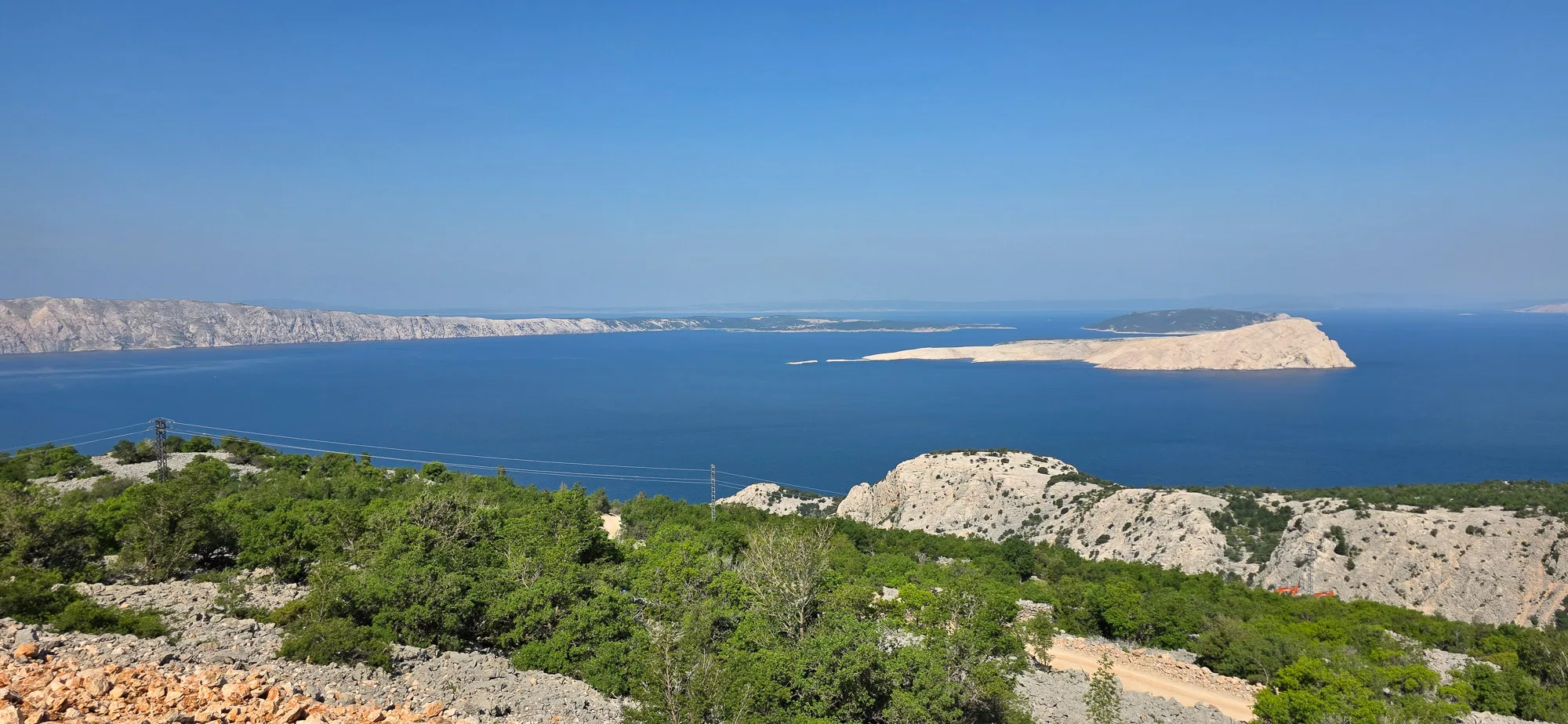
Kvarner stretches around Rijeka and the northern Adriatic islands. Opatija has the architecture and atmosphere of a historic resort, Rijeka is Croatia’s major northern port city, and islands such as Krk, Cres, Lošinj and Rab provide very different coastal experiences.
The region also reaches inland into Gorski Kotar, where forests and mountains create a useful contrast to the coast.
Northern Dalmatia
Zadar and Šibenik are the principal historic cities of northern Dalmatia. The region also includes Nin, Biograd, Vodice, Primošten and islands such as Pag, Dugi Otok, Ugljan and Pašman.
Nature is a major reason to stay here. Paklenica, Kornati and Krka are among the region’s important protected landscapes, while the Velebit area adds hiking and mountain scenery to a coastal itinerary.
Central Dalmatia
Split is the main transport and cultural hub of central Dalmatia. Its historic centre grew around Diocletian’s Palace, and the city is also a gateway to Brač, Hvar, Vis and Šolta.
Trogir, Omiš and the Makarska Riviera make it possible to combine heritage, beaches, islands and outdoor activities without travelling across the entire country.
Southern Dalmatia
Dubrovnik is the region’s major international destination, but southern Dalmatia extends well beyond the city walls. Cavtat, the Konavle countryside, Pelješac, Ston, Korčula and Mljet can turn a short Dubrovnik visit into a much broader trip.
This is a good region for travellers interested in historic towns, wine, islands, coastal scenery and slower multi-day exploration.
Zagreb and Central Croatia
Zagreb deserves more than a transit stop. The Croatian capital combines the Upper Town, museums, markets, parks, cafés and a strong year-round cultural life. The official Zagreb tourism portal also highlights the city’s architecture, art, green spaces and local food culture.
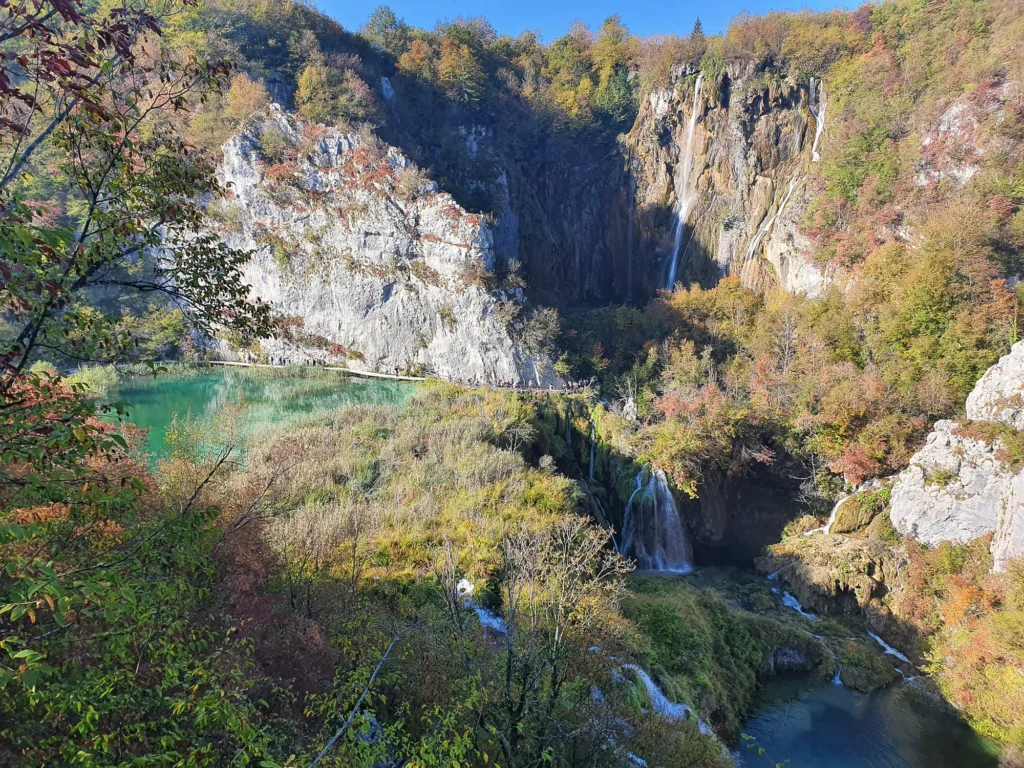
Central Croatia adds castles, thermal areas, small towns and rural landscapes. Plitvice Lakes can be incorporated into journeys between Zagreb and the coast, although it is worth allowing enough time to experience the park rather than treating it as a rushed photo stop.
Slavonia and Eastern Croatia
Eastern Croatia offers a completely different landscape from the Adriatic. Osijek, Baranja, Kopački Rit, Vukovar, Ilok and Đakovo are useful anchors for a trip based around the Danube and Drava, wetlands, wine, regional food and cultural history.
Best Time to Visit Croatia
There is no single best month for every type of Croatia trip.
- April to May: good for city sightseeing, road trips, hiking and exploring before the main summer season.
- June: combines long days and beach weather with a generally easier travel rhythm than the busiest part of summer.
- July and August: best suited to travellers prioritising swimming, boating, festivals and a full summer atmosphere. Expect the highest demand in famous coastal destinations.
- September: one of the most versatile periods for combining the coast, islands, food and sightseeing.
- October: attractive for cities, food, wine and road trips, although some seasonal island and coastal services reduce.
- November to March: better for Zagreb, cultural trips and selected year-round destinations than for a classic island-hopping holiday.
Always check seasonal ferry, attraction and transport schedules for your actual travel dates.
How Many Days Do You Need in Croatia?
A short trip can work, but Croatia becomes much easier to enjoy when the itinerary matches the available time.
- 3–4 days: choose one city or one compact area.
- 5–7 days: combine one main region with nearby destinations.
- 8–10 days: combine two compatible regions or a coastal city with islands and a national park.
- Two weeks: enough for a broader road trip, provided the itinerary still avoids excessive one-night stops.
The biggest planning mistake is trying to see Zagreb, Istria, Plitvice, Split, several islands and Dubrovnik in a very short holiday. Fewer bases usually produce a better trip.
Getting Around Croatia
By Car
A car gives the greatest flexibility for Istria, the Dalmatian hinterland, national parks and rural areas. Croatia’s motorway network makes many long-distance journeys straightforward, but coastal roads can be slower in busy periods.
Before driving, check parking arrangements at your accommodation and in historic centres. Many old towns are pedestrianised or have restricted vehicle access.
By Bus
Intercity buses connect many Croatian cities and coastal towns and can be practical for travellers who do not want to drive. Timetables vary by route and season, so confirm the operator and departure details for the specific date.
By Ferry
Ferries and catamarans are essential for many island trips. Not every passenger route carries cars, and frequencies vary substantially between summer and winter. Build island itineraries around confirmed ferry connections rather than assuming that neighbouring islands have direct links.
By Air
Zagreb, Split and Dubrovnik are major gateways, with other airports including Pula, Rijeka and Zadar. The most convenient arrival airport depends on the region you plan to explore.
Beaches and Swimming
Croatia’s coast includes pebble beaches, rocky swimming platforms, small coves and some sandy beaches. Water shoes are useful for many rocky and pebble entries.
Do not judge a destination only by whether it has a sandy beach. Some of Croatia’s most memorable swimming spots are compact pebble coves beneath pine trees or rocky shores with direct access to clear, deep water.
Islands and Island Hopping
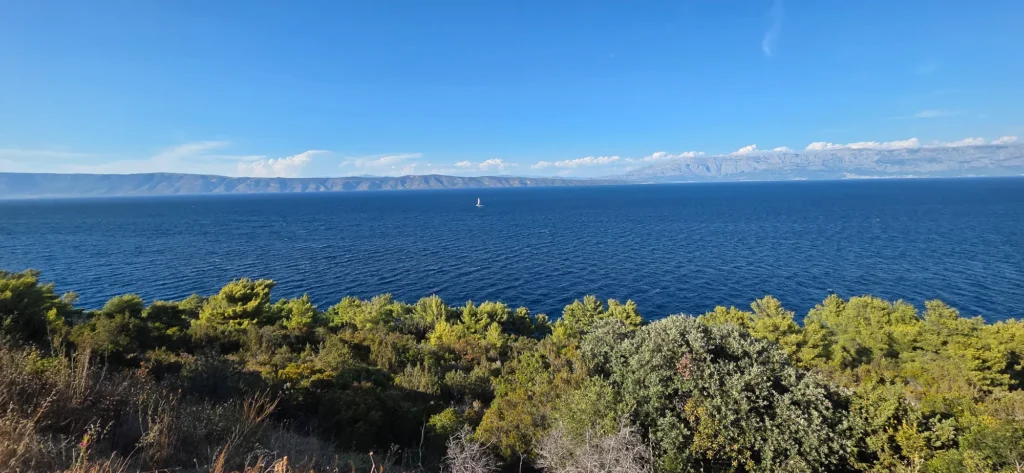
Croatia’s islands vary enormously. Hvar combines historic towns, nightlife, villages and beaches; Brač is large enough for a multi-day road trip; Vis feels more remote; Krk is connected to the mainland by bridge; Dugi Otok is known for a quieter landscape; and Korčula combines a historic town with villages, vineyards and beaches.
Island hopping works best when ferry connections dictate the route. Two or three well-chosen islands are usually more rewarding than trying to collect as many islands as possible.
National Parks and Nature
Plitvice Lakes is Croatia’s best-known inland natural attraction, while Krka is easily combined with northern and central Dalmatia. Paklenica is especially important for hiking and climbing: its landscape includes the Velika and Mala Paklenica canyons, forests, mountain meadows and karst formations.
Kornati is a marine landscape best experienced from the sea, while Mljet combines island travel with protected nature. Nature-focused travellers should also consider Velebit, Risnjak, Kopački Rit and the less-visited inland mountain regions.
Food and Drink
Croatian food changes noticeably by region. Istria is associated with olive oil, truffles, wine and pasta dishes; Kvarner combines seafood with island and mountain traditions; Dalmatia emphasises fish, shellfish, grilled dishes, slow-cooked meals and local wines; while Zagreb and continental Croatia bring different meat dishes, pastries and Central European influences.
Rather than searching for a single definition of “Croatian cuisine,” try the specialties of the region you are actually visiting.
Where to Stay
Croatia has hotels, hostels, campsites, holiday homes, apartments, private rooms, B&Bs and other accommodation styles. The official Croatian tourism accommodation database reflects this broad range.
Location matters more than category. In old coastal towns, staying inside the historic centre can be atmospheric but may involve stairs, pedestrian access and difficult parking. Staying just outside can make road trips and beach days easier.
Practical Croatia Travel Tips
- Plan by region rather than by a list of famous attractions.
- Confirm ferries and seasonal transport before booking island accommodation.
- Reserve high-demand summer accommodation well ahead for Dubrovnik, Split, popular islands and major Istrian resorts.
- Carry suitable footwear for pebble beaches, old stone streets and national-park trails.
- Allow extra time for summer road traffic and parking near famous coastal centres.
- Check official park and attraction websites for current tickets, access rules and opening times.
- Leave some unscheduled time. Croatia is particularly good for swimming stops, waterfront walks, local markets and spontaneous detours.
How to Plan Your First Croatia Trip
Start with one question: what do you most want from Croatia?
For historic cities and islands, focus on Dalmatia. For a self-drive trip with food, wine and small towns, Istria is an excellent starting point. For a mix of coast and mountains, consider Kvarner or northern Dalmatia. For an urban break, begin with Zagreb. If nature is the priority, build the route around national parks and allow enough time for hiking rather than simply passing through.
Once you have chosen the main region, add nearby destinations that fit naturally into the route. This approach creates a more coherent trip and leaves more time to experience Croatia rather than constantly travelling through it.
Frequently Asked Questions
Is Croatia good for a first trip to Europe?
Yes. Croatia can combine historic cities, beaches, islands, nature and road-trip travel within one country. The key is to avoid an itinerary that covers too much distance.
Do you need a car in Croatia?
No. Major cities and many coastal destinations can be combined by bus, ferry and air. A car becomes especially useful for rural Istria, inland areas, smaller villages and flexible national-park trips.
Which part of Croatia is best for a first visit?
That depends on the trip. Dalmatia is strong for cities and islands, Istria for road trips and food, Zagreb for urban culture, and northern Croatia for combining coast, mountains and nature.
Can you visit Croatia year-round?
Yes, but the experience changes by season. Summer has the fullest coastal programme, while spring and autumn suit touring and sightseeing. Winter works best for cities and destinations with year-round services.
Start with a Region, Not a Checklist
Croatia is easiest to understand as a collection of distinct regions rather than a single coastal route. Choose the part of the country that best matches your interests, give it enough time, and use nearby destinations to build the rest of the itinerary. That produces a more practical trip and a much better sense of the country.
Plan your trip
Planning your trip to Croatia?
Explore practical guides, destinations and travel tips before you go.