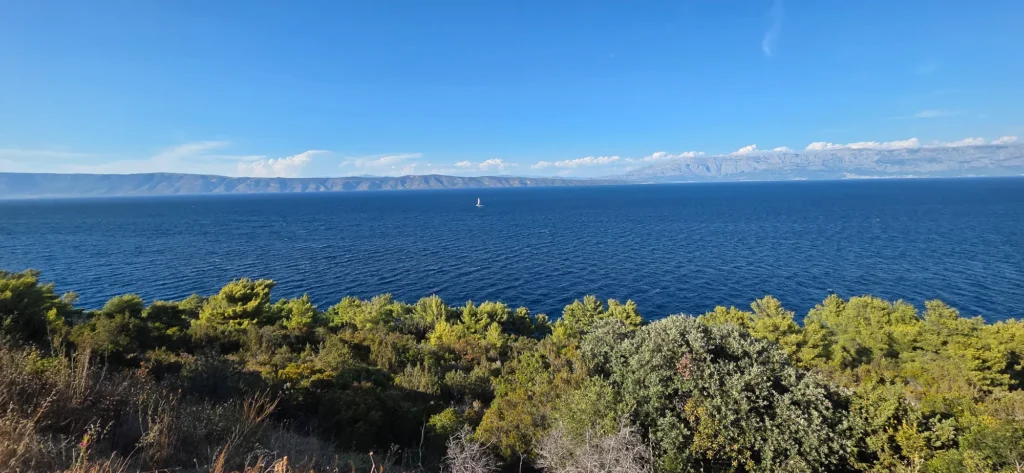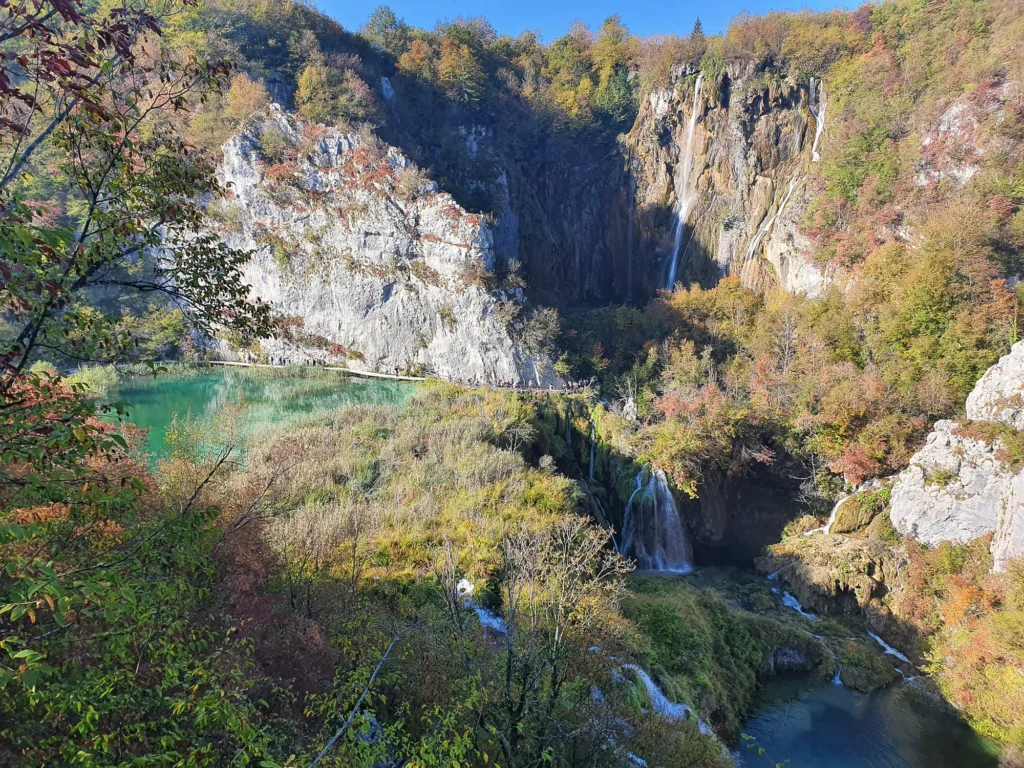
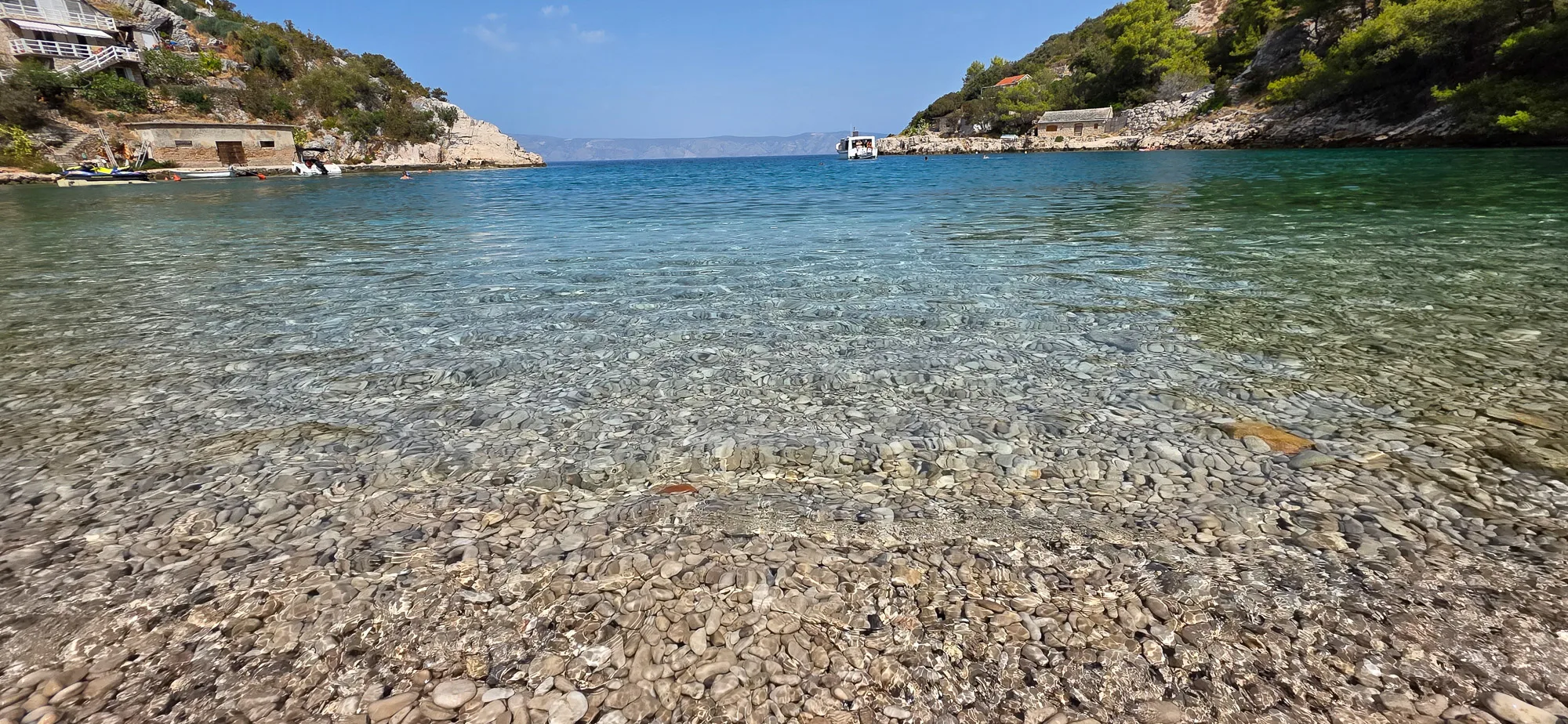
Croatia’s coastline is famous for clear Adriatic water, but the best beach for your trip depends on what you actually want: a shallow sandy shore for children, a pine-backed pebble beach, a dramatic cove reached on foot, a lively town beach, or a quiet island bay. Most Croatian beaches are pebbly, rocky or a mix of the two, and that is one reason the water often looks exceptionally clear.
Best beaches in Croatia at a glance
- Best iconic beach: Zlatni Rat on Brač
- Best for a classic pebble-and-pine setting: Punta Rata in Brela
- Best dramatic cove: Stiniva on Vis
- Best family-friendly sandy beach: Rajska Plaža on Rab
- Best shallow sandy lagoon: Queen’s Beach in Nin
- Best remote island feel: Sakarun on Dugi Otok
- Best city beach: Bačvice in Split
- Best beach with Dubrovnik views: Sveti Jakov
- Best Istrian nature setting: Cape Kamenjak coves near Pula
- Best easy beach-and-old-town combination in Istria: Lone Bay in Rovinj
What to know about Croatian beaches before you go
Visitors expecting long stretches of soft sand are often surprised by Croatia. Much of the coast is limestone, so pebble beaches, rocky bathing platforms and compact coves are more common than sand. Water shoes are useful on many shores, especially where rocks are sharp or sea urchins are present.
Shade also varies. Some beaches sit beneath pine trees, while others are exposed for much of the day. In July and August, bring sun protection and water even if you plan to use a beach bar. Facilities, parking arrangements and seasonal services can change from year to year, so check the local tourism board when those details matter.
1. Zlatni Rat, Brač
Zlatni Rat near Bol is Croatia’s most recognizable beach. Its long tongue of pale pebbles projects into the Adriatic and subtly changes shape with wind, waves and currents. It is excellent for travelers who want a famous beach with plenty of activity rather than isolation.
The water becomes deep enough for confident swimming, and the exposed position also makes the area popular for wind-based water sports. Visit early in the day in peak summer if you want more space.
2. Punta Rata, Brela
Punta Rata combines smooth pebbles, transparent water and mature pine trees along the Makarska Riviera. Brela has several kilometres of connected beaches and a coastal promenade, so it works especially well for travelers who like to alternate swimming with easy seaside walks.
The setting is polished and popular rather than wild, but the combination of mountain backdrop, shade and easy access makes it one of the most complete beach experiences on the mainland.
3. Stiniva, Vis
Stiniva is a narrow cove enclosed by high rock walls on the island of Vis. The tiny opening toward the sea gives it a natural amphitheater feel. Its beauty comes with a trade-off: access from land involves a steep path, while arriving by boat is easier but can make the cove feel busy at popular times.
It suits active travelers who value scenery more than convenience.
4. Sakarun, Dugi Otok
Sakarun is one of northern Dalmatia’s most distinctive beaches, known for pale pebbles and sand-like shallows that create bright turquoise water. The surrounding island is much quieter than the main coastal cities, so the beach works well as part of a slower Dugi Otok stay.
It is especially appealing for families and travelers who prefer gradual entry into the sea.
5. Queen’s Beach, Nin
Queen’s Beach near Nin offers a very different experience from the classic Croatian pebble shore. The water is shallow for a long distance, the setting is open and lagoon-like, and the sandy seabed makes it popular with families.
Because the beach is exposed, windy days feel very different from calm ones. The broad shallows are the main attraction rather than snorkeling or deep-water swimming.
6. Rajska Plaža, Lopar, Rab
Rajska Plaža, often called Paradise Beach, is one of Croatia’s best-known sandy beaches. Its long shallow approach suits younger children and people who prefer easy entry rather than steep drop-offs.
The beach is developed and busy in summer, so choose it for convenience and family facilities rather than solitude.
7. Dubovica, Hvar
Dubovica is a sheltered pebble cove on Hvar with stone houses clustered close to the water. Compared with Hvar Town’s lively waterfront, the atmosphere feels much more compact and relaxed.
Access from the road involves walking downhill, so pack lightly and expect the return climb to take more effort in hot weather.
8. Pasjača, Konavle
Pasjača lies below dramatic cliffs south of Dubrovnik in the Konavle region. Reaching it requires descending a long staircase and path cut into the rock, which is part of the experience.
The beach is best for mobile travelers who want dramatic scenery. It is not the practical choice for strollers, heavy beach equipment or anyone who struggles with stairs.
9. Sveti Jakov, Dubrovnik
Sveti Jakov gives you a beach day with a memorable view back toward Dubrovnik’s historic core and Lokrum. It feels more removed from the Old City than Banje, while still being close enough to combine swimming with sightseeing.
Expect steps and an uphill return. The reward is one of the strongest city-and-sea combinations on the southern coast.
10. Banje, Dubrovnik
Banje is Dubrovnik’s classic city beach. Its main advantage is location: you can leave the historic center and be by the water quickly, with the city walls and old harbor forming part of the view.
It is popular and commercial, especially in summer, but it is hard to beat for travelers with limited time who want sightseeing and swimming on the same day.
11. Bačvice, Split
Bačvice is unusual for Croatia because it is a sandy urban beach within easy reach of central Split. The shallow water is associated with picigin, the local ball game traditionally played in the sea.
Come for atmosphere and local life rather than a remote-beach experience. Early morning is a good time if you want a calmer swim.
12. Vela Pržina, Lumbarda, Korčula
Vela Pržina near Lumbarda is one of the better-known sandy beaches on Korčula. It is particularly useful for travelers staying near Korčula Town who want a softer, shallower beach than the island’s many rocky coves.
Lumbarda also makes a strong base for combining beach time with vineyards, cycling and a quieter village atmosphere.
13. Saplunara, Mljet
Saplunara on Mljet is known for sandy bays and pine-backed surroundings. It sits away from the island’s better-known national park area, so reaching it makes most sense for travelers staying on Mljet rather than rushing through on a day trip.
The landscape feels softer and more secluded than many of Croatia’s exposed pebble beaches.
14. Lubenice Beach, Cres
Below the hilltop village of Lubenice lies a striking pale-pebble beach backed by steep terrain. The view from above is part of the appeal, but the descent is demanding and the climb back can be strenuous in summer heat.
For most travelers, the beach is best treated as a proper outing rather than a casual roadside swim.
15. Lone Bay, Rovinj
Lone Bay sits beside the forest park south of Rovinj’s old town and is one of the easiest places in Croatia to combine a refined coastal town with a relaxed beach day. The shore is mostly pebble and rock, with wooded paths nearby.
If Rovinj is part of your trip, see the Rovinj travel guide for more ideas around town and the surrounding coast.
16. Cape Kamenjak coves, Istria
Cape Kamenjak, south of Pula, is less about one single beach and more about choosing among rocky coves, clear-water swim spots and exposed headlands. It is a good choice for travelers who prefer exploring several bathing places in one day.
The terrain is rugged in places, so water shoes are useful. Combine the coast with the Pula travel guide if you are using Pula as your base.
17. Ambrela Beach, Pula
Ambrela is a practical choice in Pula for travelers who want a maintained beach with straightforward access rather than a remote cove. The water is typically clear, and the broader Verudela area offers several other swimming spots within a short distance.
It works especially well for families staying in or near Pula.
18. Mali Bok, Cres
Mali Bok is a small cove below steep island slopes on Cres. The beach is visually impressive, but access is part of the challenge and natural shade is limited.
Bring enough water and avoid treating remote coves like this as fully serviced beaches.
19. Zrće, Pag
Zrće is best known for beach clubs and nightlife near Novalja, but during the day it is still a large pebble beach with a very different character from Croatia’s quiet coves. It suits travelers who want swimming, music and an energetic social scene in one place.
For a quieter stay on Pag, explore other beaches around the island rather than assuming Zrće represents the whole destination.
20. Nugal, Makarska Riviera
Nugal sits beneath steep slopes between Makarska and Tučepi and is reached on foot rather than by simply parking beside the water. The walk and secluded setting give it a more natural feel than the main resort beaches.
Wear suitable shoes for the approach and travel light.
Best Croatian beaches for families
For families with small children, shallow water and easy entry usually matter more than dramatic scenery. Queen’s Beach in Nin, Rajska Plaža on Rab, Sakarun on Dugi Otok and Vela Pržina on Korčula are strong choices. Sandy and shallow beaches can become crowded in high season, so an early start helps.
Best beaches for couples
Couples looking for atmosphere rather than facilities may prefer Dubovica, Stiniva, Sveti Jakov, Saplunara or one of the smaller coves around Cape Kamenjak. Staying overnight on an island usually gives you a much calmer experience than arriving on a midday excursion.
Best beaches without a car
Bačvice in Split and Banje in Dubrovnik are among the easiest major beaches to combine with a city stay. Lone Bay is also walkable from central Rovinj for many visitors. On islands, car-free travel can work well if you choose accommodation close to the town or beach you actually plan to use.
When is the best time for a beach holiday in Croatia?
June and September often offer the best balance of warm weather, swimmable sea and fewer crowds than the busiest weeks of July and August. July and August bring the most reliable beach weather and the widest range of seasonal services, but famous beaches can be very busy. Late May and early October can be excellent for coastal walks and sunny days, although sea temperature and weather are less predictable.
How to choose the right Croatian beach
Do not choose purely from photographs. A spectacular remote cove may involve a steep hike, no shade and few services, while a less dramatic town beach may be far better for a family with children or a short city break. Match the beach to your mobility, transport, preferred water depth and tolerance for crowds.
Final thoughts
Croatia’s strongest beach trips usually combine different styles: one easy town beach, one classic pebble-and-pine shore, and one quieter cove or island beach. That gives you a much better sense of the Adriatic coast than chasing a single famous name.
Plan your trip
Planning your trip to Croatia?
Explore practical guides, destinations and travel tips before you go.