Where you stay in Croatia can shape the entire trip. A base that looks perfect on a map may be inconvenient without a car, while a famous old town can be wonderful for atmosphere but awkward for parking, luggage or day trips. The best choice depends on whether you want beaches, islands, nightlife, family-friendly convenience, historic cities, road-trip flexibility or a quieter inland escape.
This guide focuses on choosing the right region and base rather than listing individual hotels. CroatiaPoint’s broader architecture is designed around regions and destinations, so start with the part of the country that matches your trip, then choose the town, island or rural base that makes daily travel easy.
Quick guide: the best places to stay in Croatia by trip style
- First coastal trip: Split, Dubrovnik, Rovinj, Zadar or a combination of two regions.
- Road trip: Istria, Kvarner, Northern Dalmatia and Central Croatia are particularly flexible with a car.
- Island holiday: choose one major island base rather than changing islands every day.
- Without a car: stay close to a bus station, ferry port or walkable centre in a well-connected city.
- Families: prioritise easy beach access, parking, kitchens or family rooms, and shorter daily transfers.
- Couples: historic centres, boutique hotels, island towns and wine regions offer very different but strong options.
- Quiet nature: Gorski Kotar, inland Istria, Central Croatia, Slavonia and less-developed islands offer slower stays.
- Food and wine: Istria, Pelješac, Korčula, Zagreb, Baranja and Slavonia are excellent choices.
If you are still building the route, compare this guide with the Croatia itineraries and Croatia road trip pages before booking accommodation.
How to choose the right base in Croatia
Before choosing a town, ask five practical questions:
- Will you have a car? This changes what is realistic, especially for rural areas and old towns.
- How many nights are you staying? A two-night city break needs a different base from a seven-night beach holiday.
- Do you want to move every few days or stay in one place? Croatia rewards both approaches, but they create different accommodation priorities.
- Are ferries part of the trip? If yes, check the actual passenger or car-ferry port before booking.
- What matters most each day? Beach access, nightlife, parking, restaurants, quiet, ferry access or day trips should drive the decision.
One of the most common planning mistakes is booking the “prettiest” old-town location without checking logistics. Historic centres can involve pedestrian zones, stairs, distant parking and restricted vehicle access. That may be ideal for a short romantic stay and frustrating for a family arriving with a car and several suitcases.
Where to stay in Istria
Istria is one of Croatia’s easiest regions for a one-base holiday, especially with a car. The peninsula combines coastal towns, beaches, hill towns, wineries and rural restaurants within manageable driving distances.
Rovinj
Rovinj is one of the strongest all-round bases in Istria if atmosphere, restaurants and a walkable old town matter most. Staying close to the centre is convenient without a car, while accommodation slightly outside the old town can offer easier parking and beach access.
Pula
Pula works well for travellers who want a larger town, Roman heritage and convenient access to southern Istria. It is a practical base for combining city sightseeing with nearby beaches and day trips.
Poreč and western Istria
Poreč is a strong choice for resort-style stays, families and travellers who want to explore the western coast. The surrounding area has a wide mix of hotels, apartments and campsites.
Inland Istria
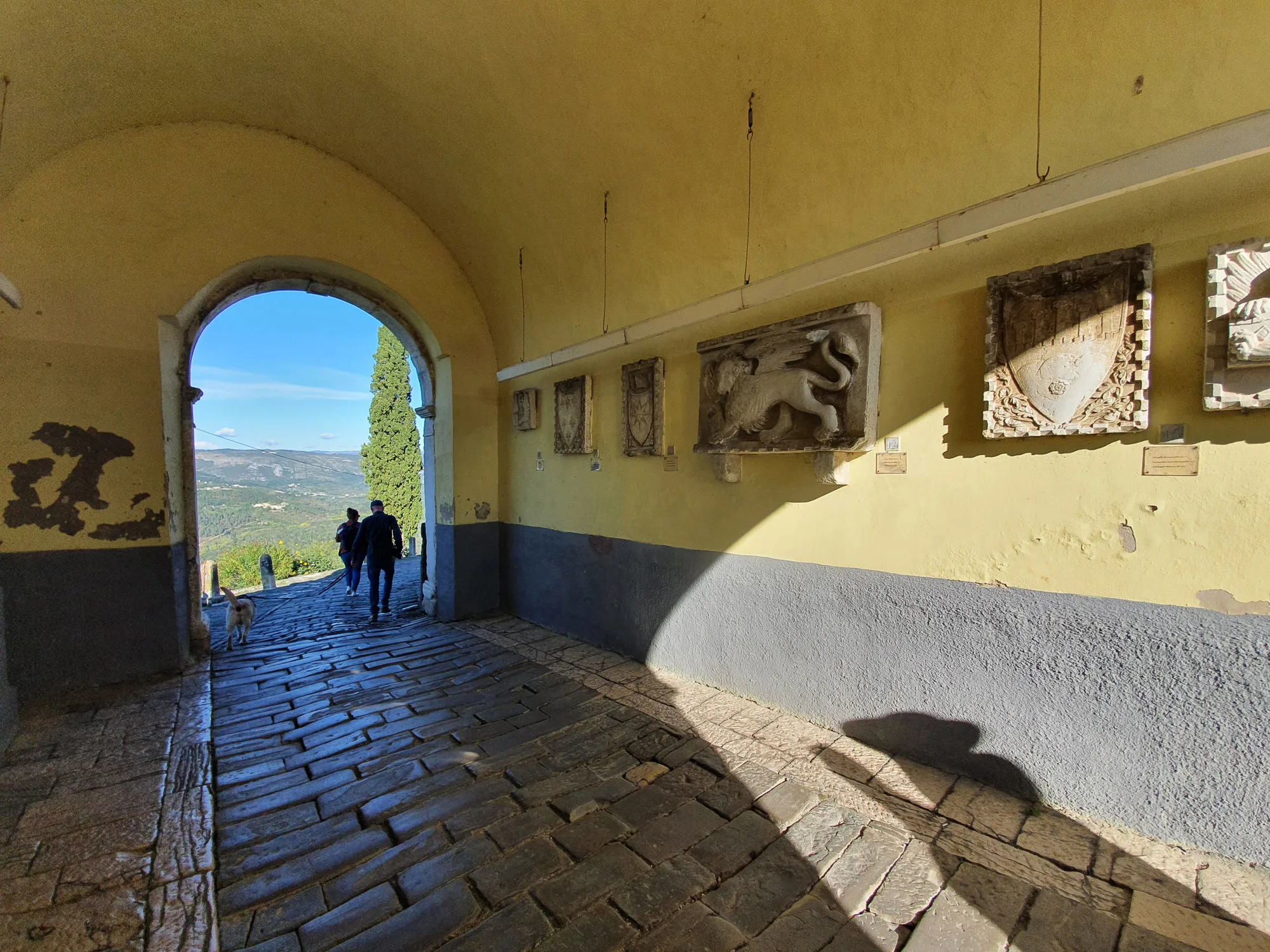
Motovun, Grožnjan, central Istria and the countryside are better for slow travel, wine, truffles, cycling and villa stays. A car is usually the practical choice here.
Istria is particularly suitable if you want one accommodation base and regular day trips rather than changing hotels every two nights.
Where to stay in Kvarner
Kvarner combines urban Rijeka, elegant Opatija, mainland resorts, islands and the mountains of Gorski Kotar.
Rijeka
Rijeka is the most practical transport-oriented base in the region. It works well for travellers using buses, ferries and city services, and it has a more urban feel than a classic resort.
Opatija
Opatija suits travellers looking for seafront promenades, historic hotels, wellness stays and easy access to the Kvarner mainland. It is a strong choice for couples and shorter stays.
Krk and other islands
Krk is convenient because it is connected to the mainland by bridge, while other Kvarner islands require ferry planning. Island accommodation makes most sense when the island itself is a major part of the holiday rather than a place you intend to leave every morning.
Gorski Kotar
For forest, hiking and cooler summer temperatures, Gorski Kotar offers cabins, guesthouses and smaller rural stays. It is a completely different experience from the Adriatic coast and is best with a car.
Where to stay in Northern Dalmatia
Northern Dalmatia is one of the easiest regions for mixing historic towns, islands and national parks.
Zadar
Zadar is the strongest all-purpose base if you want a walkable old town, ferry connections, buses and day-trip options. Staying near the peninsula is convenient for sightseeing, while neighbourhoods outside the historic core may offer easier parking and more space.
Šibenik
Šibenik is an excellent base for travellers who want a smaller historic city and easy access to the central part of the region. It works especially well for combining old-town sightseeing with coastal excursions.
Smaller coastal towns
Vodice, Biograd na Moru, Primošten and other smaller resorts can be better than a city if your priority is beach time, a marina atmosphere or a slower evening rhythm.
Islands
Dugi Otok, Pag, Ugljan and Pašman each offer very different stays. When choosing an island base, check whether you need a vehicle, how frequent the ferry connection is for your dates and whether you plan to spend most days on the island itself.
Where to stay in Central Dalmatia
Central Dalmatia is one of Croatia’s most popular regions because Split, nearby historic towns, the Makarska Riviera and major islands can all be combined in one trip.
Split
Split is the most versatile base in Central Dalmatia. It combines a major bus station, ferry port, rail terminus, airport connections, restaurants, nightlife and day trips. It is especially practical for travellers without a car.
Accommodation inside or immediately around the historic core is best for short stays and evening atmosphere. Travellers with cars should pay close attention to parking before booking.
Trogir
Trogir is smaller and more compact than Split and can work very well for a short historic stay or as a base near Split Airport. It is atmospheric but less useful than Split if you want a large choice of ferry departures.
Makarska Riviera
The Makarska area is ideal for travellers who want beaches and a resort-style coastal holiday with dramatic mountain scenery. It is a better fit for long beach stays than for visitors who want daily urban sightseeing.
Brač, Hvar, Vis and Šolta
Central Dalmatia’s islands are best treated as destinations, not just day-trip checkboxes. Hvar offers lively towns and polished hospitality, Brač provides a broad mix of beaches and villages, Vis feels more remote, and Šolta offers a quieter alternative close to Split.
Where to stay in Southern Dalmatia
Southern Dalmatia is dominated by Dubrovnik but also includes Cavtat, Pelješac, Korčula, Mljet and smaller coastal areas.
Dubrovnik
Staying in or near Dubrovnik’s Old Town maximises atmosphere and makes evening sightseeing easy, but it can involve stairs, pedestrian access and difficult parking. Areas outside the walls often offer more space, easier vehicle access and different views while remaining close to the historic centre.
Cavtat
Cavtat is a strong alternative for travellers who want a smaller seaside base with access to Dubrovnik. It can also suit people who prefer a calmer stay rather than being inside the busiest visitor zone.
Korčula and Pelješac
Korčula is attractive for an island stay combining historic towns, beaches and local food, while Pelješac suits road trips, wine-focused travel and quieter coastal bases. Check ferry logistics carefully if combining the two.
Mljet
Mljet is best for nature-oriented travellers who are comfortable with a slower pace. Accommodation choice is more limited than in major cities, so booking strategy matters more in peak periods.
Where to stay in Zagreb and Central Croatia
Zagreb and Central Croatia offer a different experience from the coast.
Zagreb
Zagreb is best for museums, food, nightlife, events and an urban break. A central location reduces the need for a car because the city has extensive public transport. If Zagreb is the start or end of a road trip, consider whether you really need to collect the rental car before leaving the city.
Central Croatia
Smaller towns, rural estates, thermal-spa areas and countryside stays suit travellers looking for a slower inland experience. A car is generally the easiest way to connect multiple locations.
Where to stay in Slavonia and Eastern Croatia
Slavonia and Eastern Croatia are especially rewarding for food, wine, rivers, rural travel and cities such as Osijek and Vukovar.
Osijek is the strongest city base for a first visit to the region. For wine and countryside experiences, smaller rural stays in Baranja and other wine areas are often more atmospheric, but a car gives far more flexibility.
Should you stay on an island or the mainland?
This is one of the most important accommodation decisions in Croatia.
Choose an island stay if:
- the island is a major reason for your trip;
- you want slower evenings after day-trippers leave;
- you are happy to organise ferries around fixed dates;
- you want beaches, villages and island landscapes to be part of everyday life.
Choose a mainland base if:
- you want many different day trips;
- you have an early flight or long onward transfer;
- you prefer more transport flexibility;
- you are visiting several islands only as day trips.
A common mistake is trying to “do” several islands in a few days. Two or three nights on one island often gives a better experience than constantly transferring between ports.
Hotels, apartments, villas or campsites?
Hotels
Hotels are best for travellers who value reception services, breakfast, housekeeping, facilities and predictable service standards. Resort hotels can work especially well for beach holidays and families.
Apartments
Apartments are widespread throughout Croatia and are useful for longer stays, families and travellers who want kitchen facilities. Always check parking, stairs, check-in arrangements and whether the advertised location is inside a pedestrian old town.
Villas and holiday homes
Villas suit groups, families and travellers seeking privacy, particularly in Istria, Dalmatia and rural areas. A car is often essential when the property is outside a town.
Campsites
Croatia has a strong camping tradition, especially along the Adriatic. Campsites range from simple pitches to large resort-style properties with mobile homes and extensive facilities. For peak summer, popular coastal sites can require early planning.
Where to stay without a car
If you will not rent a car, choose accommodation based on transport rather than scenery alone.
- Stay within a practical walk of the bus station or ferry port.
- Check whether the airport connection serves your neighbourhood.
- Look at supermarket and restaurant access if staying more than a few nights.
- Avoid isolated villas unless transfers are arranged.
- On islands, confirm local bus frequency before booking far from the main town.
Split, Dubrovnik, Zadar, Zagreb and Rijeka are among the easiest larger bases for car-free travel.
Where to stay with kids
For family travel, convenience often matters more than being directly inside the historic centre. Useful features include easy beach access, shade, a kitchen or family room, parking, laundry facilities and short transfers. The Croatia with kids guide can help with broader trip planning.
Where to stay for couples
Couples can choose between very different styles: a stone guesthouse inside a historic town, a seafront hotel, an island retreat, a wine-country villa or a Zagreb city break. The best choice depends on whether your priority is beaches, dining, nightlife, privacy or sightseeing. See the Croatia for couples guide.
One base or several?
For a one-week trip, one or two strong bases are often enough. For ten to fourteen days, two to four bases can make sense if you are moving between regions. Changing accommodation every night usually creates more packing and transport time than sightseeing value.
A useful rule is to ask whether moving accommodation will save meaningful travel time. If the answer is no, stay put and take a day trip.
When should you book accommodation?
The most desirable accommodation in famous coastal towns, islands and resort areas can fill early for July and August. Outside peak summer, availability is usually better, but some seasonal properties may close or reduce services.
Instead of using one booking rule for the entire country, book according to how constrained your trip is. If you need a specific island, family-sized apartment, villa, accessible room or parking space on fixed dates, book earlier. If you are flexible about location and room type, you can usually keep more freedom.
Frequently asked questions
What is the best area to stay in Croatia for a first visit?
For many first-time visitors, Split, Dubrovnik, Istria or Zadar provide the easiest combination of major sights, transport and day trips. The best choice depends on how many days you have and whether you want islands or a road trip.
Is it better to stay in Split or Dubrovnik?
Split is the stronger transport hub for Central Dalmatia and island ferries, while Dubrovnik offers one of Croatia’s most distinctive historic-city experiences and is the main base for Southern Dalmatia.
Should I stay in an old town?
Stay in the old town if atmosphere and walking access matter most. Stay just outside if you need easier parking, larger rooms, simpler luggage access or quieter nights.
Do I need a car for Croatia?
No, but a car expands your accommodation choices. Without one, stay close to transport hubs. With one, rural villas, inland towns and smaller coastal areas become much easier.
How many bases do I need for a 10-day Croatia trip?
Usually two or three well-chosen bases are enough. More can work, but frequent hotel changes can reduce the time available for beaches, sightseeing and meals.
Bottom line: the best place to stay in Croatia is not simply the most famous destination. Choose a base that matches your transport, trip length and daily priorities. A well-located apartment in the right town can make a trip easier than a more luxurious property in the wrong place.
Plan your trip
Planning your trip to Croatia?
Explore practical guides, destinations and travel tips before you go.