The best time to visit Croatia depends on what you want from the trip. Summer brings the warmest sea, the fullest ferry schedules and the liveliest coastal atmosphere, while spring and autumn are often better for sightseeing, road trips, hiking and exploring historic towns without peak-season crowds.
Croatia also has several distinct climates. The Adriatic coast has a Mediterranean character, while Zagreb and inland Croatia experience more continental conditions, and mountain areas can be much cooler. This guide explains the seasons, month-by-month travel conditions and the best periods for beaches, islands, cities, nature and different types of holidays.
When Is the Best Time to Visit Croatia?
For the broadest mix of good weather, manageable crowds and active coastal services, late May through June and September are excellent choices for many travellers. These periods usually allow you to combine sightseeing with beach time while avoiding the intensity of the busiest weeks of July and August.
That does not make midsummer a bad time to visit. July and August are ideal if your priorities are swimming, boating, nightlife, festivals and a full summer resort atmosphere. They are simply the months when popular destinations are busiest and accommodation demand is highest.
For city breaks, food trips, road trips and cultural travel, April, May, October and parts of winter can also work very well.
Croatia by Season
Spring: March to May
Spring is one of the most rewarding periods for active and cultural travel. Days become longer, landscapes are green, and historic towns are easier to explore than during peak summer heat.
March can still feel cool and changeable, especially inland and in the north. April is more comfortable for sightseeing and road trips, while May often brings increasingly warm and settled conditions along the coast.
Spring is particularly good for Istria, Zagreb, national parks, cycling, hiking and trips built around food and wine. Sea temperatures are cooler than in summer, so travellers whose main priority is long swimming days may prefer June onward.
Summer: June to August
Summer is Croatia’s main coastal travel season. Beaches, islands, marinas and historic seaside towns are at their liveliest, and seasonal tourism services operate at their widest level.
June offers long days and a strong summer feel before the busiest part of the school-holiday season. July and August bring the highest demand in Dubrovnik, Split, Rovinj, Hvar and many other famous coastal destinations.
If travelling in midsummer, book accommodation and major transport in advance, schedule outdoor sightseeing earlier in the morning or later in the afternoon, and leave extra time for traffic and parking in popular coastal areas.
Autumn: September to November
September is one of the easiest months for combining coastal travel with sightseeing. The sea retains summer warmth, many seasonal services continue, and the atmosphere begins to relax after the busiest weeks.
October can be excellent for Istria, Zagreb, road trips, food and wine travel, but the weather becomes less predictable and some island and resort services reduce. November shifts the focus more strongly toward cities, cultural travel and inland destinations.
Autumn also suits travellers interested in harvest-season food, wine and regional experiences.
Winter: December to February
Winter Croatia is a different kind of trip. Coastal resorts are quiet, many seasonal businesses close, and island connections can be less frequent. In return, cities and historic centres feel more local and accommodation can be easier to find outside holiday periods.
Zagreb is the strongest year-round city-break option, while Split, Dubrovnik, Rijeka, Zadar, Pula and other larger coastal cities still have permanent local life beyond tourism.
Winter is not the best choice for a classic beach holiday, but it can suit travellers who prefer museums, architecture, food, cafés and slower sightseeing.
Croatia Month by Month
January
January is quiet on the coast and cool inland. It is best suited to Zagreb, cultural trips and travellers who actively prefer a low-season atmosphere. Many seasonal island and resort businesses are closed.
February
February remains firmly off-season but can be interesting for city breaks and local cultural events. Coastal weather may alternate between mild sunny periods and colder, windy or rainy conditions.
March
March marks the beginning of spring travel. It is still too early to rely on beach weather, but sightseeing, walking and road trips become more appealing as daylight increases.
April
April is a strong month for exploring historic towns, Istria, Zagreb and national parks. Weather can still change quickly, so flexible plans and layered clothing are useful.
May
May is one of the best months for a mixed Croatia trip. Coastal destinations are active, temperatures are comfortable for sightseeing, and beach days become increasingly possible. The sea may still feel cool for travellers accustomed to very warm water.
June
June combines summer weather with long daylight hours and is particularly good for islands, swimming, sailing and coastal road trips. It is often easier to travel than during the peak weeks of July and August.
July
July is hot, lively and busy. It is ideal for travellers who want beaches, boats, nightlife and a full summer atmosphere. Reserve high-demand accommodation early and expect crowding in famous historic centres.
August
August is another peak month and is often the busiest period in coastal Croatia. The sea is warm and nearly every summer-oriented destination is fully active. Travellers who dislike heat and crowds may prefer June or September.
September
September is one of Croatia’s most versatile travel months. Beach conditions can remain excellent, the sea is still warm, and sightseeing is generally easier than at the height of summer.
October
October is well suited to road trips, cities, food and wine travel, hiking and Istria. Beach weather is less dependable and some seasonal ferry or excursion services may operate less frequently.
November
November is quiet and more suitable for urban and cultural travel than for a traditional Adriatic holiday. Zagreb and larger cities make better bases than seasonal resort towns.
December
December works best for festive city breaks, local food and winter atmosphere. Zagreb is the obvious centre for a winter itinerary, while larger coastal cities can be attractive for a quieter short stay.
Best Time for Beaches and Swimming
If swimming is the main purpose of your trip, plan for June through September. July and August provide the most dependable classic summer conditions, while June and September can offer a better balance between beach time and sightseeing.
May and early October can produce beautiful beach days, but conditions are less predictable and the sea may feel cool outside the main summer period.
Best Time for Croatian Islands
The islands are easiest to explore during the main coastal season when ferries, catamarans and visitor services are most active. June and September are particularly attractive for travellers who want island life without the greatest midsummer pressure.
July and August are excellent for sailing, nightlife and beach-focused island trips, but popular islands such as Hvar, Brač, Korčula and Krk are much busier.
Outside the main season, always confirm ferry schedules before booking accommodation because some connections operate less frequently.
Best Time for Dubrovnik and Split
Dubrovnik and Split can be visited year-round, but the experience changes dramatically with the season.
For extensive sightseeing on foot, April, May, late September and October are comfortable choices. June combines good sightseeing conditions with summer energy, while July and August suit travellers who want the cities as part of a broader beach or island holiday.
In midsummer, start major sightseeing early and use the middle of the day for lunch, swimming or a break from the heat.
Best Time for Istria
Istria has a particularly long travel season because its appeal extends beyond beaches. Rovinj, Pula and Poreč are busiest in summer, but inland towns, wine routes, olive oil, cycling and food travel make spring and autumn equally interesting.
May, June, September and October are excellent for combining the coast with Motovun, Grožnjan, Pazin and rural Istria.
Best Time for Zagreb
Zagreb is a genuine year-round destination. Spring and early autumn are comfortable for parks and walking, summer is quieter than the coast in terms of international tourism patterns, and winter brings a very different city-break atmosphere.
If Croatia is part of a wider Central European trip, Zagreb can be included in almost any month.
Best Time for National Parks
Spring and autumn are often the most comfortable periods for walking in Croatia’s national parks, particularly where summer heat can make exposed routes tiring.
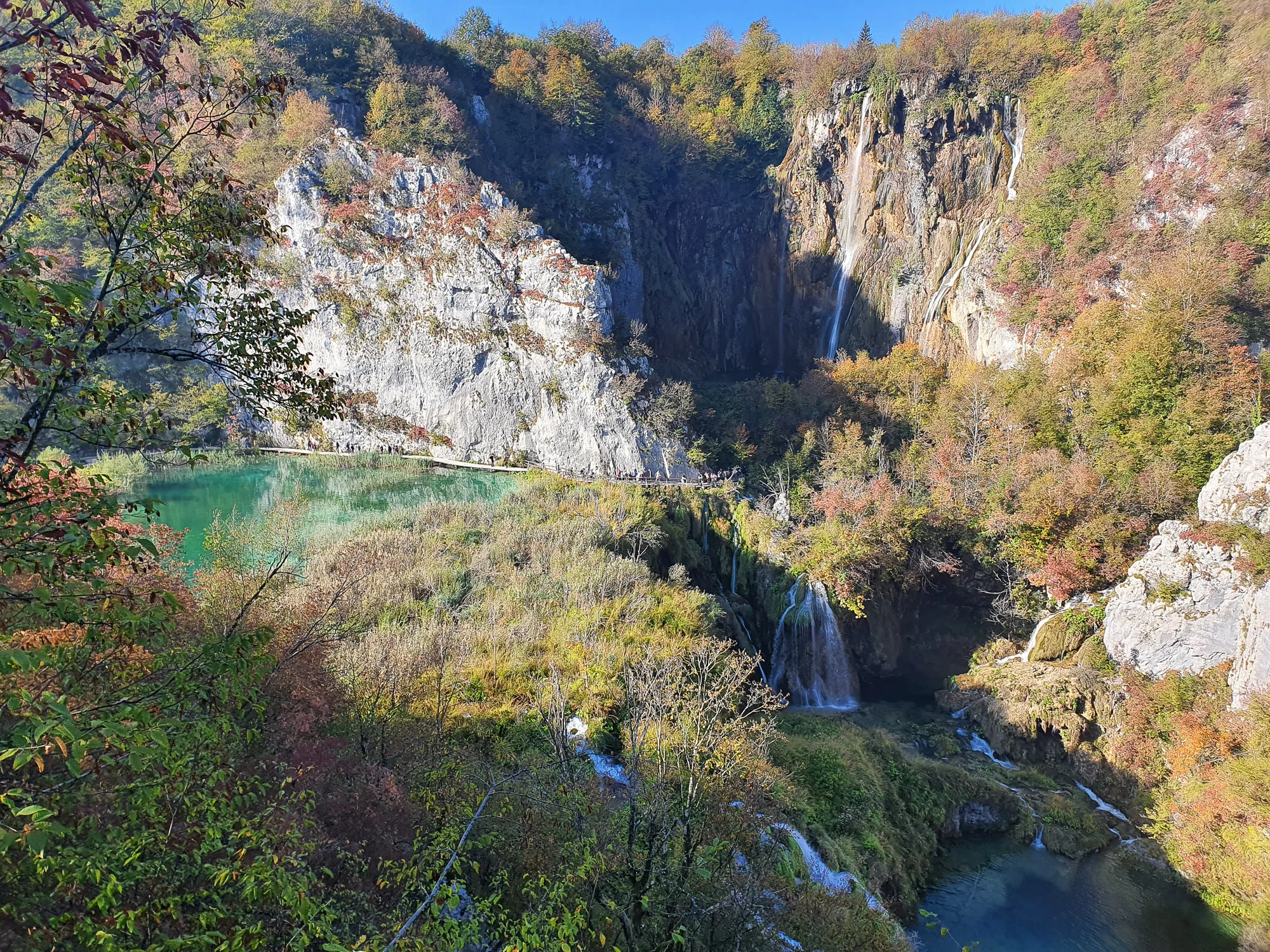
Plitvice Lakes can be impressive in every season, while Paklenica and mountain areas require more careful attention to weather and trail conditions. Krka is easy to combine with a Dalmatian itinerary, but summer visits are busiest.
Always check the official park website shortly before visiting for current entrances, trail conditions, tickets and any temporary restrictions.
Best Time for Hiking and Cycling
April, May, late September and October are among the strongest periods for active travel. Temperatures are generally more comfortable than in midsummer, especially on exposed trails and cycling routes.
Summer hiking is still possible, particularly at elevation, but early starts, sun protection and sufficient water are essential. Mountain weather can change quickly even when the coast is hot and sunny.
Best Time for Sailing
The main sailing season follows the warmer months. June and September are popular with travellers who want warm weather and active marinas without the most intense peak-season conditions. July and August provide the fullest summer atmosphere but also the greatest demand.
Wind and sea conditions matter more than the calendar alone, so always follow current marine forecasts and professional guidance.
Best Time for Food and Wine Travel
Croatia is interesting for food throughout the year, but spring and autumn are particularly rewarding for travellers who want regional produce, wineries and slower countryside travel.
Istria is excellent for wine, olive oil and seasonal food experiences. Pelješac, Korčula and other wine areas fit naturally into autumn coastal trips, while Baranja and Slavonia offer a completely different continental food and wine experience.
Best Time for Families
Families tied to school holidays will naturally focus on July and August. In that case, choosing accommodation close to the beach and limiting long transfer days can make the trip much easier.
Families with flexibility may prefer June or early September, when beach conditions are strong but many destinations feel less intense than at peak season.
Best Time for Couples
May, June, September and early October work particularly well for couples combining historic towns, food, wine and coastal scenery. These months make it easier to enjoy places such as Rovinj, Dubrovnik, Korčula, Hvar and Motovun without relying entirely on beach weather.
Best Time for Budget Travel
Prices and availability vary by destination, but the highest-demand coastal weeks are usually the least forgiving for travellers on a tight budget. Shoulder-season trips can offer more accommodation choice and make it easier to stay in central locations.
Winter can be economical in cities, but cheap accommodation alone does not make a good island trip if the restaurants, excursions or ferry connections you want are not operating.
When to Avoid Croatia
There is no month when Croatia should universally be avoided. The wrong time depends on your priorities.
- Avoid July and August if you strongly dislike heat, crowds and high accommodation demand.
- Avoid deep winter if your main goal is beaches, island hopping and coastal nightlife.
- Avoid very early spring if guaranteed swimming weather is essential.
- Avoid an inflexible shoulder-season island plan unless you have checked ferry and business opening schedules.
Shoulder Season vs Peak Season
For many independent travellers, shoulder season is the best compromise. You still have an active tourism infrastructure, but sightseeing and driving are often easier.
Peak season has its own advantages: the warmest sea, the widest range of tours and excursions, the fullest nightlife and the classic Adriatic summer atmosphere. The right choice depends on whether you value energy and beach conditions more than space and flexibility.
Weather Differences Across Croatia
Do not assume the weather in Dubrovnik represents the whole country. Coastal Croatia has a strong Mediterranean influence, Zagreb and the continental interior have hotter summers and colder winters than many coastal areas, and mountain regions are cooler and more changeable.
On a multi-region road trip, pack for variation. A sunny day on the coast does not guarantee the same conditions in the mountains or inland.
How to Choose Your Travel Dates
- Choose your main activity. Beaches and sailing point toward summer; hiking, cities and road trips favour spring or autumn.
- Choose your region. Istria, Dalmatia, Zagreb and eastern Croatia do not have identical seasonal rhythms.
- Check transport. Ferry and seasonal bus schedules can determine whether an island itinerary works.
- Check accommodation demand. Popular summer destinations should be booked earlier than shoulder-season city trips.
- Keep weather flexibility. Even in summer, wind, storms or heat can affect plans.
Frequently Asked Questions
What is the best month to visit Croatia?
For many travellers, June or September offers the best overall balance of warm weather, coastal activity and easier sightseeing. The best month still depends on whether beaches, cities, hiking or budget matter most.
Is May a good time to visit Croatia?
Yes. May is excellent for sightseeing, road trips, Istria, cities and nature. Swimming is possible on warm days, although the sea is cooler than in midsummer.
Is September a good time to visit Croatia?
Yes. September is one of the strongest all-round months because the sea remains warm, many coastal services continue and the busiest summer period has passed.
Is Croatia too crowded in July and August?
Popular destinations can be very busy, especially historic centres, famous beaches and island ports. A midsummer trip can still work well if you book early, start sightseeing at quieter times and include less-visited places.
Can you visit Croatia in winter?
Yes. Winter suits Zagreb, larger cities, food and cultural travel, but it is not the ideal season for a classic island-hopping or beach holiday.
The Best Time Depends on the Trip
If you want one simple recommendation, choose June or September for a first Croatia trip that mixes coast, islands and sightseeing. Choose July or August for a full beach-and-summer experience, and choose spring or autumn for road trips, hiking, cities, food and a slower pace.
Rather than searching for one perfect month, match the season to the part of Croatia you want to explore. That is the most reliable way to build a trip around the weather and experiences that matter to you.
Plan your trip
Planning your trip to Croatia?
Explore practical guides, destinations and travel tips before you go.