The best things to do in Croatia go far beyond spending a week on the beach. The country can deliver Roman ruins, medieval cities, island ferries, mountain trails, waterfalls, wine roads, seafood, wetlands and urban culture within a relatively compact area.
This guide focuses on experiences that are genuinely worth building into a trip, with enough variety to help you choose activities that match your route and travel style.
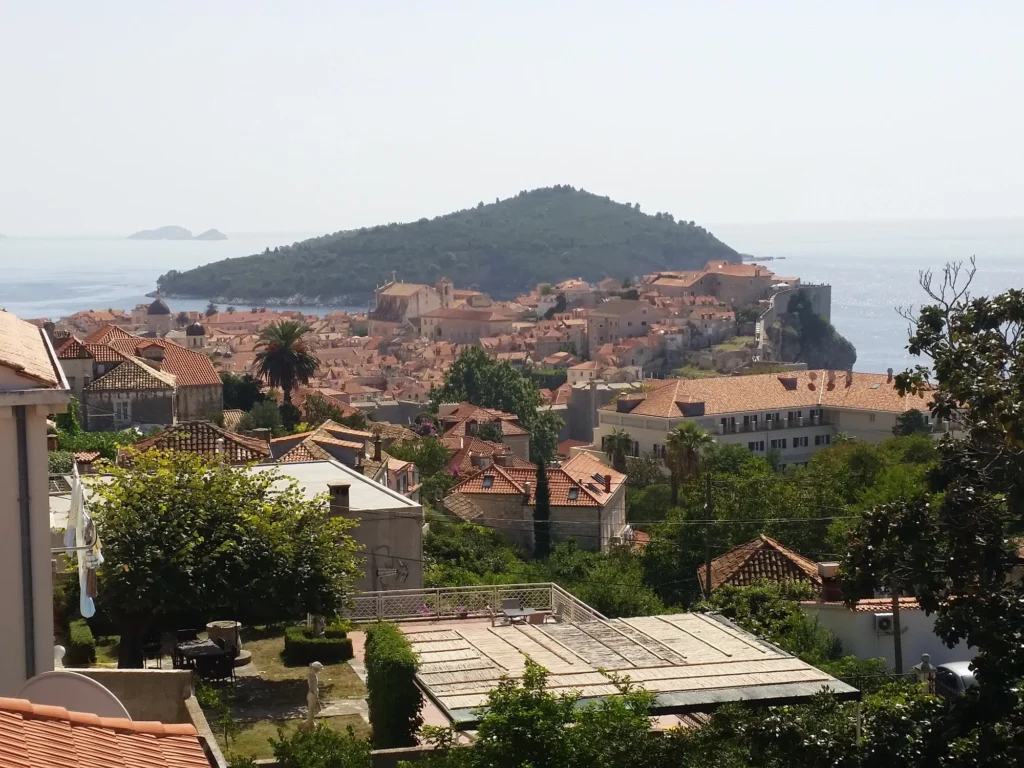
1. Walk Dubrovnik’s Historic Centre
Dubrovnik‘s stone streets, fortifications, churches, palaces and sea-facing setting make the Old Town one of Croatia’s defining urban experiences. Visit early or later in the day when possible, then allow time beyond the main streets to explore quieter lanes and viewpoints.
2. Explore Diocletian’s Palace in Split
Diocletian’s Palace is not a sealed archaeological site: it forms the living core of central Split. Roman structures, medieval buildings, cafés, homes and shops occupy the same dense network of streets.
Walk through the gates, explore the substructures and squares, then continue into the surrounding old neighbourhoods and waterfront.
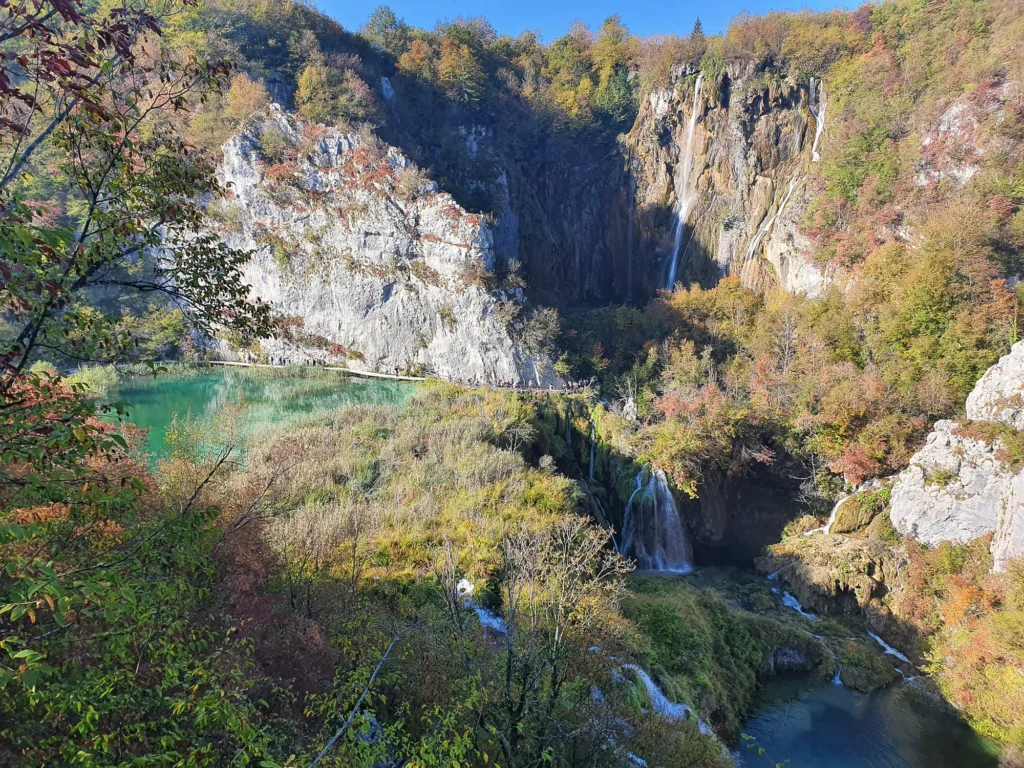
3. Spend a Day in Plitvice Lakes National Park
Plitvice is one of Croatia’s essential nature experiences. Forest paths and boardwalk routes reveal a landscape of lakes and waterfalls that feels completely different from the Adriatic coast.
Check the official park information before visiting because entrance arrangements, routes and operating conditions can change.
4. Go Island Hopping
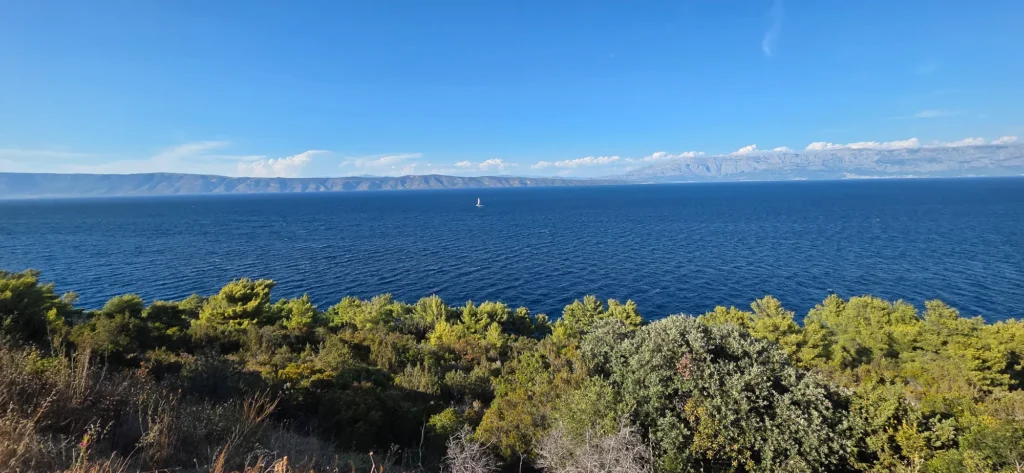
Island hopping is one of Croatia’s classic experiences, but it works best when planned around ferry routes rather than a wish list. Split is useful for several central Dalmatian islands, while Zadar, Šibenik, Dubrovnik and Kvarner ports open different island groups.
Consider staying several nights on one island instead of moving every day. Hvar, Brač, Vis, Korčula, Krk, Cres, Dugi Otok and Mljet all reward more than a quick arrival-and-departure visit.
5. Discover Rovinj’s Old Town
Rovinj’s peninsula rises toward the Church of St Euphemia through a network of narrow streets and stone houses. Walk to the top, explore the waterfront and then use Rovinj as a base for a wider Istrian trip.
6. See Pula’s Roman Amphitheatre
Pula’s amphitheatre is one of the clearest reminders that Croatia’s history extends far beyond its medieval coastal towns. Combine it with other Roman remains in the city and a trip through southern Istria.
7. Explore Istria’s Hill Towns
Leave the coast for Motovun, Grožnjan and smaller inland settlements. This is a landscape of hilltop towns, vineyards, olive groves and winding roads, and it works especially well for travellers with a car.
The experience is as much about moving slowly through the countryside as it is about any single attraction.
8. Taste Istrian Food, Wine and Olive Oil
Istria is one of Croatia’s strongest food-travel regions. Build time around local olive oil, wine, seasonal truffles, pasta and regional ingredients rather than treating meals as an afterthought between sightseeing stops.
Book specialist tastings when necessary and avoid driving after drinking.
9. Hike in Paklenica National Park
Paklenica’s Velika and Mala Paklenica canyons cut into the southern slopes of Velebit. The national park combines dramatic karst, forest, mountain meadows and cave landscapes and is one of Croatia’s major destinations for hiking and climbing.
Choose a route appropriate to your fitness and the weather, carry enough water and check current park guidance before setting out.
10. Experience Zadar’s Waterfront
Zadar’s historic peninsula combines ancient remains and churches with a modern waterfront. The Sea Organ and sunset-facing promenade make the waterfront particularly atmospheric toward evening.
Zadar is also a practical base for islands, Velebit and northern Dalmatian nature trips.
11. Visit Šibenik’s Fortresses
Šibenik’s old centre climbs steeply from the waterfront toward its fortifications. Exploring the city on foot gives a strong sense of how the historic settlement relates to the coast and surrounding landscape.
It also pairs naturally with Krka National Park and nearby coastal towns.
12. Explore Krka National Park
Krka adds river landscapes and waterfalls to a Dalmatian itinerary. Because visitor access and rules can evolve, use the national park’s official information when deciding entrances, routes and tickets.
Rather than trying to combine too many attractions in one day, allow enough time for the park and nearby places such as Skradin or Šibenik.
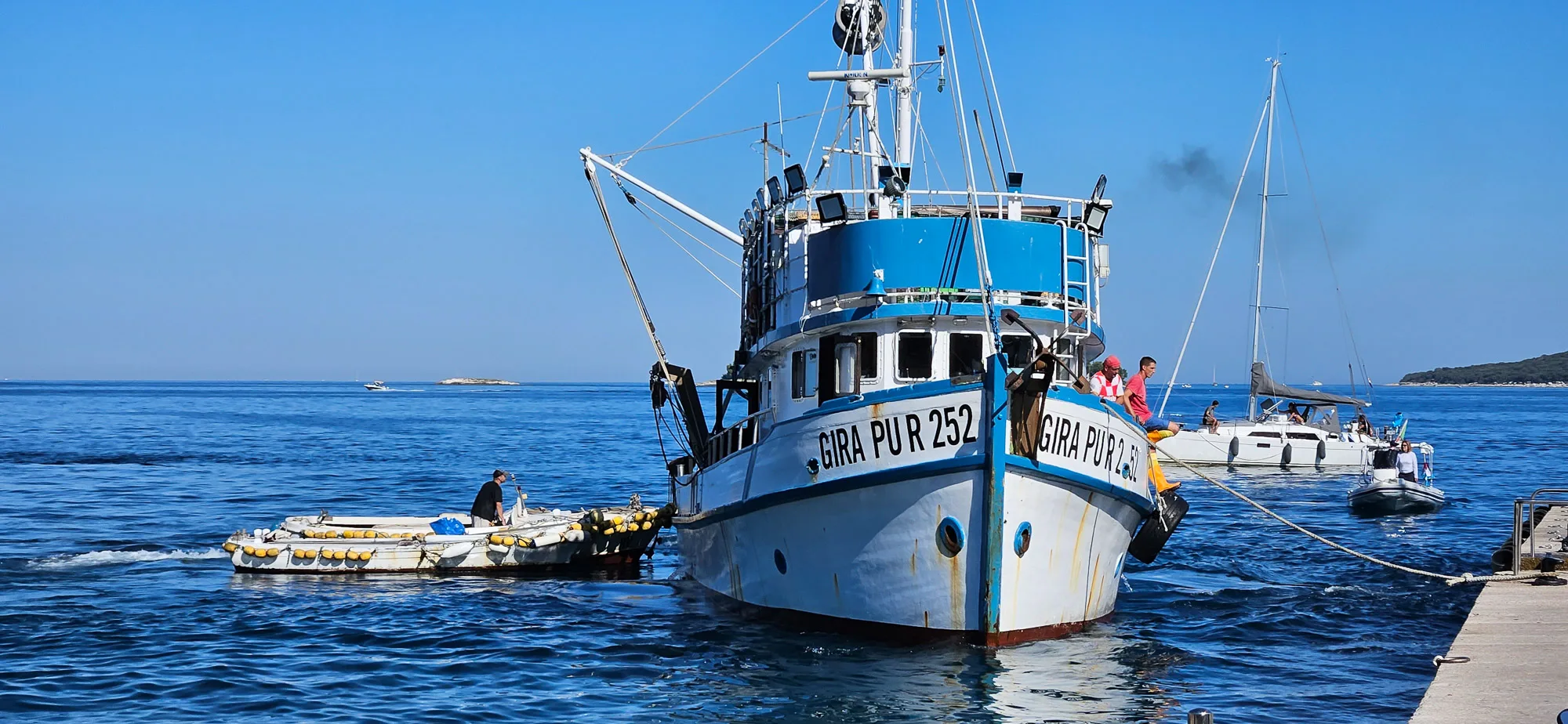
13. Sail or Take a Boat Trip
Croatia’s coastline is best understood from the sea. Depending on the region, a boat day might involve island villages, sheltered bays, the Kornati archipelago or short crossings between nearby coastal destinations.
Choose licensed operators and check what is actually included in an excursion, particularly meals, park admission and swimming stops.
14. Swim at a Croatian Pebble Cove
Many Croatian beaches are pebble or rocky rather than sandy. That is part of the Adriatic experience: small coves, pine-backed shores and rocky platforms often provide excellent swimming.
Water shoes can make entries more comfortable, especially for children and on rougher pebble beaches.
15. Walk or Cycle the Coast
Some of Croatia’s most enjoyable hours require no major attraction. Seafront promenades around places such as Opatija, Rovinj and numerous island towns provide an easy way to experience the landscape at a slower pace.
Cycling is particularly rewarding in Istria and selected island and inland areas, but route difficulty and summer heat should be considered carefully.
16. Visit Zagreb’s Markets, Parks and Upper Town
Zagreb offers a different rhythm from the coast. Walk through the historic centre and Upper Town, spend time in parks and cafés, and use markets and local restaurants to understand the capital beyond its monuments.
The official city tourism portal highlights Zagreb’s architecture, art, green spaces and food scene, making it a useful year-round destination rather than merely a gateway to the Adriatic.
17. Stay on an Island for More Than One Night
One of the simplest ways to improve a Croatia itinerary is to stop treating islands as day-trip trophies. Staying longer lets you experience early mornings and evenings after excursion traffic has gone, and makes room for villages, beaches and inland landscapes.
18. Explore Korčula’s Wine Country
Korčula is not only its fortified old town. The island’s villages and vineyards make it particularly attractive for travellers who want to combine beaches and historic streets with local wine and food.
Plan transport for tastings in advance rather than relying on driving between wineries.
19. Drive the Pelješac Peninsula
Pelješac offers a rewarding combination of coastal scenery, small settlements, wine areas and access toward Korčula. Ston and Mali Ston form a natural stop at the peninsula’s eastern end.
It is particularly useful in a southern Dalmatia road trip where the journey itself is part of the experience.
20. Discover Mljet’s Natural Landscape
Mljet is a good counterpoint to Croatia’s busier historic cities. Walking, cycling, swimming and time in the protected western part of the island can form the centre of a slower southern Dalmatian stay.
21. Hike or Escape into Gorski Kotar
Between the northern coast and continental Croatia, Gorski Kotar provides forests, mountains, lakes and cooler summer conditions. It is one of the best regions for travellers who want to combine an Adriatic trip with inland nature.
Risnjak National Park and destinations such as Fužine and Lokve make useful anchors.
22. Explore Kopački Rit and Eastern Croatia
Kopački Rit brings wetlands and birdlife into a Croatia itinerary, while nearby Osijek and Baranja add the Drava and Danube landscapes, regional food and wine.
This is a particularly rewarding choice for repeat visitors who have already explored the major Adriatic destinations.
23. Eat Regionally
Do not order the same food throughout the country. Try Istrian olive oil and pasta in Istria, Kvarner seafood and island products around the northern Adriatic, Dalmatian fish and slow-cooked dishes on the coast, and the richer continental traditions around Zagreb, Slavonia and Baranja.
Local markets can also help you understand what is in season during your trip.
24. Visit a Local Festival or Cultural Event
Croatia’s event calendar includes music, film, theatre, food, sports and traditional celebrations throughout the country. The Croatian National Tourist Board maintains an events database that can help identify what coincides with your dates.
For major festivals, book accommodation early; for local events, check municipal or tourist-board information shortly before travelling.
25. Take a Road Trip That Stays in One Region
A Croatia road trip does not need to run from one end of the country to the other. Some of the best routes stay compact: a week around Istria, a northern Dalmatia loop, Kvarner plus Gorski Kotar, or a southern Dalmatia trip combining Dubrovnik, Pelješac and nearby islands.
Regional road trips reduce packing and driving time while making room for beaches, villages, viewpoints and spontaneous stops.
Best Things to Do in Croatia for Different Travellers
For Couples
Consider Rovinj, Motovun, Korčula, Hvar outside the busiest party periods, Opatija, wine regions and smaller island stays.
For Families
Choose a manageable base with straightforward beach access and limit long transfer days. Istria, Krk, parts of the Zadar region and larger Dalmatian islands can work particularly well depending on transport and accommodation.
For Outdoor Travellers
Look beyond the beaches to Paklenica, Velebit, Gorski Kotar, Risnjak, cycling in Istria, kayaking and rafting areas, island hiking and protected nature.
For History Lovers
Pula, Poreč, Zadar, Šibenik, Split, Trogir, Dubrovnik and Zagreb together cover very different layers of Croatian history and architecture.
For Food and Wine
Istria, Kvarner, Dalmatia, Pelješac, Korčula, Zagreb and Baranja all have distinct culinary identities. Choose experiences connected to the region rather than searching for a single national tasting checklist.
How to Fit These Experiences into One Trip
Do not attempt all 25. For a one-week holiday, choose a regional base and three or four major experiences. With ten days, add an island or second base. With two weeks, you can combine regions, but long transfer days should still be limited.
A strong trip might combine a historic city, an island, one nature experience and several slower local days. That balance is often more memorable than an itinerary dominated by transport.
Frequently Asked Questions
What is the number one thing to do in Croatia?
There is no single experience that suits everyone. Historic-city travellers may prioritise Dubrovnik or Split, nature travellers Plitvice or Paklenica, and summer visitors may build the trip around islands and swimming.
What can you do in Croatia besides beaches?
Explore Roman and medieval cities, hike in national parks, visit vineyards and olive-oil producers, cycle, attend festivals, explore wetlands, visit museums and take regional road trips.
Is Croatia good for outdoor activities?
Yes. Hiking, climbing, cycling, sailing, kayaking and other outdoor activities are available across the coast, islands and mountain regions. Conditions vary by season, so plan around weather and local guidance.
How many activities should I plan each day?
Usually fewer than you think. One major sight or excursion plus time for swimming, meals and exploring locally creates a more realistic Croatia itinerary than scheduling several distant attractions every day.
Choose Experiences That Fit Your Route
The best Croatia trip is not the one with the longest checklist. Choose a region, combine a few standout experiences with local food, swimming or walking, and leave enough time to enjoy the places between the headline attractions. Croatia’s variety is its strength, but good pacing is what turns that variety into a great trip.
Plan your trip
Planning your trip to Croatia?
Explore practical guides, destinations and travel tips before you go.