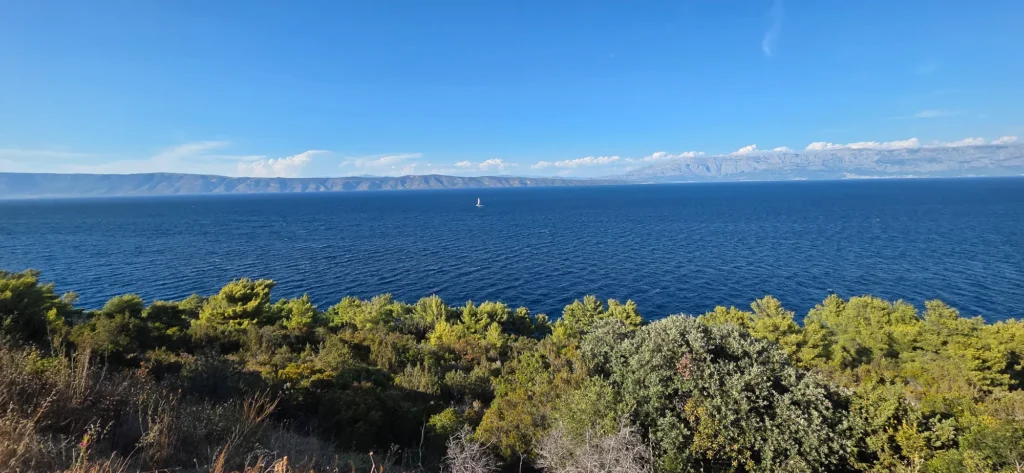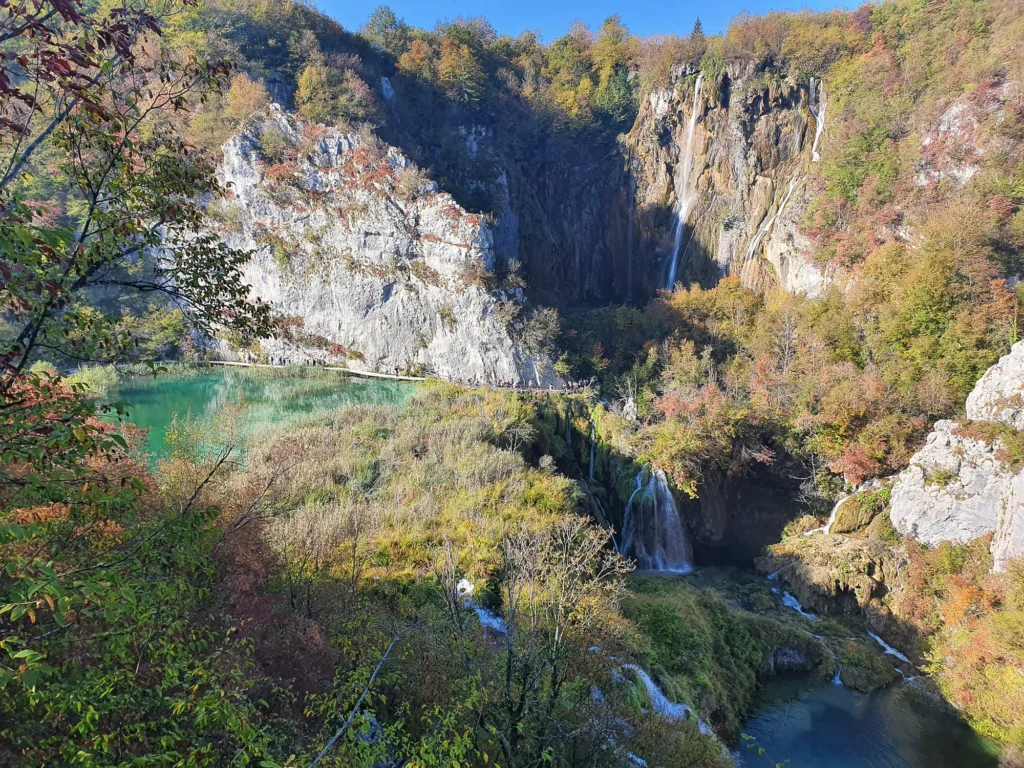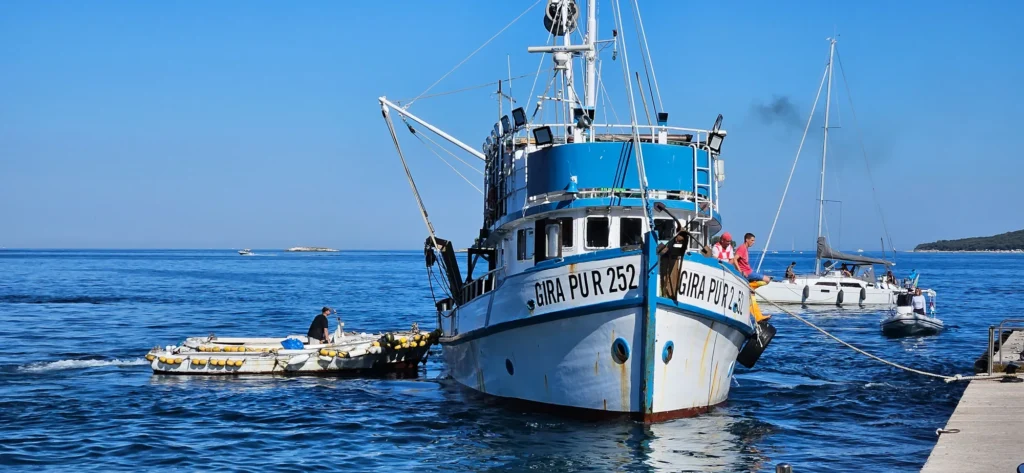
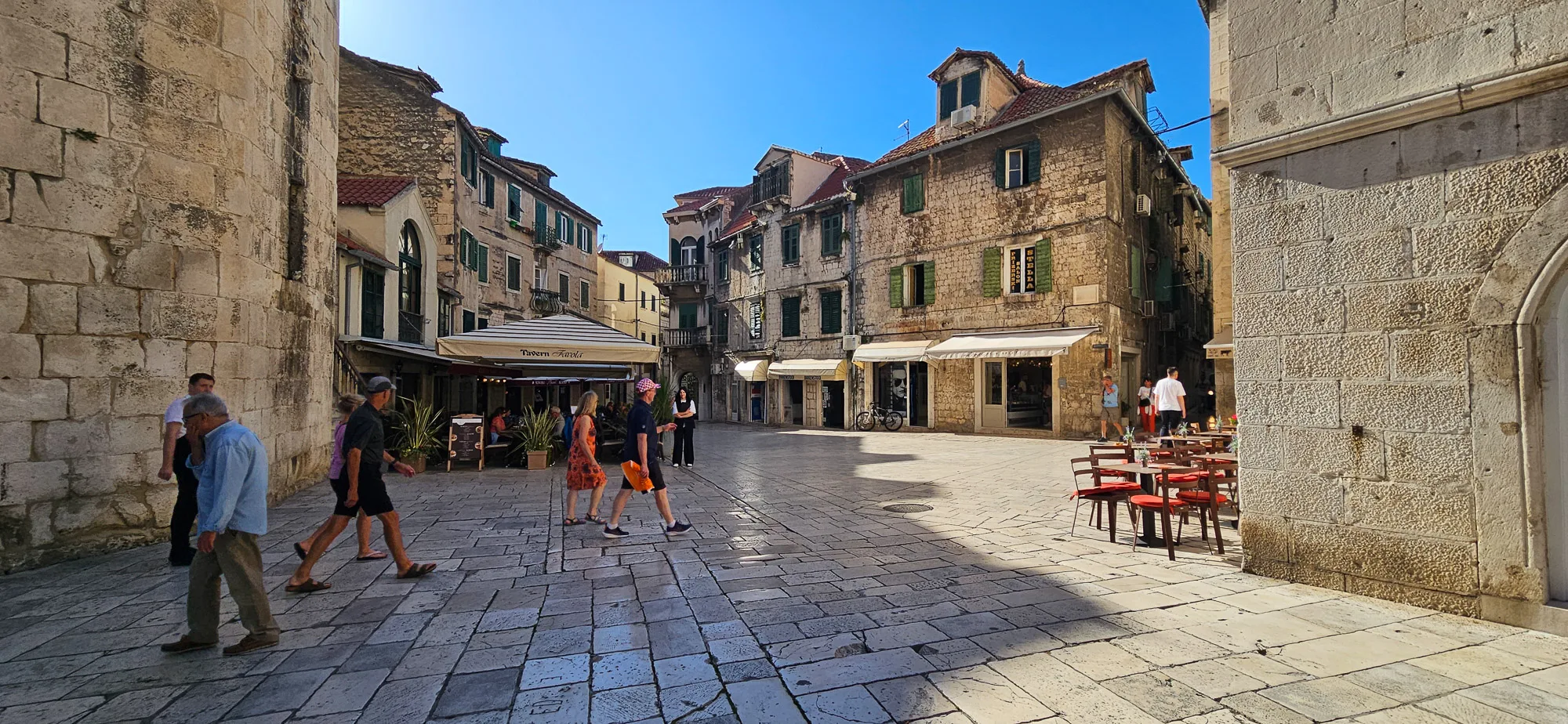
A Croatia travel budget can vary dramatically depending on season, destination, accommodation style and how often you move. A couple staying in a private apartment in May can spend very differently from the same couple booking Dubrovnik, Hvar or a beachfront hotel in August.
For 2026 planning, a useful starting point is to think in daily ranges rather than one fixed national average. Croatia uses the euro, and most major travel costs are easy to estimate once you know your route and dates.
If you are still deciding how long to travel, see How Many Days in Croatia. First-time visitors should also read our Croatia for First-Time Visitors guide.
Quick Croatia Budget Guide for 2026
The following are practical planning ranges, not fixed prices. They assume two people are sharing accommodation and exclude international flights to Croatia.
- Budget trip: roughly €60–€100 per person per day.
- Mid-range trip: roughly €120–€220 per person per day.
- Comfortable or higher-end trip: roughly €220+ per person per day.
July and August can push accommodation costs well above these ranges in the most popular coastal destinations. Travelling in May, June, September or early October can make a large difference.
What Makes Croatia Expensive or Affordable?
Four factors usually have the biggest effect on your total cost:
- Season: peak-summer accommodation is often the largest budget pressure.
- Destination: famous historic centres and islands usually cost more than inland towns or smaller coastal bases.
- Transport style: rental cars, parking, tolls and vehicle ferries add up quickly.
- Meal style: bakery breakfasts and simple lunches can keep costs down, while waterfront restaurants and frequent drinks can double the food budget.
Accommodation Costs
Accommodation is normally the biggest variable. Prices change by date, location, property quality, booking timing and whether parking or breakfast is included.
As a broad 2026 planning guide:
- Hostel dorm bed: often around €25–€50+, with higher prices in peak summer and famous destinations.
- Simple private room or apartment: often around €70–€140 per night outside the busiest summer weeks.
- Mid-range double room or apartment: often around €120–€220 per night, with substantially higher rates possible in July and August.
- Upscale hotels and premium coastal stays: commonly €220–€350+ per night and potentially much more in top locations.
These ranges are deliberately broad. Always price your exact dates before deciding whether a route fits your budget.
How to save on accommodation
- Travel in shoulder season instead of late July or August.
- Stay two or three nights in one place rather than making frequent one-night stops.
- Compare central accommodation with places just outside the old town.
- If driving, check whether parking is included before booking.
- For islands, verify whether the cheaper property is actually close to the port or requires extra taxis.
Food and Drink Budget
Croatia can still be affordable for food if you mix restaurants with bakeries, supermarkets and casual meals.
Useful planning estimates include:
- Bakery breakfast or snack: about €3–€8.
- Coffee: roughly €2–€4 in many places, with higher prices possible in prime tourist locations.
- Simple lunch, pizza, pasta or fast-casual meal: about €10–€20.
- Restaurant main course: commonly around €15–€30, depending on location and ingredients.
- Dinner with drinks: roughly €25–€50+ per person at a mid-range restaurant.
Seafood sold by weight, premium fish, steak, tasting menus and waterfront dining can cost considerably more.
A realistic daily food budget
- Budget: €20–€35 per person.
- Mid-range: €40–€70 per person.
- Comfortable: €70+ per person.
A simple way to control costs is to make lunch the main restaurant meal and keep breakfast and one other meal casual.
Transport Costs
Local public transport
Local bus tickets are usually inexpensive compared with taxis. Exact fares vary by city and operator, so check the current local transport website where possible.
Intercity buses
Buses are often the most practical public-transport option between Croatian cities. Typical fares vary considerably by distance, company and booking date, but many common routes fall in the low tens of euros rather than the cost of a rental car day.
Rental car
Car rental prices vary heavily by season and vehicle class. The daily rental price is only part of the real cost. Add:
- fuel
- motorway tolls
- parking
- insurance or excess reduction
- one-way fees when applicable
- vehicle ferry tickets if visiting islands by car
For current traffic conditions and road information, check HAK.
Motorway Tolls, Fuel and Parking
Croatia has toll roads on parts of its motorway network. Costs depend on route and vehicle category, so use the official operator or HAK information for the exact journey rather than relying on an old travel blog.
Parking can be a bigger surprise than tolls in coastal towns. Historic centres often have limited car access, and central paid parking can be expensive in summer. A hotel with free parking outside the old town may therefore be better value than a cheaper room in the centre.
Ferry and Island Costs
Passenger ferry and catamaran tickets can be inexpensive on shorter routes, while taking a car onto an island increases the cost substantially.
Budget for:
- passenger tickets
- vehicle tickets if applicable
- seat or reservation requirements on certain services
- parking near mainland ports
- local buses, taxis or scooter rental after arrival
Always check the operator’s timetable and fare for your exact date. Island connections are seasonal, and not every route runs every day outside summer.
Beaches: Often One of the Cheapest Parts of the Trip
Many Croatian beaches are free to access. You can keep a beach day inexpensive by bringing water, snacks, a towel and your own shade.
Optional costs include:
- sunbeds and umbrellas
- beach clubs
- parking
- boat transfers
- water sports
- restaurant meals
Travellers who are happy with public beaches can enjoy excellent swimming days without large entrance costs.
Attractions and National Parks
Museums, city attractions, national parks and boat excursions should be treated as a separate activity budget. Prices can change by season, and national parks may use different tariffs at different times of year.
If your itinerary includes several major paid attractions, allow roughly €15–€40 per person per activity as a planning range, with some premium experiences costing more.
For national parks and other ticketed natural sites, use the official website for current prices rather than relying on an old screenshot or cached timetable.
Boat Trips and Excursions
Full-day boat trips can become one of the largest optional expenses on a coastal holiday. Costs depend on whether the excursion is a shared group trip, speedboat, sailing trip or private charter.
Instead of booking boat trips in every destination, choose one or two excursions that add something your land itinerary cannot provide.
Sample Daily Budgets
Budget traveller: €60–€100 per person per day
This may include a hostel or simple shared accommodation, bakery or supermarket breakfast, casual lunch, one inexpensive restaurant meal, buses and mostly free activities.
Mid-range traveller: €120–€220 per person per day
This can cover a private room or apartment shared by two people, restaurant meals, intercity transport or some car rental, paid attractions and occasional excursions.
Comfortable traveller: €220+ per person per day
This allows better hotels, prime locations, frequent restaurant dining, taxis or rental cars, boat trips and more paid experiences.
In July and August, accommodation in major coastal destinations can push even a normally mid-range trip into a higher category.
Example 7-Day Mid-Range Budget for Two People
A realistic planning framework for two adults sharing accommodation could look like this:
- Accommodation: €900–€1,500
- Food and drinks: €600–€900
- Local and intercity transport: €150–€350
- Attractions and one or two excursions: €200–€400
- Miscellaneous costs: €100–€200
Total: roughly €1,950–€3,350 for two people, excluding international flights and major rental-car costs.
This is a planning example rather than a quotation. A week in August in a premium island destination can cost much more, while a shoulder-season trip using apartments and public transport can cost less.
How Much Cash Should You Carry?
Cards are widely accepted, but some cash is useful for markets, kiosks, small cafés, parking and smaller local businesses.
You do not need to carry your full trip budget in cash. A modest amount of euros combined with a card is usually more practical.
ATM and Card Tips
- Choose to be charged in euros when your card provider offers a better exchange rate.
- Be cautious with dynamic currency conversion.
- Check your bank’s foreign withdrawal fees before travel.
- Prefer bank-affiliated ATMs when possible.
- Keep a backup card separately from your main wallet.
Is Croatia Cheaper Outside the Coast?
Often, yes. Accommodation and restaurant prices in inland cities and smaller towns can be lower than in famous Adriatic destinations during summer.
A mixed itinerary that combines one premium coastal area with a less expensive inland or regional base can balance the overall budget.
Where Can You Save Without Hurting the Trip?
- Travel in June or September: often the biggest overall saving.
- Stay longer in each base: fewer transfers mean fewer transport costs.
- Use apartments strategically: preparing breakfast or occasional dinner can reduce food spending.
- Use buses between major cities: avoid paying for a car on days when it would sit parked.
- Choose free beach days: not every day needs an organized excursion.
- Book only one or two premium experiences: prioritize the ones unique to your route.
Where You Should Not Cut Too Hard
The cheapest option is not always the best value. Spending a little more on the right location can save transport costs and time.
Examples include:
- paying for accommodation near a ferry port when leaving early
- booking a room with parking if you have a rental car
- choosing a direct ferry rather than losing half a day on a complicated connection
- staying two nights instead of one to avoid repeated check-in and luggage costs
Budget Differences by Season
July and August
Expect the highest accommodation demand, busy roads and premium prices in popular coastal locations.
May, June and September
These months often offer the best balance between weather, availability and cost.
October to April
Accommodation can be cheaper in many places, but some island hotels, restaurants, excursions and seasonal transport operate on reduced schedules or close entirely.
Frequently Asked Questions
Is Croatia expensive in 2026?
Croatia can be expensive in peak-summer hotspots, but it is still possible to control costs through shoulder-season travel, apartments, buses and fewer premium excursions.
How much money do I need for one week?
A mid-range couple should roughly plan around €1,950–€3,350 for seven days excluding international flights, with wide variation by season and destination.
Can I visit Croatia on €70 a day?
Yes, in some destinations and seasons, especially with hostels or simple accommodation, inexpensive meals and public transport. It is much harder in premium coastal areas during July and August.
Are beaches free?
Many are. Your main beach costs may be optional extras such as sunbeds, parking, food or water sports.
Do I need cash?
Carry some euros, but cards are widely accepted in most tourism businesses.
Final Budget Advice
The easiest way to control a Croatia travel budget is to make three decisions early: choose the season, limit the number of accommodation changes and decide whether you truly need a rental car. Once those choices are made, most other costs become predictable.
For a first visit, budget slightly more than your spreadsheet suggests. A flexible reserve makes it easier to add a boat trip, a better meal or an extra night in a place you do not want to leave.
Plan your trip
Planning your trip to Croatia?
Explore practical guides, destinations and travel tips before you go.