November shows a very different side of Croatia from the busy summer season. The coast becomes quiet, inland cities settle into a slower rhythm, autumn colours deepen in continental areas, and prices are often lower than in the main travel months. It is not the best month for a classic beach holiday, but it can be an excellent time for city breaks, food-focused travel, road trips and uncrowded sightseeing.
The key to enjoying Croatia in November is choosing the right destinations and planning around shorter daylight, changeable weather and reduced seasonal transport. If you want a broader month-by-month comparison before deciding, see our Croatia weather by month guide.
Is November a good time to visit Croatia?
Yes, for the right kind of trip. November suits travellers who value quiet streets, local atmosphere, culture, food and flexible itineraries more than swimming and nightlife. It is especially appealing for Zagreb, Istria, Kvarner, Plitvice and historic coastal cities where you can explore without summer crowds.
It is less suitable if your priority is beach clubs, warm sea temperatures, frequent island-hopping or a full summer excursion schedule. Many seasonal businesses on the Adriatic reduce hours or close after October, and ferry and bus frequencies are generally lower than in summer.
Croatia weather in November
November weather varies considerably between the Adriatic coast and continental Croatia. Coastal areas are generally milder, while Zagreb, Slavonia and mountain regions are colder, especially early in the morning and after sunset.
Adriatic coast
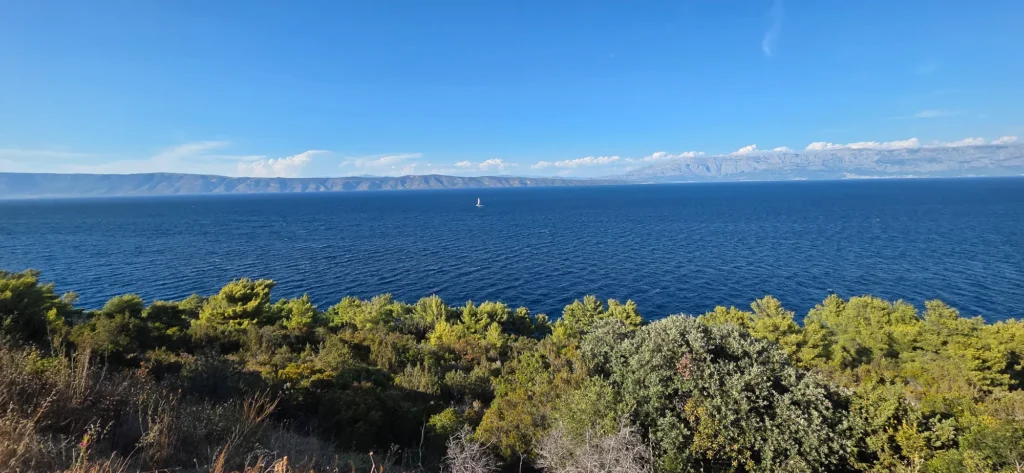
Along the coast, November often brings a mix of clear spells, cloud, rain and wind. Mild days are possible, especially in southern Dalmatia, but conditions can change quickly. The bora, known locally as bura, can bring strong, dry and gusty winds, while southerly jugo weather is often associated with cloud and rain.
You should pack for layers rather than assume Mediterranean warmth. A waterproof outer layer, closed shoes and something warm for evenings make a big difference.
Zagreb and inland Croatia
Inland Croatia is noticeably cooler. Zagreb can be crisp and pleasant on dry days, but rain, fog and cold evenings are common. Mountain areas can already experience wintry conditions, so hiking plans should remain flexible.
Can you swim in Croatia in November?
For most visitors, November is not a swimming month. The sea retains some warmth from summer, but air temperatures, wind and shorter days make regular beach swimming unlikely. Strong swimmers may still take an occasional dip on calm sunny days, particularly in the south, but it should be treated as a bonus rather than a reason to plan the trip.
Best places to visit in Croatia in November
Zagreb
Zagreb is one of Croatia’s strongest November choices because the city works well in any season. Museums, galleries, cafés, restaurants and markets provide plenty to do even when the weather turns wet. By late November, parts of the city may also begin shifting toward the Advent period.
For a wider regional overview, use our Zagreb and Central Croatia travel guide.
Istria
November fits Istria particularly well if your interests are food, wine, olive oil, hill towns and quiet coastal walks. Rovinj, Poreč and Pula are far calmer than in summer, while inland towns such as Motovun, Grožnjan and Buzet offer an atmospheric autumn landscape.
Many purely seasonal seaside businesses will be closed, so this is a month for slow travel rather than resort-style holidays. Start with our Istria travel guide when planning where to base yourself.
Kvarner
Rijeka and Opatija are practical bases in November because they retain year-round city life and services. Coastal promenades can be beautiful between rain fronts, while the mountains of Gorski Kotar offer a completely different, colder experience.
See the Kvarner travel guide for ideas across the coast, islands and hinterland.
Split and Central Dalmatia
Split remains interesting in November because Diocletian’s Palace and the historic centre are lived-in places rather than seasonal attractions. Restaurants and cafés serving local residents remain active, although boat excursions and island services are more limited than in summer.
Our Central Dalmatia travel guide can help you combine Split with nearby towns when weather allows.
Dubrovnik and Southern Dalmatia
Dubrovnik in November is dramatically quieter than in peak season. This can make the old city much easier to appreciate, especially for travellers who dislike crowds. Rain and wind remain possible, so build indoor options into the plan and avoid over-scheduling outdoor viewpoints.
Use the Southern Dalmatia travel guide for a broader look at Dubrovnik, nearby coastal areas and islands.
Plitvice Lakes
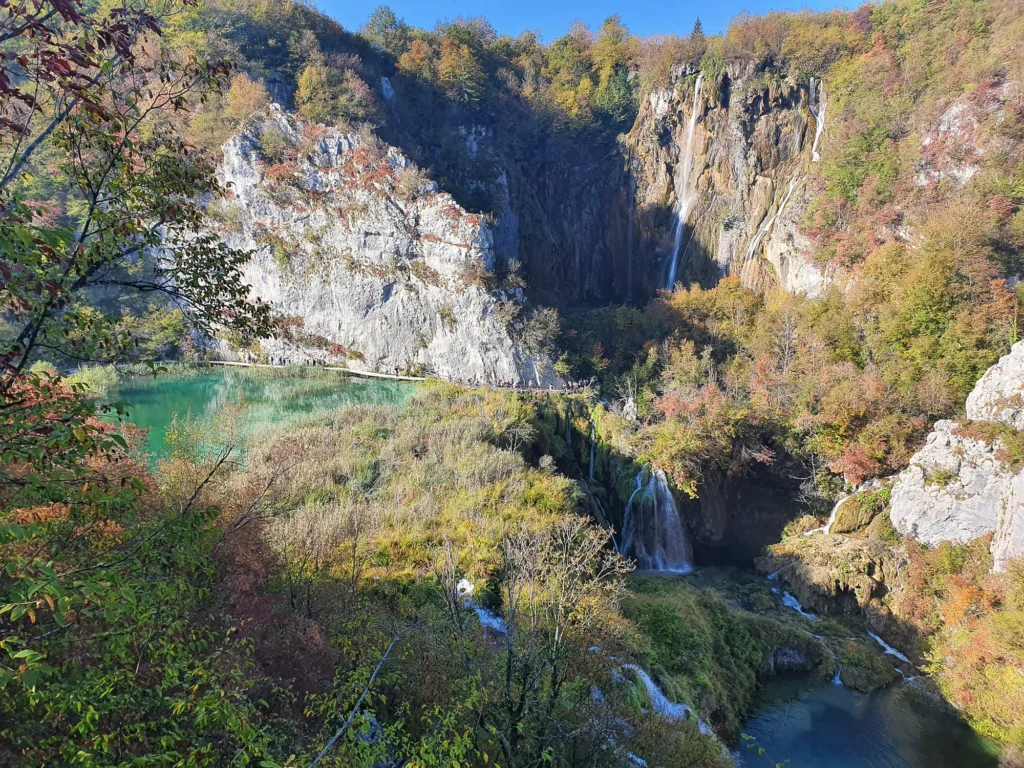
Plitvice can be beautiful in late autumn, with bare trees, strong water flow and a very different atmosphere from summer. The national park is open year-round, but operating hours and available visitor services change by season. In colder months, some hospitality services are closed and transport within the park can operate on reduced schedules.
Always check the official Plitvice Lakes National Park website immediately before visiting, especially after heavy rain, frost or early snow.
What to do in Croatia in November
Explore old towns without summer crowds
November is one of the easiest times of year to walk through Croatia’s historic centres without heat or heavy visitor traffic. Dubrovnik, Split, Zadar, Šibenik, Pula and Rovinj all feel more spacious and local.
Plan a food-focused trip
Autumn is an excellent season for regional food. Istria is especially appealing for truffles, olive oil, wine and slow restaurant meals. Inland Croatia offers heartier dishes suited to cooler weather, while coastal cities are good places to look for seafood and local seasonal menus.
Visit museums and galleries
Museums become especially useful in November because they give you flexibility around rain. Zagreb has the broadest selection, but Rijeka, Split, Zadar, Pula and Dubrovnik also offer strong cultural options.
Take a road trip with a flexible plan
A November road trip can work very well if you keep daily distances moderate and avoid relying on seasonal attractions. The main road network is good, but weather can change quickly around mountain corridors. If you are driving, build an alternative route or indoor stop into each day.
Our Croatia road trip guide provides a useful starting point for planning routes between regions.
Enjoy coastal walks
Promenades around Opatija, Rovinj, Zadar, Split and many smaller coastal towns can be at their best on a calm November day. Check local weather warnings first, because strong bora conditions can make exposed waterfronts uncomfortable or unsafe.
Island travel in November
Many Croatian islands remain accessible throughout the year because ferries serve local residents as well as visitors. However, November is firmly outside the high season, so departure frequency is lower on many routes and seasonal passenger services may not operate.
Do not build a tight island-hopping itinerary based on summer timetables. Check the exact route and date on the official Jadrolinija website and confirm whether your ticket is tied to a specific sailing.
For a short November trip, a mainland base is usually easier than changing islands every day.
Are restaurants, hotels and attractions open?
In major cities and year-round towns, yes. Zagreb, Split, Rijeka, Pula, Zadar and Dubrovnik continue to function normally for local residents, so you will still find supermarkets, cafés, restaurants, pharmacies and cultural venues.
In smaller resorts and on islands, the situation is more seasonal. Some hotels, restaurants, beach facilities, excursion companies and tourist services may close after October. This is one reason to book accommodation first and then build the rest of the itinerary around businesses you have confirmed are open.
Crowds and prices in November
November is among the quietest months for international tourism in much of Croatia. Accommodation can be substantially easier to find than in summer, especially in cities and larger towns. At the same time, the lowest advertised room price is not always the best value if it leaves you far from open restaurants and transport.
Choose location over resort facilities. A central apartment or hotel in a year-round neighbourhood is usually more useful in November than a summer complex where much of the surrounding area has closed.
Getting around Croatia in November
Intercity buses continue to operate between major cities, trains remain useful on selected inland routes, and year-round ferry lines connect inhabited islands. The main difference from summer is frequency rather than complete lack of transport.
For a multi-region trip, a car gives you more flexibility, particularly in Istria and rural areas. For Zagreb, Split, Rijeka and Dubrovnik, a car is not necessary if your itinerary is city-focused.
Our Croatia itineraries guide can help you structure a trip of several days without trying to cover too much.
What to pack for Croatia in November
- A waterproof jacket with a hood.
- Comfortable closed walking shoes.
- Warm layers for evenings and inland destinations.
- A compact umbrella for city trips.
- A small daypack that can handle rain.
- Sunglasses for bright coastal days.
- A portable charger, especially if you are using maps and transport apps.
If your itinerary includes mountains or inland national parks, add warmer clothing than you would need on the coast.
How many days do you need in November?
Four to seven days works well for a focused November trip. A short break might combine Zagreb with a day trip, while a coastal itinerary could stay in one main base such as Split, Dubrovnik, Rovinj or Opatija.
For seven days, avoid trying to cover the entire country. A good off-season trip is usually stronger when you choose one or two regions and leave room to adapt to the weather.
November travel tips
- Check opening hours shortly before visiting attractions.
- Confirm ferry and bus times for the exact travel date.
- Keep at least one indoor activity available each day.
- Stay in places with year-round local life rather than isolated summer resorts.
- Allow extra driving time during heavy rain, bora or mountain weather.
- Book flexible accommodation if your route depends heavily on outdoor conditions.
Is Croatia worth visiting in November?
Yes, if you want a quieter, slower and more local trip. November is not a substitute for a summer beach holiday, but it can be excellent for cities, food, culture, road trips and uncrowded historic centres. Travellers who accept shorter days and less predictable weather are often rewarded with a side of Croatia that peak-season visitors rarely see.
Plan your trip
Planning your trip to Croatia?
Explore practical guides, destinations and travel tips before you go.