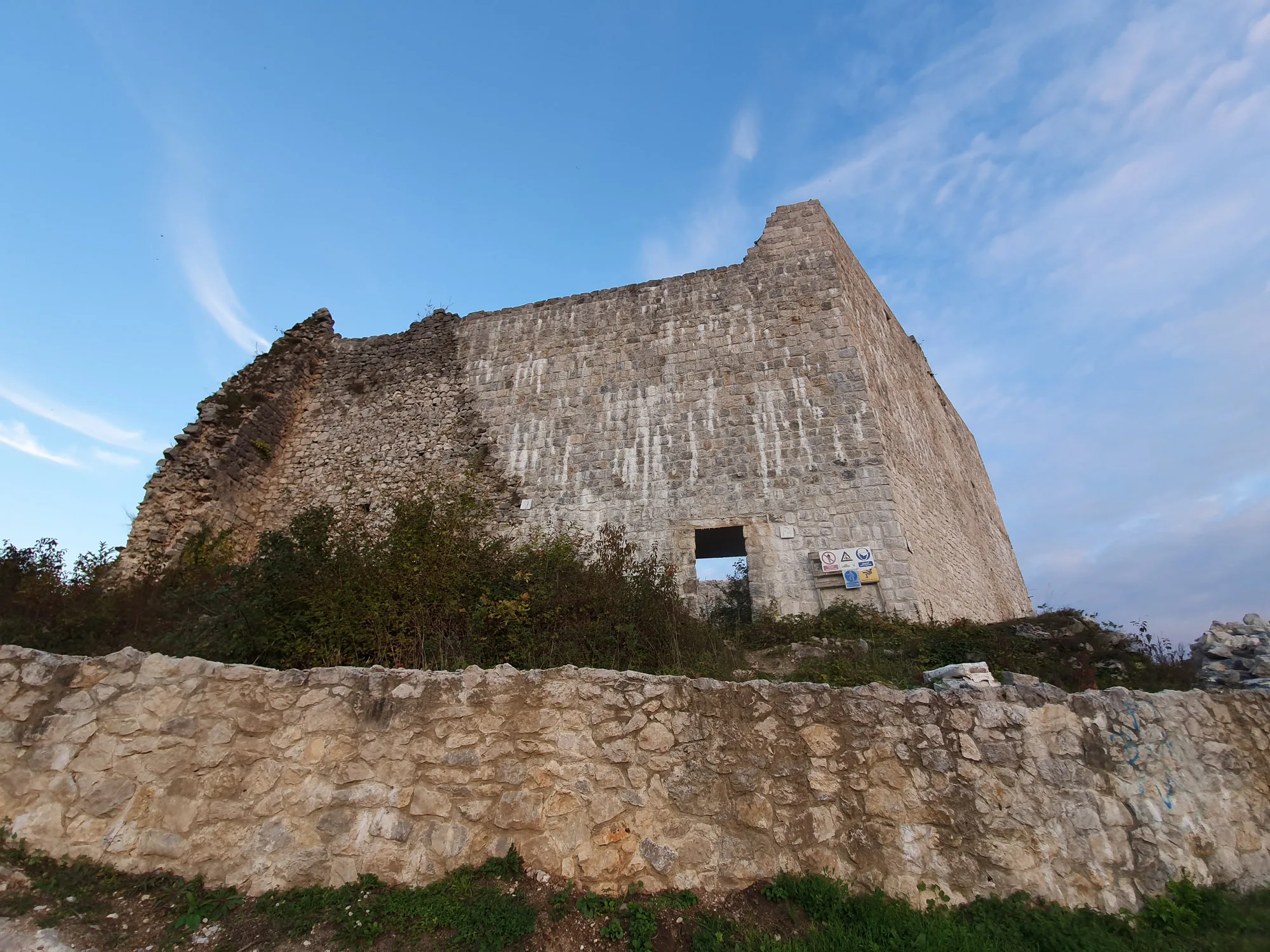
Croatia is best known for its Adriatic coast, islands and historic old towns, but some of the country’s most rewarding heritage sites are inland castles and hilltop fortresses. From the romantic lake setting of Trakošćan to the fortified walls of Veliki Tabor, the Frankopan strongholds of Kvarner and the dramatic coastal forts above Rijeka and Senj, Croatia has an unusually varied collection of places where medieval, Renaissance and early modern history is still visible.
This guide focuses on castles and fortresses that are genuinely useful for travellers to visit. Some are museums with furnished interiors, while others are best for architecture, views and atmosphere. Several can be combined into easy day trips from Zagreb, Rijeka, Split or the main road-trip routes through continental Croatia.
Best castles and fortresses in Croatia at a glance
| Place | Region | Best for |
|---|---|---|
| Trakošćan Castle | Hrvatsko Zagorje | Romantic setting, museum interiors and lake walks |
| Veliki Tabor Castle | Hrvatsko Zagorje | Late medieval architecture and legends |
| Varaždin Old Town | Varaždin | Renaissance fortifications and city history |
| Trsat Castle | Rijeka | Views, coastal history and an easy city visit |
| Dubovac Castle | Karlovac | Medieval atmosphere and panoramic views |
| Ozalj Castle | Ozalj | Zrinski-Frankopan history and Kupa River scenery |
| Zrinski Old Town | Čakovec | Međimurje history and museum collections |
| Frankopan Castle | Krk | Island history in the heart of Krk Town |
| Nehaj Fortress | Senj | Uskok history and Adriatic views |
| Klis Fortress | Near Split | Dalmatian history and views over Split |
1. Trakošćan Castle
Best for: first-time castle visitors, families, couples, photography and a day trip from Zagreb.
Trakošćan is the castle many travellers imagine when they picture a storybook Central European estate. It stands above a lake and landscaped forest park in northern Croatia, with towers, pale walls and a wooded setting that changes character dramatically with the seasons.
The oldest layers of the castle are believed to date from the 13th century. The Drašković family took possession in the second half of the 16th century and remained closely connected with Trakošćan until 1945. In the 19th century, the older defensive complex was transformed into a historicist residence, while the surrounding landscape was redesigned as a park.
Today the castle operates as a museum. Rooms are furnished to evoke aristocratic life, with collections that include furniture, paintings, weapons, books and decorative objects. The surrounding lake and park make it worth allowing more time than you would for a typical museum visit.
The official Trakošćan Castle website provides current visitor information, exhibitions and ticket details.
How much time to allow
Plan roughly two to three hours if you want to see both the castle and the park at a relaxed pace. It also combines well with Varaždin, Krapina or Veliki Tabor on a longer day trip through Hrvatsko Zagorje.
2. Veliki Tabor Castle
Best for: medieval history, architecture, legends and a castle-focused road trip through Zagorje.
Veliki Tabor rises above the hills near Desinić and is one of the best-preserved late medieval and Renaissance fortified castles in continental Croatia. Unlike the more romantic residential character of Trakošćan, Veliki Tabor still feels strongly defensive, with a compact central structure, rounded towers and enclosed courtyard.
The castle is closely associated with the Rattkay family and with the legend of Veronika of Desinić, one of northern Croatia’s best-known historical legends. The museum interpretation uses the building itself as part of the experience, so the architecture matters as much as the exhibits.
Current visitor information, including seasonal opening hours and admission, is available on the official Veliki Tabor website. In 2026, the museum lists Monday as its regular closing day, with seasonal hours varying during the year.
Trakošćan or Veliki Tabor?
If you can visit only one, choose Trakošćan for scenery, furnished interiors and the lake setting. Choose Veliki Tabor if you are more interested in fortifications, medieval atmosphere and a compact historic castle experience. If you have a car, visiting both on the same day is possible and makes one of the best castle-focused excursions from Zagreb.
3. Varaždin Old Town
Best for: combining a castle visit with one of Croatia’s most attractive Baroque city centres.
Varaždin’s Old Town is a fortified castle complex on the edge of the historic centre. Its medieval core was heavily adapted during the Renaissance era, when the defences were strengthened and surrounded by earthen ramparts and moats. The result is very different from Trakošćan: this was a defensive urban stronghold rather than a romantic country residence.
The Old Town became home to the Varaždin City Museum in 1925 and has traditionally housed its cultural-historical collections.
Important current note: as of late September 2026, the Varaždin Tourist Board reports that the castle interior and permanent exhibition are unavailable because of renovation works, with reopening expected in autumn 2026. The exterior, park and surrounding historic centre still make Varaždin worthwhile, but check the latest museum status before travelling specifically for the interior.
Varaždin fits naturally into a trip through Zagreb and Central Croatia and can be paired with Trakošćan on a road trip.
4. Trsat Castle in Rijeka
Best for: travellers without a car, city views and combining history with a Rijeka visit.
Trsat Castle stands on a hill 138 metres above Rijeka and is one of the easiest historic fortresses to add to a city itinerary. The site has strategic roots stretching back much further than the surviving medieval structures, while the castle itself is associated with the long defensive history of the Kvarner region.
The location is a major part of the appeal. From the plateau you get broad views over Rijeka, the surrounding hills and the Kvarner area. The castle also hosts exhibitions and cultural events, particularly during the warmer months.
You can reach Trsat by local bus or walk up from the city via the historic Trsat steps. Current opening and admission information is published by Visit Rijeka.
If you are exploring the wider area, connect this stop with the Kvarner Travel Guide.
5. Dubovac Castle in Karlovac
Best for: a short castle stop, road trips between Zagreb and the coast, and sunset views.
Dubovac Castle sits on a hill above Karlovac and is one of the most atmospheric historic stops near the main routes linking Zagreb with the Adriatic. The castle’s compact form, courtyard and tower create a strong medieval impression, while its elevated position gives wide views over Karlovac and the surrounding landscape.
A museum exhibition occupies part of the castle, and the tower is the highlight for many visitors. Because Dubovac is close to Karlovac, it works well as a stop rather than requiring a full day.
The official Visit Karlovac page for Dubovac Castle publishes current visitor details.
6. Ozalj Castle
Best for: Zrinski and Frankopan history, a quieter day trip and Kupa River scenery.
Ozalj Castle occupies a dramatic position above the Kupa River. The site developed over many centuries and is particularly associated with two of Croatia’s most important noble families, the Zrinski and Frankopan.
The castle now houses the Ozalj Heritage Museum, whose collections cover several thousand years of local history, from archaeology to the medieval and early modern periods. The Zrinski-Frankopan story is central, but the museum also explores the wider cultural history of Ozalj and the surrounding area.
The setting is as important as the museum. The castle overlooks the river and railway landscape, giving Ozalj a distinctive atmosphere that feels very different from the more polished castle parks of Zagorje.
Check the Ozalj Heritage Museum for current opening times and admission before visiting.
7. Zrinski Old Town in Čakovec
Best for: travellers exploring Međimurje, Zrinski family history and museums.
The Zrinski Old Town is the historic heart of Čakovec. The complex grew from a medieval fortification and was repeatedly remodelled by later owners, including the Zrinski family, whose name is deeply connected with the history of Međimurje.
Today the complex contains the Museum of Međimurje Čakovec and the Treasury of Međimurje, making it more than a quick photo stop. The surrounding park also gives the old town a pleasant setting in the centre of Čakovec.
For travellers interested in continental Croatia beyond Zagreb and Zagorje, Čakovec is a useful addition to a northern Croatia itinerary. It pairs especially well with Varaždin because the two cities are relatively close.
Current destination information is available from Visit Međimurje.
8. Frankopan Castle in Krk Town
Best for: combining a beach or island holiday with medieval history.
On the island of Krk, the Frankopan Castle stands directly beside Kamplin Square in the old town of Krk. Its location makes it one of the easiest Croatian castles to visit without planning a separate excursion.
The complex was built and expanded by generations of the Frankopan family. Its oldest square tower is linked to the late 12th century, while later towers and walls were added as the fortified complex developed.
Today the castle includes interpretation focused on Frankopan heritage, medieval architecture and local history. It is a good example of how Croatia’s island towns were not only maritime settlements but also important centres of noble power and defence.
Visitor information is available through the Krk Tourist Board.
9. Nehaj Fortress in Senj
Best for: military history, Uskok heritage and dramatic views of the northern Adriatic.
Nehaj is a true fortress rather than a palace-style castle. Standing above Senj, it was built as a defensive stronghold and became closely associated with the Uskoks, the frontier warriors who played an important role in the history of this part of the Adriatic.
The interior contains museum displays, but the building itself and the exposed hilltop location are the main reasons to visit. From the fortress, views stretch over Senj and the sea, and on a clear day the setting makes it easy to understand why this location had such strategic value.
According to current 2026 visitor information, Nehaj operates seasonally and is closed during part of the winter period, so check the official Senj visitor information if travelling outside the main season.
CroatiaPoint also has a dedicated Senj guide for planning the wider visit.
10. Klis Fortress near Split
Best for: travellers based in Split, Dalmatian military history and panoramic views.
Klis Fortress occupies a narrow rocky ridge above Split and the route linking the coast with the Dalmatian hinterland. Its strategic position made it important for centuries, and the site was repeatedly expanded and adapted under different rulers.
Klis feels very different from the green castles of northern Croatia. The stone walls rise from a dry karst landscape, and the views stretch across Split, the bay and the surrounding mountains. It is especially rewarding for travellers who want to add historical context to a Central Dalmatia itinerary.
The fortress is close enough to Split for a half-day excursion, but it also works well as part of a road trip inland. Opening times can vary seasonally, so check current local visitor information before departure.
Which Croatian castles are best from Zagreb?
If Zagreb is your base, the strongest castle day trips are concentrated north and west of the capital.
- Trakošćan + Varaždin: one of the best combinations for first-time visitors.
- Trakošćan + Veliki Tabor: ideal if castles are the main focus of the day.
- Veliki Tabor + Krapina/Zagorje: good for combining history with the wider Zagorje region.
- Dubovac + Ozalj: a quieter route southwest of Zagreb, especially good by car.
- Varaždin + Čakovec: combines two historic northern Croatian cities.
If you are building a wider itinerary, see the Croatia Road Trip guide and the Croatia itineraries for ideas on fitting continental Croatia into a coast-focused holiday.
Best castles and fortresses on the Croatian coast
Travellers staying mainly on the Adriatic can still see major historic strongholds without heading far inland.
- Trsat Castle is the easiest choice in Rijeka.
- Frankopan Castle fits naturally into a stay on Krk Island.
- Nehaj Fortress is the standout historic site in Senj.
- Klis Fortress is one of the best historical excursions from Split.
The Routes of the Frankopans is also useful for travellers interested in the wider network of Frankopan castles and fortified towns across Kvarner and Gorski Kotar.
When is the best time to visit castles in Croatia?
Spring and autumn are especially good for castle trips. Temperatures are comfortable for walking around ramparts and parks, roads are usually less busy than in peak summer, and places such as Trakošćan and Zagorje are particularly attractive when the landscape is green or changing colour.
Summer works well too, especially for coastal fortresses, but exposed sites such as Klis and Nehaj can be hot in the middle of the day. If visiting in July or August, an early morning or late afternoon visit is usually more comfortable.
Winter can be atmospheric in northern Croatia, but some sites reduce their hours or close seasonally. Always check official visitor information before making a long detour.
Do you need a car for a castle trip in Croatia?
A car gives you the most flexibility, especially for Trakošćan, Veliki Tabor, Ozalj and combinations of several sites in one day. Many castles are outside the main railway network or require an extra local bus connection.
However, several are practical without a car:
- Trsat Castle: accessible from central Rijeka by local bus or on foot.
- Varaždin Old Town: easy to reach once you arrive in Varaždin.
- Čakovec Old Town: located in the city centre.
- Frankopan Castle in Krk: directly in Krk Town’s historic centre.
- Klis: can be reached from Split using local transport or organized excursions, although a car is more convenient.
Practical tips for visiting Croatian castles
- Check current opening hours. Museum hours often change between summer and winter.
- Do not assume every castle has full interior access. Some are primarily exterior monuments, while others operate as museums.
- Wear practical shoes. Historic staircases, cobbles, ramps and uneven courtyards are common.
- Allow extra time for parks and viewpoints. Trakošćan, Trsat, Dubovac and Nehaj are as much about the setting as the interiors.
- Check renovation notices. Historic buildings periodically close sections for conservation work.
- Combine nearby sites rather than rushing. Two well-chosen castles plus a town or landscape stop usually make a better day than trying to visit four or five.
Frequently asked questions
What is the most beautiful castle in Croatia?
Trakošćan is the strongest all-round choice for most travellers because it combines a photogenic castle, museum interiors, a lake and landscaped park. Veliki Tabor has a more authentically fortified medieval character, while Varaždin Old Town is especially attractive in an urban setting.
What is the best medieval castle in Croatia?
Veliki Tabor is one of the best options for a medieval and Renaissance castle experience in continental Croatia. On the coast, Trsat, the Frankopan Castle in Krk and Nehaj offer very different examples of defensive architecture.
Can you visit Croatian castles as day trips from Zagreb?
Yes. Trakošćan, Veliki Tabor, Varaždin, Dubovac and Ozalj are all realistic day-trip destinations from Zagreb by car. Trakošćan and Varaždin are especially popular to combine.
Are castles in Croatia expensive to visit?
Most castle museums and fortresses charge modest admission compared with major European palace attractions, but prices vary by site and season. Some grounds or exterior areas may be free while interior museums require a ticket. Check official websites for current prices.
Which castle is best for children?
Trakošćan is a good family choice because the castle visit can be combined with the lake and park. Veliki Tabor also works well for children interested in towers, legends and fortifications. Accessibility with strollers can be limited at older hilltop sites, so check the individual venue before visiting.
Final thoughts
Croatia’s castles show a side of the country that many coast-focused itineraries miss. Northern Croatia offers romantic residences and fortified noble estates; Kvarner preserves a dense network of Frankopan strongholds; and the Adriatic coast adds strategic fortresses built around commanding views and military geography.
If you have only one day, Trakošćan and Veliki Tabor make an excellent introduction. If you are travelling the coast, add Trsat, Krk, Nehaj or Klis to your route. And if you are exploring Croatia by car, castles such as Dubovac, Ozalj, Varaždin and Čakovec can turn a transfer day into one of the most interesting parts of the trip.
Plan your trip
Planning your trip to Croatia?
Explore practical guides, destinations and travel tips before you go.