The best places to visit in Croatia are spread across a surprisingly varied country. Dubrovnik and Split may be the most internationally recognisable names, but a good Croatia itinerary can also include Istrian hill towns, Adriatic islands, national parks, the capital Zagreb and the wetlands and wine country of the east.
This guide focuses on destinations that justify a place in a Croatia itinerary and explains what each one is best for, helping you choose places that fit together rather than simply collecting famous names.
1. Dubrovnik
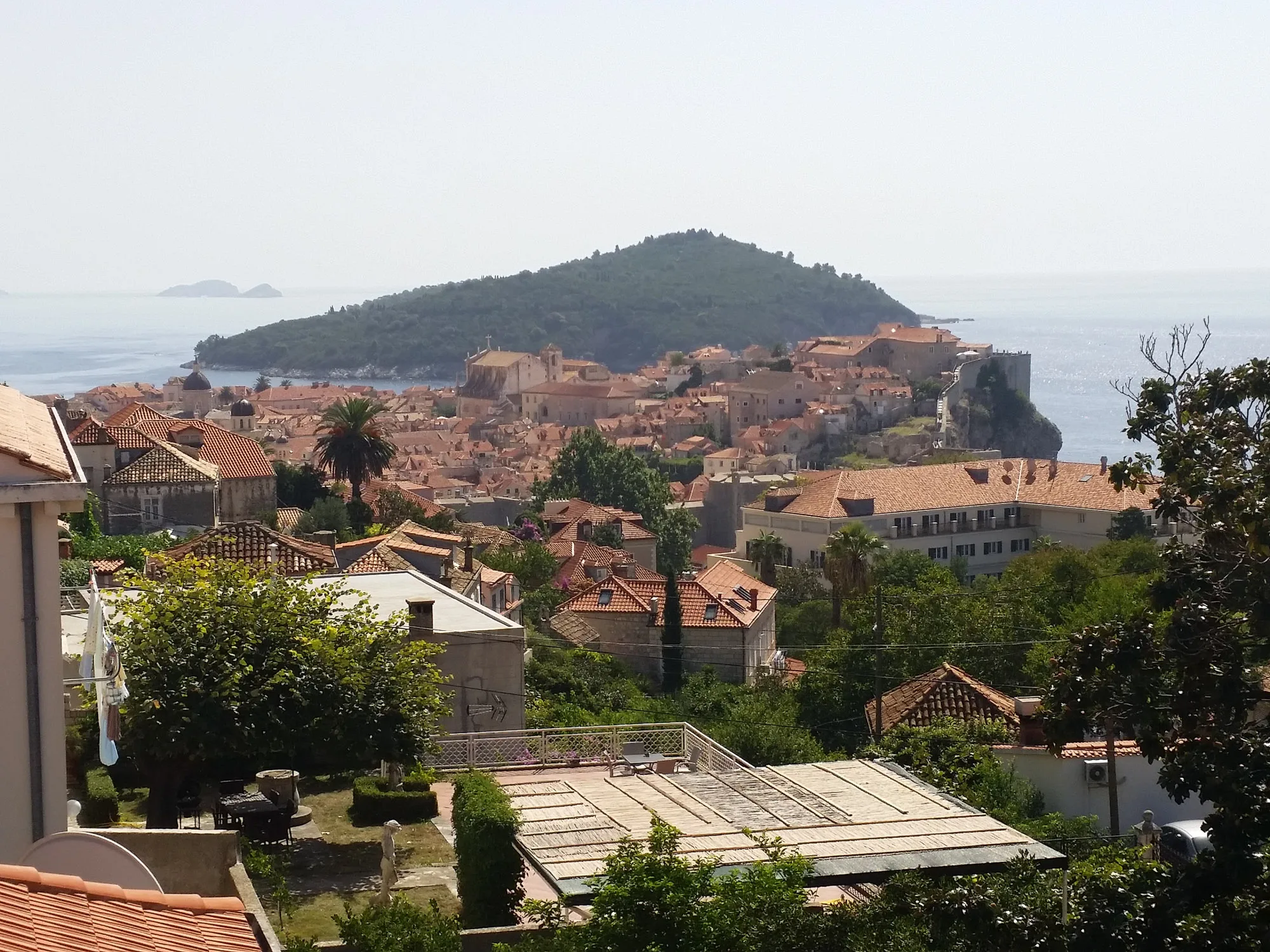
Dubrovnik is Croatia’s most famous historic city and one of the strongest choices for travellers interested in architecture, maritime history and a dramatic coastal setting. The walled Old Town is the main attraction, but the experience extends to Mount Srđ, nearby beaches, boat trips and the surrounding Dubrovnik Riviera.
Best for: first-time visitors, history, architecture, short city breaks and southern Dalmatia.
How long: two to three nights gives more flexibility than a rushed day visit.
2. Split
Split is both a destination and one of Croatia’s most useful travel hubs. Its historic core developed around the remains of Diocletian’s Palace, while the waterfront, markets, neighbourhoods and Marjan peninsula make it a city to experience rather than simply pass through.
Its ferry connections also make Split a natural starting point for Brač, Hvar, Vis and Šolta.
Best for: Roman history, city life, island connections and multi-stop Dalmatian trips.
3. Rovinj
Rovinj is one of the most distinctive towns on the Istrian coast. The old town occupies a compact peninsula crowned by the Church of St Euphemia, with steep lanes descending toward the waterfront.
It works particularly well as a base for exploring western and central Istria, including coastal towns, inland villages, wineries and olive-oil producers.
Best for: couples, Istrian road trips, food-focused travel and atmospheric old-town stays.
4. Plitvice Lakes National Park
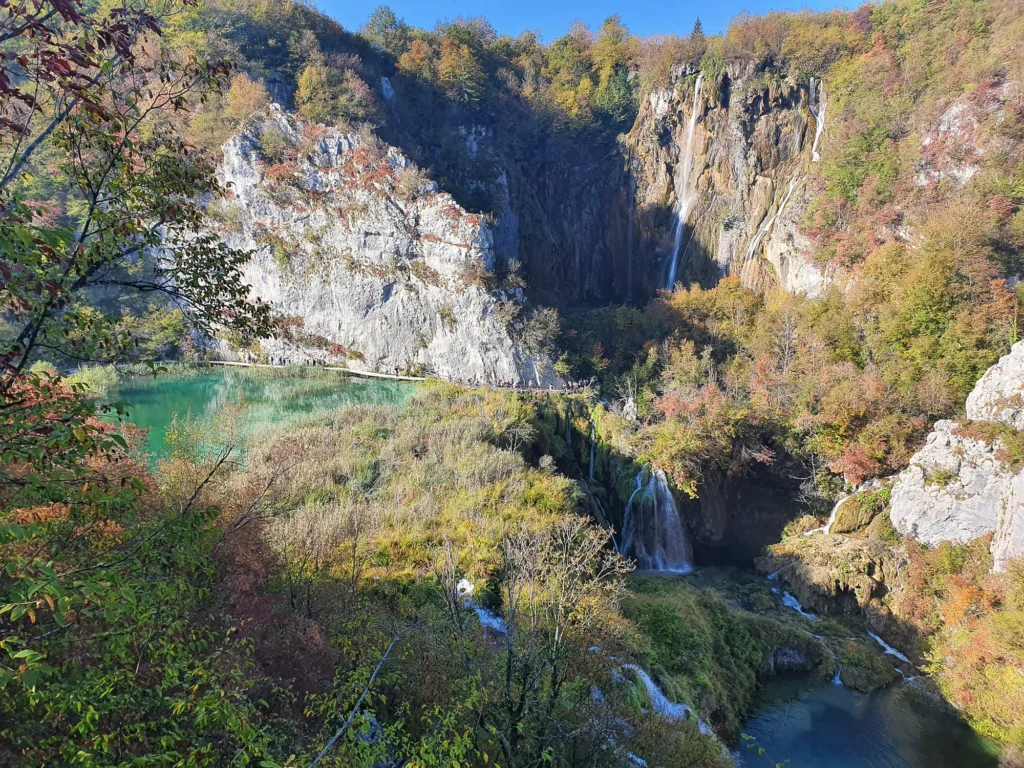
Plitvice Lakes is Croatia’s classic inland nature stop. Its interconnected lakes, waterfalls and forest landscapes make it fundamentally different from the Adriatic destinations that dominate many itineraries.
Rather than squeezing Plitvice into an overambitious coastal day trip, consider placing it naturally on a route between Zagreb and the coast and checking the park’s current entrance system before travelling.
Best for: nature, walking, photography and breaking up a Zagreb-to-coast journey.
5. Zagreb
Zagreb shows a side of Croatia that is easy to miss on a purely coastal holiday. The capital combines the historic Upper Town with markets, museums, parks, café culture and neighbourhood life. The city’s official tourism portal highlights architecture, art, green spaces and gastronomy alongside its classic central sights.
Zagreb is especially useful at the beginning or end of a longer trip and deserves time beyond an airport transfer.
Best for: city breaks, museums, food, culture and year-round travel.
6. Hvar Island
Hvar is one of Croatia’s best-known islands, but it is more varied than the nightlife image associated with Hvar Town. Stari Grad has deep historical roots, while villages, coves, vineyards and the island interior reward travellers who stay longer.
Best for: island stays, historic towns, beaches, nightlife, couples and sailing itineraries.
7. Zadar
Zadar combines a walkable historic peninsula with one of the most useful bases in northern Dalmatia. Roman and medieval remains sit alongside modern waterfront landmarks, while the surrounding region opens toward islands, Velebit and several protected natural areas.
Best for: city-and-nature combinations, island trips and northern Dalmatia road trips.
8. Šibenik
Šibenik has a steep stone historic centre, major fortifications and a strategic position between the coast and Krka National Park. It is a strong alternative for travellers who want a historic Dalmatian city with easy access to nearby coastal towns and islands.
Best for: fortresses, architecture, Krka trips and exploring the Šibenik archipelago.
9. Korčula
Korčula combines an elegant fortified old town with villages, vineyards, beaches and a substantial island landscape. It is a good choice for travellers who want more than a one-night island stop.
The island also fits naturally into a southern Dalmatia itinerary involving Pelješac and Dubrovnik, subject to seasonal transport connections.
Best for: wine, island road trips, historic towns and slower travel.
10. Pula
Pula’s Roman heritage gives it a very different character from many other Croatian coastal towns. The amphitheatre is the headline sight, but the city also works as a base for southern Istria and nearby beaches.
Best for: Roman history, families, southern Istria and travellers arriving through Pula Airport.
11. Brač
Brač is large and varied enough to reward several days. Bol and Zlatni Rat are the best-known names, but the island also includes Supetar, inland villages, stone landscapes, hiking possibilities and quieter coves.
Best for: beaches, active holidays, road trips and an island stay with straightforward links to Split.
12. Krka National Park
Krka is one of Dalmatia’s major nature destinations and combines river landscapes, waterfalls and cultural sites. Its location makes it particularly easy to incorporate into a northern or central Dalmatian itinerary.
Visitor routes, ticket arrangements and access rules can change, so check official park information for the date of your visit.
Best for: nature, families, day trips and itineraries based around Šibenik.
13. Poreč
Poreč is one of western Istria’s most useful coastal bases. Its historic centre contains the Euphrasian Basilica complex, while the surrounding coast has extensive accommodation and easy access to the rest of the peninsula.
Best for: heritage, family holidays, beaches and Istrian touring.
14. Motovun and Inland Istria
Motovun sits above the Mirna valley and represents the inland side of Istria: hill towns, vineyards, forests, local food and scenic roads. Nearby Grožnjan adds galleries and an artistic identity, while smaller villages make the area ideal for unhurried exploration.
Best for: road trips, wine, truffles, countryside and travellers who want a break from the coast.
15. Opatija
Opatija developed as a major Adriatic resort during the Austro-Hungarian period, and its villas, hotels, parks and seafront promenade still distinguish it from medieval coastal towns farther south.
Its position also makes it a useful gateway between Istria, Rijeka, the Kvarner islands and mountain areas inland.
Best for: elegant resort atmosphere, walking, wellness and Kvarner exploration.
16. Krk Island
Krk is one of the easiest Croatian islands to include in a road trip because it is connected to the mainland by bridge. Krk Town, Baška, Vrbnik and smaller coastal settlements offer very different bases.
Best for: driving holidays, beaches, wine, families and first-time island visitors.
17. Paklenica National Park
Paklenica protects the dramatic Velika and Mala Paklenica canyons on the southern slopes of Velebit. The area combines karst formations, forests, mountain meadows and caves, and is particularly important for hiking and climbing.
Best for: hiking, climbing, mountains and active holidays.
18. Vis
Vis lies farther from the mainland than many of Croatia’s most visited islands, which helps give it a distinct atmosphere. Vis Town and Komiža provide two different bases, while the island’s coves, military history, food and surrounding sea make it especially rewarding for a longer stay.
Best for: slower island travel, swimming, food and boat-based experiences.
19. Mljet
Mljet is a strong choice for travellers prioritising nature and a quieter island rhythm. Its western end is associated with Mljet National Park, while the island as a whole rewards travellers who are comfortable with a less urban experience.
Best for: nature, walking, swimming and relaxed southern Dalmatia trips.
20. Osijek and Baranja
Osijek and neighbouring Baranja show why Croatia should not be reduced to the Adriatic. Osijek sits on the Drava, while Baranja adds wetlands, wine roads, villages and distinctive regional food. Kopački Rit is one of the major natural attractions of eastern Croatia.
Best for: repeat visitors, food, wine, wetlands, cycling and a completely different Croatian landscape.
How to Choose the Best Places for Your Trip
The best destinations depend less on a universal ranking than on how they fit together geographically.
For a First Croatia Trip
A combination such as Split plus one island, Dubrovnik plus nearby southern Dalmatia, or Rovinj plus wider Istria is easier to enjoy than a cross-country sprint.
For Beaches and Islands
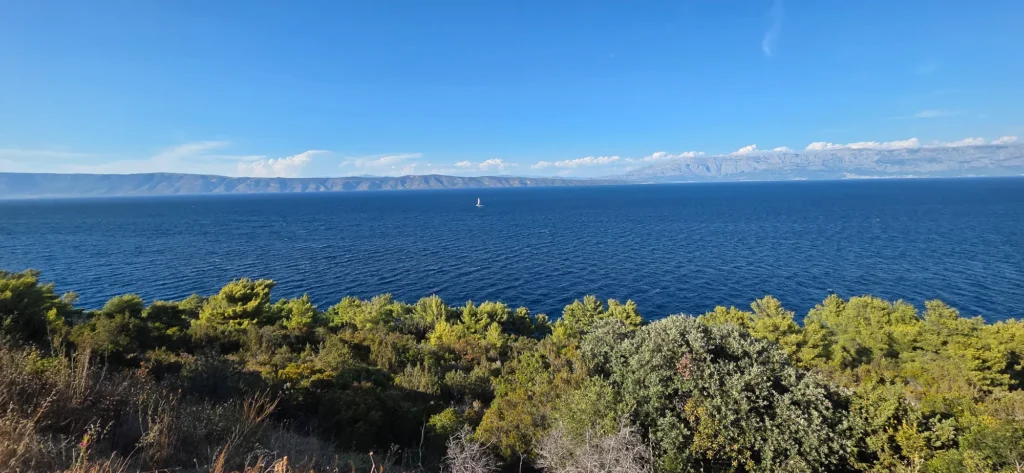
Look at Hvar, Brač, Vis, Korčula, Krk and the Dalmatian coast, but choose according to ferry access and the type of atmosphere you want.
For History and Architecture
Dubrovnik, Split, Pula, Šibenik, Zadar, Trogir, Poreč and Zagreb offer very different periods of Croatian and European history.
For Nature and Outdoor Travel
Plitvice, Paklenica, Krka, Mljet, Velebit and Kopački Rit demonstrate how varied Croatia’s protected landscapes are, from mountains and waterfalls to islands and wetlands.
For Food and Wine
Istria, Pelješac, Korčula, Baranja and many Dalmatian islands are particularly rewarding when food and wine are central to the itinerary.
Best Places in Croatia Without a Car
Dubrovnik, Split, Zagreb, Zadar and many island towns can work well without a car if accommodation is chosen carefully. Ferries and buses can connect major stops, but the route should be designed around actual timetables.
A car becomes more valuable for inland Istria, rural wine areas, mountain regions and trips involving many small settlements.
Frequently Asked Questions
What are the must-see places in Croatia?
For many first-time visitors, Dubrovnik, Split, an Adriatic island and one major natural area form a strong introduction. Zagreb or Istria can add a completely different dimension if time allows.
Which Croatian island should I visit first?
Hvar suits travellers wanting a broad mix of historic towns, beaches and activity; Brač is practical from Split; Krk works especially well with a car; Korčula is excellent for wine and historic atmosphere; and Vis suits travellers seeking a slower island stay.
Is Dubrovnik or Split better?
They serve different trips. Dubrovnik has the more concentrated monumental old-town experience, while Split functions more naturally as a lived-in city and transport hub for central Dalmatia and the islands.
Should I visit the coast or inland Croatia?
For a first summer trip, the coast often forms the core itinerary. Inland Croatia becomes especially valuable for Zagreb, Plitvice, mountain landscapes, wine regions and travellers returning for a deeper look at the country.
Build the Route Around Geography
Croatia’s best places become more rewarding when they are combined logically. Pick one anchor destination, add nearby places that offer something different, and resist the temptation to cross the country simply to tick off another famous name. A well-paced regional itinerary usually reveals more of Croatia than a longer list of rushed stops.
Plan your trip
Planning your trip to Croatia?
Explore practical guides, destinations and travel tips before you go.