Getting to Croatia is straightforward from most of Europe, but the best route depends heavily on where you plan to stay. Flying is usually the fastest option for the Adriatic coast and longer international trips, driving gives the most flexibility for multi-region holidays, long-distance buses are useful from neighbouring countries, trains work best for Zagreb and selected international corridors, and ferries can be a practical seasonal option from Italy.
The most important planning step is to match your arrival point to your first destination. A cheap flight into the wrong part of the country can add hours of onward travel, while a slightly more expensive direct arrival can save an entire travel day.
Quick Guide: The Best Way to Get to Croatia
- By plane: usually best for visitors coming from the UK, Ireland, Scandinavia, Western Europe and long-haul destinations.
- By car: ideal from Slovenia, Austria, northern Italy, Hungary, southern Germany and nearby Central European countries.
- By bus: often useful from Ljubljana, Trieste, Vienna, Budapest, Sarajevo, Belgrade and other regional cities.
- By train: most practical for Zagreb and some routes via Slovenia, Austria, Switzerland, Germany and Hungary.
- By ferry: useful mainly from Italy, especially for travellers heading toward Dalmatia.
If your trip includes several regions, compare arrival options before booking accommodation. For example, travellers combining Zagreb with the coast may find an open-jaw plan useful: arrive in Zagreb, travel south, and fly home from Split or Dubrovnik.
Getting to Croatia by Plane
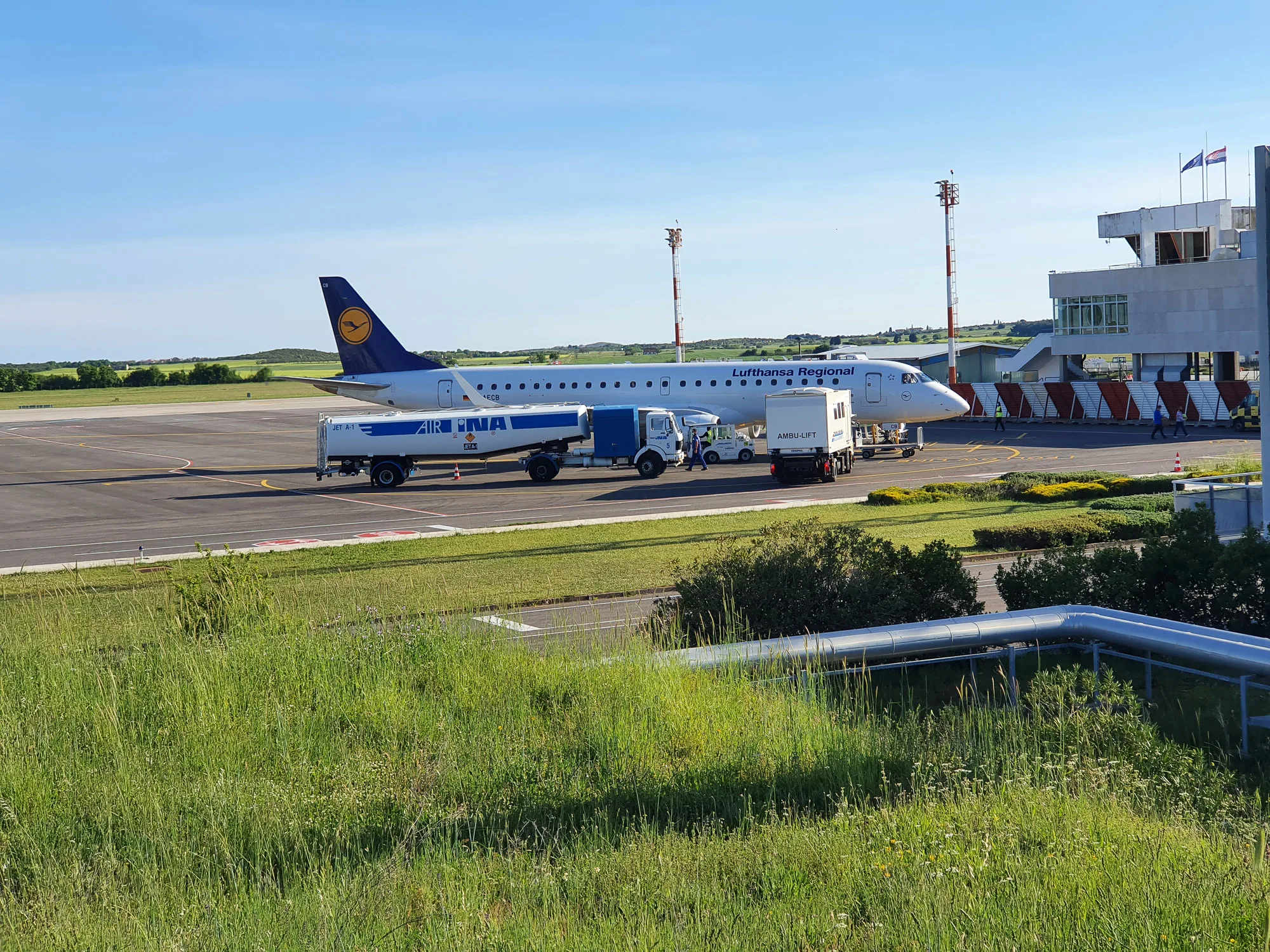
Flying is the main international arrival method for many visitors, particularly during the main tourism season. Croatia has several commercial airports, and the right one depends on the region you want to visit.
- Zagreb Airport: the main year-round gateway for the capital and inland Croatia.
- Split Airport: one of the most useful gateways for Split, Trogir, Central Dalmatia and ferry connections to islands such as Brač, Hvar, Vis and Šolta.
- Dubrovnik Airport: the natural arrival point for Dubrovnik, Cavtat, Konavle and much of Southern Dalmatia.
- Zadar Airport: convenient for Zadar, Northern Dalmatia, Pag, the Zadar archipelago and parts of the Šibenik region.
- Pula Airport: the main air gateway for Istria, including Pula, Rovinj, Poreč and the southern and western Istrian coast.
- Rijeka Airport: located on Krk and useful for parts of Kvarner, depending on the seasonal route network.
- Osijek Airport: useful for Slavonia and Eastern Croatia when suitable connections are available.
Smaller airports, including Brač and Mali Lošinj, serve more limited or specialist traffic. Route networks vary considerably by season, so the most practical airport in July may not be the best option in November.
For a detailed comparison of Croatian gateways, see the Croatia airports guide.
Choose the airport for your region, not just the cheapest fare
A common mistake is choosing the lowest airfare without considering the transfer afterwards. Zagreb is excellent for the capital and inland travel, but it is not the closest airport to most Adriatic resorts. Split may be ideal for Hvar or Brač because of onward ferry connections, while Dubrovnik is much more practical for a holiday centred on Southern Dalmatia.
Before booking, compare the complete journey: flight time, baggage cost, airport transfer, bus or rental-car time, ferry connection and arrival time at your accommodation.
Getting to Croatia by Car
Driving to Croatia is particularly popular from Central Europe. Motorway connections are good, and arriving with your own car can be especially useful for rural areas, national parks, Istria, inland Dalmatia and multi-stop road trips.
The most common overland approaches are through Slovenia and Hungary for travellers arriving from the EU and Schengen Area. Travellers arriving from Bosnia and Herzegovina, Serbia or Montenegro cross an external Schengen border, where document checks and current border procedures apply.
For road conditions, closures, border waiting times and traffic information, check the Croatian Automobile Club (HAK) before and during your trip. Summer Saturdays, holiday periods and major changeover weekends can produce heavy traffic on motorways, access roads and border approaches.
Our driving in Croatia guide explains road rules, tolls and practical driving advice. If you plan to hire a vehicle after arrival, see the car rental guide.
Do you need motorway vignettes before reaching Croatia?
Croatia itself uses a distance- and vehicle-category-based motorway toll system on much of its motorway network rather than a national motorway vignette. However, your route to Croatia may pass through countries that use vignettes or other toll systems. Check each transit country separately before departure.
Driving through Bosnia and Herzegovina or Montenegro
Some itineraries in Southern Dalmatia and the wider region may involve non-EU neighbours. Always check your vehicle insurance, rental-car permissions and border documents before crossing. Rental companies can impose their own cross-border conditions even where the road journey itself is permitted.
For current border procedures and practical road-crossing advice, use the Croatia border crossings guide.
Getting to Croatia by Bus
International coaches can be a practical option from neighbouring and nearby European cities, particularly when a direct train is unavailable. Zagreb is the main hub, but international buses also serve coastal cities and regional centres on selected routes.
Bus travel can work well from places such as Ljubljana, Trieste, Vienna, Budapest, Sarajevo and Belgrade, although exact operators and timetables change. In summer, additional seasonal services may appear, while winter networks can be more limited.
When comparing buses, check:
- the exact departure and arrival stations;
- whether the service is direct or requires a transfer;
- luggage rules and extra baggage fees;
- border-crossing time on routes from outside Schengen;
- whether the bus continues to your coastal destination or ends in Zagreb.
For long journeys, the bus can be economical, but a cheap flight plus airport transfer may sometimes be faster and similarly priced. Compare the complete door-to-door trip rather than the base ticket alone.
Getting to Croatia by Train
International rail is most useful for Zagreb and selected routes connecting Croatia with Slovenia and Central Europe. It is generally less convenient for reaching many coastal resorts directly.
In 2026, HŽ Putnički prijevoz lists international and seasonal services that include connections such as Zagreb–Zürich, as well as selected seasonal trains linking the Adriatic with Slovenia, Austria and other Central European destinations. These services can change because of seasonal operation and infrastructure works, so always verify your travel date on the official HŽPP international timetable.
Rail can be attractive if you enjoy slower travel, want to avoid flying, or plan to combine Zagreb with Ljubljana, Graz, Vienna or other Central European cities. For many Dalmatian destinations, however, a bus, flight or combination of train and bus is usually more practical.
Getting to Croatia by Ferry from Italy
Ferries across the Adriatic are a distinctive way to arrive in Croatia and can be useful for travellers combining Italy with Dalmatia. They are also valuable for passengers travelling with a car.
Jadrolinija’s 2026 international network includes routes such as Split–Ancona, Split–Bari, Dubrovnik–Bari and a fast Zadar–Ancona connection. International services are seasonal and may be interrupted or adjusted during the year, so check the official Jadrolinija timetable for your exact travel date before building an itinerary around a crossing.
If a sea crossing is part of a wider island trip, our Croatia ferry guide explains vehicle ferries, catamarans, reservations and island-hopping in more detail.
Best Arrival Point for Each Part of Croatia
Istria
Pula Airport is the closest air gateway for much of Istria. Travellers from northern Italy, Slovenia, Austria and southern Germany may find driving especially convenient. Trieste, Venice and Ljubljana can also work as useful international access points when transport connections align with your itinerary.
Kvarner
Rijeka Airport can be useful when suitable flights operate, but Zagreb, Pula and even Ljubljana may be practical alternatives depending on your destination. Travellers heading to Krk, Cres or Lošinj should include bridge or ferry connections in their planning.
Northern Dalmatia
Zadar Airport is usually the most convenient gateway for Zadar and nearby destinations. Split can sometimes be an alternative for the southern part of the region, while driving is excellent for travellers combining several coastal towns, islands and national parks.
Central Dalmatia
Split Airport is the main gateway for Split, Trogir, Omiš, Makarska and many island itineraries. Travellers heading to Hvar, Brač, Vis or Šolta should coordinate flight arrival times with onward ferry departures rather than treating the air ticket and ferry as separate decisions.
Southern Dalmatia
Dubrovnik Airport is usually the simplest choice for Dubrovnik, Cavtat and Konavle. For Korčula, Mljet and Pelješac, compare Dubrovnik and Split based on ferry, road and catamaran connections for your dates.
Zagreb and Central Croatia
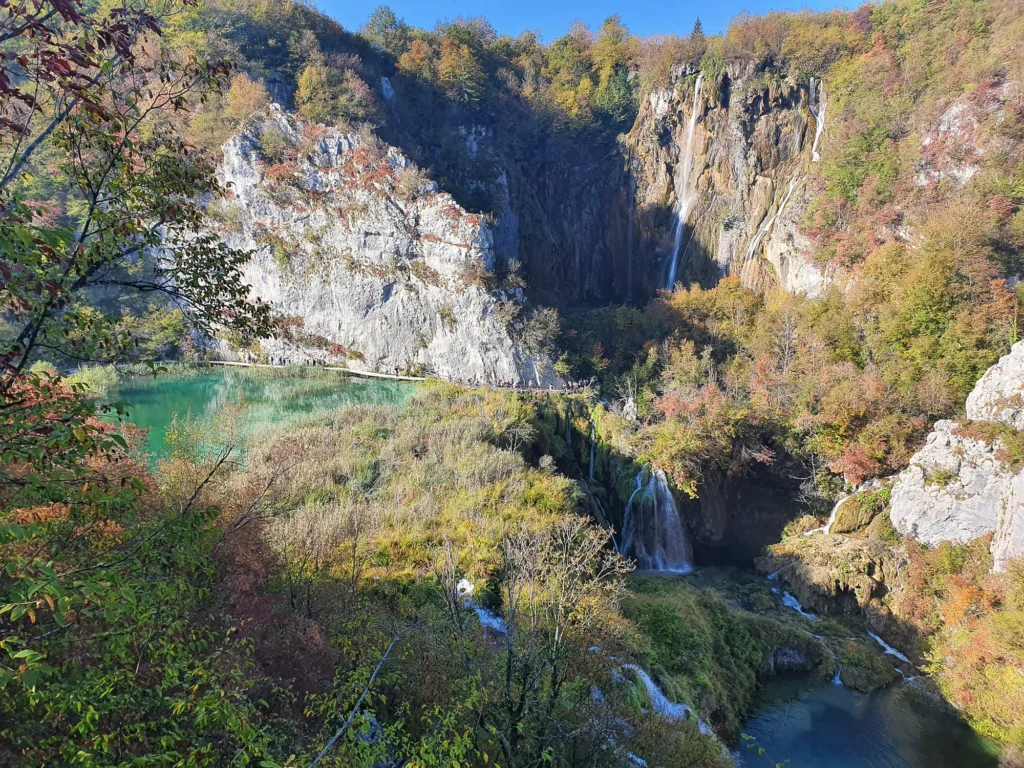
Zagreb Airport is the natural air gateway, while international rail and bus connections also make the capital accessible from Central Europe. Zagreb is also a useful starting point for a cross-country itinerary toward Plitvice Lakes and the Adriatic.
Slavonia and Eastern Croatia
Osijek Airport can be useful when routes match your trip, while Zagreb plus rail, bus or car is often the most flexible alternative. Driving can be particularly useful for exploring Baranja, Vukovar, Ilok and rural wine areas.
Entry Documents and Border Checks
Croatia is part of the Schengen Area, but the rules that apply to you depend on your nationality, where you are arriving from and the documents you hold. Travellers arriving from another Schengen country normally do not pass a routine internal border control, while arrivals from outside Schengen are subject to external-border procedures.
Do not rely on old forum posts for passport, visa, EES or ETIAS information. These systems and implementation dates can change. Check the Croatia entry requirements guide before travel and verify official rules close to departure.
Getting from Your Arrival Point to Your Final Destination
Reaching Croatia is only the first part of the journey. The last transfer can be more important than the international leg, particularly for islands, rural areas and smaller coastal towns.
- Airport to city: check official airport buses, local buses, taxis and pre-booked transfers.
- Airport to island: leave enough time between landing and ferry departure, especially when checking baggage.
- Train to coast: expect to use a bus, taxi or local connection for many final destinations.
- International bus arrival: confirm whether the bus station is central and how late local transport operates.
- Driving: research parking before arriving in historic centres and old towns.
If you are planning a multi-stop holiday, the Croatia road trip guide can help you structure the route. Travellers who prefer public transport should also review the Croatia without a car guide.
Should You Arrive in One City and Leave from Another?
Often, yes. Croatia is long and geographically varied, so returning to your original arrival point can waste time on a one-way itinerary.
Useful open-jaw combinations can include:
- Zagreb arrival and Split departure;
- Zagreb arrival and Dubrovnik departure;
- Pula arrival and Zagreb departure;
- Split arrival and Dubrovnik departure;
- Dubrovnik arrival and Split departure.
The best combination depends on flight availability and your route, but open-jaw planning is particularly effective for travellers visiting two or more regions.
When to Book Transport to Croatia
Summer demand is highest for flights, ferries and popular long-distance routes, especially from late June through August. If your trip depends on a specific international flight or ferry crossing, book the fixed international leg first and then build accommodation and local transport around it.
In spring, autumn and winter, the main issue is usually not capacity but reduced seasonal frequency. Some air and sea routes do not operate all year, so check transport before committing to an off-season itinerary.
Common Mistakes When Planning the Journey to Croatia
- Booking the cheapest airport without checking the transfer. A long ground journey can erase the saving.
- Assuming every coastal airport has strong year-round service. Many routes are seasonal.
- Planning a tight flight-to-ferry connection. Flight delays and baggage collection can cause missed sailings.
- Using old ferry or train timetables. Check the exact year and travel date.
- Ignoring external Schengen borders. Routes involving Bosnia and Herzegovina, Serbia or Montenegro can require additional border time and procedures.
- Returning to the same airport unnecessarily. An open-jaw itinerary can save many hours.
Frequently Asked Questions
What is the easiest way to get to Croatia?
For most international visitors, flying is easiest. Travellers from nearby Central European countries may find driving more convenient, especially for Istria, Kvarner and multi-stop road trips.
Which airport is best for Croatia?
There is no single best airport. Zagreb is best for the capital and inland Croatia, Split for Central Dalmatia and many islands, Dubrovnik for the far south, Zadar for Northern Dalmatia and Pula for Istria.
Can you travel to Croatia by train?
Yes. International rail connections serve Zagreb and selected other destinations, with some seasonal Adriatic services. Rail is less comprehensive along the coast than bus and road transport.
Can you get to Croatia by ferry from Italy?
Yes. International Adriatic routes operate between Italy and Croatian ports, particularly in Dalmatia. Routes and operating dates are seasonal, so verify the current timetable before booking.
Is it easy to drive to Croatia from Austria, Slovenia or Italy?
Yes. Croatia is well connected by motorway and major roads. Check toll systems in each transit country and use HAK for live Croatian traffic and road information.
Do I need a passport to enter Croatia?
The required document depends on your nationality and travel status. EU/EEA/Swiss citizens and third-country nationals follow different rules. Check official requirements before departure rather than relying on general assumptions.
Final Planning Advice
The best way to get to Croatia is the one that delivers you close to the first place you actually want to visit. Start with the itinerary, then choose the airport, road route, bus, train or ferry that fits it. For a simple city break, this may mean a direct flight. For a two-week coast-and-islands trip, it may mean arriving in one city and leaving from another. For travellers from nearby Europe, driving can provide the greatest freedom.
Whatever route you choose, check the final timetable, border information and seasonal operating dates shortly before departure. Croatia’s transport network is extensive, but the smartest journey is built around geography rather than ticket price alone.
Plan your trip
Planning your trip to Croatia?
Explore practical guides, destinations and travel tips before you go.