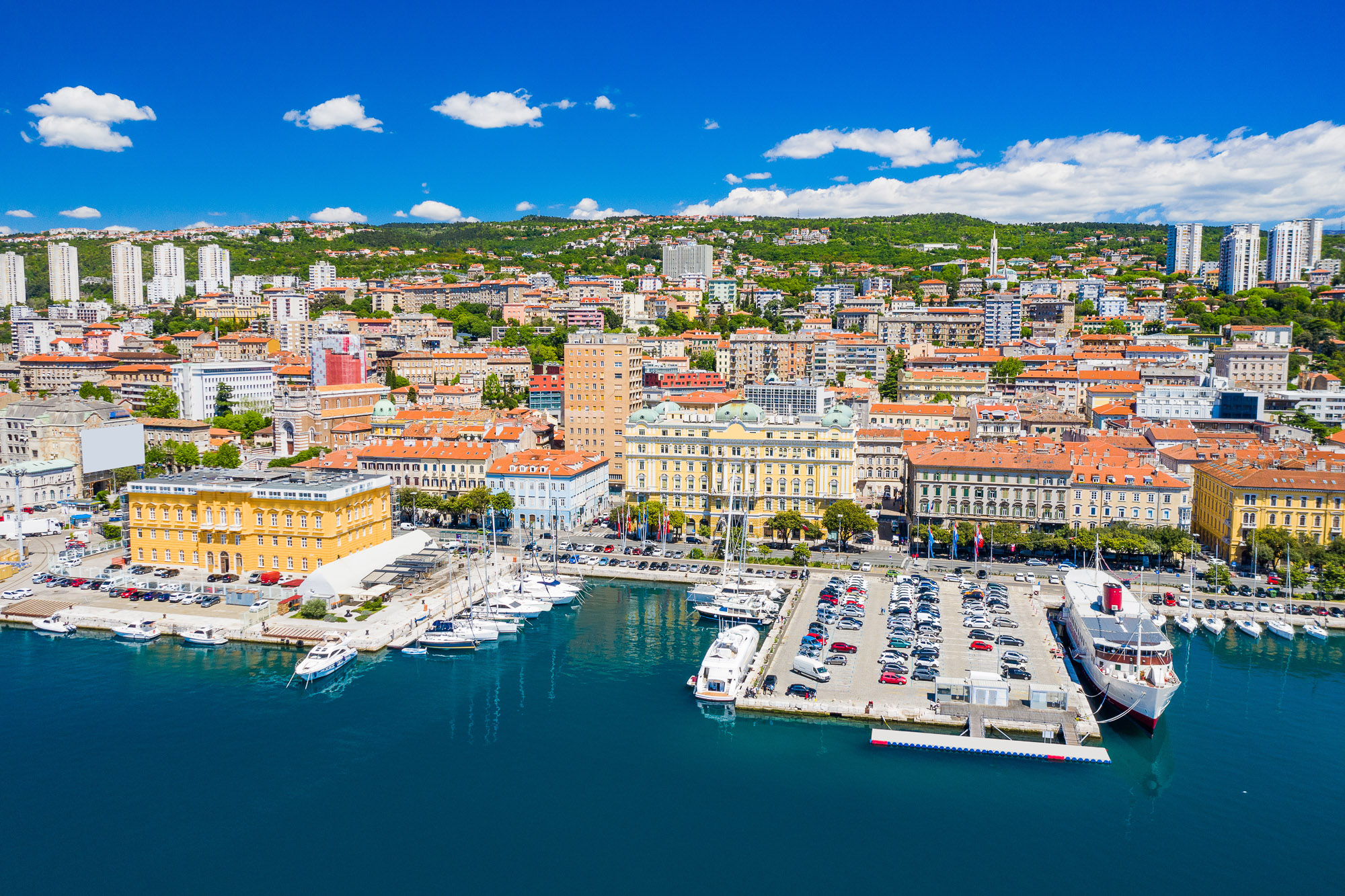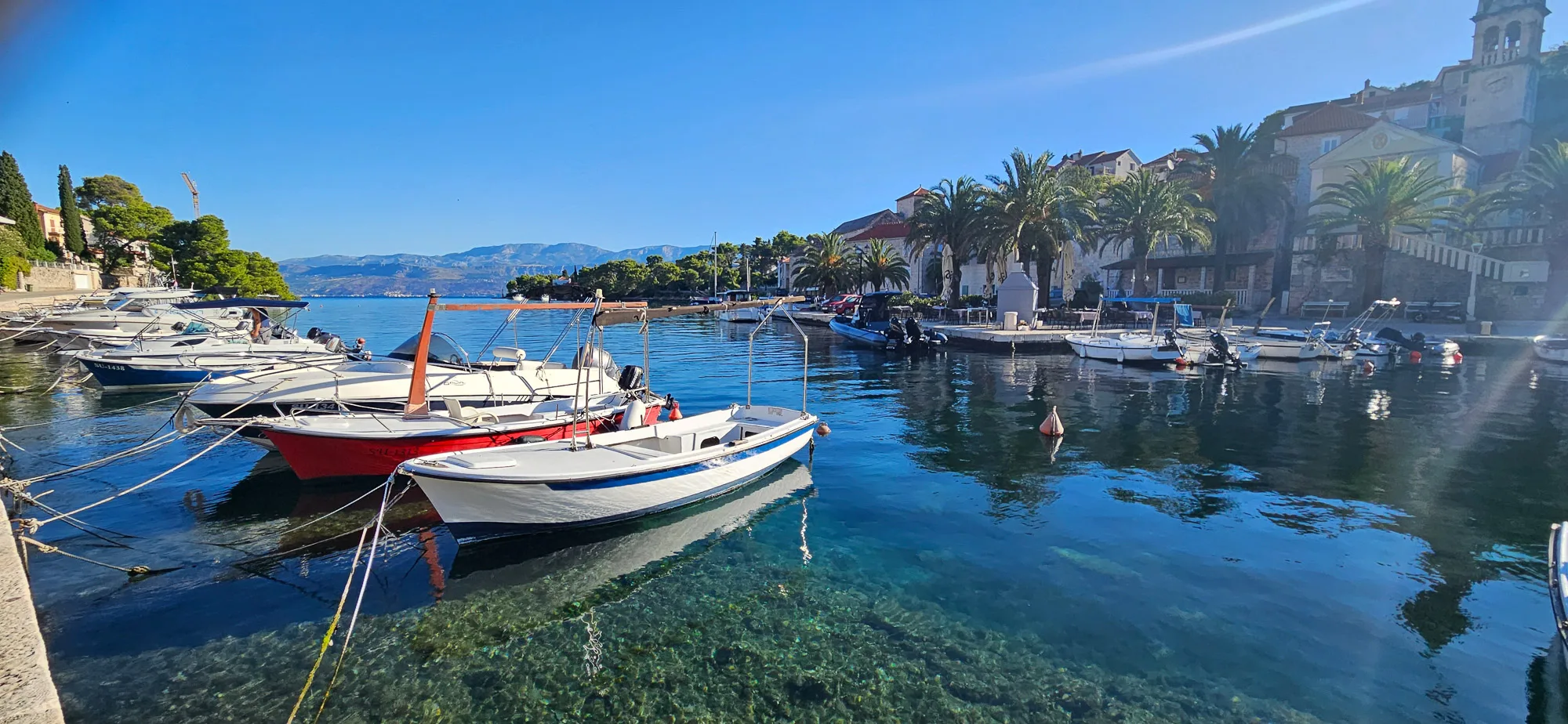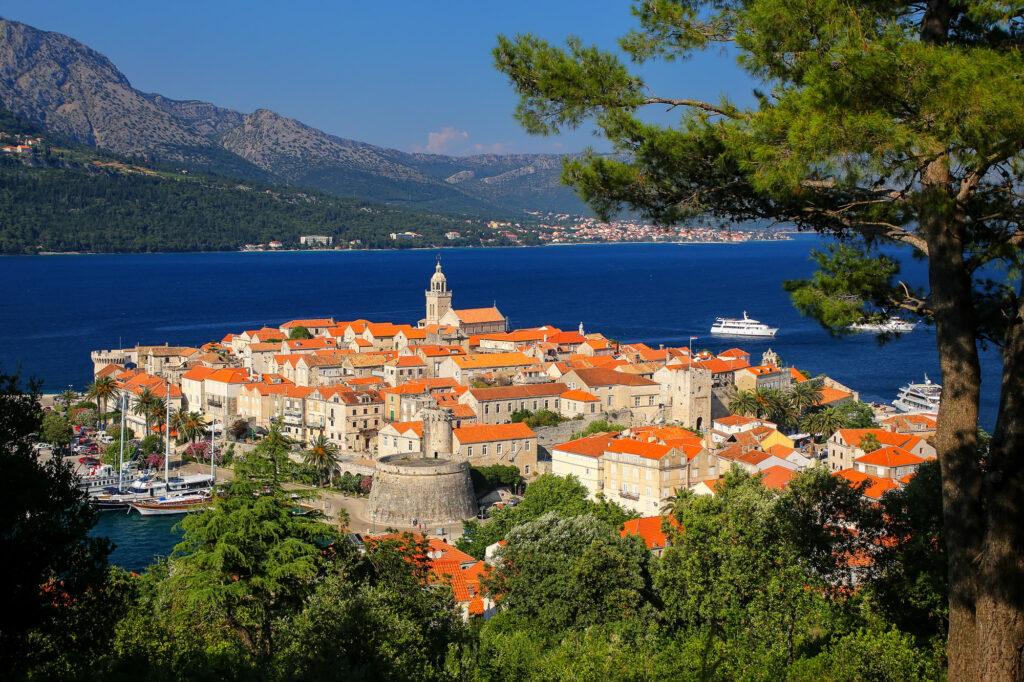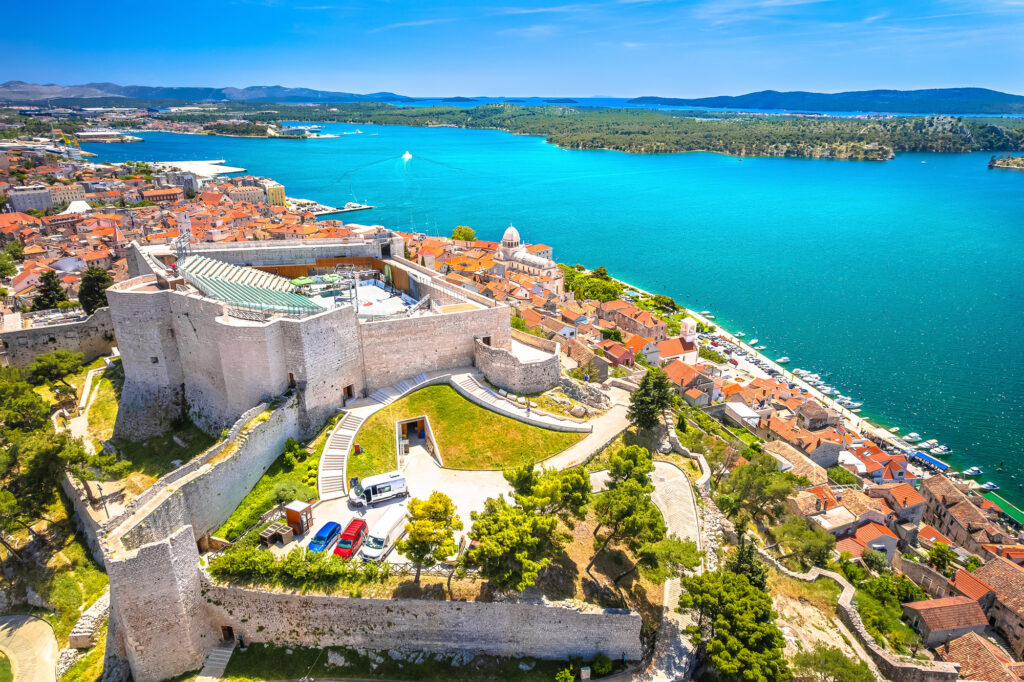
Kvarner is one of Croatia’s most varied travel regions. Around a single gulf you can combine the city life of Rijeka, the grand seafront of Opatija, family-oriented coastal resorts, islands such as Krk, Cres, Lošinj and Rab, and the forested mountain landscapes of Gorski Kotar. Few Croatian regions let you move from an Adriatic promenade to alpine-feeling woodland in such a short distance.
Why visit Kvarner?
Kvarner is a strong choice for travellers who want more than a classic beach holiday. The region offers historic coastal towns, island beaches, mountain hiking, wellness traditions, seafood, local wine and easy road access from Zagreb, Istria, Slovenia and northern Italy.
It also works well as a bridge between northern and southern Croatia. A Kvarner stay can fit naturally into a longer Croatia road trip or a multi-region plan using the Croatia itineraries guide.
How Kvarner is divided
The region is easiest to understand as three contrasting zones:
- The mainland coast: Rijeka, Opatija, the Crikvenica-Vinodol Riviera and smaller coastal towns.
- The islands: Krk, Cres, Lošinj and Rab are the best-known holiday islands, each with a different character.
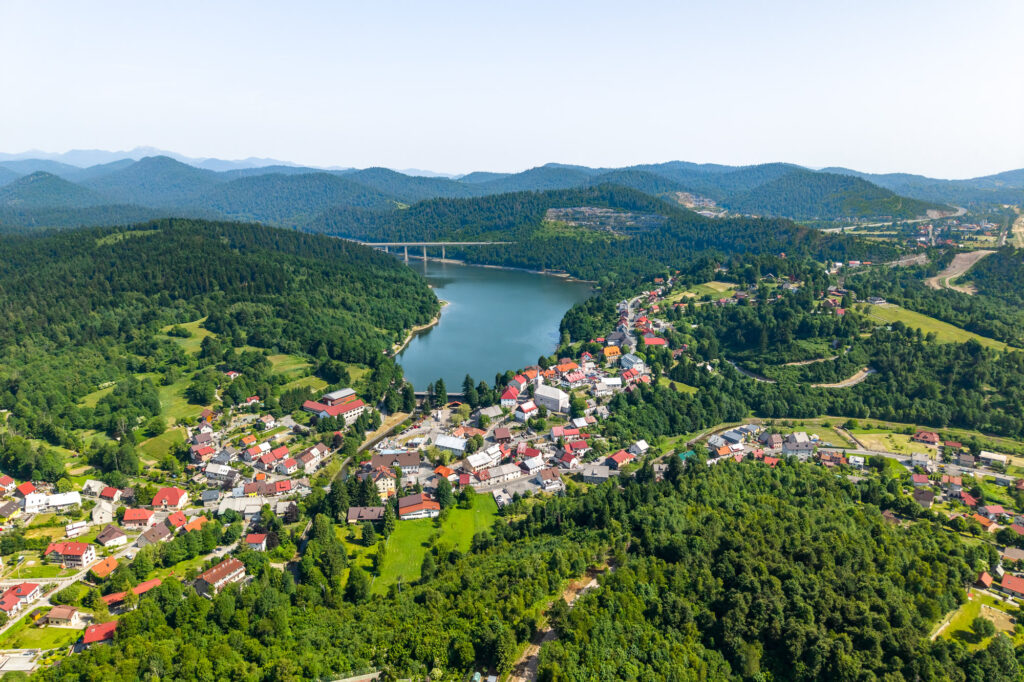
- Gorski Kotar: a cooler, forested mountain area with lakes, hiking, wildlife and small towns.
The official Kvarner tourism organisation describes this same coast-islands-mountains combination as the region’s defining strength, and it is the key to planning a good trip rather than treating Kvarner as one uniform destination.
Best places to visit in Kvarner
Rijeka
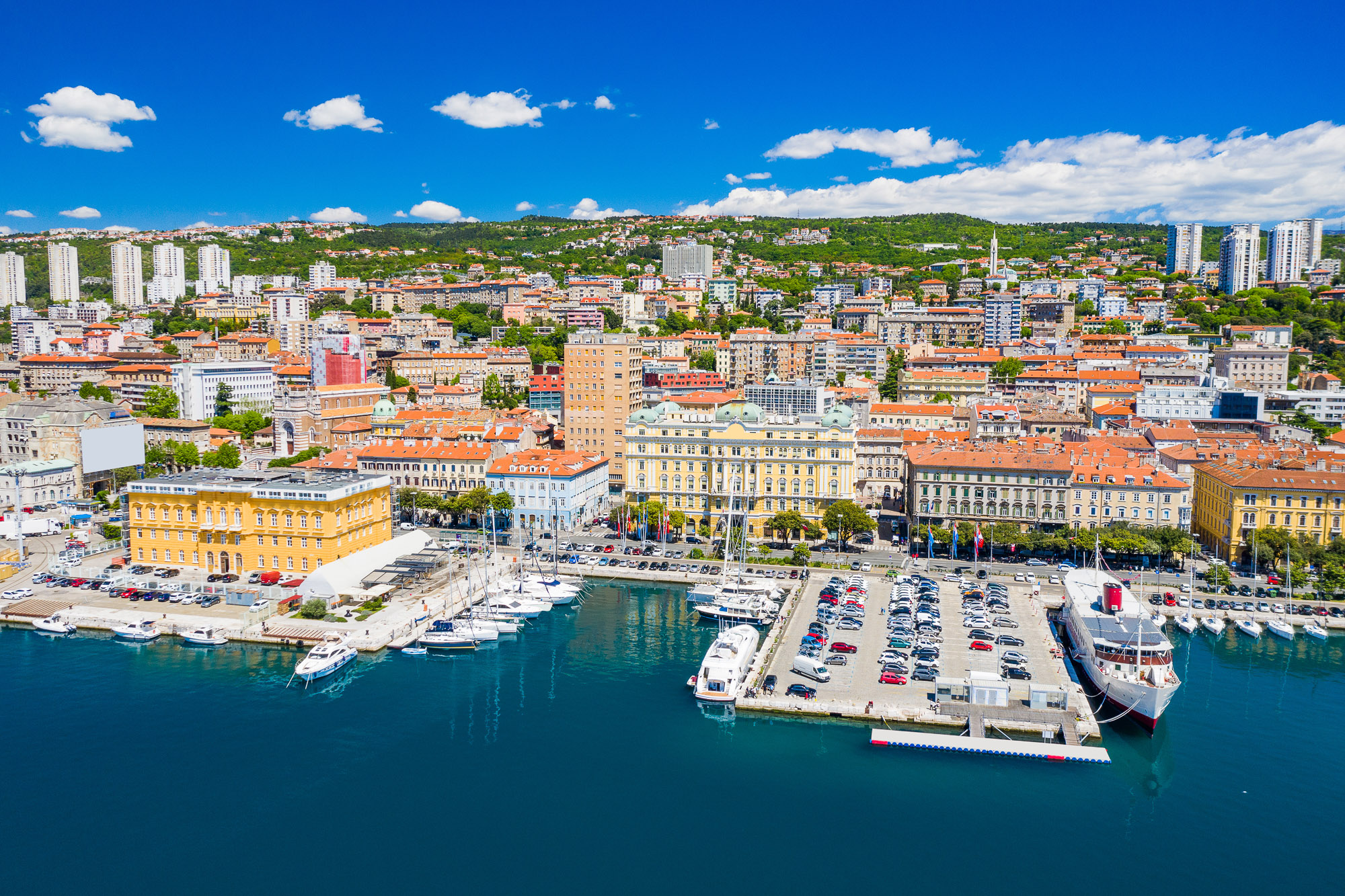
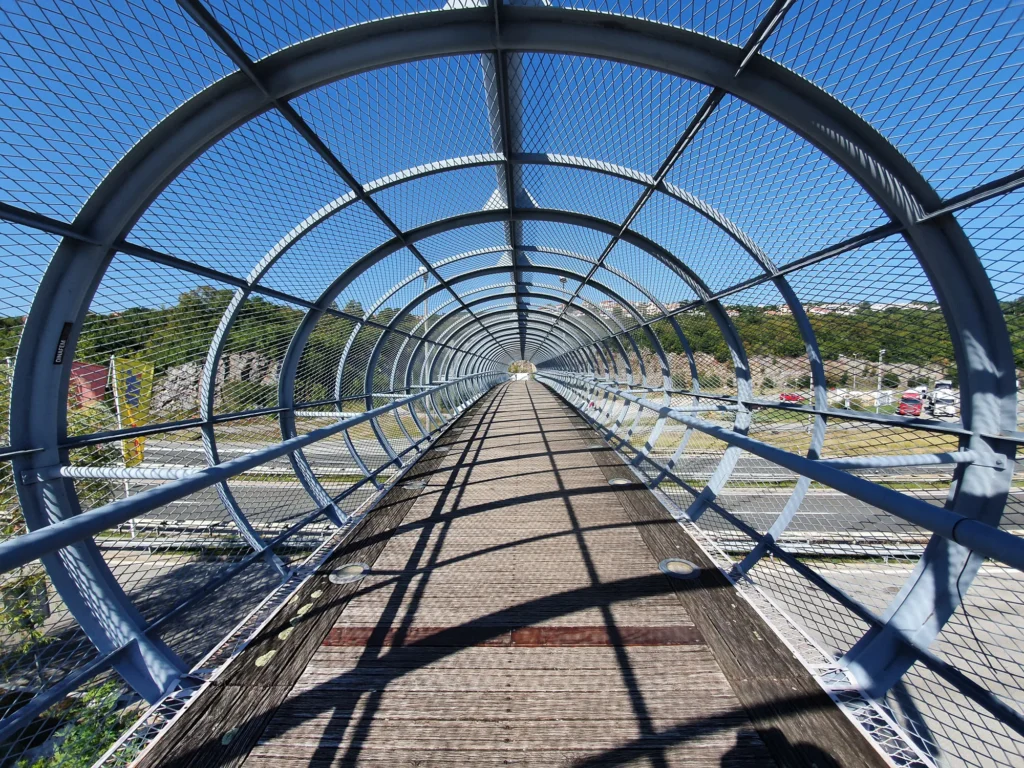
Rijeka is Croatia’s major northern Adriatic port city and the region’s urban centre. It is a good choice for travellers who prefer local city life, markets, museums, architecture and transport connections over a resort atmosphere. Trsat, the Korzo and the city’s industrial and maritime heritage give Rijeka a personality quite different from Croatia’s better-known old-town destinations.
Opatija
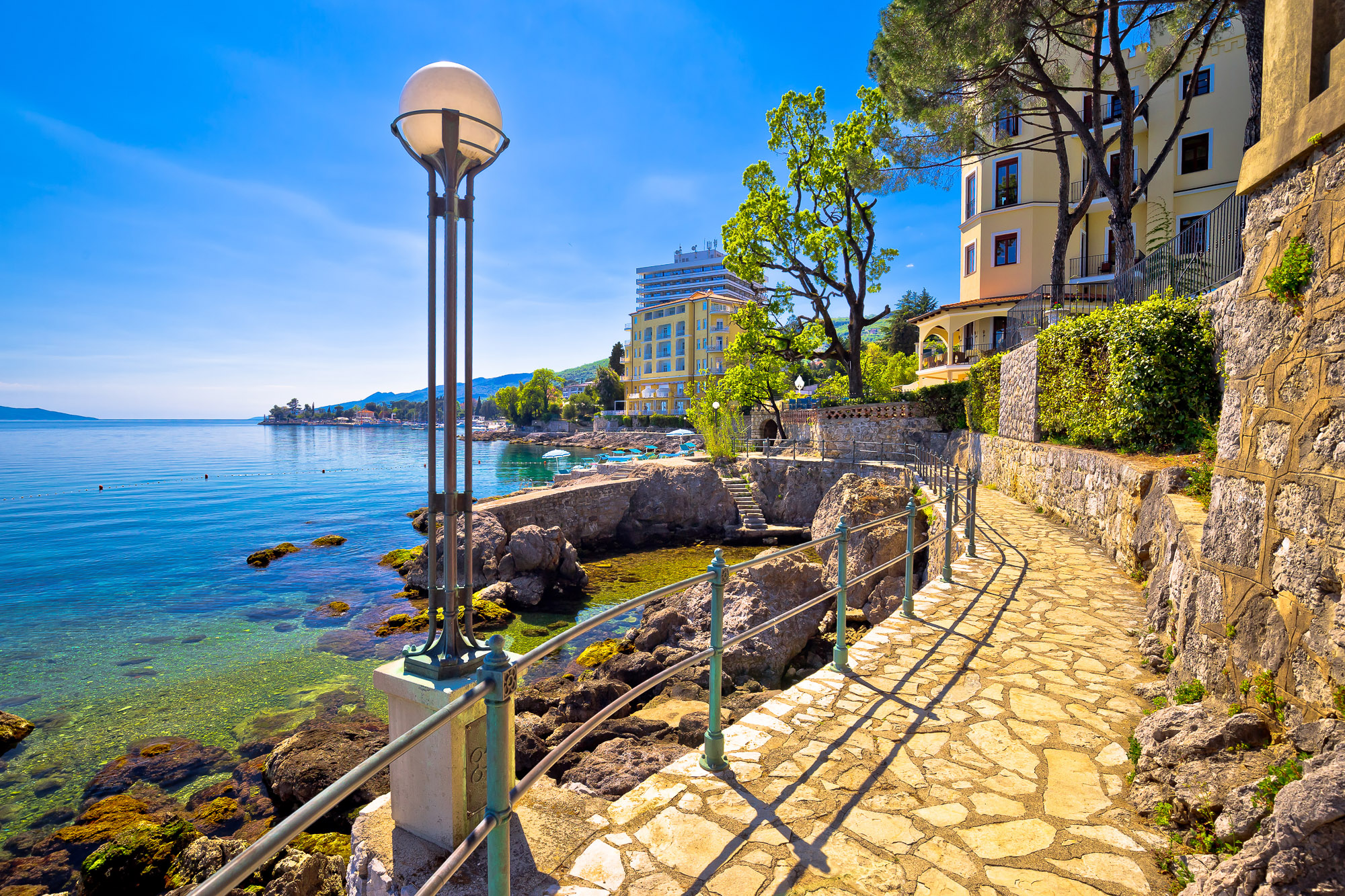
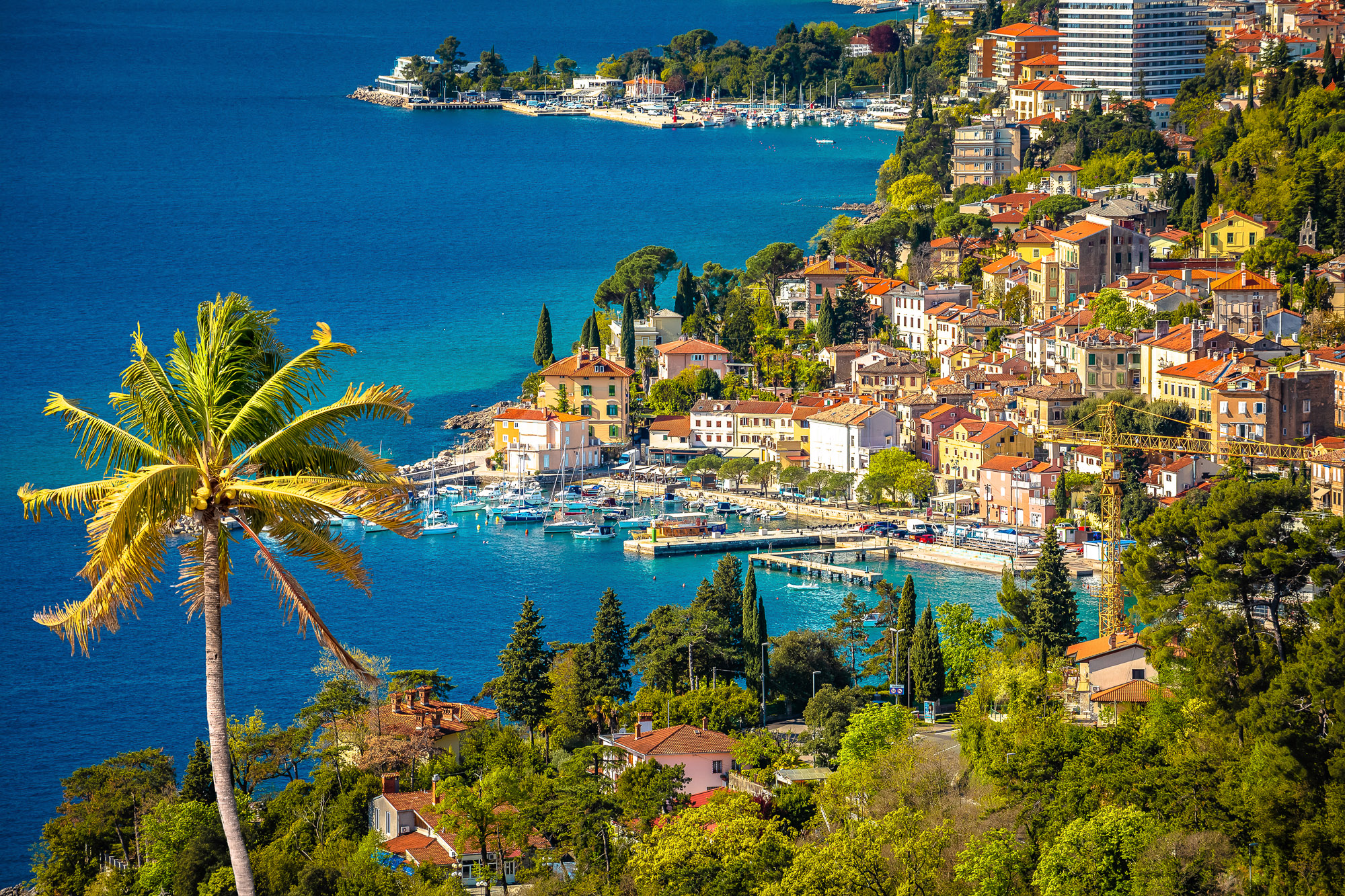
Opatija is the classic elegant resort of Kvarner. Its grand villas, historic hotels, parks and long seafront promenade reflect a tourism tradition that developed in the Habsburg era. It is especially attractive for couples, wellness breaks and travellers who enjoy an evening promenade more than a late-night party scene.
Krk Island
Krk is one of the easiest Croatian islands to reach because it is connected to the mainland by bridge. The island combines historic towns, vineyards, beaches, walking routes and a wide range of accommodation. Krk Town, Baška, Vrbnik and the northern part of the island all offer distinct experiences, so it is worth choosing a base according to your interests rather than simply booking the first beach resort you find.
Cres and Lošinj
Cres is known for a wilder, more spacious feel, small settlements and dramatic island landscapes. Lošinj has a long wellness tradition, greener vegetation and well-developed tourism around Mali Lošinj and Veli Lošinj. The two islands are connected by road over the bridge at Osor, making them practical to combine.
Rab
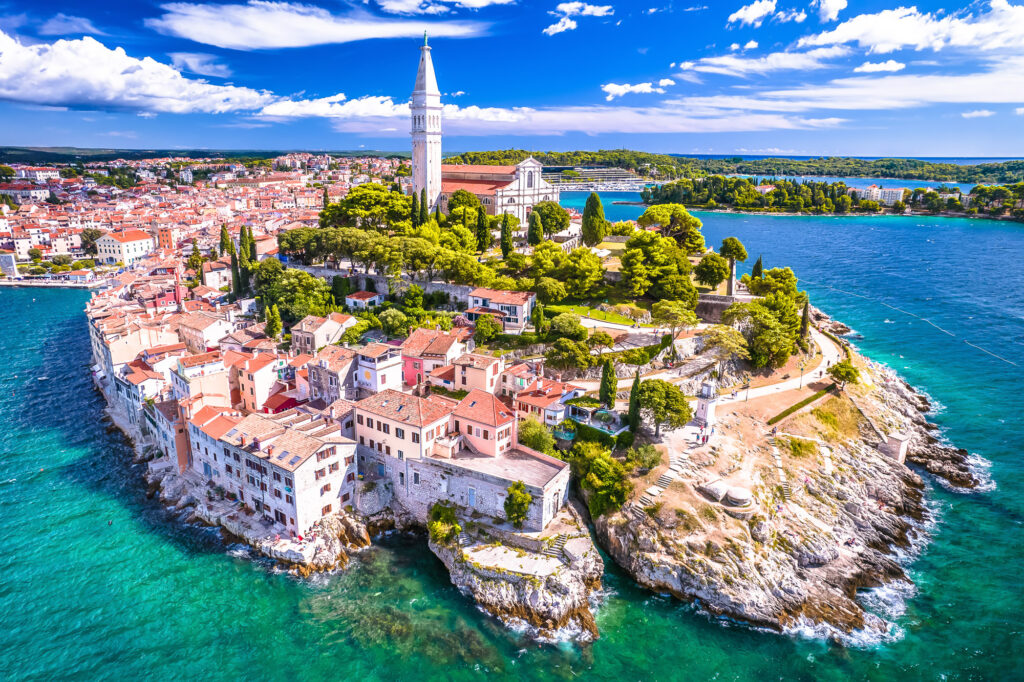
Rab blends historic architecture with some of the region’s most family-friendly beach areas. Rab Town is one of the Adriatic’s most recognisable island towns, while the Lopar area is known for shallower sandy and fine-pebble beaches that are unusual by Croatian standards.
Crikvenica and the Vinodol coast
Crikvenica is a straightforward seaside base with beaches, family facilities and road access that is simpler than reaching an island. Nearby Selce, Novi Vinodolski and the Vinodol hinterland make this coast useful for travellers who want to mix swimming with shorter drives inland.
Gorski Kotar
Gorski Kotar changes the character of the trip completely. Forests, lakes, hiking areas and mountain villages replace the Adriatic scenery. Fužine, Delnice and the wider Risnjak area are especially useful for travellers who want cooler summer air, outdoor activity or a nature-focused stop between Zagreb and the coast.
Best beaches in Kvarner
Kvarner has a broad range of beach types. Krk and Rab offer some of the region’s best-known swimming areas, Cres and Lošinj have beautiful coves and rocky shores, while the mainland Riviera provides easy-access beaches close to accommodation and restaurants.
Beach conditions can differ greatly over short distances. Some beaches are developed with showers, cafés and rentals; others are simple coves reached by footpath. If beaches are your main priority, compare the wider national selection in our Best Beaches in Croatia guide.
Nature and outdoor activities
Kvarner’s strongest advantage is the ability to combine sea and mountain activity. Coastal and island walking trails, cycling routes, sailing and kayaking can be paired with forest hiking in Gorski Kotar. Risnjak National Park is one of the region’s key mountain landscapes, while island trails offer panoramic views over the gulf.
Spring and autumn are especially good for active trips because temperatures are more comfortable for hiking and cycling. In summer, start exposed trails early and reserve the hottest part of the day for the sea or shaded areas.
Food and drink in Kvarner
Kvarner’s food reflects its geography. On the coast and islands, seafood, scampi, olive oil and Mediterranean ingredients dominate. Inland, dishes become heartier, with mushrooms, game, freshwater fish and mountain cooking.
Krk is known for local wine and pasta traditions, Rab has its famous cake, and the wider region has a strong restaurant culture. Kvarner was designated European Region of Gastronomy for 2026, making this an especially good time to look for regional food events and menus built around local produce.
How many days do you need in Kvarner?
- 2–3 days: choose one base, such as Opatija, Rijeka or Krk.
- 4–5 days: combine mainland coast with one island or a day in Gorski Kotar.
- 7 days: enough for a balanced coast-and-island holiday with one mountain day.
- 10+ days: suitable for slower island hopping or combining several very different bases.
Getting to Kvarner
Kvarner is one of Croatia’s most road-accessible coastal regions. Rijeka connects by motorway with Zagreb and by major roads with Istria and the northern Adriatic. Krk Island is reached by bridge, so no ferry is needed to drive onto the island.
Rijeka Airport is located on Krk Island and has seasonal international connections. Zagreb, Pula, Trieste and Ljubljana airports can also be relevant depending on your route and flight schedule.
Ferries and island travel
Ferries are essential for some Kvarner island combinations, particularly Cres, Lošinj and Rab. Routes and frequencies vary by season, and weather can occasionally affect services, so check the official Jadrolinija timetable shortly before travel rather than relying on an old screenshot or third-party timetable.
For a first island trip, Krk is the simplest logistically because of the bridge. Cres, Lošinj and Rab reward more planning but offer a stronger island-hopping feel.
Getting around without a car
You can visit Rijeka and Opatija comfortably without a car, and bus connections link major coastal towns. Island travel without a car is also possible, but it requires more attention to local bus and ferry timetables.
If you want to explore Gorski Kotar, remote beaches or several island villages in one trip, a car offers much more flexibility. Travellers avoiding a car should choose a well-connected base and build the itinerary around fewer locations.
Best time to visit Kvarner
June and September are particularly balanced months for combining warm-weather coastal travel with easier sightseeing. July and August bring the hottest weather, the strongest beach atmosphere and the broadest seasonal services, but also the biggest crowds.
Spring and autumn are excellent for Opatija, Rijeka, food travel and outdoor activities. Gorski Kotar can also work well outside the coastal season because its appeal is based on forests, hiking, lakes and mountain scenery rather than swimming alone. For a country-wide overview, see Best Time to Visit Croatia.
Suggested 5-day Kvarner itinerary
- Day 1: Rijeka and Trsat.
- Day 2: Opatija and the coastal promenade.
- Day 3: Krk Island, choosing Krk Town, Vrbnik or Baška.
- Day 4: Crikvenica and the Vinodol coast, or a second island day.
- Day 5: Gorski Kotar for lakes, forest and mountain scenery.
This itinerary deliberately shows the region’s variety. If your main goal is a beach holiday, spend more nights on one island instead of moving every day.
Kvarner with kids
Families often find Kvarner practical because road access is straightforward and several resort areas combine beaches, promenades and family facilities. Krk and the Crikvenica Riviera are particularly convenient, while Rab is attractive for families looking for shallower beach areas. See Croatia with Kids for broader planning advice.
Kvarner for couples
Opatija is the obvious classic choice for a romantic stay, but couples should also consider Lošinj, small Cres villages, Vrbnik on Krk and quieter coastal bases outside the busiest summer weeks. See Croatia for Couples for more destination ideas.
Practical planning tips
- Choose your base by travel style: city, resort, island or mountains.
- Do not underestimate driving time on islands, even when distances look short.
- Check ferry timetables close to travel dates because schedules are seasonal.
- Book popular island accommodation early for July and August.
- Use the official Kvarner tourism portal for current events and regional updates.
Final thoughts
Kvarner is ideal for travellers who want Croatia to feel different from one day to the next. You can walk a grand seafront in Opatija, explore Rijeka’s urban culture, swim from an island beach and finish the trip in the forests of Gorski Kotar. That range makes Kvarner more than a stop between Istria and Dalmatia—it is a complete region worth building a trip around.
Travel guides
Featured articles about Kvarner
- Destinations
Novi Vinodolski, Croatia: Complete Travel Guide to Old Town, Beaches and Vinodol
Explore Novi Vinodolski with its old town, Frankopan heritage, beaches, Riviera villages, food, transport and Kvarner day trips.
- Destinations
Crikvenica, Croatia: Complete Travel Guide to Beaches, Riviera and Things to Do
Plan Crikvenica with beaches, the Riviera, Love Path, family activities, food, transport and easy Kvarner day trips.
 Destinations
Opatija, Croatia: Complete Travel Guide to Lungomare, Villas, Beaches and Wellness
Opatija travel guide: walk the Lungomare to Volosko and Lovran, find the best Riviera beaches, spa hotels, local…
 Destinations
Rijeka, Croatia: Complete Travel Guide to Trsat, Korzo and the Kvarner Coast
Rijeka travel guide: the Korzo, Trsat Castle, the fish market, museums, nearby beaches, local food and the best…
 Destinations
Kvarner, Croatia: Complete Travel Guide to Rijeka, Islands and the Coast
Rijeka, Opatija, Krk, Cres, Lošinj, Rab and Gorski Kotar: where to go, beaches, ferries, food and how many…