Winter shows a very different side of Croatia. The Adriatic coast becomes quieter, inland cities shift toward museums, cafés and festive events, and mountain areas can bring snow and winter landscapes. It is not the season for a classic beach holiday, but it can be one of the most atmospheric times to visit if you prefer slower travel, lower demand and a more local rhythm.
December is the most festive month, January is often the quietest period after New Year, and February starts to bring longer days while still feeling firmly off-season in many coastal destinations. For a broader comparison of conditions across the year, see the Croatia weather by month guide.
What Is Winter Like in Croatia?
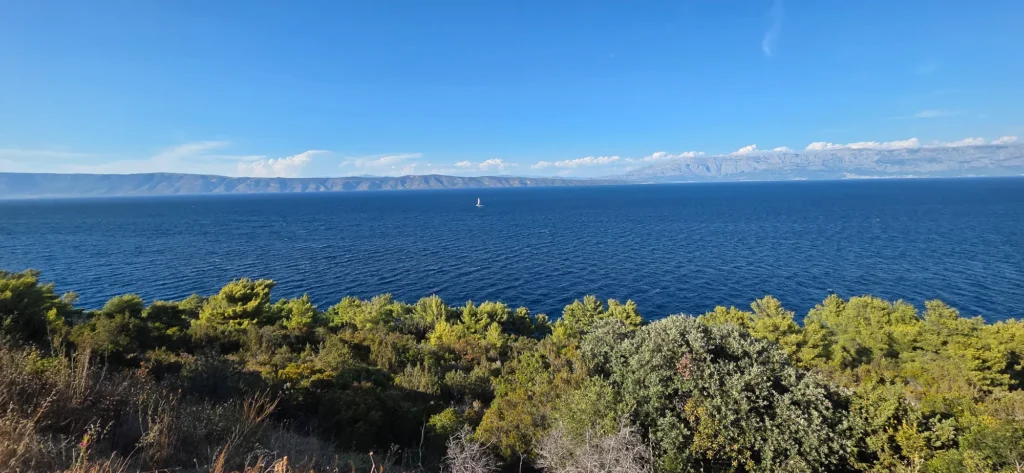
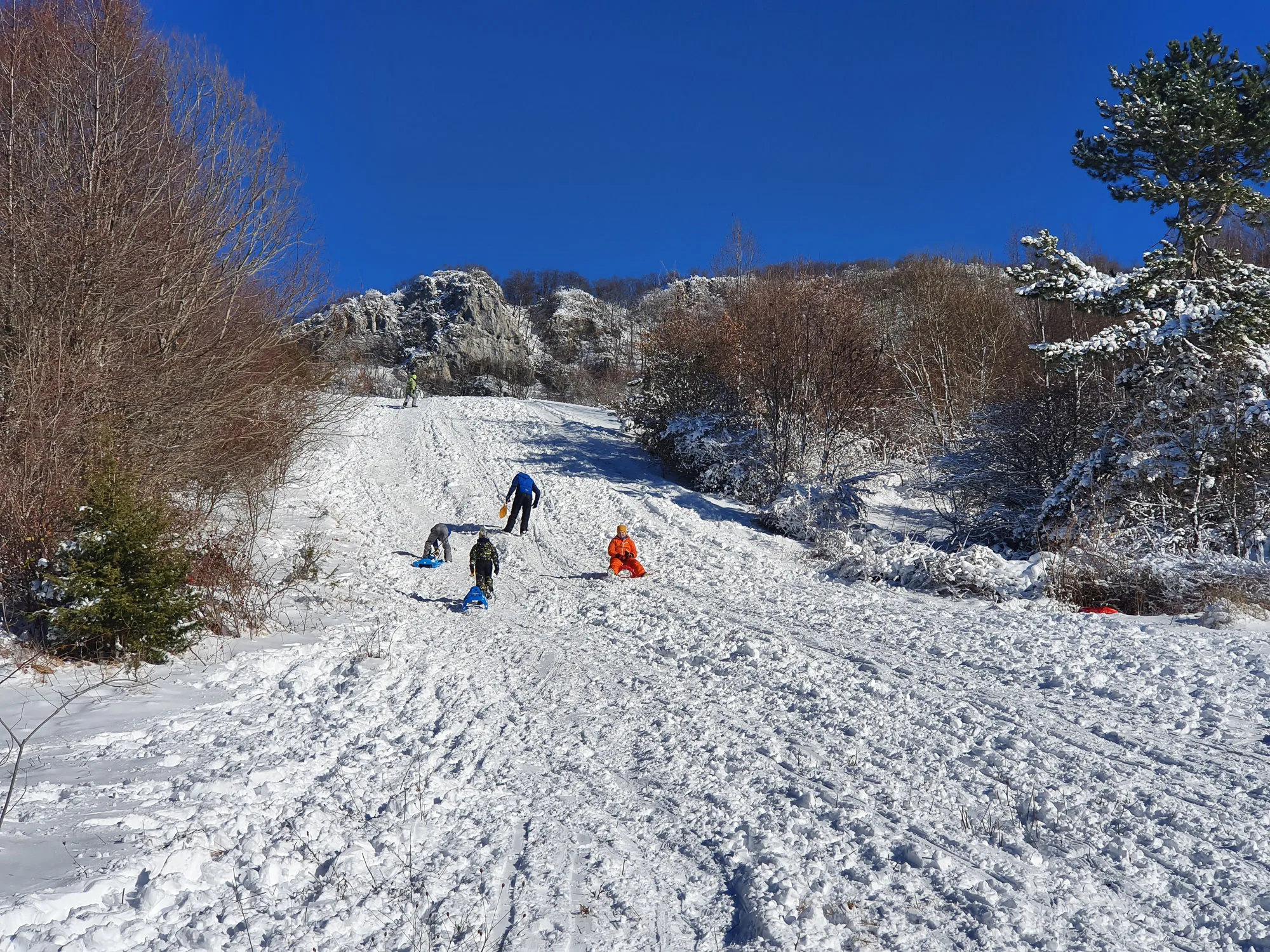
Croatia does not have one single winter climate. The Adriatic coast is generally milder than inland Croatia, but strong winds and rain can make coastal days feel colder than the thermometer suggests. Zagreb and continental regions have colder mornings and nights, with frost and occasional snow possible. Mountain areas can experience genuine winter conditions.
The biggest practical difference is not temperature but seasonality. Some island hotels, beach restaurants, tours and seasonal businesses close or operate limited hours. Major cities remain active, while small resort towns can become extremely quiet.
December
December is the liveliest winter month because of Advent and Christmas events. Zagreb is the country’s best-known festive destination, but many other towns also hold seasonal markets, concerts and public programmes. The official Advent Zagreb programme for winter 2026–27 runs from 28 November 2026 to 7 January 2027.
January
After the New Year period, January becomes much quieter. This can be an excellent month for city breaks, museums, cafés, spa stays and slow travel, but travellers should expect reduced coastal services and shorter daylight hours.
February
February remains winter, though days gradually lengthen and some destinations begin preparing for spring. It can work well for sightseeing in historic towns without peak-season crowds, especially for travellers comfortable with changeable weather.
Best Places to Visit in Croatia in Winter
Zagreb
Zagreb is one of Croatia’s strongest winter destinations because daily city life continues regardless of the coastal season. Museums, cafés, markets and restaurants make it easy to plan around cold or wet weather, while Advent gives late November, December and early January an especially festive atmosphere.
If your wider trip includes the surrounding region, the Zagreb and Central Croatia guide can help with additional ideas.
Istria
Istria can be rewarding in winter for food, wine, truffles, hill towns and quiet coastal walks. Rovinj and Poreč feel very different from summer, and inland places such as Motovun and Grožnjan can be particularly atmospheric outside peak season. Some restaurants and accommodation close temporarily, so confirm opening dates before building a trip around a specific place.
Kvarner
Kvarner combines coastal towns with mountain country. Opatija and Rijeka remain practical urban bases, while Gorski Kotar is the region to consider for forest scenery and possible snow. Island travel is still possible, but ferry frequency can be lower than in summer.
Dalmatian cities
Split, Zadar, Šibenik and Dubrovnik can all work well for winter sightseeing because their historic centres are far less crowded. The trade-off is that excursions, restaurants and island connections may run less frequently.
For regional planning, see the guides to Northern Dalmatia, Central Dalmatia and Southern Dalmatia.
Plitvice and inland nature
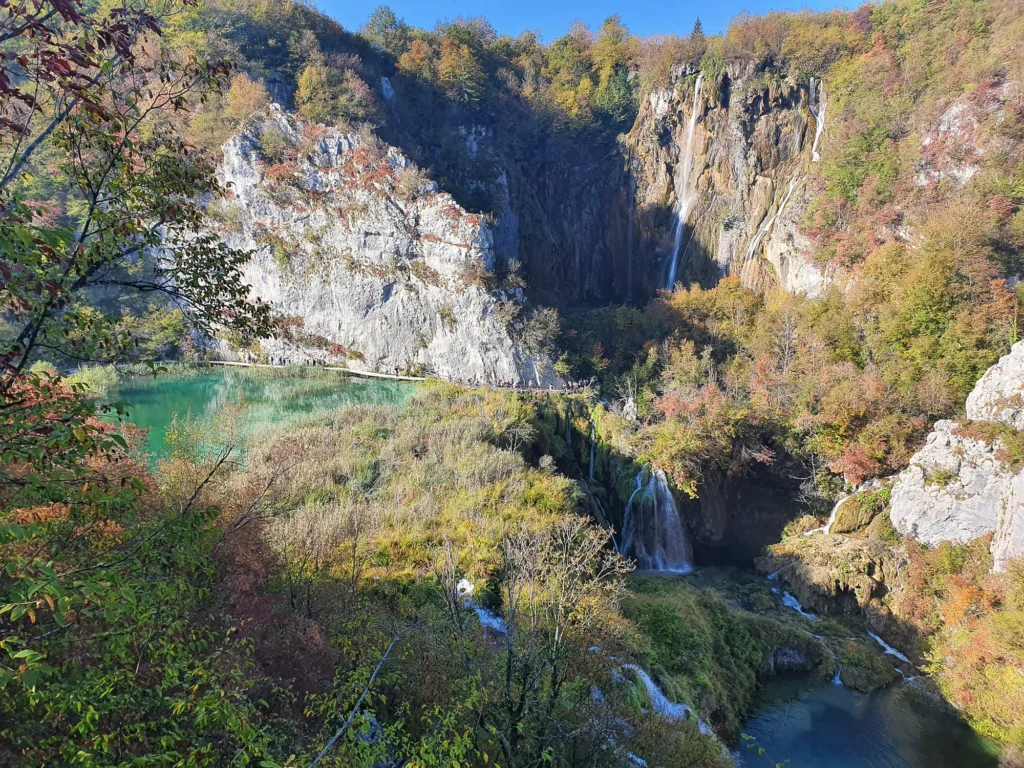
Winter can transform Plitvice Lakes and other inland landscapes, but conditions can change quickly. Snow, ice or maintenance may affect routes and visitor access. Always check current park information before travelling, and do not assume that every summer trail, boat service or entrance is operating in the same way.
Is Dubrovnik Worth Visiting in Winter?
Yes, if your priority is the Old Town rather than beach weather. Winter offers quieter streets, easier photography and a much slower pace. The downside is reduced restaurant choice and fewer day-trip options compared with summer.
A winter Dubrovnik stay often works best as a two- or three-night city break rather than as a base for an ambitious island-hopping itinerary.
Can You Visit Croatian Islands in Winter?
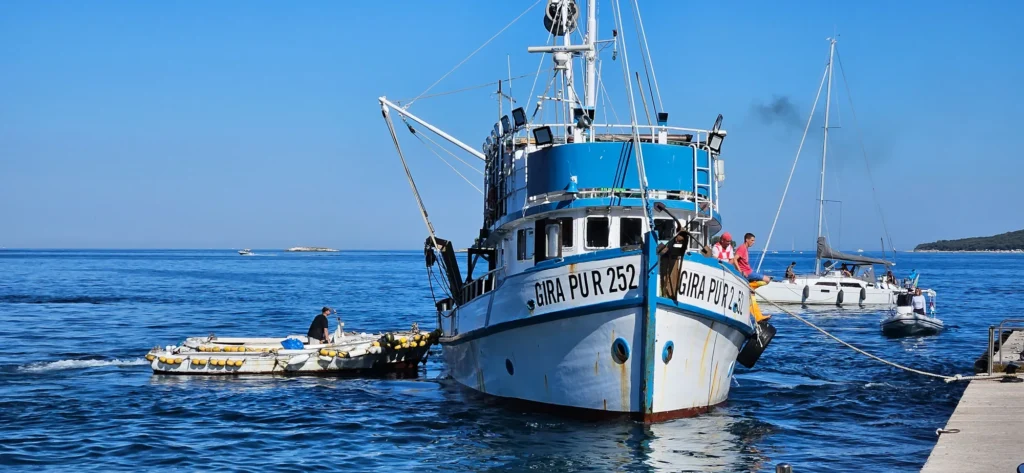
Yes, but island travel requires more planning. Resident communities continue to use year-round ferry and catamaran connections, while some seasonal routes disappear or operate less frequently. The official Jadrolinija website publishes current sailing schedules and operational notices.
Some routes run daily throughout the year but with fewer departures in winter. For example, Jadrolinija’s Valbiska–Lopar line between Krk and Rab has fewer winter sailings than during summer. Always check the exact date because schedules and weather disruptions can change.
Winter Driving in Croatia
Driving can be straightforward on the coast, but inland and mountain routes may experience snow, ice, strong wind or temporary restrictions. The bora wind can affect roads and bridges in exposed coastal areas, especially around Kvarner and northern Dalmatia.
If you are planning a road trip, monitor current road conditions before departure and carry suitable winter equipment where required. Do not rely on coastal weather when judging conditions in mountain passes.
The Croatia road trip guide gives broader route-planning advice for self-drive travel.
Winter Ferries and Transport
Public transport continues year-round, but frequencies may be reduced outside the summer timetable. Rail and bus services remain useful for major inland routes, while ferries are essential for island communities.
Build extra flexibility into winter itineraries. Weather-related changes can affect ferries more than buses or trains, and the best backup plan is often an extra night in a city rather than forcing a tight chain of island connections.
Christmas Markets and Advent
Winter travel in Croatia is at its most festive from late November through early January. Zagreb hosts the country’s largest Advent programme, while Varaždin, Rijeka, Opatija, Split, Zadar, Dubrovnik and many smaller towns also organise seasonal events.
Event dates change each year, so check official tourism-board calendars before booking around a particular concert, market or public programme. For 2026–27, the official Zagreb Advent period is 28 November 2026 to 7 January 2027.
Food and Winter Experiences
Winter is a good season to focus more on food than beaches. Inland Croatia offers hearty dishes, roasted meats, stews and pastries, while the coast remains strong for seafood, olive oil and local wines. Istria and inland wine regions can be especially appealing for slower culinary trips.
To understand the regional differences, use the CroatiaPoint Croatia for couples guide for romantic trip ideas or plan a broader food-led route through several regions.
Wellness and Thermal Spas
Cold weather makes winter one of the best times for thermal spas and wellness stays. Northern and central Croatia have several spa regions that work well as a break from city sightseeing. Coastal wellness hotels can also be attractive because room rates are often lower outside the main summer season.
Winter Travel with Children
Families can enjoy Zagreb Advent, museums, aquariums and indoor attractions, but winter requires more flexible daily planning. Coastal resorts may have fewer child-focused activities operating than in summer, so larger towns and cities usually make easier bases.
For broader family planning, see Croatia with kids.
What to Pack for Croatia in Winter
- Waterproof outer layer for rain and coastal wind.
- Warm layers rather than one heavy item.
- Comfortable shoes with good grip for wet stone streets.
- Hat and gloves for inland or mountain destinations.
- Compact umbrella.
- Small backpack for carrying layers as temperatures change.
- Driving equipment appropriate to current road and legal requirements if travelling by car.
Advantages of Visiting Croatia in Winter
- Historic centres are much quieter.
- Accommodation can be significantly easier to find outside festive weekends.
- Cities feel more local and less visitor-dominated.
- Museums, cafés and food experiences become a larger part of the trip.
- Advent adds a strong seasonal reason to visit in December.
- Photographers can work in famous locations without peak-summer crowds.
Disadvantages of Winter Travel
- Swimming and classic beach holidays are generally not realistic.
- Some hotels, restaurants and tours close seasonally.
- Ferry and excursion schedules are reduced.
- Weather is less predictable.
- Short daylight hours limit long outdoor itineraries.
- Strong wind can affect coastal transport.
Is Winter a Good Time to Visit Croatia?
Winter is a good choice for city breaks, food trips, Christmas markets, wellness, photography and travellers who value quiet streets more than beach weather. It is less suitable for first-time visitors whose main dream is island-hopping and swimming.
December suits festive travel, January offers the quietest atmosphere, and February can be a good compromise for travellers who want winter prices but slightly longer days.
How to Plan a Winter Croatia Itinerary
A winter itinerary should use fewer bases than a summer one. Zagreb, Istria, Kvarner, Split or Dubrovnik can each anchor a multi-night stay, while inland or island side trips should remain flexible.
If you are deciding how long to spend in the country, the Croatia itineraries guide offers broader route structures that can be simplified for winter conditions.
FAQ
Does it snow in Croatia?
Yes, especially in inland and mountain regions. Snow is less common along much of the Adriatic coast, where winter weather is usually milder but can be windy and wet.
Are restaurants open on the Croatian coast in winter?
Some remain open year-round, especially in larger towns and cities, but many seasonal businesses close or shorten their hours. Check specific places rather than assuming summer-level availability.
Are ferries running in winter?
Yes, many essential domestic ferry and catamaran routes operate year-round, but frequencies can be lower and weather disruptions are more significant.
Is December a good time to visit Zagreb?
Yes. December is one of Zagreb’s strongest tourism periods because of Advent, seasonal markets, concerts and festive public spaces.
Plan your trip
Planning your trip to Croatia?
Explore practical guides, destinations and travel tips before you go.