Autumn is one of Croatia’s most rewarding seasons for travellers who want a quieter trip without giving up the country’s biggest strengths. September can still feel close to summer on the Adriatic, October brings comfortable sightseeing weather and stronger autumn colours inland, while November is noticeably quieter and more changeable.
The season works especially well for road trips, national parks, historic cities, food and wine travel, hiking, photography and couples‘ breaks. It can also be a good time for the coast, but travellers should treat beach weather and swimming as a bonus rather than a guarantee once the season moves beyond September.
What Is Autumn Like in Croatia?
Autumn in Croatia usually means September, October and November, but conditions vary significantly between the Adriatic coast and the continental interior. The coast generally stays milder for longer, while Zagreb, inland Croatia and mountain areas cool more quickly.
- September: often still warm and lively on the coast, with many beach facilities and seasonal businesses operating.
- October: one of the best months for sightseeing, road trips, food experiences and autumn landscapes.
- November: quieter, cooler and wetter, with a more local feel in cities and fewer coastal tourism services.
For a broader month-by-month overview, see the Croatia weather by month guide.
Why Visit Croatia in Autumn?
The biggest advantage is balance. Summer crowds gradually disappear, accommodation availability improves in many destinations, temperatures become easier for walking, and the countryside enters harvest season.
Autumn is particularly attractive if your priorities include:
- exploring old towns without peak-summer congestion;
- driving between several regions;
- visiting national parks and nature areas;
- hiking and cycling in cooler conditions;
- trying seasonal food, wine and olive-oil experiences;
- photographing forests, vineyards and historic towns in softer light;
- spending more time in Zagreb and inland Croatia.
Autumn Weather by Region
Istria and Kvarner
Istria and Kvarner are excellent autumn regions because coastal towns, hilltop villages, forests, vineyards and food experiences work well even when the weather is not beach-perfect. Early autumn can still bring warm days, while October is especially suited to inland drives and walking.
Istria also has a strong seasonal food identity in autumn, including truffles, wine, mushrooms and olive harvests. Visitors should check individual producers and restaurants before travelling because opening days can be reduced outside the main season.
Northern and Central Dalmatia
Northern Dalmatia and Central Dalmatia often remain pleasant well into autumn. Zadar, Šibenik, Split and Trogir are easier to explore once the strongest summer heat has passed.
Island travel remains possible, but ferry planning matters more. Some routes operate year-round while others have seasonal frequency changes, so always check the exact travel date on the official Jadrolinija website rather than relying on a summer timetable.
Southern Dalmatia
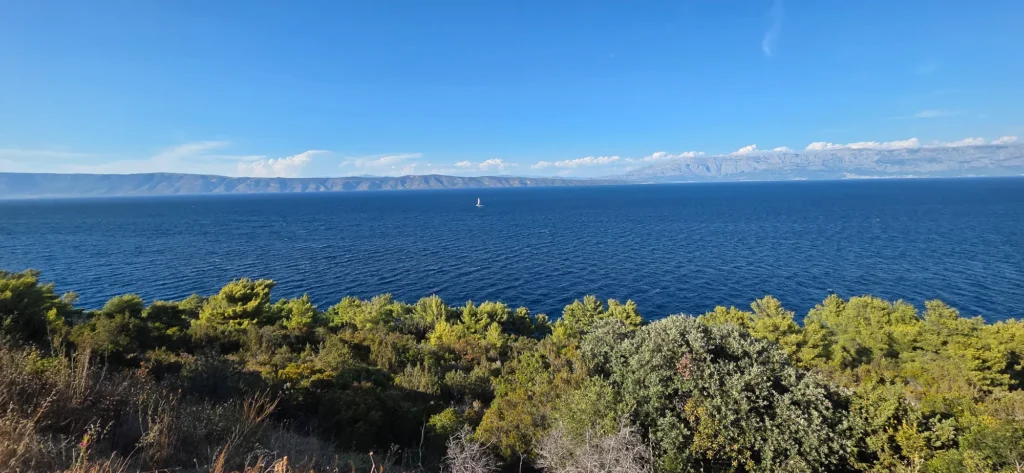
Southern Dalmatia is one of the best choices for travellers hoping for the mildest coastal conditions later in the season. Dubrovnik, Korčula, Pelješac and the wider region remain attractive for sightseeing, food and wine, although boat services and tourism businesses can become more limited as autumn progresses.
Zagreb and Central Croatia
Zagreb and Central Croatia come into their own in autumn. City sightseeing is comfortable, cafés feel more local after the summer holiday period, and forests and parks develop strong seasonal colour.
This is also a good time to combine Zagreb with castles, spa regions, smaller historic towns and Plitvice Lakes.
Slavonia and Eastern Croatia
Slavonia and Eastern Croatia are particularly rewarding for food, wine, rural travel and nature. Vineyards, Danube landscapes, Baranja villages and the forests around Papuk and Kopački Rit make autumn one of the most atmospheric times to visit the east of the country.
Can You Swim in Croatia in Autumn?
Swimming is often still possible in September and can sometimes remain comfortable in early October, especially after a warm summer and in southern Dalmatia. However, conditions vary from year to year and from one part of the coast to another.
By late October and November, most travellers should plan the trip around sightseeing, food, nature and culture rather than swimming. A warm, calm day may still tempt experienced swimmers, but it should not be the main reason for booking an autumn holiday.
Best Places to Visit in Croatia in Autumn
Plitvice Lakes
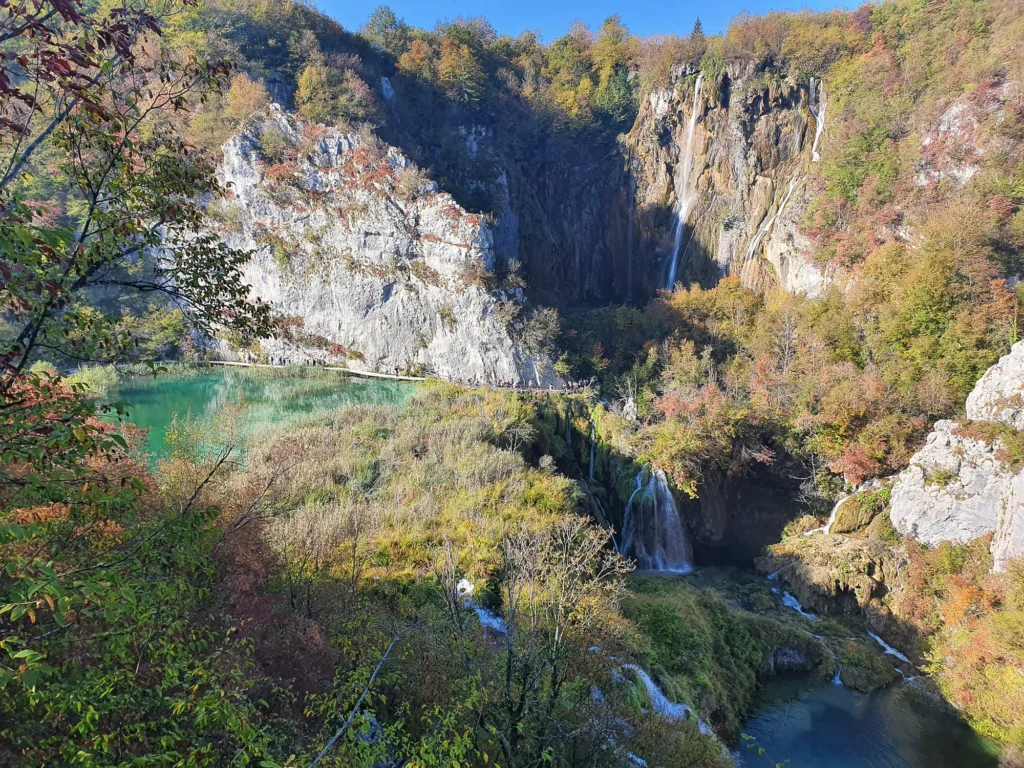
Plitvice is one of Croatia’s standout autumn destinations because the forest surrounding the lakes changes colour while visitor pressure is lower than in midsummer.
The park stays open throughout the year, but opening hours, transport inside the park and hospitality services change seasonally. For October 2026, the official park information lists adult tickets at €23, ticket sales until 15:00 and reduced autumn operating hours for boats and panoramic vehicles. Always recheck the official Plitvice Lakes website before arrival because schedules can change.
Istrian Hill Towns
Motovun, Grožnjan, Buzet and the surrounding countryside are ideal for autumn drives. Cooler temperatures make walking easier, while local restaurants and producers highlight seasonal ingredients.
Dubrovnik
Dubrovnik is far easier to experience once the heaviest summer crowding eases. Autumn is well suited to walking the old town, city walls and nearby viewpoints without structuring the entire day around midday heat.
Split and Trogir
Split and Trogir combine historic centres, restaurants, museums and easy regional transport. They are strong autumn bases because the trip does not depend on beach conditions.
Zagreb
Zagreb works especially well later in autumn when coastal resorts become quieter. Museums, cafés, markets, parks and day trips give the city a broad range of bad-weather alternatives.
Slavonia and Baranja
Eastern Croatia is one of the country’s best autumn food-and-wine destinations. Wine roads, rural restaurants, wetlands and historic towns make it a strong alternative to the better-known coast.
National Parks in Autumn
Autumn can be an excellent season for Croatia’s protected landscapes, but practical conditions vary. Shorter daylight, rain, wind and changing transport services mean that planning is more important than in July or August.
Plitvice is especially famous for autumn colours. Krka can be comfortable for walking, Paklenica becomes attractive for hiking when temperatures are moderate, and Mljet can remain mild later into the year.
Before visiting any national or nature park, check the official site for:
- opening hours;
- ticket sales cut-off times;
- boat or shuttle operations;
- trail closures;
- weather warnings;
- seasonal access restrictions.
Food, Wine and Harvest Season
Autumn is one of the strongest seasons for travellers who choose Croatia for food. Depending on the region and timing, the season can include grape harvests, new wines, truffles, mushrooms, chestnuts, olives and richer regional dishes.
Istria is particularly well known for truffle-focused autumn travel, while Croatian wine regions from Pelješac to Slavonia are active around and after harvest. Olive harvests become increasingly important later in the season along the Adriatic.
Rather than building an itinerary around a single festival, use food and wine as part of the regional journey and confirm opening times directly with producers.
Autumn Road Trips
A car gives travellers more flexibility in autumn because seasonal public transport reductions can affect smaller destinations. It also makes it easier to respond to weather by changing the order of day trips.
Good autumn road-trip combinations include:
- Istria coast and hill towns;
- Zagreb, Zagorje and Plitvice Lakes;
- Zadar, Šibenik and inland national parks;
- Split, Trogir, Omiš and the Makarska area;
- Dubrovnik, Pelješac and Korčula;
- Osijek, Baranja, Vukovar and Ilok.
For route-planning ideas, use the Croatia road trip guide and the broader Croatia itineraries.
Ferries and Island Travel in Autumn
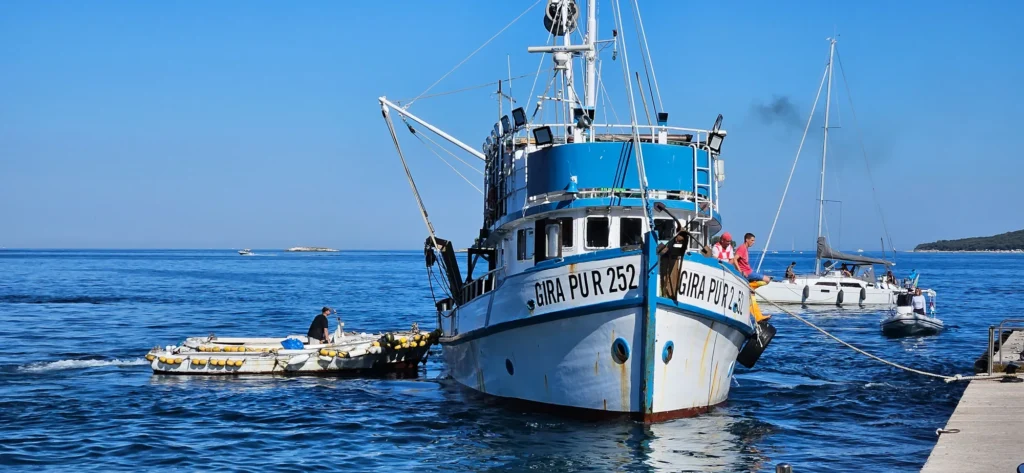
Island travel is still realistic in autumn, especially on major year-round ferry routes. The important difference is frequency. A route that offers several convenient summer departures may operate less often later in the year.
Plan island trips around the published timetable, especially if you are connecting between ferries, buses and flights. Weather can also affect maritime traffic, so check operator notices again shortly before departure.
Autumn island trips work best when you choose places with year-round local life rather than relying entirely on seasonal beach businesses.
What to Pack
Layering is more useful than packing for one fixed type of weather. A sunny afternoon on the coast can feel mild, while evenings, inland destinations and mountain areas may be much cooler.
- light layers for daytime;
- a warmer jacket or fleece;
- a compact waterproof jacket;
- comfortable closed walking shoes;
- sun protection for clear coastal days;
- a small umbrella if your trip is city-focused;
- swimwear in September or early October if the forecast looks favourable.
Is Croatia Cheaper in Autumn?
Prices often become more attractive after the main summer peak, particularly for accommodation. However, there is no single national low-season date. Popular cities, events, weekends and high-end properties can still command strong rates.
The best value usually comes from travelling outside school-holiday peaks, staying several nights in the same base and comparing coastal prices with inland alternatives.
Who Should Visit Croatia in Autumn?
Autumn is especially well suited to couples, photographers, hikers, road trippers, food-and-wine travellers and visitors who prefer a slower pace. It can also be very good for families who are not dependent on daily swimming.
If guaranteed beach weather and a fully active resort atmosphere are your priorities, summer remains the safer choice. If culture, nature, food and fewer crowds matter more, autumn can be one of the best times of the year.
A Simple 7-Day Autumn Itinerary
- Days 1-2: Zagreb — explore the historic centre, markets, museums and parks.
- Day 3: Plitvice Lakes — visit early and allow for shorter autumn operating hours.
- Days 4-5: Zadar or Šibenik — combine an Adriatic old town with regional food and an optional nature day.
- Days 6-7: Split and Trogir — finish with historic centres, waterfront walks and flexible day trips.
For a warmer late-autumn version, move the final days farther south toward Dubrovnik and Pelješac.
Practical Autumn Travel Tips
- Check ferry and bus schedules for your exact travel date, not a summer timetable saved earlier.
- Book fewer one-night stays and allow flexibility for rain or wind.
- Confirm restaurant, winery and attraction opening days in smaller coastal towns.
- Start national-park visits earlier because daylight and internal transport hours are shorter.
- Keep both coastal and inland options in your itinerary so you can adapt to the forecast.
- Do not assume that every beach facility, excursion operator or island restaurant remains open throughout autumn.
Frequently Asked Questions
Is autumn a good time to visit Croatia?
Yes. Autumn is excellent for sightseeing, road trips, food, wine, hiking, national parks and travellers who prefer fewer crowds. September is the most beach-friendly part of the season, while October and November are better for slower, experience-focused travel.
Is Croatia warm in October?
It can be mild and pleasant, especially on the Adriatic coast, but October weather is changeable. Inland Croatia is usually cooler, and rain or windy periods are possible anywhere.
Can you still visit Croatian islands in autumn?
Yes, particularly islands served by year-round ferries. The main consideration is reduced frequency on some routes and fewer seasonal tourism services.
What is the best autumn month for Croatia?
September is best if you still want a chance of summer-like coastal weather. October is a strong all-round month for road trips, nature and food. November suits city breaks and travellers seeking the quietest atmosphere.
Is Plitvice worth visiting in autumn?
Absolutely. Autumn colours can be spectacular and crowds are generally lower than in peak summer. Check the official park website for current opening hours, ticket sales and internal transport before travelling.
Autumn changes Croatia from a classic summer-sea destination into a broader travel experience. With flexible planning, it is one of the best seasons for combining the coast, national parks, historic towns, wine regions and inland landscapes in a single trip.
Plan your trip
Planning your trip to Croatia?
Explore practical guides, destinations and travel tips before you go.