October is one of Croatia’s most interesting transition months. The busiest summer period is over, coastal towns feel calmer, vineyards and olive groves move into harvest season, and inland landscapes begin to show strong autumn colour. It is a good month for travellers who value sightseeing, food, walking and road trips more than guaranteed beach weather.
The trade-off is that October is not simply a quieter version of July. Sea temperatures are falling, rain becomes more likely, daylight is shorter, and some seasonal restaurants, boat excursions and accommodation businesses begin reducing hours or closing for winter. A successful October trip therefore depends more on choosing the right destinations and planning transport carefully.
Is October a Good Time to Visit Croatia?
Yes, especially for city breaks, road trips, food and wine travel, national parks, hiking and slower regional travel. October can be particularly rewarding in Istria, Zagreb and Central Croatia, Plitvice, the Kvarner region and the larger Dalmatian cities.
October is less suitable if your main goal is a classic hot-weather island holiday built around swimming every day, beach clubs and frequent seasonal boat excursions. Warm spells still happen on the Adriatic, especially in the south, but they should be treated as a bonus rather than something to build the whole trip around.
For a wider comparison of the seasons, see our Croatia weather by month guide.
Weather in Croatia in October
Croatia has several climate zones, so October conditions vary significantly between the Adriatic coast, the mountainous interior and continental Croatia.
Dalmatian coast and islands
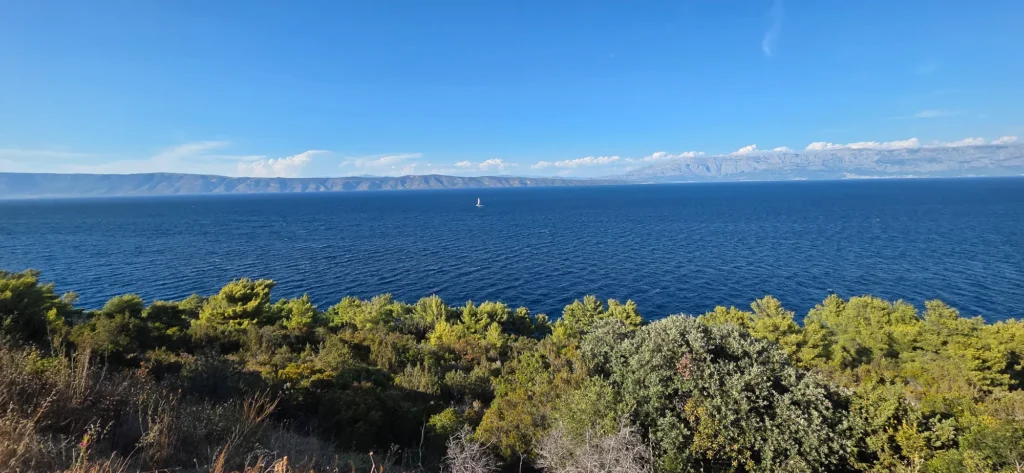
The southern and central Adriatic usually remain the mildest parts of the country. Long-term Croatian Meteorological and Hydrological Service data show an October mean temperature of about 17.2°C in Split and 18.0°C in Dubrovnik. Hvar’s long-term October mean is about 17.7°C. These are monthly averages rather than daytime forecasts, so sunny afternoons can feel considerably warmer while evenings may require a jacket.
October also brings a greater chance of unsettled weather than summer. A flexible itinerary is useful if you are planning islands, hiking or boat activities.
Northern Adriatic
Rijeka’s long-term October mean is about 14.7°C, while Zadar averages about 16.3°C. The northern coast can experience quick changes in weather, including strong bora winds that may affect road and ferry travel.
Zagreb and inland Croatia
Zagreb is distinctly autumnal by October. DHMZ climate data for Zagreb Maksimir show a long-term October mean of about 11.1°C. Mornings and evenings can feel cool, but clear daytime conditions are excellent for walking, cafés, museums and day trips.
Pack layers rather than relying on one type of clothing. A light waterproof jacket, comfortable closed shoes, warmer evening layers and at least one lighter outfit for sunny coastal days usually make more sense than a summer-only suitcase.
Can You Swim in Croatia in October?
Sometimes, but October should not be planned as a guaranteed swimming month. Early October can still bring pleasant sea conditions, particularly around southern Dalmatia, and local swimmers often continue well beyond the main tourist season. For most visitors, however, swimming becomes weather-dependent.
If sea swimming is important, choose the southern coast, book accommodation with a heated pool or spa as a backup, and keep the itinerary flexible. By late October, a trip focused on culture, landscapes and food is generally a safer choice than one built primarily around beaches.
Best Places to Visit in Croatia in October
Istria
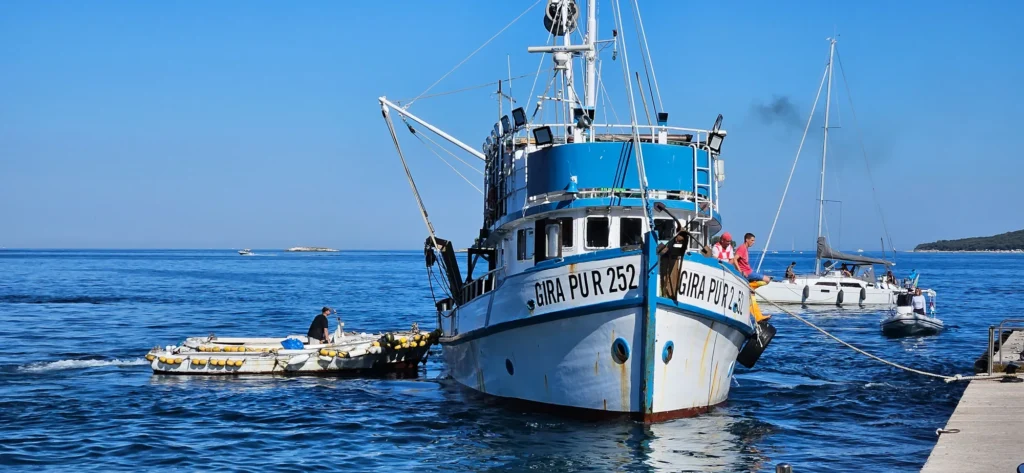
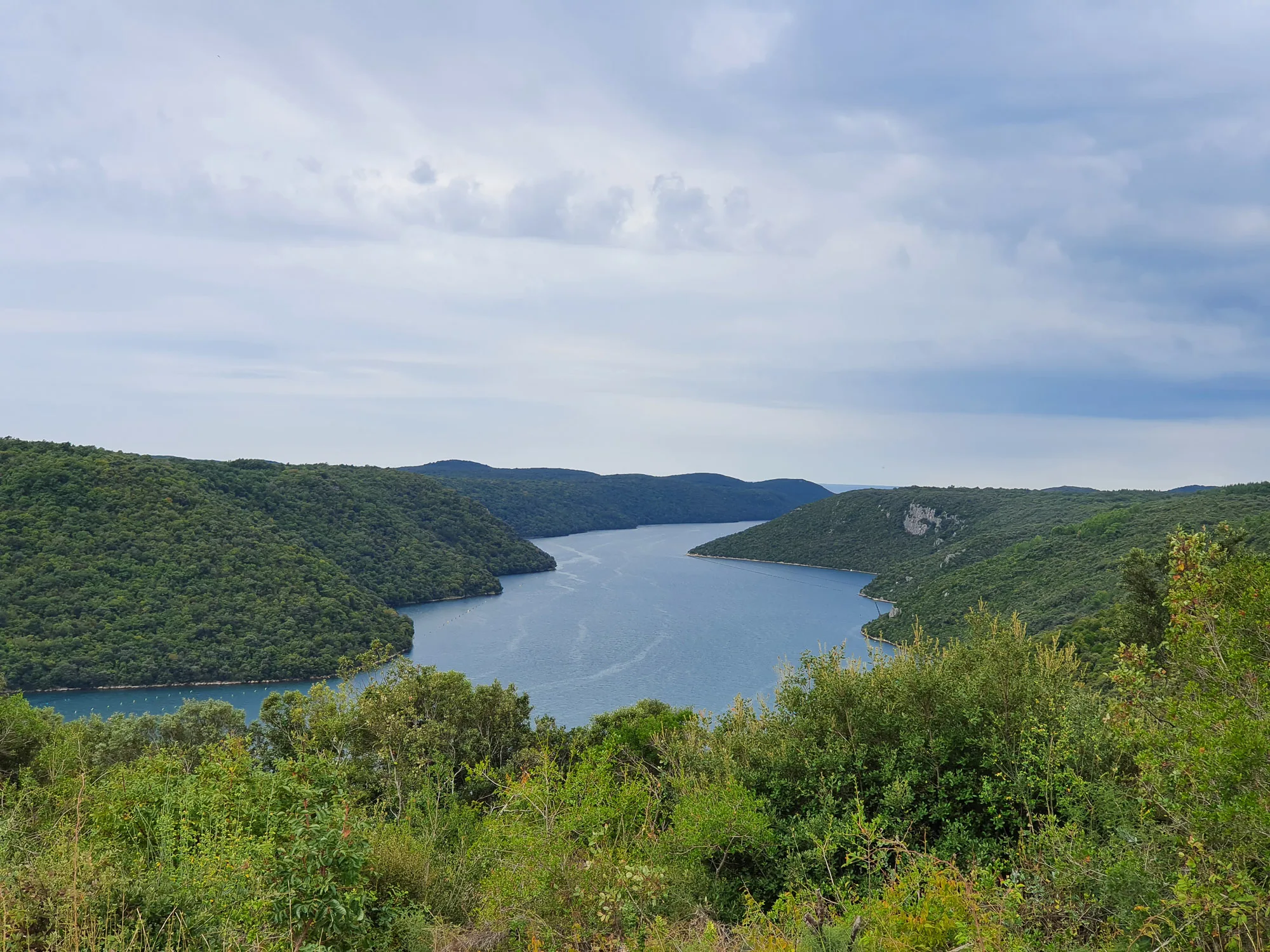
Istria is one of Croatia’s strongest October destinations. Rovinj, Poreč and Pula are noticeably calmer than in summer, while the inland hill towns become especially attractive during truffle, wine and olive-harvest season.
Motovun, Grožnjan, Buzet and the Mirna Valley work well for a food-focused road trip. The cooler temperatures also make cycling and walking more comfortable than during midsummer heat.
Zagreb
Zagreb is well suited to October because most of its appeal does not depend on beach weather. Markets, cafés, museums, historic streets and parks are easy to combine even when the weather changes during the day.
The city also works well as a base for exploring the wider Zagreb and Central Croatia region, where forests, vineyards and smaller towns become increasingly colourful through the month.
Plitvice Lakes
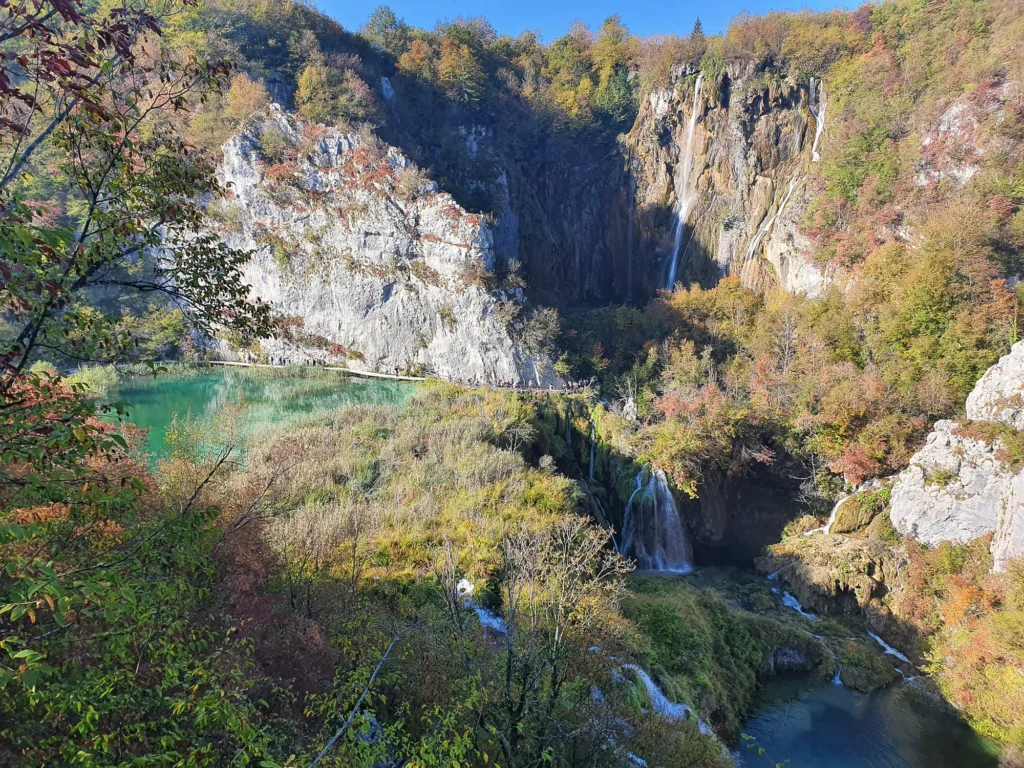
Plitvice Lakes is one of Croatia’s classic autumn destinations. October brings changing forest colours and generally lower visitor pressure than peak summer. Operating hours for entrances, electric boats and panoramic vehicles become shorter outside the main season, so check the official Plitvice Lakes National Park website before travelling.
Weather can also change quickly around the lakes. Waterproof shoes and an extra layer are useful even when the forecast looks favourable.
Split
Split remains lively enough for a city break in October while being easier to explore than during the height of summer. Diocletian’s Palace, Marjan, markets, museums and restaurants provide plenty to do if beach conditions are poor.
Split can also be used as a transport base for selected island trips, but travellers should check autumn ferry timetables rather than assuming summer frequencies continue unchanged.
Dubrovnik
Dubrovnik is often more comfortable for sightseeing in October than in July or August. The Old Town, city walls and nearby viewpoints can be explored without the same combination of extreme heat and peak-season crowds.
The weather is typically milder than farther north, but rain and wind can still affect outdoor plans. Keep at least one flexible day if Dubrovnik is the main focus of your trip.
Kvarner
Opatija, Rijeka and the larger Kvarner islands can work well in October, especially for travellers interested in walking, food and spa hotels. The region is less dependable for beach-only travel, but it becomes much more relaxed once the main holiday rush ends.
October in Croatia for Food and Wine
October is an excellent month for travellers who organize their itinerary around regional food rather than beaches. Istria is particularly strong because autumn is associated with truffles, wine and olive harvests. Inland Croatia also enters a richer season for mushrooms, game dishes, chestnuts and heartier cooking.
Wine areas in Istria, Pelješac, Plešivica, Međimurje, Baranja and Slavonia can all be interesting, although winery visits are best arranged in advance. Harvest work can make small producers busier than expected.
Restaurants in major cities normally operate year-round, but smaller coastal and island establishments may close or shorten their schedules after summer. In small destinations, check opening times before making a special journey for one restaurant.
National Parks and Outdoor Activities
October is often better than midsummer for hiking because temperatures are lower and popular trails are quieter. Paklenica, Učka, Velebit, Medvednica and many inland routes can be excellent when conditions are stable.
Autumn weather also requires more caution. Strong wind, rain and rapidly changing mountain conditions can transform an easy-looking walk into a poor choice. Check local forecasts and park notices before setting out.
For national parks, do not assume summer operating hours. Visitor services, boat departures and entrances may move to shorter schedules in October.
Ferries and Island Travel in October
Island travel is possible in October, but planning becomes more important. Many essential ferry routes operate year-round, while frequencies on some routes reduce after the summer period. Weather disruptions are also more relevant than in stable midsummer conditions.
Always verify the exact route and date on the official Jadrolinija website or with the relevant operator before committing to accommodation or onward transport.
If you want to visit several islands, avoid building a tight itinerary that depends on multiple same-day connections. One or two well-chosen islands usually work better than trying to reproduce a high-season island-hopping route.
Driving in Croatia in October
October can be an excellent road-trip month. Roads are generally less congested than in July and August, parking is easier in many destinations, and driving temperatures are more comfortable.
The main difference is weather. Heavy rain, strong bora winds and autumn roadworks can affect travel times. The Croatian Automobile Club (HAK) provides current information on roads, border crossings and ferry traffic.
A road trip is especially useful for Istria, inland Central Croatia, the Plitvice area and multi-region itineraries. For route ideas, see our Croatia road trip guide.
Crowds and Prices in October
October is much quieter than peak summer, but it is not equally quiet everywhere. Dubrovnik, Split, Plitvice and Zagreb remain important year-round destinations, so popular sights can still be busy at certain times of day.
Accommodation prices are often lower than in July and August, especially at coastal resorts and holiday properties, but there is no single national rule. Some hotels close seasonally, reducing supply in smaller resort areas even as overall demand falls.
The best strategy is to compare actual October rates rather than assuming that every destination will be inexpensive.
What Is Open in October?
Major city attractions, museums, historic centres, supermarkets and essential services generally continue operating. The biggest seasonal changes are found in small island settlements, beach resorts and businesses built primarily around summer tourism.
Boat excursions, beach clubs, water parks and seasonal restaurants are the most likely to reduce operations. Accommodation choice also becomes narrower on smaller islands.
Before travelling to a small coastal base, check three things: whether your accommodation is open, whether you can reach it on the required ferry or bus, and whether enough restaurants and shops remain operating for the type of trip you want.
What to Pack for Croatia in October
- Light waterproof jacket.
- Warm layer for mornings and evenings.
- Comfortable closed walking shoes.
- Small umbrella or compact rain shell.
- Light clothes for warm coastal afternoons.
- Swimwear if you are visiting southern Dalmatia or staying at a spa hotel.
- Daypack for national parks and walking routes.
Layering is more useful than bringing heavy winter clothing, especially if your trip combines Zagreb or Plitvice with the Adriatic coast.
A Good 7-Day Croatia Itinerary in October
One of the easiest October itineraries is to combine a city, a national park and the coast:
- Days 1–2: Zagreb for the historic centre, markets, museums and cafés.
- Day 3: Travel to Plitvice Lakes and stay nearby.
- Day 4: Explore Plitvice, then continue toward the Adriatic.
- Days 5–7: Base yourself in Split or Zadar for city sightseeing, coastal walks and a weather-dependent island or day trip.
If food and wine are the priority, replace Dalmatia with Istria and spend the final days around Rovinj, Motovun, Buzet and inland wine country. For more route options, see our Croatia itineraries guide.
Who Should Visit Croatia in October?
October is particularly suitable for couples, photographers, food travellers, hikers, road trippers, repeat visitors and travellers who prefer quieter destinations. It also works well for city-focused first trips when swimming is not essential.
Families can enjoy October too, especially around Zagreb, Istria and larger coastal cities, but parents should check seasonal attraction opening times before promising children specific water parks, boat trips or beach activities.
Frequently Asked Questions
Is Croatia warm in October?
The Adriatic coast is usually mild rather than hot. Long-term October mean temperatures are around 17–18°C in Split, Hvar and Dubrovnik, while Zagreb is much cooler with a long-term mean around 11°C.
Is Dubrovnik worth visiting in October?
Yes. October is a strong month for sightseeing because temperatures are usually more comfortable than in midsummer and the city is less dominated by peak-season crowds.
Are Croatian islands open in October?
Yes, inhabited islands remain accessible, but transport frequencies and tourism services can be reduced. Check ferry timetables and accommodation availability before finalizing the route.
Does it rain a lot in Croatia in October?
Rain is more likely than during the main summer months, and conditions vary by region. Build some indoor options into the itinerary and avoid making every day dependent on perfect weather.
Is October good for Plitvice Lakes?
Yes, especially for autumn colour and quieter trails. Check the park’s current opening hours and transport schedules because they change outside the peak season.
Is October better for Istria or Dalmatia?
Istria is especially strong for food, wine, truffles, hill towns and road trips. Dalmatia is generally milder and better if you want a greater chance of warm coastal weather. The better choice depends on whether autumn experiences or lingering Adriatic warmth matter more to you.
Final Tips for Visiting Croatia in October
October rewards flexible travellers. Choose larger towns or strong regional bases, confirm ferry and attraction schedules, keep one or two days adaptable for weather, and focus on experiences that improve once the summer crowds disappear.
For travellers who enjoy historic cities, autumn landscapes, regional food, road trips and cooler walking weather, October can be one of the most satisfying months to explore Croatia.
Plan your trip
Planning your trip to Croatia?
Explore practical guides, destinations and travel tips before you go.